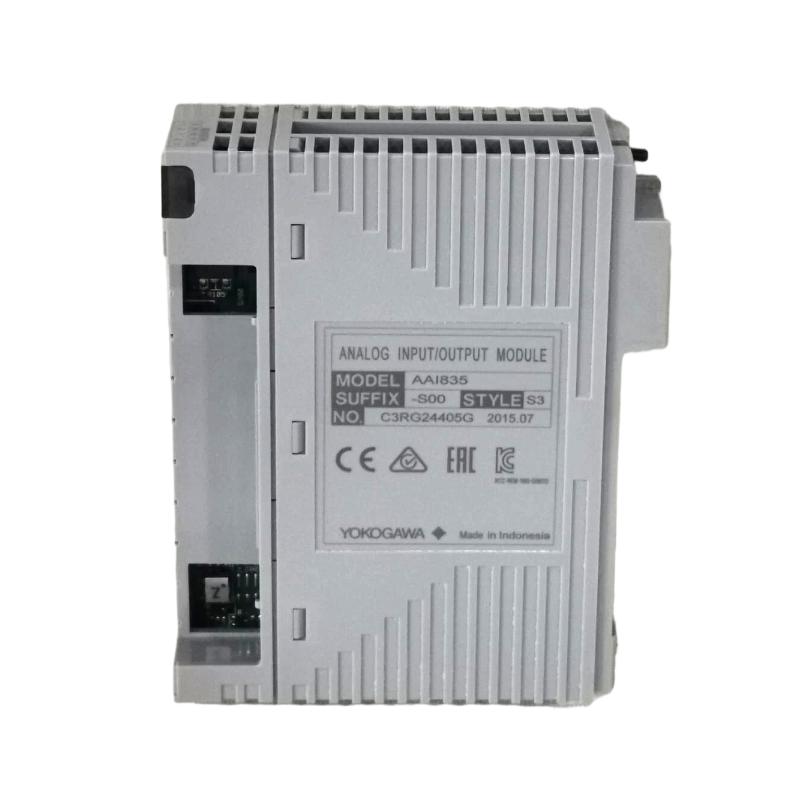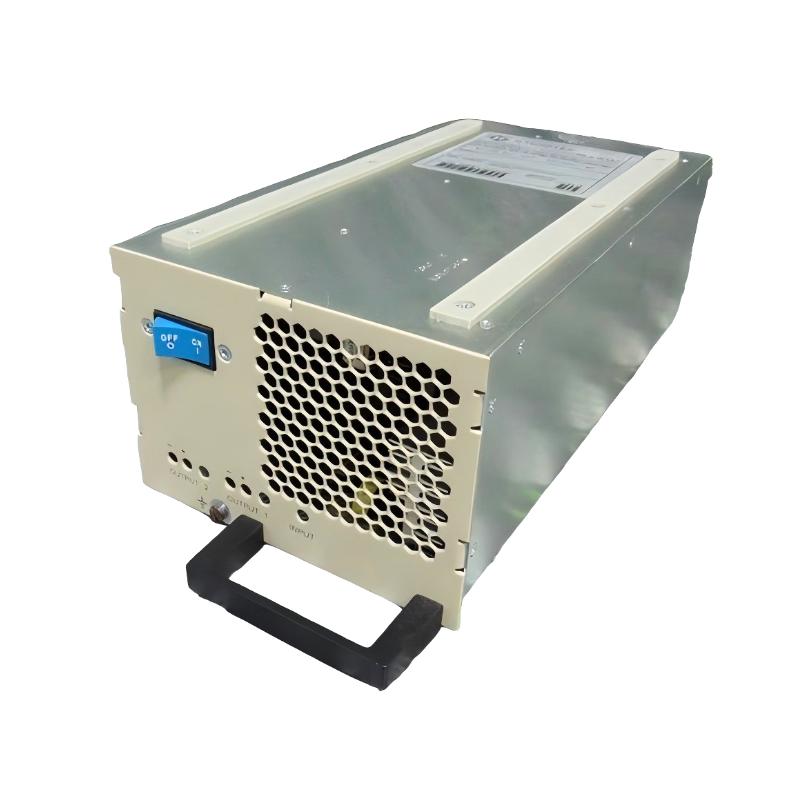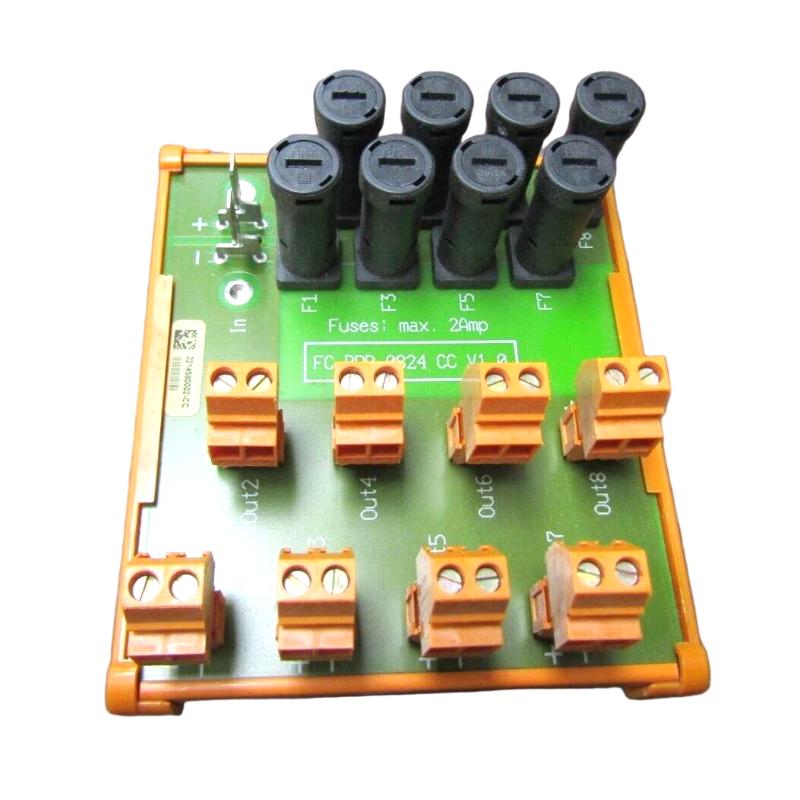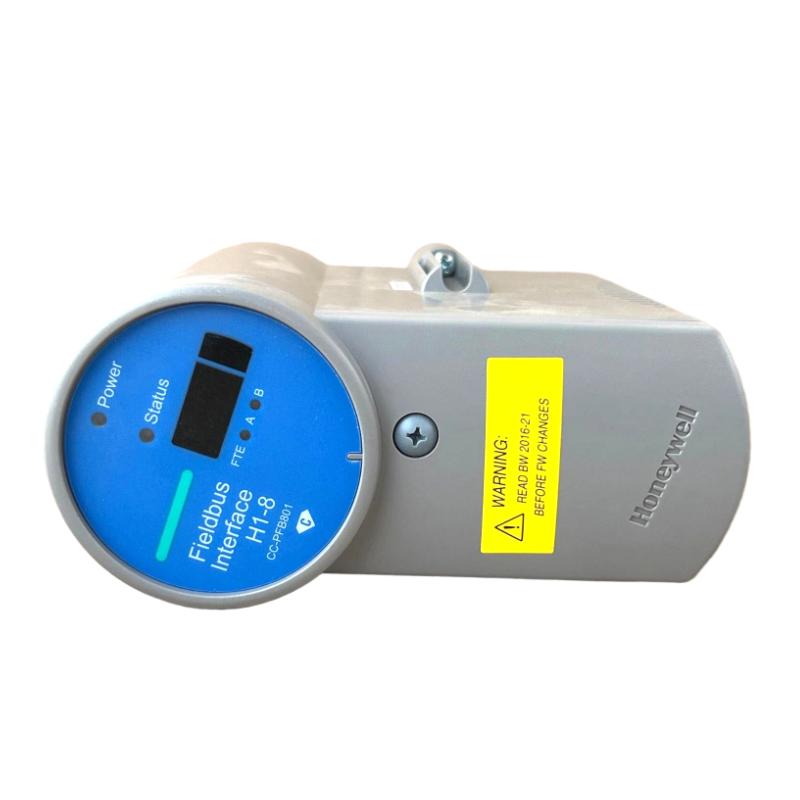
System Overview (Introduction)
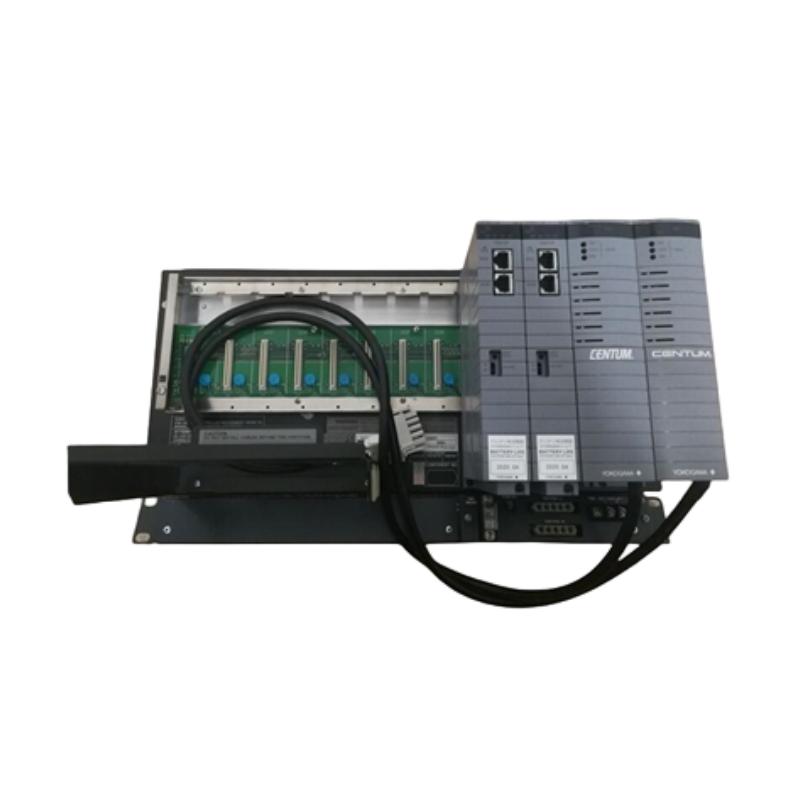
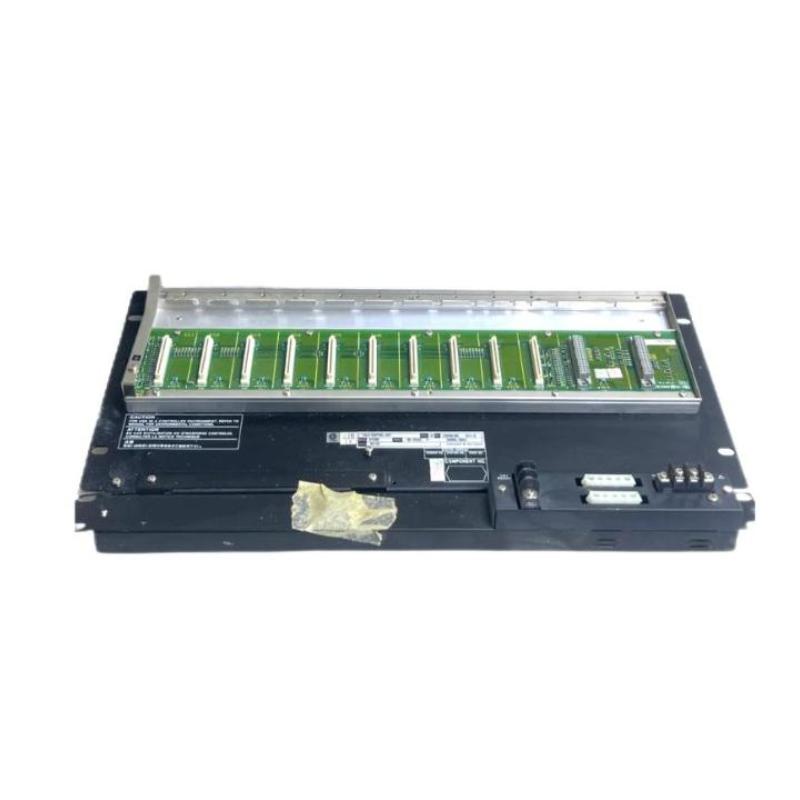
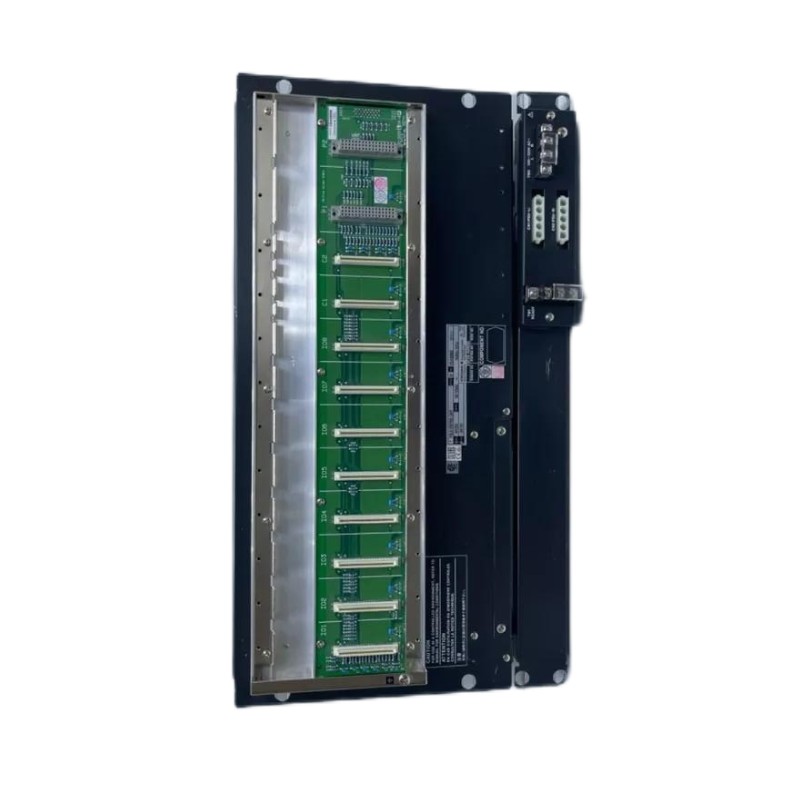
The Yokogawa AFV30D Duplex Field Control Unit is a high-reliability industrial controller designed to manage field-level automation within distributed control systems. With duplex processing capability, it supports redundant control operations that help maintain system stability and operational continuity in demanding industrial settings.
This controller manages communication between field devices and the automation network, enabling precise monitoring and control of complex industrial processes. Its architecture supports scalable control infrastructures, making it suitable for large facilities requiring dependable automation performance.
Engineers frequently select this model when designing automation systems that prioritize redundancy, consistent processing, and long-term operational stability.
Technical Specifications
| Specification | Details |
|---|
| Manufacturer | Yokogawa |
| Model Number | AFV30D |
| Module Type | Duplex Field Control Unit |
| Control Architecture | Redundant / Duplex |
| System Integration | Distributed Control Systems (DCS) |
| Installation | Industrial control cabinet or rack |
| Operating Environment | Process automation and industrial control systems |
| Dimensions | 207 mm × 265.9 mm × 482.6 mm |
| Weight | 8 kg (17.64 lb) |
Deployment in Process Control Environments (Applications)
The Yokogawa AFV30D Duplex Field Control Unit is widely implemented in industrial automation systems that require redundant control processing and uninterrupted plant operation. Its duplex architecture allows it to function as a core controller within distributed control frameworks managing field devices and process logic.
Typical environments where this unit is deployed include:
-
Distributed control systems used in large process industries
-
Oil and gas production platforms and refining operations
-
Thermal and renewable power generation facilities
-
Chemical processing and petrochemical plants
-
Water and wastewater treatment automation systems
-
Industrial production lines operating under continuous process conditions
By supporting redundant control paths, the system helps maintain operational continuity and plant reliability.
Key System Advantages (Advantages)
Duplex Redundant Architecture
Ensures high system availability through automatic controller backup.
Stable Real-Time Control
Efficiently processes field signals and executes process control logic.
Optimized for Industrial Automation
Designed to support demanding plant environments and complex automation structures.
Reliable Integration
Works effectively within Yokogawa distributed control system platforms.
Continuous Operational Support
Helps maintain stable production processes with minimal disruption.
Technical FAQs (Technical FAQs)
1. What role does the AFV30D play in a control system?
It acts as a field control processor within a distributed automation architecture.
2. What is the purpose of duplex functionality in this unit?
It provides redundant processing capability to maintain control continuity.
3. Can this controller support critical industrial operations?
Yes, it is built for high-reliability process automation environments.
4. What types of equipment connect to the AFV30D?
Field I/O modules, sensors, actuators, and plant communication networks.
5. Does the unit process real-time operational data?
Yes, it supports continuous real-time monitoring and control tasks.
6. Is this model used in large industrial plants?
Yes, it is commonly deployed in large-scale process automation facilities.
7. Where is the unit typically installed?
Inside industrial control cabinets or distributed control racks.
8. Can it enhance system reliability?
Yes, redundancy and stable processing contribute to higher system uptime.
9. Does it integrate with other automation components?
Yes, it integrates within Yokogawa distributed control networks and subsystems.
10. Which industries benefit most from this control unit?
Energy, oil and gas, chemical manufacturing, and heavy process industries.
 A DCS Q Co., Ltd. - PLC and DCS Industrial Control Equipment Wholesale