Engineering Overview (Introduction)
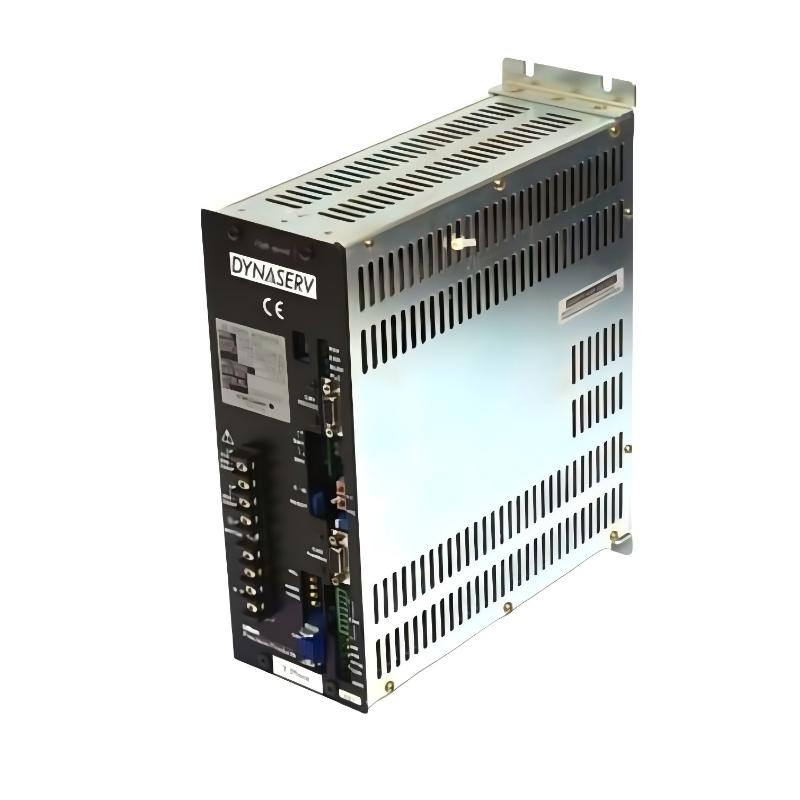
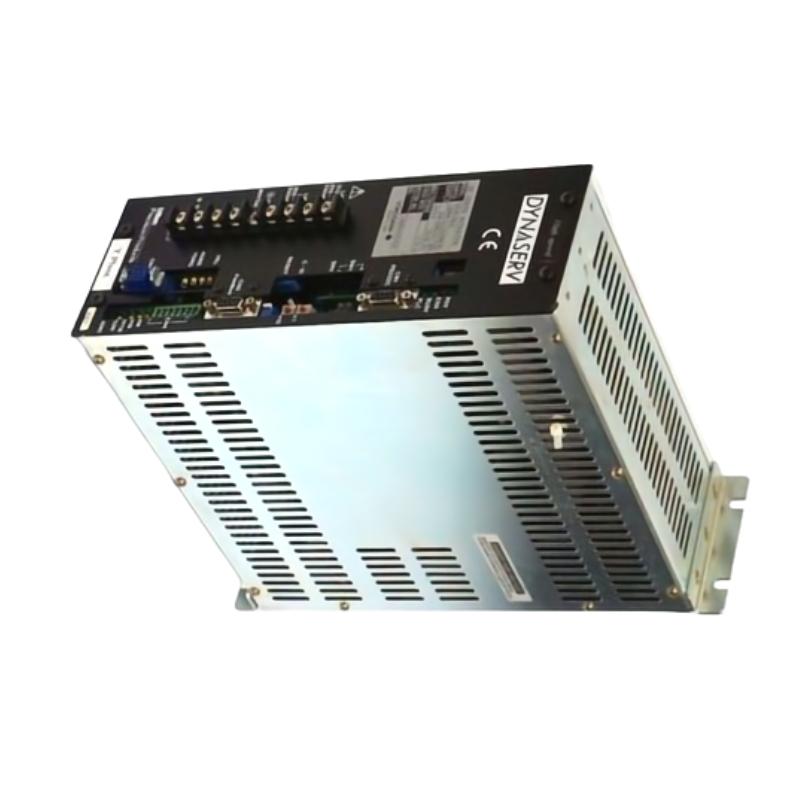
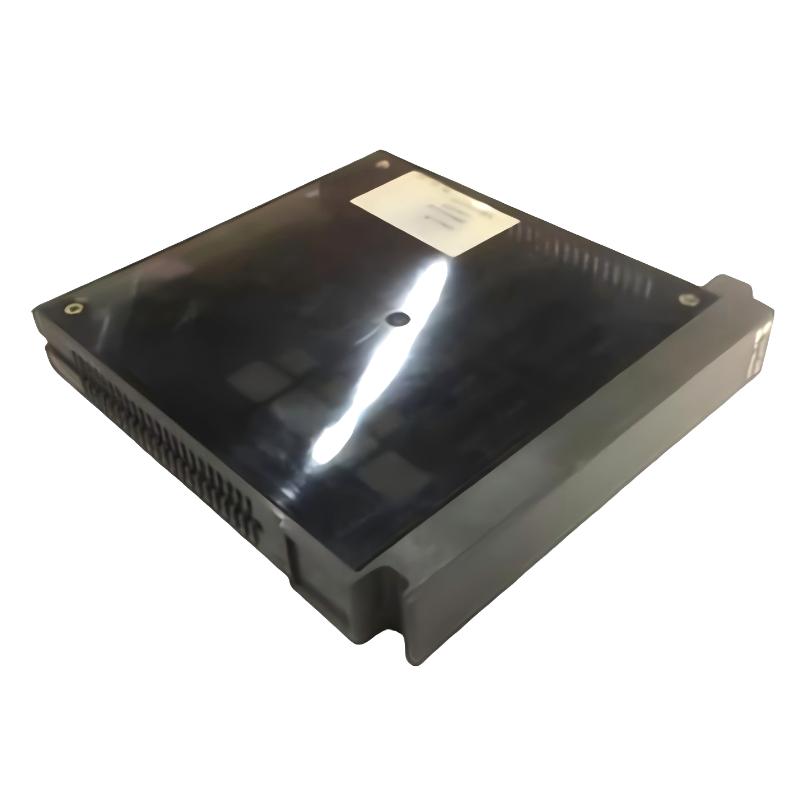
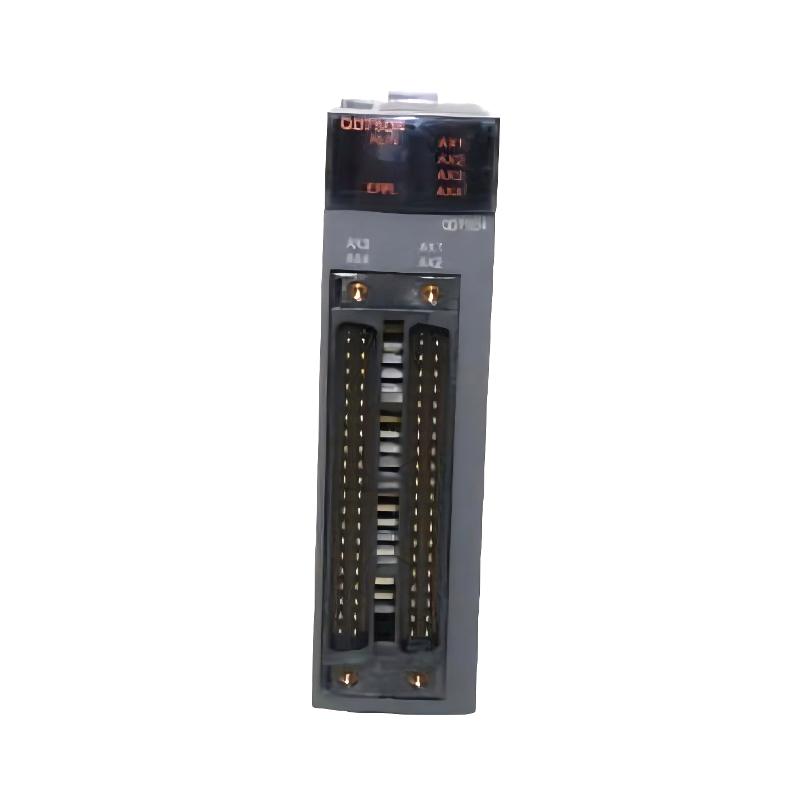
The Yokogawa AFS40D-H4113 Field Control Unit is an industrial controller developed for distributed process automation systems. It provides the processing capability required to manage field device communication, execute control logic, and maintain stable plant operations.
Designed for reliability and integration within complex automation infrastructures, this unit supports the coordination of sensors, actuators, and I/O modules throughout a facility. Its architecture allows engineers to build scalable and efficient control networks while maintaining high system stability.
With its robust design and consistent processing performance, the AFS40D-H4113 plays an important role in maintaining safe and efficient industrial processes.
Technical Specifications
| Specification | Details |
|---|
| Manufacturer | Yokogawa |
| Model Number | AFS40D-H4113 |
| Module Type | Field Control Unit |
| System Integration | Distributed Control Systems (DCS) |
| Function | Field-level process control and automation |
| Installation | Industrial control cabinet |
| Operating Environment | Process automation facilities |
| Dimensions | 207 mm × 265.9 mm × 482.6 mm |
| Weight | 8 kg (17.64 lb) |
Industrial Implementation Examples (Applications)
The Yokogawa AFS40D-H4113 Field Control Unit is designed for distributed process control environments where stable data processing and reliable field device management are essential. It serves as a core controller in automation systems that monitor and regulate plant operations in real time.
Common industrial applications include:
-
Distributed control systems in process industries
-
Oil and gas production and refining facilities
-
Power generation plants and turbine control systems
-
Chemical and petrochemical manufacturing
-
Water treatment and environmental monitoring systems
-
Continuous production lines requiring centralized control of field devices
This control unit helps ensure accurate process control and efficient coordination between field instrumentation and the plant control network.
Performance Benefits (Advantages)
Reliable Field-Level Processing
Manages real-time signals from sensors and I/O modules efficiently.
Industrial System Stability
Designed to support continuous process operations in demanding environments.
Integration with Automation Networks
Works within Yokogawa distributed control infrastructures.
Optimized for Process Industries
Built to handle complex plant automation tasks and monitoring requirements.
Robust Hardware Design
Supports stable long-term operation in industrial control cabinets.
Technical FAQs (Technical FAQs)
1. What is the main function of the AFS40D-H4113 control unit?
It performs field-level control and data processing in distributed automation systems.
2. What types of systems typically use this controller?
It is used in process automation and distributed control system architectures.
3. Can the unit handle real-time industrial processes?
Yes, it is designed for continuous real-time monitoring and control tasks.
4. What devices are typically connected to this unit?
Sensors, actuators, remote I/O modules, and plant network components.
5. Is it suitable for large-scale industrial plants?
Yes, it supports complex automation environments with multiple field devices.
6. How does it contribute to plant efficiency?
By providing accurate process control and stable data processing.
7. Where is the control unit usually installed?
In industrial control cabinets or centralized automation panels.
8. Can it integrate with other Yokogawa automation components?
Yes, it works within Yokogawa distributed control platforms.
9. Is the hardware designed for long-term operation?
Yes, it supports continuous industrial use in demanding environments.
10. Which industries typically deploy this field control unit?
Energy production, oil and gas, chemical processing, and large-scale manufacturing.
 A DCS Q Co., Ltd. - PLC and DCS Industrial Control Equipment Wholesale