Technical Overview (Introduction)
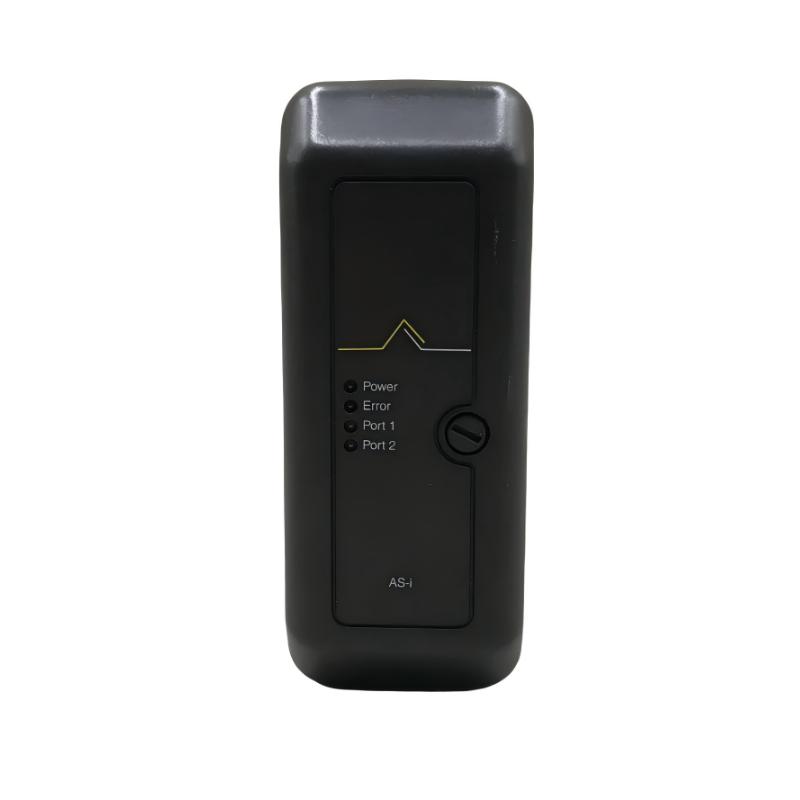
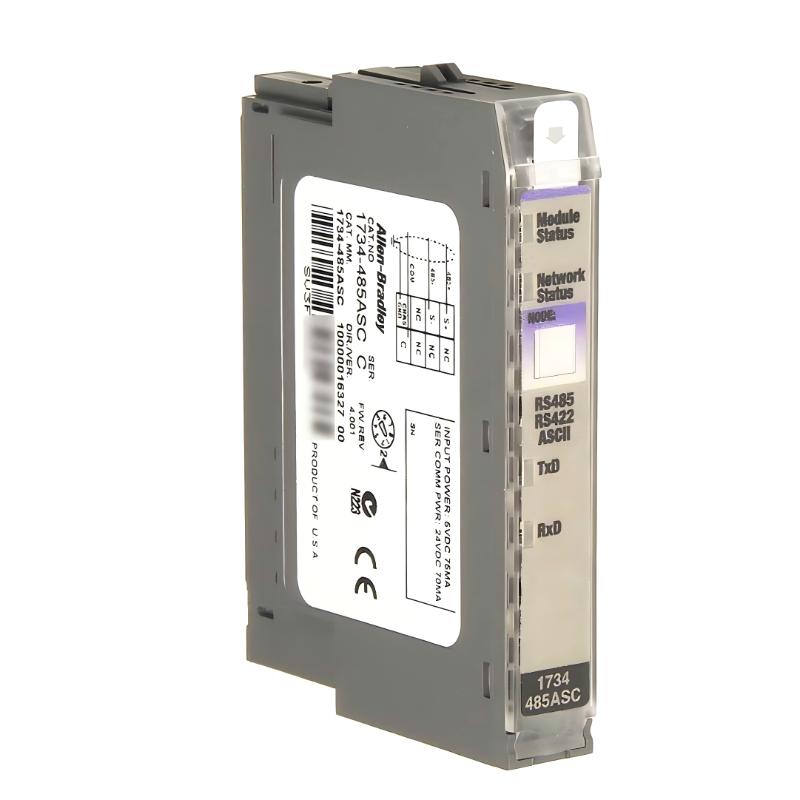
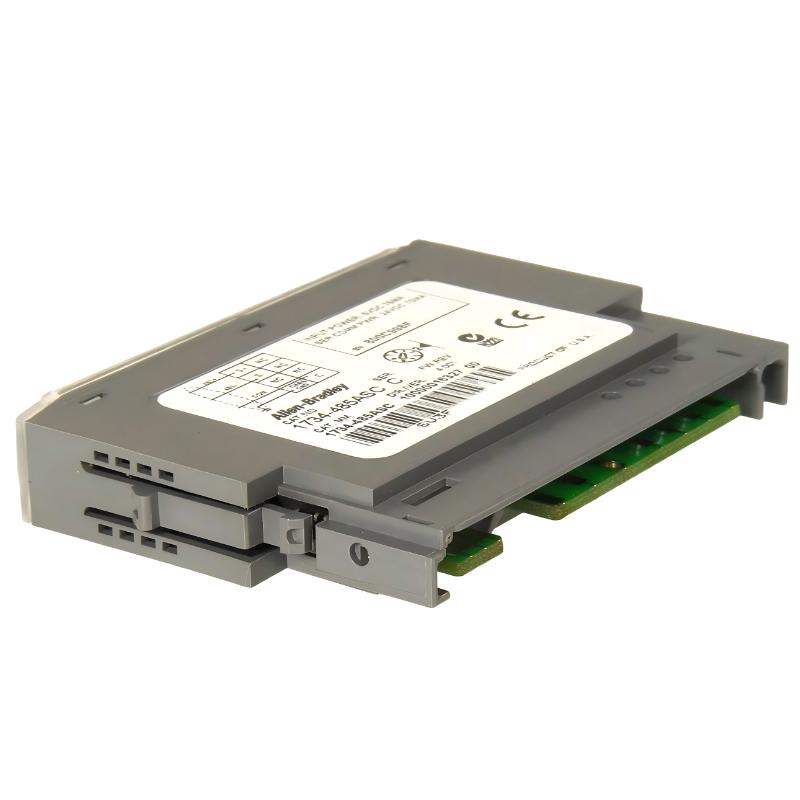
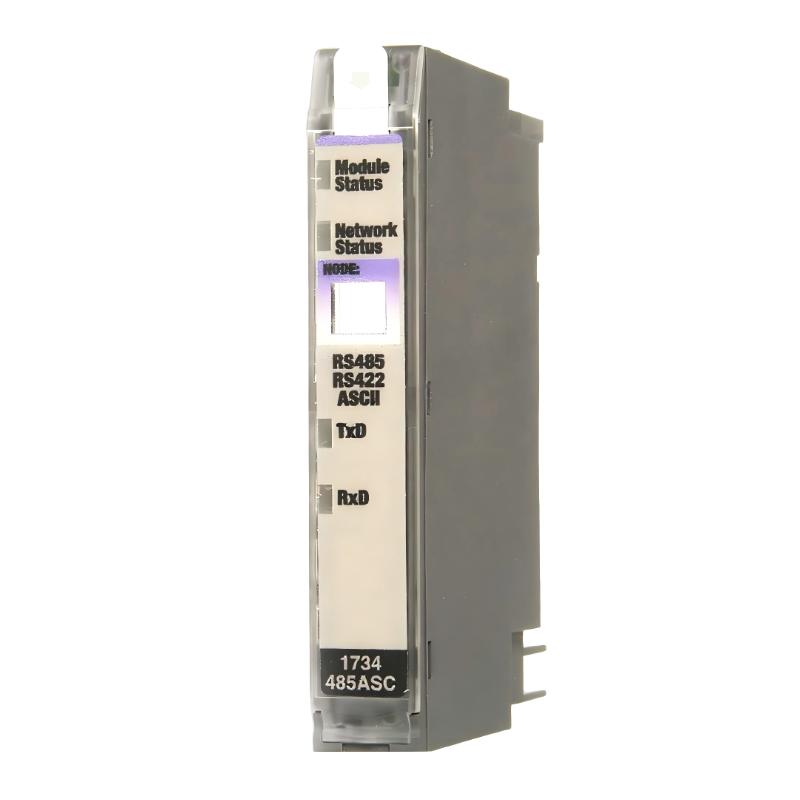
The Allen Bradley 1734-485ASC Communication Interface Module is a compact communication interface designed to integrate RS-485 serial devices into distributed automation systems. As part of the POINT I/O platform, it enables controllers to exchange data with multiple field devices across industrial communication networks.
Its compact design allows efficient use of panel space while maintaining reliable communication performance. The module supports industrial environments where stable data exchange, system flexibility, and integration of serial devices are essential.
By enabling multi-device connectivity and extended communication distances, the 1734-485ASC module helps expand automation system capabilities and supports efficient machine and process control.
Technical Specifications
| Specification | Details |
|---|
| Manufacturer | Allen Bradley |
| Model Number | 1734-485ASC |
| Module Type | Communication Interface Module |
| Communication Standard | RS-485 Serial Communication |
| System Platform | POINT I/O |
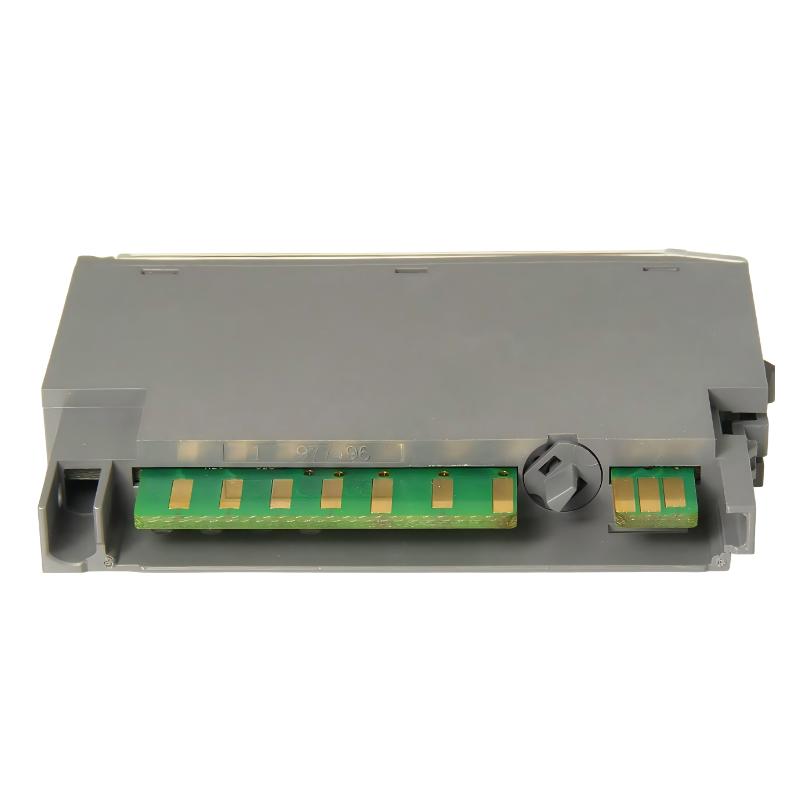
| Installation | POINT I/O base assembly |
| Application | Serial device integration and industrial communication |
| Operating Environment | Industrial |
| Dimensions | 56 mm × 12 mm × 75.5 mm |
| Weight | 0.037 kg (0.08 lb) |
Industrial Use Cases (Applications)
The Allen Bradley 1734-485ASC Communication Interface Module is designed to enable serial communication between distributed I/O systems and industrial devices that operate using RS-485 protocols. It plays an important role in integrating controllers with field instruments, monitoring equipment, and automation components within modern control systems.
Typical application environments include:
-
Factory automation systems requiring RS-485 device connectivity
-
Process control systems in manufacturing plants
-
Communication with drives, meters, and industrial sensors
-
Integration of serial devices into PLC-based automation architectures
-
Machine-level data exchange within distributed I/O networks
-
Industrial data acquisition and monitoring systems
This module allows seamless communication between controllers and multiple serial devices across industrial networks.
Core Strengths and Advantages (Advantages)
RS-485 Communication Support
Provides stable multi-device serial communication across industrial networks.
Compact POINT I/O Form Factor
Slim design fits efficiently within distributed I/O assemblies.
Reliable Data Exchange
Ensures consistent communication between controllers and serial field devices.
Flexible System Integration
Works within modern PLC and distributed control environments.
Industrial-Grade Reliability
Designed for continuous operation in demanding automation conditions.
Technical FAQs (Technical FAQs)
1. What is the primary function of the 1734-485ASC module?
It enables RS-485 serial communication within a distributed I/O system.
2. Which automation platform typically uses this module?
It is part of the POINT I/O distributed automation platform.
3. What type of devices can connect through this module?
Industrial devices such as drives, meters, sensors, and controllers using RS-485.
4. How does it communicate with the main controller?
Through the POINT I/O network connected to the PLC or automation controller.
5. Is RS-485 suitable for multi-device communication?
Yes, RS-485 supports multiple devices on a single communication line.
6. Can this module be used in machine-level automation systems?
Yes, it is commonly used in machine automation and process systems.
7. Does the module support continuous industrial operation?
Yes, it is designed for reliable long-term industrial use.
8. What is the benefit of using RS-485 instead of RS-232?
RS-485 allows longer communication distances and multi-device networking.
9. Is it suitable for integrating legacy serial devices?
Yes, it helps connect existing RS-485 equipment to modern automation systems.
10. Which industries commonly use this interface module?
Manufacturing, packaging, energy, water treatment, and process industries.
 A DCS Q Co., Ltd. - PLC and DCS Industrial Control Equipment Wholesale