Industrial Actuation and Process Control Applications
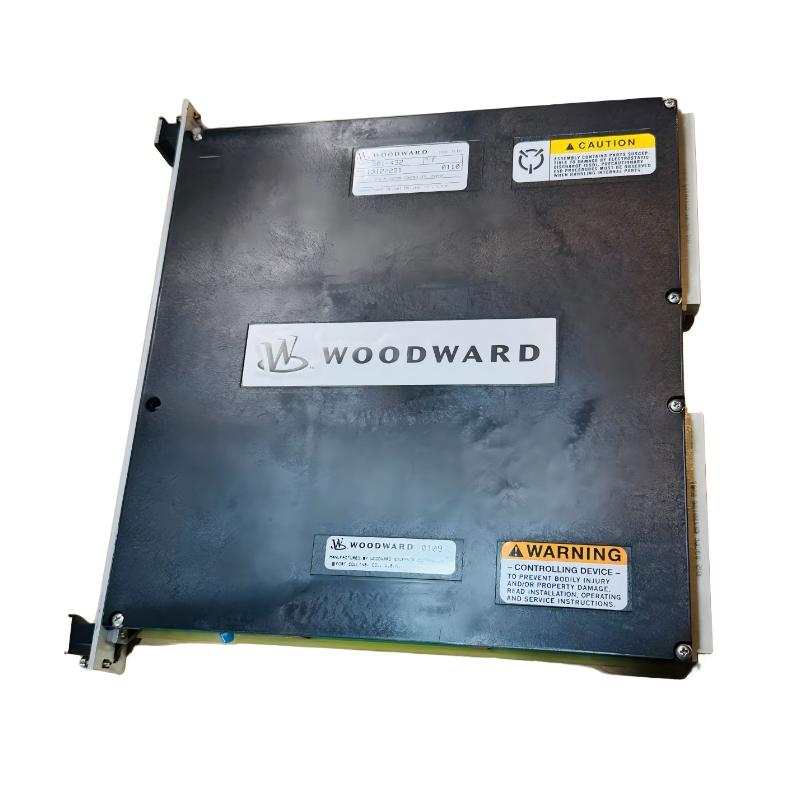
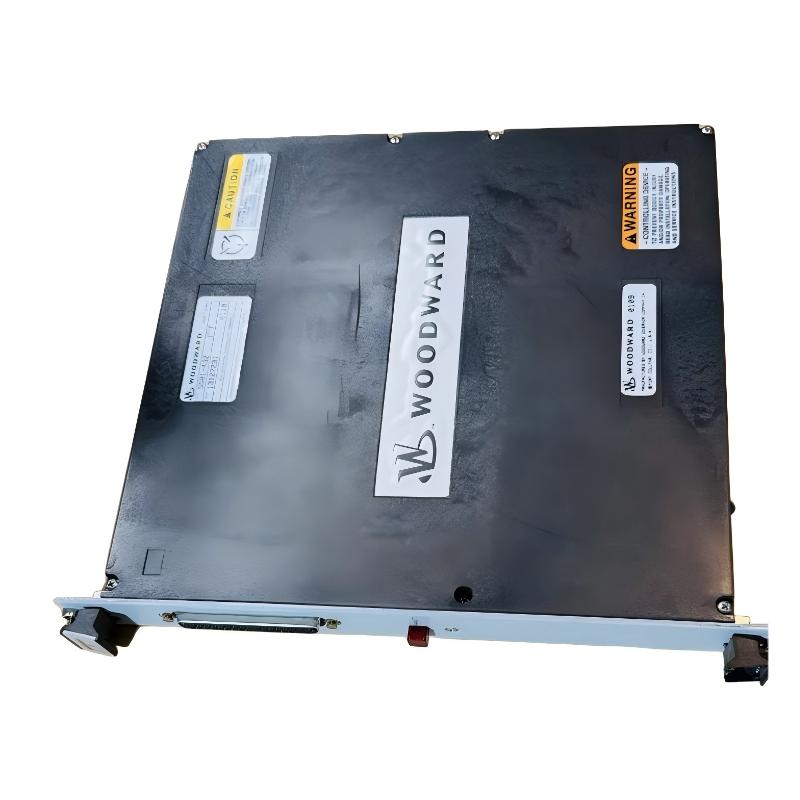
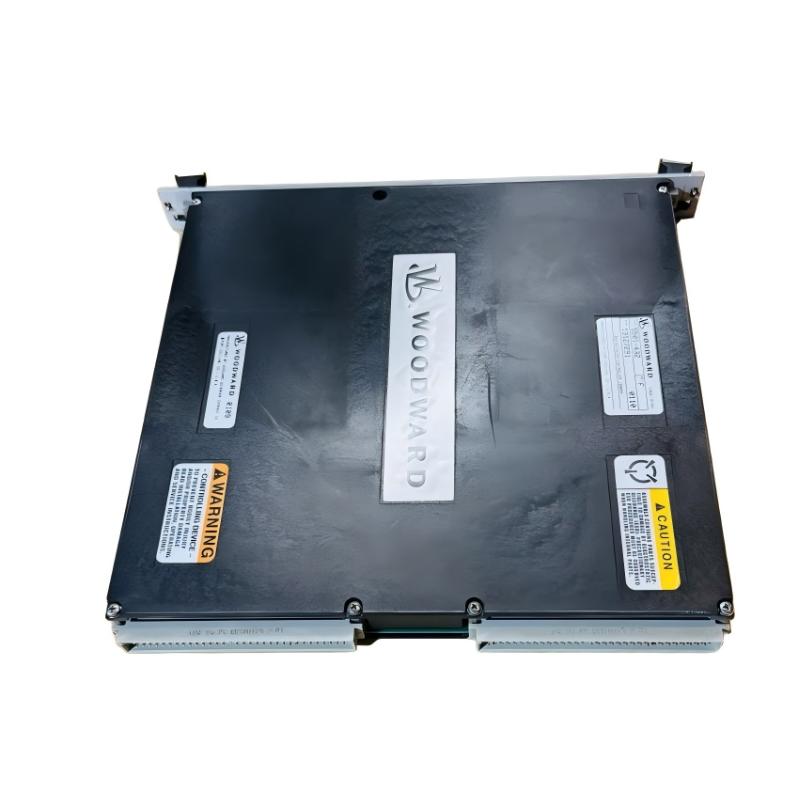
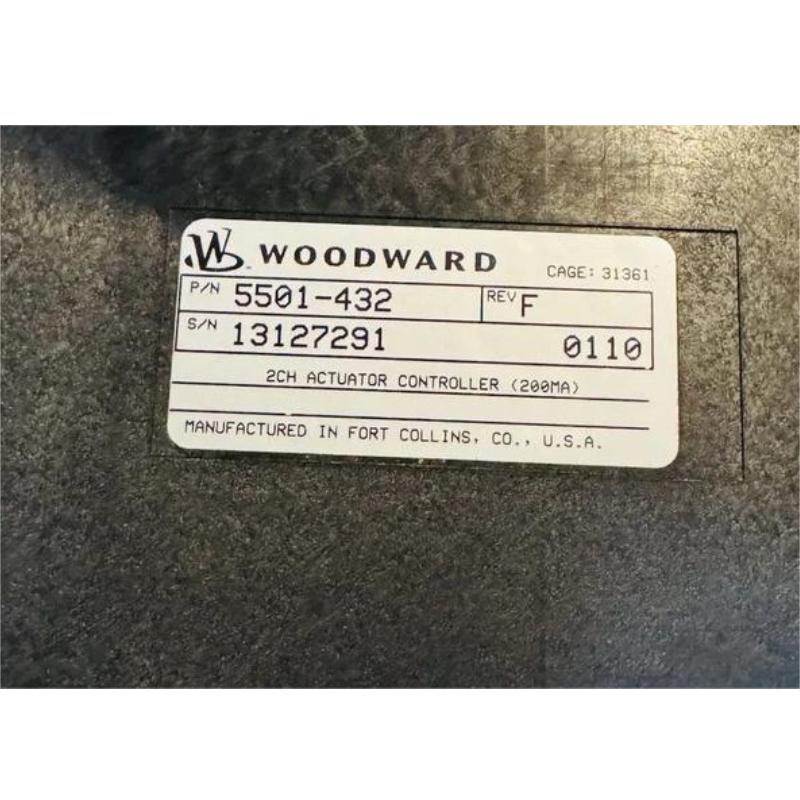
The Woodward 5501-432 Actuator Control Module is engineered to provide precise control of actuators in industrial automation, turbine, and engine control systems. It regulates actuator position, processes control signals, and communicates with central controllers, ensuring accurate and reliable operation of valves, dampers, and other actuator-driven devices.
This module is ideal for environments requiring fast, real-time response and tight integration with distributed control systems.
Typical applications include:
-
Positioning hydraulic, pneumatic, or electric actuators in turbines and engines
-
Process control of valves and dampers in industrial automation systems
-
Integration with Woodward distributed control networks for centralized supervision
-
Real-time monitoring of actuator performance and feedback signals
-
Supporting diagnostics and preventive maintenance through actuator data acquisition
Its design ensures dependable performance, precise control, and operational stability under demanding industrial conditions.
Key Advantages
High-Precision Actuation
Provides accurate positioning and consistent control for hydraulic, pneumatic, and electric actuators.
Seamless Integration
Works efficiently with Woodward controllers and distributed automation networks.
Industrial-Grade Reliability
Built for stable operation in harsh environments and electrically noisy conditions.
Real-Time Control and Feedback
Processes signals with minimal latency for immediate actuator response.
Compact and Durable Design
Optimized for installation in control cabinets or near actuator assemblies without sacrificing reliability.
Technical FAQs
1. What is the main function of the 5501-432 module?
It controls actuators by managing position, processing signals, and communicating with the central control system.
2. Which types of actuators are supported?
Hydraulic, pneumatic, and electric actuators.
3. Can it provide real-time feedback on actuator position?
Yes, it offers continuous monitoring and status feedback for precise control.
4. Where is the module installed?
Inside control cabinets or near actuator assemblies.
5. Is it suitable for noisy industrial environments?
Yes, it is designed for reliable operation in electrically harsh conditions.
6. How does it enhance system reliability?
By providing precise, repeatable actuator control and real-time monitoring.
7. Can it integrate with distributed control systems?
Yes, it interfaces seamlessly with Woodward DCS and remote controllers.
8. Does it support fast real-time control?
Yes, it processes and adjusts actuator positions with minimal latency.
9. Is it suitable for safety-critical systems?
Yes, its precise control and feedback capabilities make it ideal for critical applications.
10. Why is precise actuator control critical?
Accurate control ensures proper process operation, enhances efficiency, and reduces wear on mechanical components.
 A DCS Q Co., Ltd. - PLC and DCS Industrial Control Equipment Wholesale