Introduction
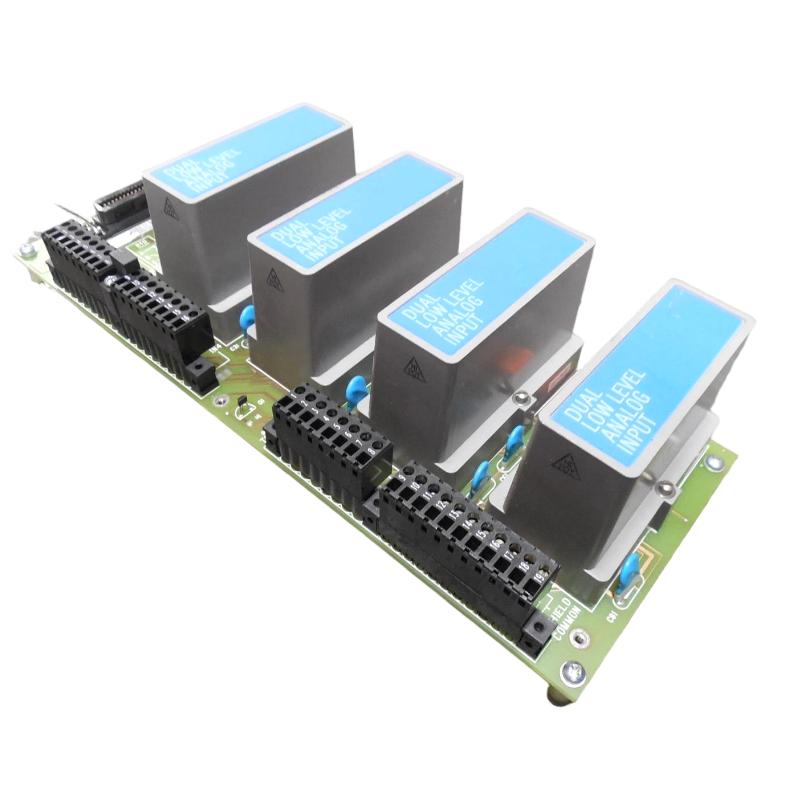
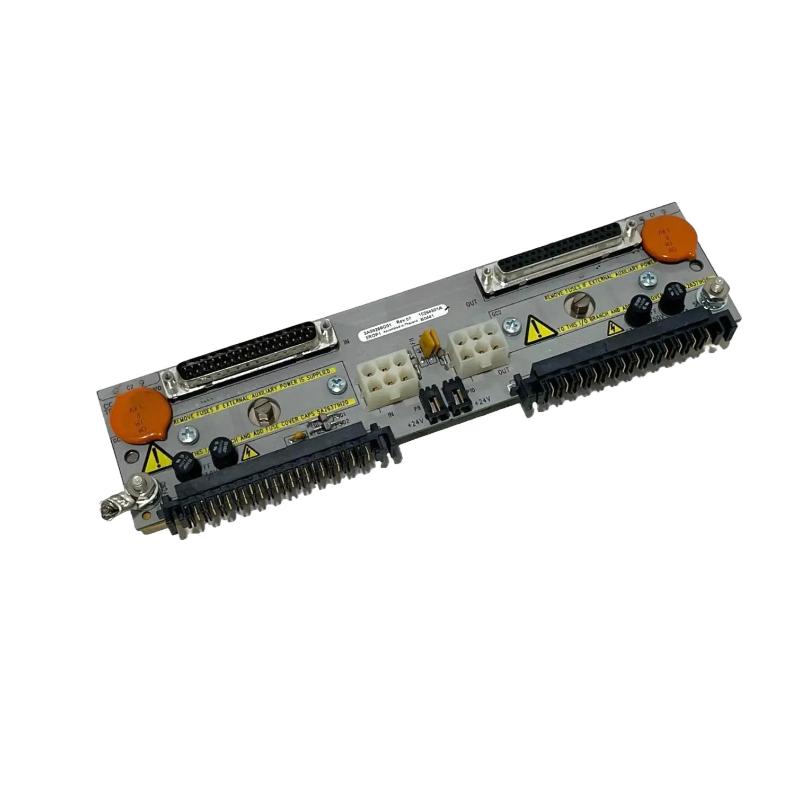
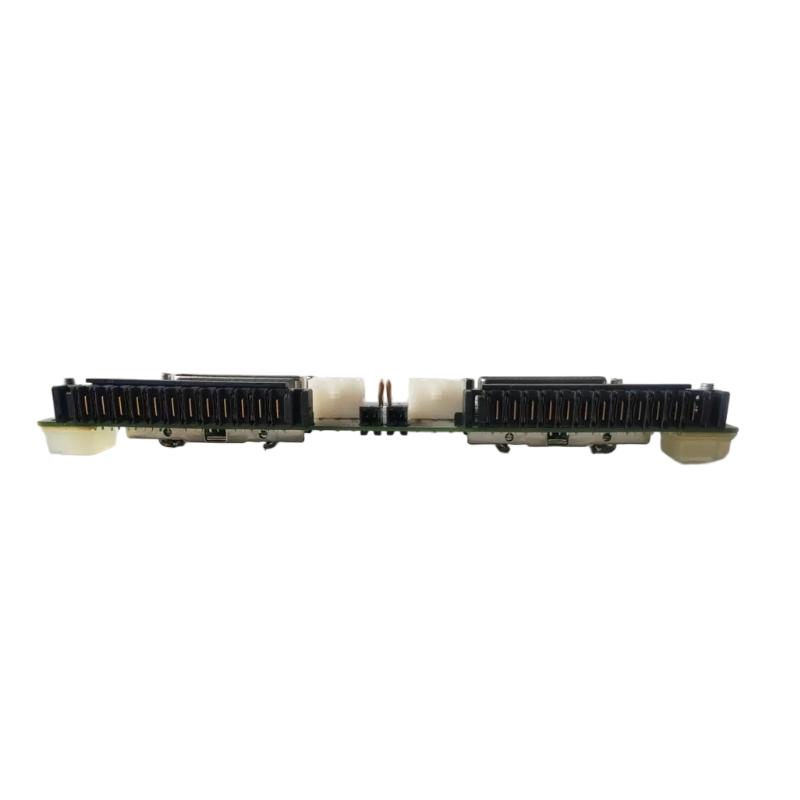
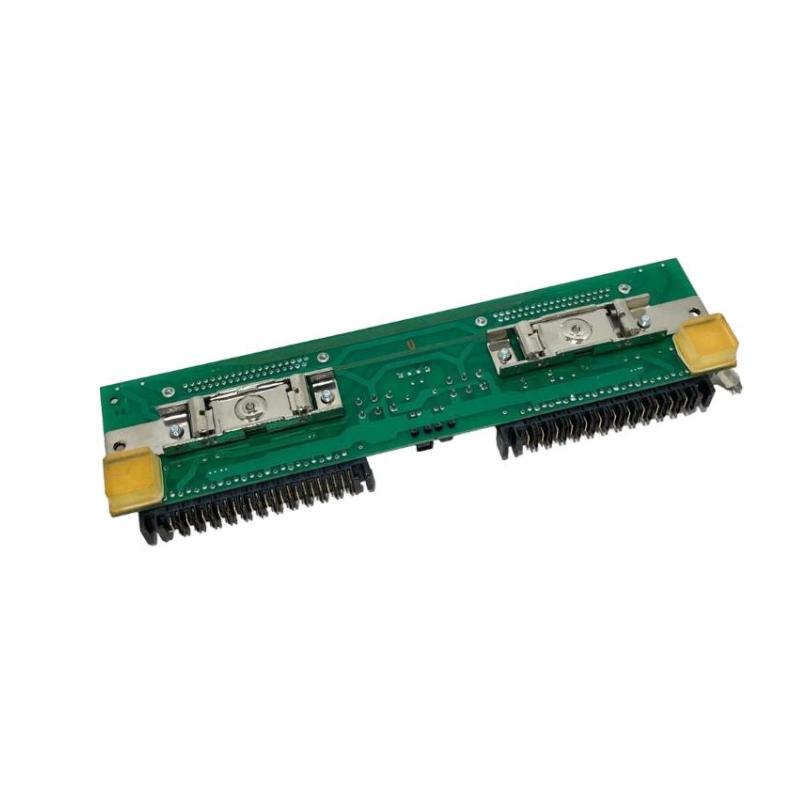
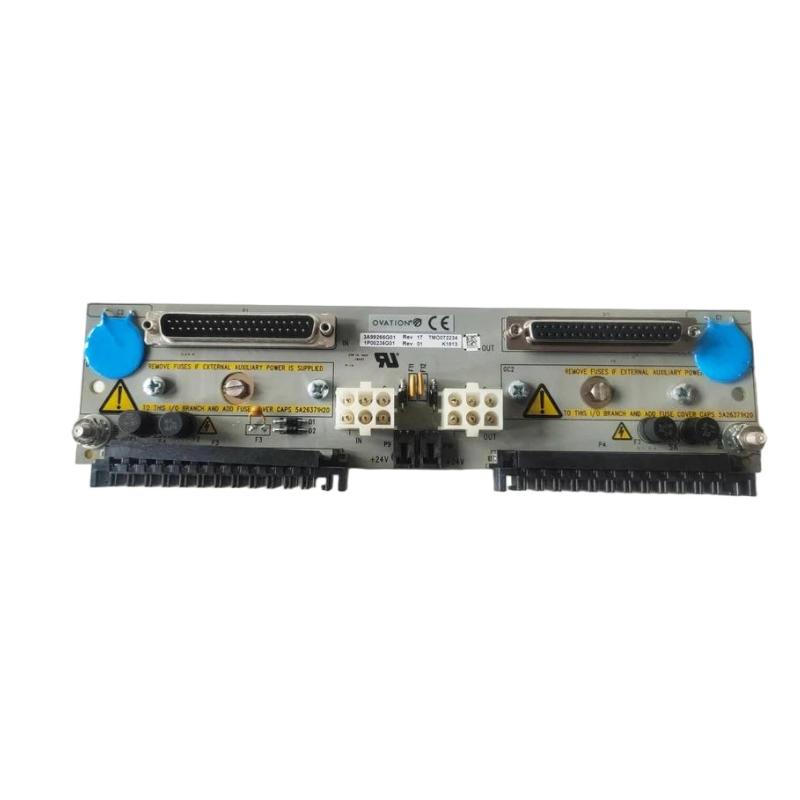
The Ovation 3A99266G01 Local I/O Transition Panel is a rugged interface assembly designed to support field connection and signal distribution between process instruments and the Emerson Ovation Distributed Control System (DCS). Serving as a structured termination point, this transition panel provides organized and reliable access to system I/O wiring, simplifying installation, maintenance, and troubleshooting in industrial control environments.
By offering clear segregation of local field terminations and control system interfaces, the panel helps improve wiring clarity, reduce signal interference, and streamline commissioning activities. It’s commonly deployed in power plants, process facilities, and large‑scale industrial automation systems where robust field connections are critical.
Technical Specifications
| Specification | Details |
|---|
| Model | 3A99266G01 |
| Manufacturer | Emerson Ovation |
| Product Type | Local I/O Transition Panel |
| System Compatibility | Ovation Distributed Control System |
| Function | Field signal termination and distribution |
| I/O Capacity | Supports multiple analog and digital signal paths |
| Terminal Type | Screw or spring‑clamp terminal blocks |
| Panel Mounting | Floor or wall mount enclosure |
| Enclosure Material | Powder‑coated steel or industrial grade |
| Environmental Rating | NEMA / IP equivalent for indoor control room use |
| Operating Temperature | 0 °C to 60 °C |
| Storage Temperature | ‑40 °C to 85 °C |
| Relative Humidity | 5–95 % non‑condensing |
| Cable Entry | Bottom or side cable gland access |
| Connectivity | Field cable terminals to Ovation system backplane connectors |
| Weight | Varies by configuration (typically 10–25 kg) |
| Wire Management | Integrated ducting and labeling provisions |
Applications
Control Room Field Termination
Provides central termination and distribution points for analog and digital field instrument cables inside control room wiring cabinets.
Field Instrument Interface
Facilitates connection of local instrument loops — such as flow, pressure, level, and temperature — to the Ovation DCS I/O network.
Maintenance and Troubleshooting
Simplifies signal isolation, monitoring, and loop checks by providing accessible terminal points for field wiring.
Industrial Automation Systems
Used in large manufacturing, petrochemical, and utility facilities where structured wiring and clear I/O demarcation are required.
Plant Expansion Projects
Adds organized field connection capacity when upgrading or expanding control systems.
Advantages
Organized Field Wiring
Provides a consolidated I/O termination point that improves clarity and reduces wiring errors.
Robust Industrial Construction
Designed for control room or sheltered industrial environments with durable mounting and enclosure features.
Simplifies Maintenance
Accessible terminals allow technicians to quickly isolate, test, and service field loops.
Improved Signal Management
Segregates analog and digital connections to reduce noise coupling and improve measurement fidelity.
Flexible Configuration
Multiple terminal block layouts and enclosure options support different signal mixes and cable entry methods.
Technical FAQs
1. What is the Ovation 3A99266G01 used for?
It is a local transition panel that provides a centralized termination point between field cables and the Ovation control system.
2. What types of signals can be routed through this panel?
Both analog and digital signals from field instruments can be routed through the panel.
3. How does it improve system wiring?
By providing organized terminal blocks and cable ducts that simplify identifying, labeling, and servicing field connections.
4. Where is this panel typically installed?
Typically installed in control rooms, marshalling areas, or instrument cabinets near field termination points.
5. What environmental conditions can it operate in?
Designed for indoor industrial environments between 0 °C and 60 °C with 5–95 % non‑condensing humidity.
6. Can the panel be customized?
Yes — terminal types and wire management layouts can be adapted to support different field wiring needs.
7. Does it support surge protection?
Optional surge protection devices can be integrated based on site requirements.
8. What mounting options are available?
Floor mounting and wall mounting options are common depending on plant layout and cable routing.
9. What materials are used in construction?
Typically powder‑coated steel or industrial grade metal with secure fasteners and accessible covers.
10. Is this panel compatible with other control systems?
While designed for Ovation, similar transition panels can be configured for other industrial DCS platforms with appropriate connector layouts.
 A DCS Q Co., Ltd. - PLC and DCS Industrial Control Equipment Wholesale