Industrial Network Interface Applications
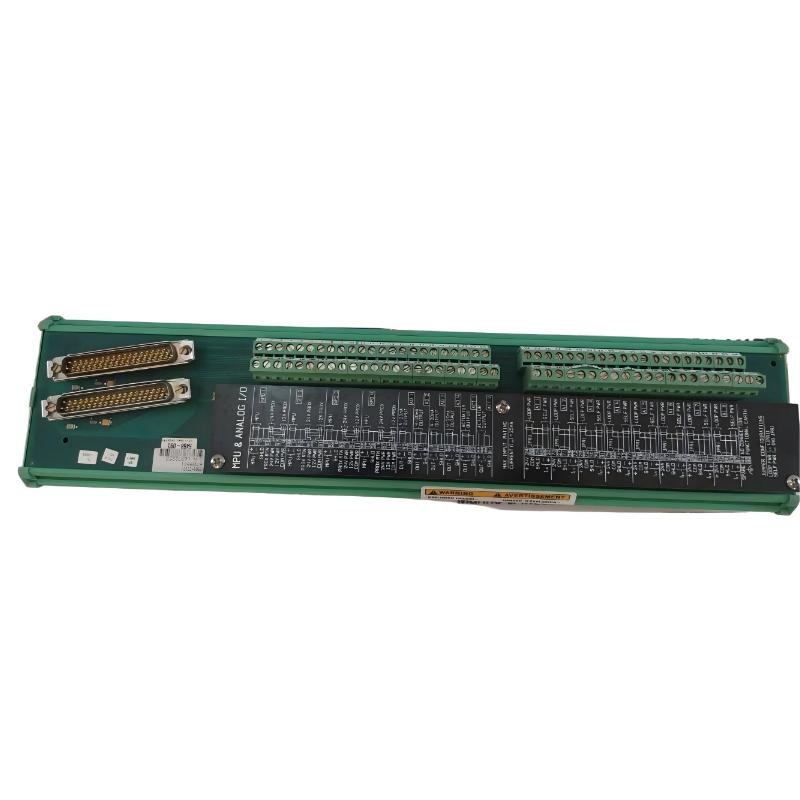
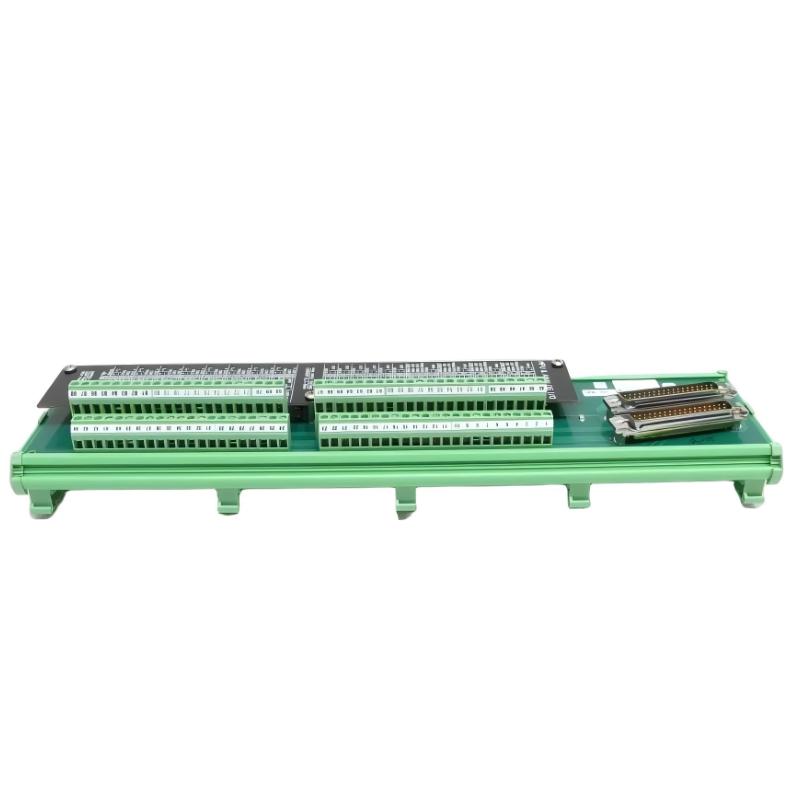
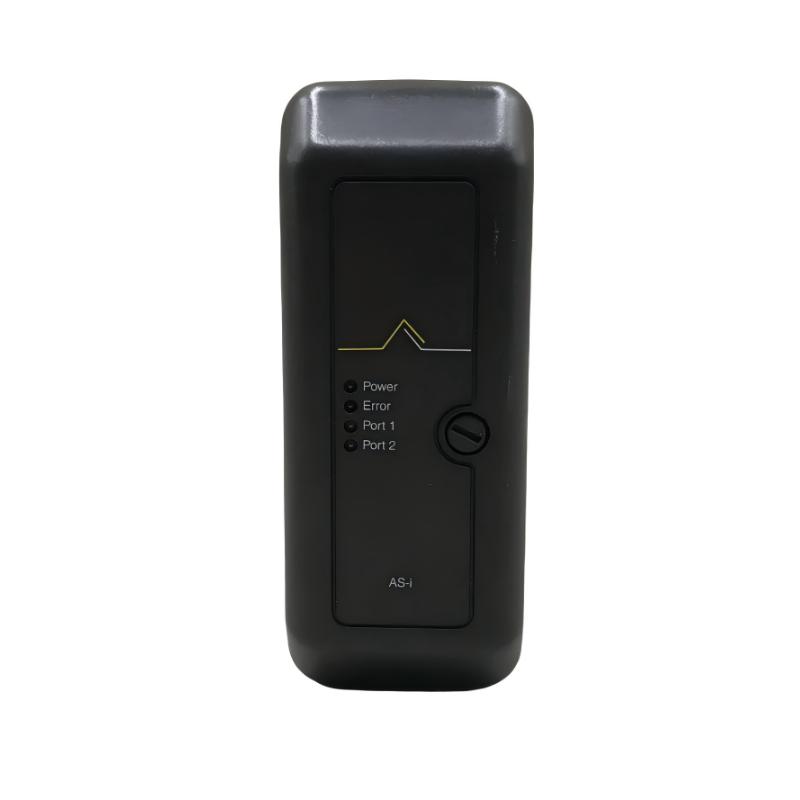
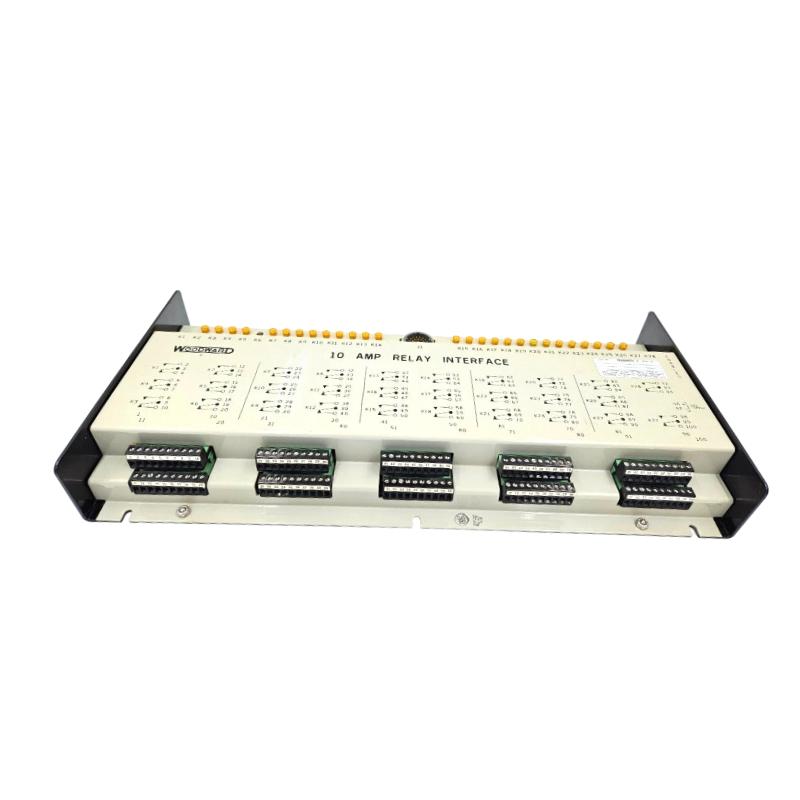
The Woodward 5501-371 Micronet Simplex Interface Module is designed to facilitate communication between Micronet networks and Woodward control systems. It provides reliable signal routing, processing, and monitoring for real-time control applications in industrial automation and engine control systems.
This module is ideal for setups where multiple controllers and devices must communicate over a centralized network with low latency and high reliability.
Typical applications include:
-
Integration of Micronet field devices with central Woodward controllers
-
Real-time monitoring and control of turbines, generators, and engines
-
Network signal routing and diagnostics
-
Redundant or simplex communication links in industrial automation
-
Remote monitoring and maintenance via Micronet-enabled networks
Its robust design ensures high reliability and accurate data exchange in demanding industrial environments.
Key Advantages
Reliable Network Communication
Ensures accurate routing of Micronet signals to and from control systems.
Seamless Integration
Interfaces efficiently with Woodward controllers and networked field devices.
Real-Time Data Transmission
Supports low-latency communication for critical process control.
Robust Industrial Design
Built to operate reliably under harsh environmental conditions.
Redundant and Simplex Support
Flexible configuration options for redundancy or simplex operation in networked systems.
Technical FAQs
1. What is the main function of the 5501-371 module?
It acts as an interface between Micronet networks and Woodward control systems, routing and processing signals.
2. Can it operate in electrically noisy environments?
Yes, it is designed for reliable communication in industrial settings.
3. Which devices can it connect?
Micronet-enabled field devices and Woodward controllers.
4. Does it support real-time process monitoring?
Yes, it ensures low-latency signal transmission for real-time control.
5. Where is the module installed?
Inside control cabinets or network enclosures within industrial systems.
6. Can it support redundant communication networks?
Yes, it can be configured for simplex or redundant network operation.
7. How does it improve system reliability?
By providing robust and accurate network signal routing and monitoring.
8. Is it compatible with multiple control units?
Yes, it can interface with several Woodward controllers simultaneously.
9. Can it assist in system diagnostics?
Yes, it allows monitoring and troubleshooting of networked devices.
10. Why is network interface accuracy important?
Accurate signal routing ensures timely control actions, system stability, and reliable process monitoring.
 A DCS Q Co., Ltd. - PLC and DCS Industrial Control Equipment Wholesale