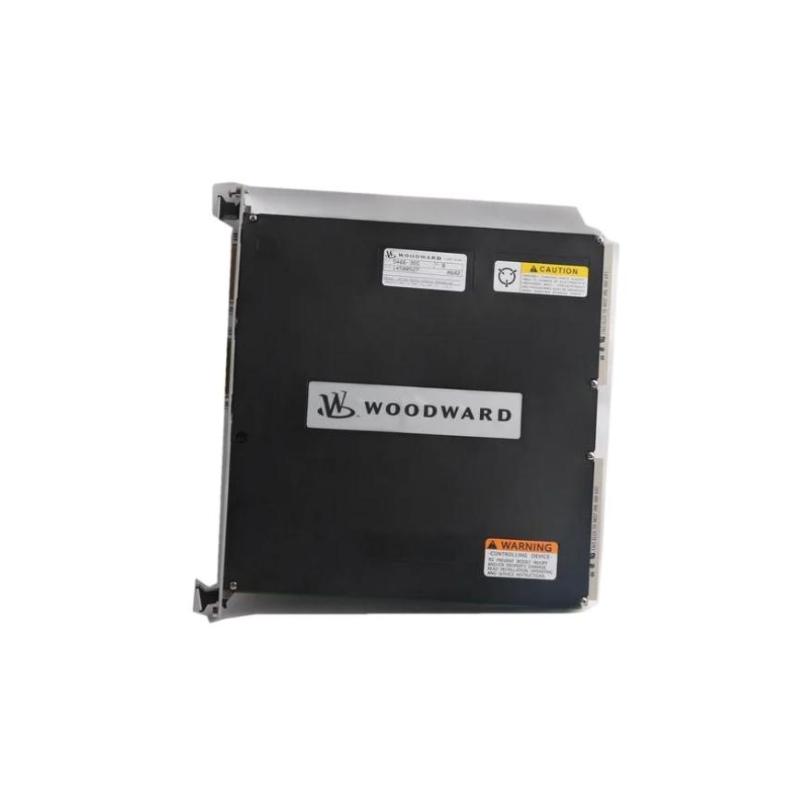
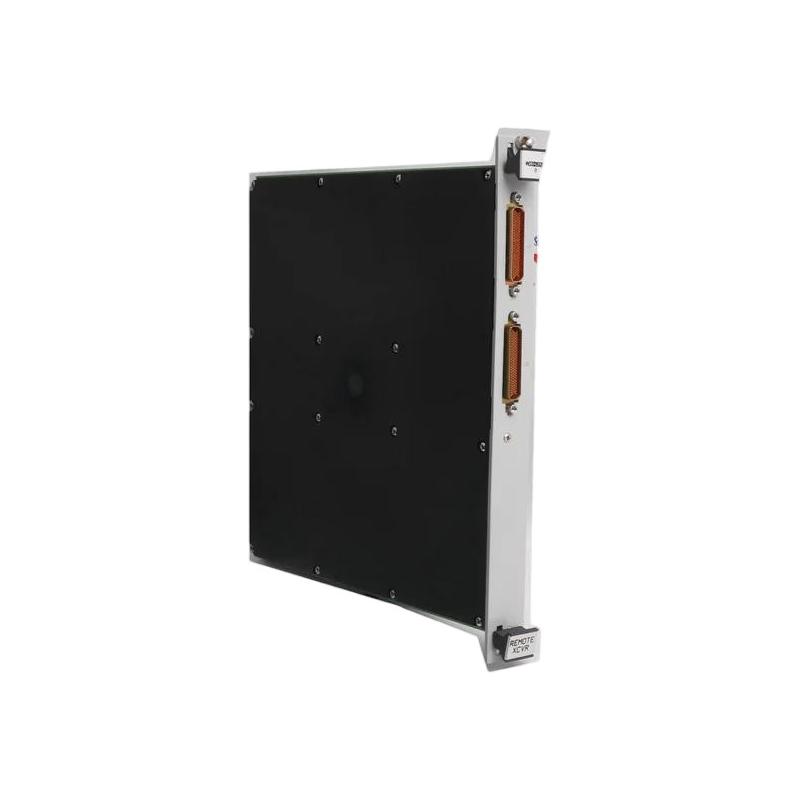
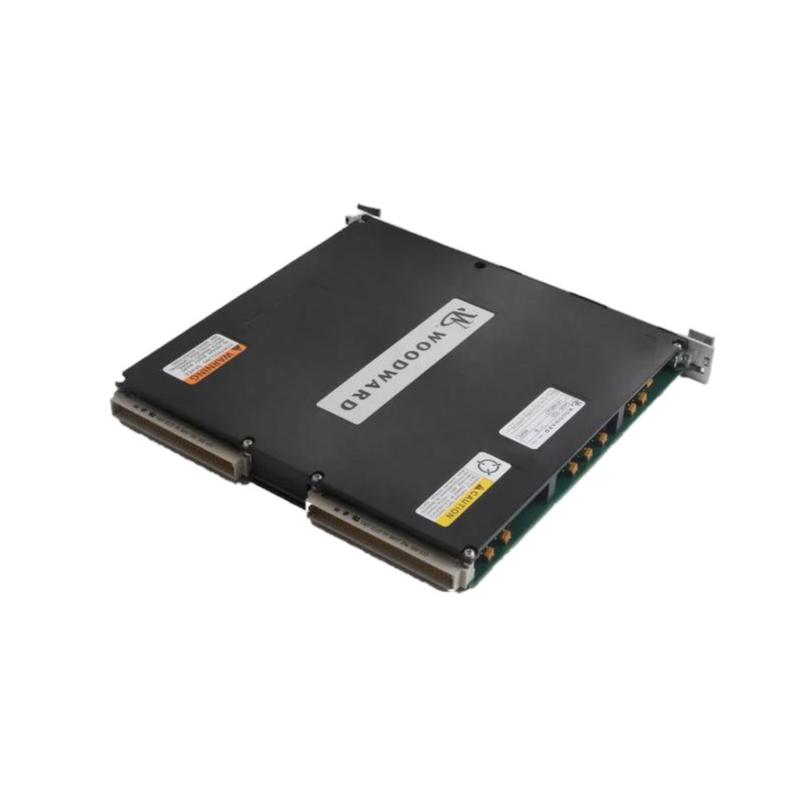
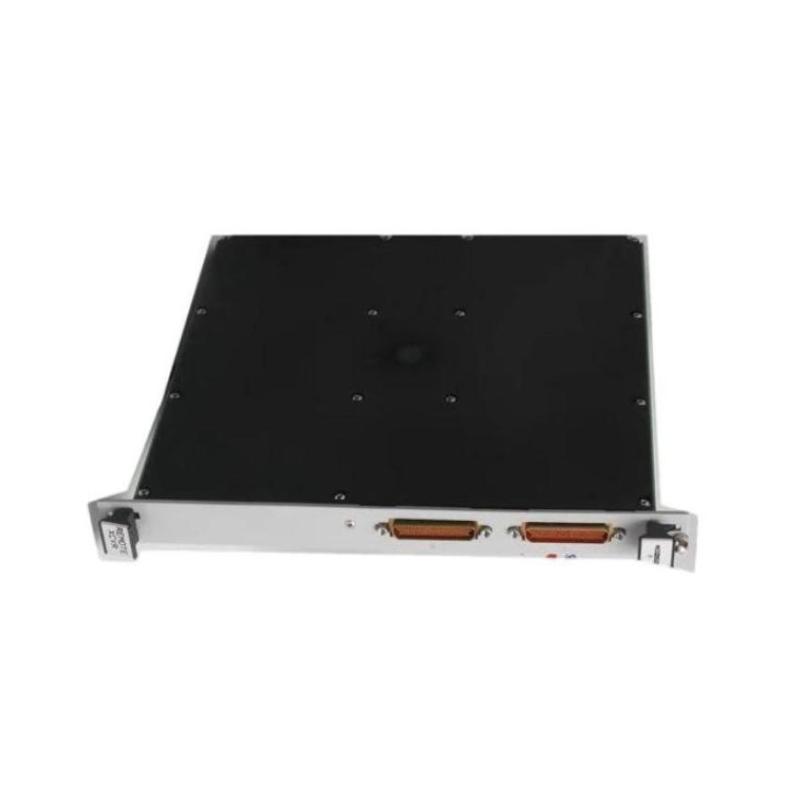
Product Overview
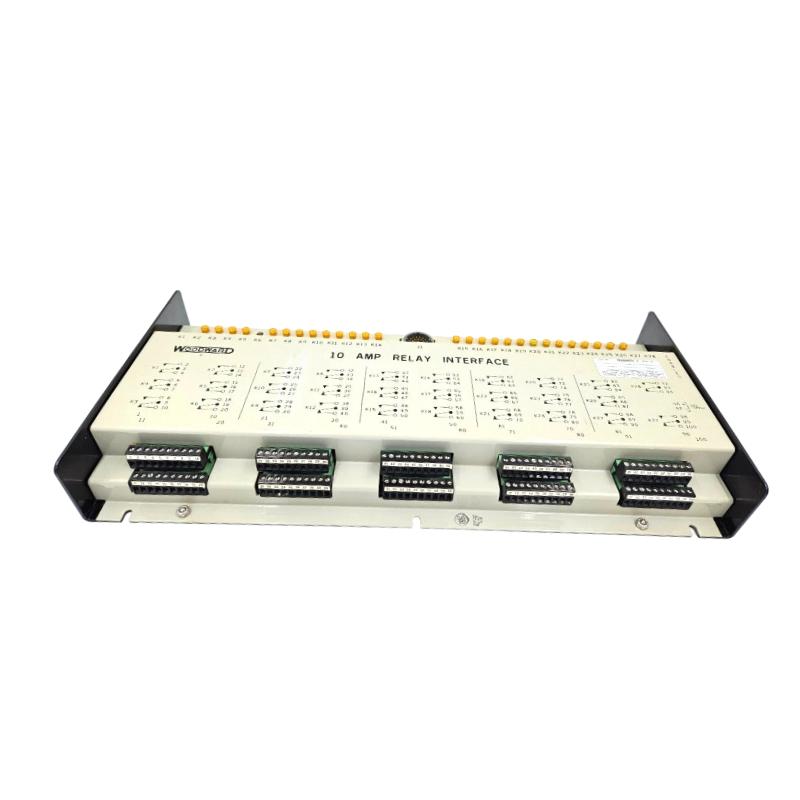
The Woodward 5466-355 Remote Chassis Transceiver is a robust industrial communication module designed for reliable bidirectional data transfer between remote field units and central control systems. Its ability to handle remote signal acquisition with low latency ensures real-time monitoring, diagnostics, and control in distributed automation environments.
Engineered for industrial durability, it integrates easily into remote chassis or control enclosures while maintaining reliable performance in harsh environments. This module is essential for distributed control applications requiring precise and continuous data communication.
Technical Specifications
| Parameter | Specification |
|---|
| Product Model | 5466-355 |
| Product Type | Remote Chassis Transceiver |
| Manufacturer | Woodward |
| Functional Role | Bidirectional Data Communication for Remote Units |
| System Compatibility | Woodward Main Units and Remote Field Devices |
| Installation Type | Remote Chassis / Control Cabinet |
| Dimensions | 245 × 25 × 261 mm |
| Weight | 0.73 kg (1.611 lb) |
Industrial Remote Communication Applications
The Woodward 5466-355 Remote Chassis Transceiver is designed to enable reliable communication between remote field units and the main control system. As a transceiver, it handles both transmission and reception of signals, providing accurate, low-latency data exchange essential for process automation and engine control applications.
This module is ideal for setups where remote devices must communicate with central controllers over longer distances or in electrically noisy environments.
Common applications include:
-
Remote engine and turbine monitoring and control
-
Data exchange between distributed field devices and main units
-
Redundant communication networks for critical industrial systems
-
Real-time signal acquisition for diagnostics and control
-
Integration of remote I/O modules into Woodward automation systems
Its design ensures reliable operation in industrial environments while supporting precise signal management.
Key Advantages
Bidirectional Remote Communication
Enables sending and receiving signals to and from remote field devices.
High Reliability
Maintains stable communication in harsh and electrically noisy industrial environments.
Supports Distributed Automation
Facilitates integration of remote units into centralized control systems.
Compact, Durable Design
Engineered for installation in limited-space remote chassis or control enclosures.
Low-Latency Data Transmission
Ensures timely delivery of real-time process signals for control and monitoring.
Technical FAQs
1. What is the primary function of the 5466-355 module?
It serves as a transceiver to provide bidirectional communication between remote field units and the main control system.
2. Can it handle electrically noisy environments?
Yes, it is built for reliable communication even under significant industrial electrical noise.
3. Which devices is it compatible with?
Woodward main units and compatible remote field devices.
4. What types of data does it transmit?
Process measurements, control commands, and diagnostic signals.
5. Where is the module installed?
In remote chassis, field enclosures, or control cabinets.
6. Does it support continuous operation?
Yes, it is designed for long-term, uninterrupted industrial use.
7. Can it integrate with distributed control networks?
Yes, it facilitates connection of remote devices to centralized Ovation or Woodward systems.
8. How does it improve system reliability?
By enabling redundant communication paths and accurate signal transmission.
9. Is it suitable for high-speed process monitoring?
Yes, it supports low-latency communication for real-time monitoring and control.
10. Why is remote transceiver functionality important?
It allows critical data exchange between distributed devices and central controllers, enabling reliable and timely control decisions.
 A DCS Q Co., Ltd. - PLC and DCS Industrial Control Equipment Wholesale