Typical Engineering Applications (Applications)
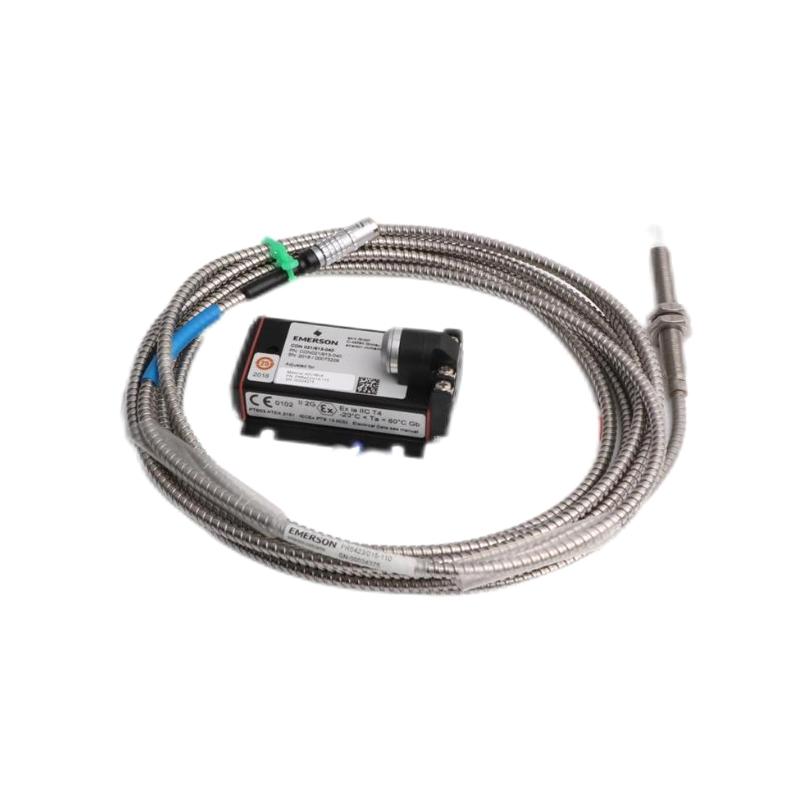
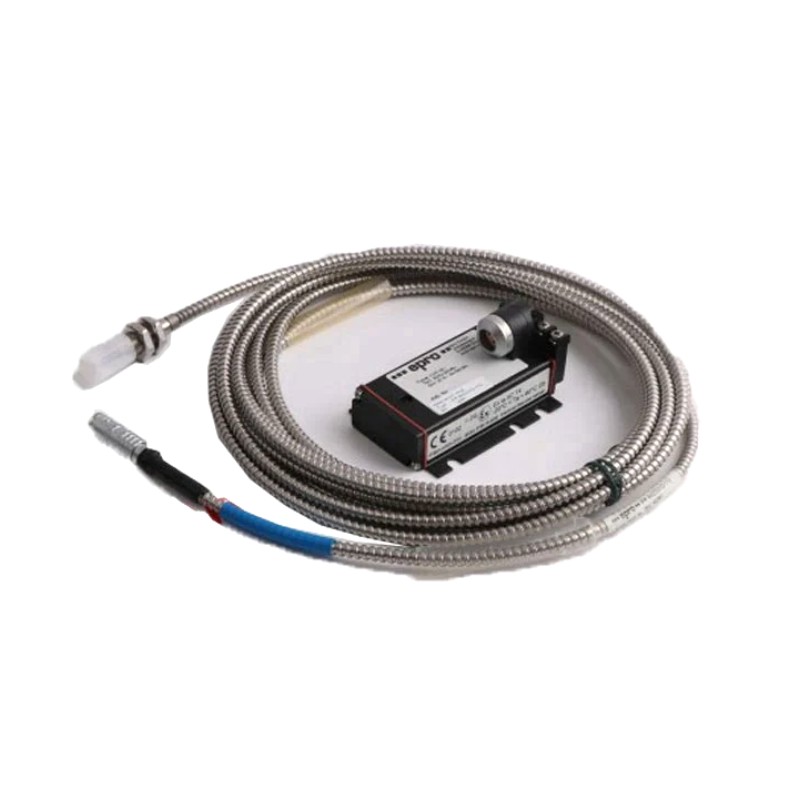
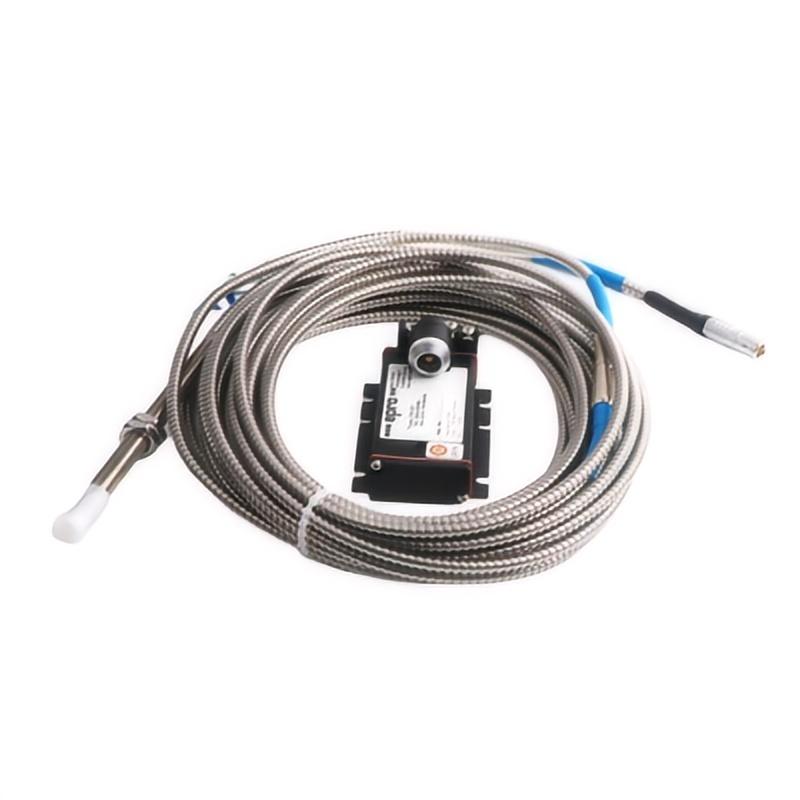
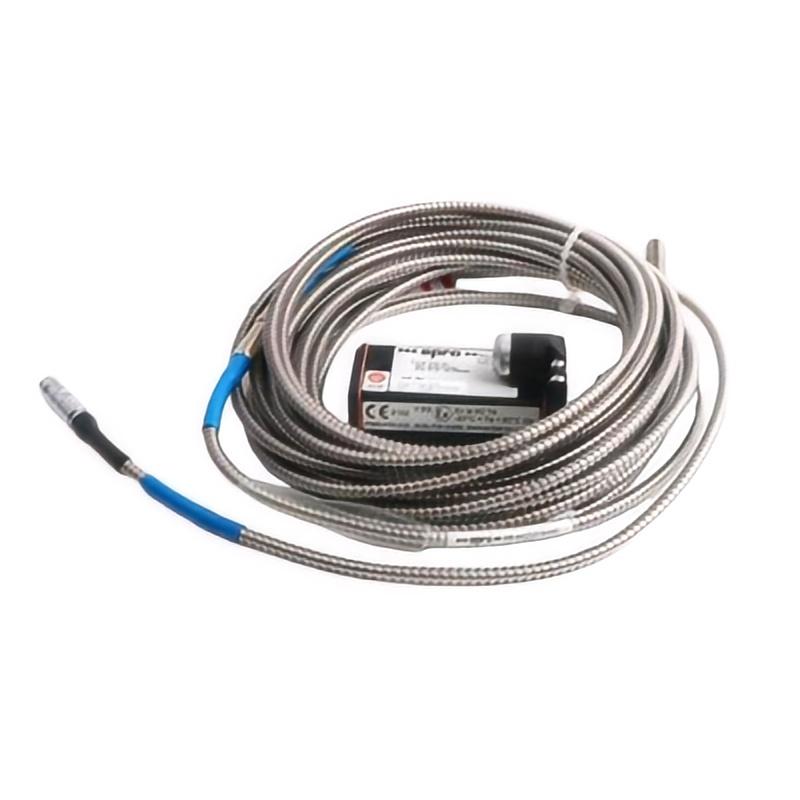
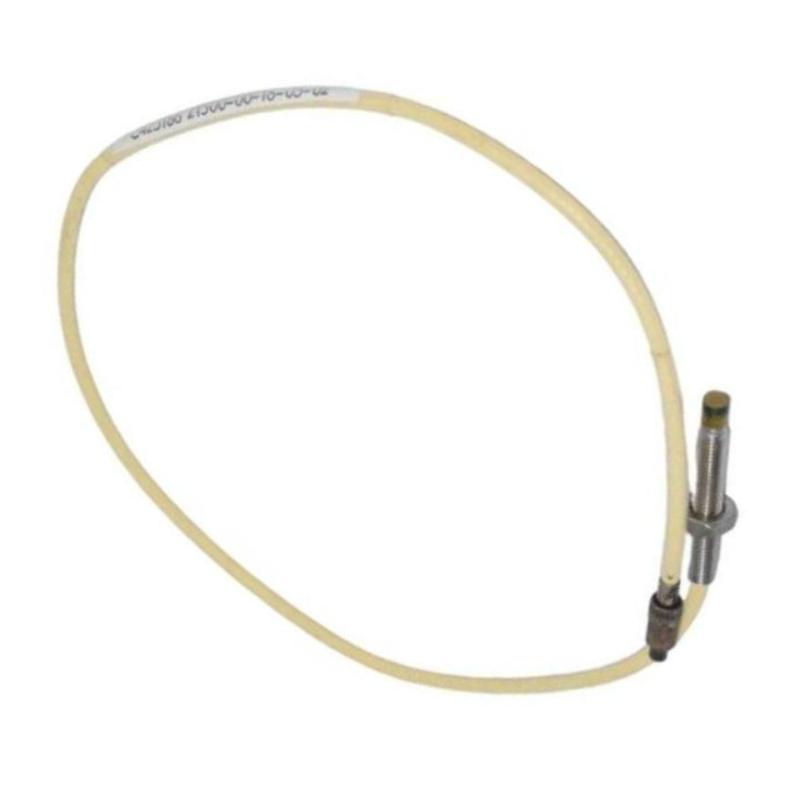
The Epro PR6423/000-031 Eddy Current Sensor is designed for high-precision, non-contact measurement in rotating machinery. It is widely used in critical monitoring systems where accurate detection of displacement and vibration is essential for operational safety and efficiency.
Common applications include:
-
Shaft vibration monitoring in steam and gas turbines
-
Axial displacement measurement in compressors and pumps
-
Rotor position tracking in high-speed machinery
-
Bearing clearance analysis in critical equipment
-
Condition monitoring systems for predictive maintenance
-
Machinery protection systems in power generation and petrochemical plants
This sensor is particularly valuable in systems where continuous monitoring and early fault detection are required.
Performance Highlights (Advantages)
Non-Contact Measurement
Ensures zero mechanical wear and long-term operational stability.
High Sensitivity
Detects minute displacement changes with excellent accuracy.
Compact 8 mm Probe Design
Allows installation in tight or space-constrained environments.
Fast Dynamic Response
Suitable for high-speed rotating equipment and transient analysis.
Industrial Reliability
Maintains performance in environments wit
Technical FAQs (Technical FAQs)
1. What is the primary function of the PR6423/000-031 sensor?
It measures displacement, vibration, and shaft position using eddy current technology.
2. What is the sensing principle?
It operates based on eddy current (non-contact electromagnetic measurement).
3. What is the sensor head size?
The probe has an 8 mm diameter, suitable for compact installations.
4. Can it be used for high-speed machinery?
Yes. It supports high-frequency response for dynamic measurements.
5. Is it suitable for harsh environments?
Yes. Designed for industrial conditions with vibration and temperature variation.
6. Does it require a signal converter?
Yes. It typically works with a compatible Epro driver module for signal conditioning.
7. How is it installed?
Mounted near the target surface with non-contact proximity positioning.
8. What are the advantages of non-contact sensing?
Eliminates wear and provides consistent, accurate measurements over time.
9. What types of measurements can it perform?
Used for displacement, vibration, and position monitoring.
10. Which industries commonly use this sensor?
Power generation, oil & gas, petrochemical, and heavy industry sectors.
 A DCS Q Co., Ltd. - PLC and DCS Industrial Control Equipment Wholesale