Product Introduction
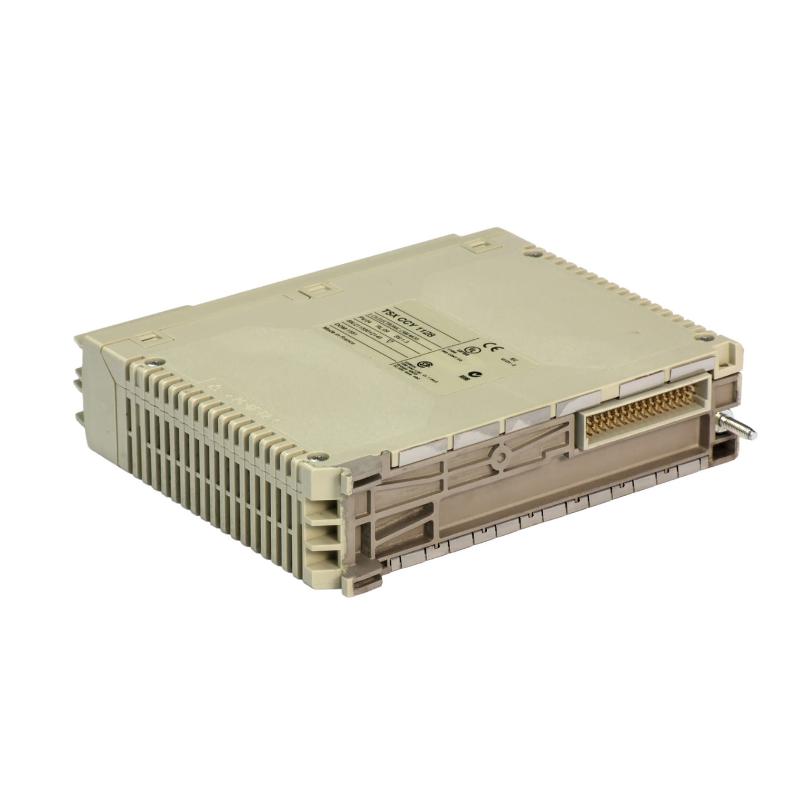
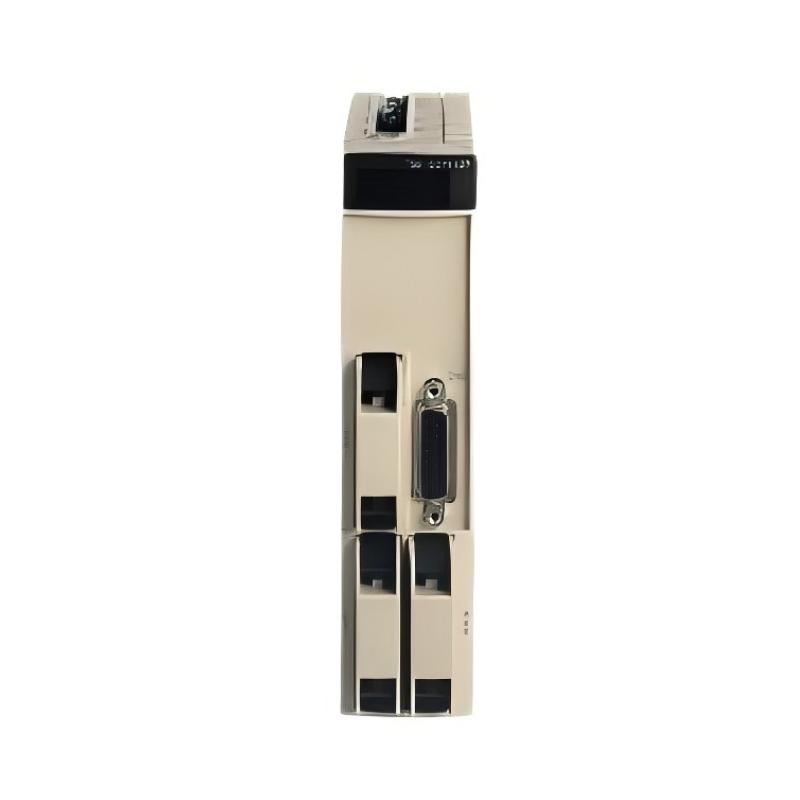
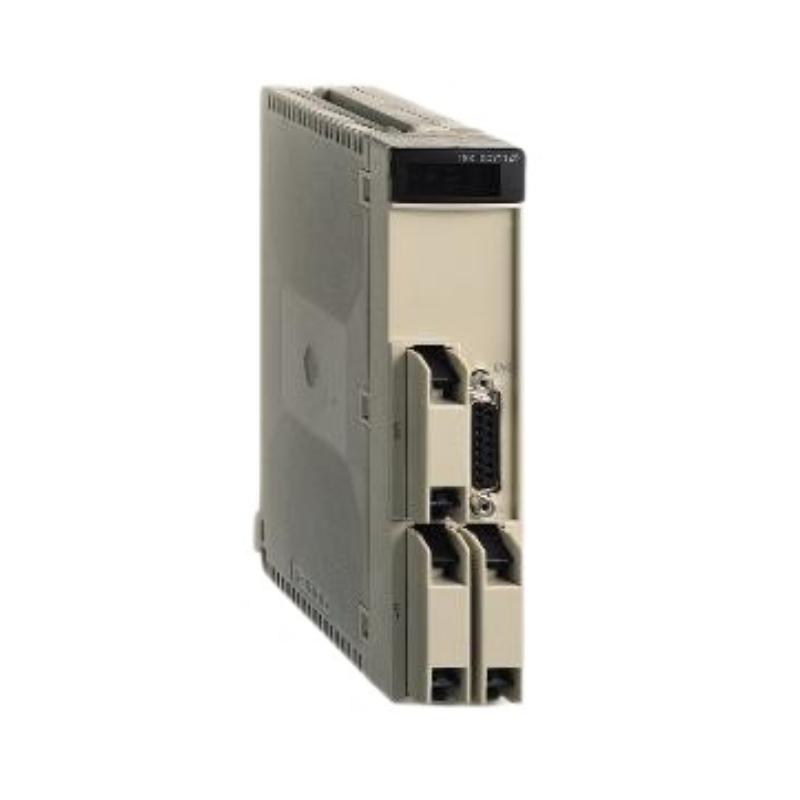
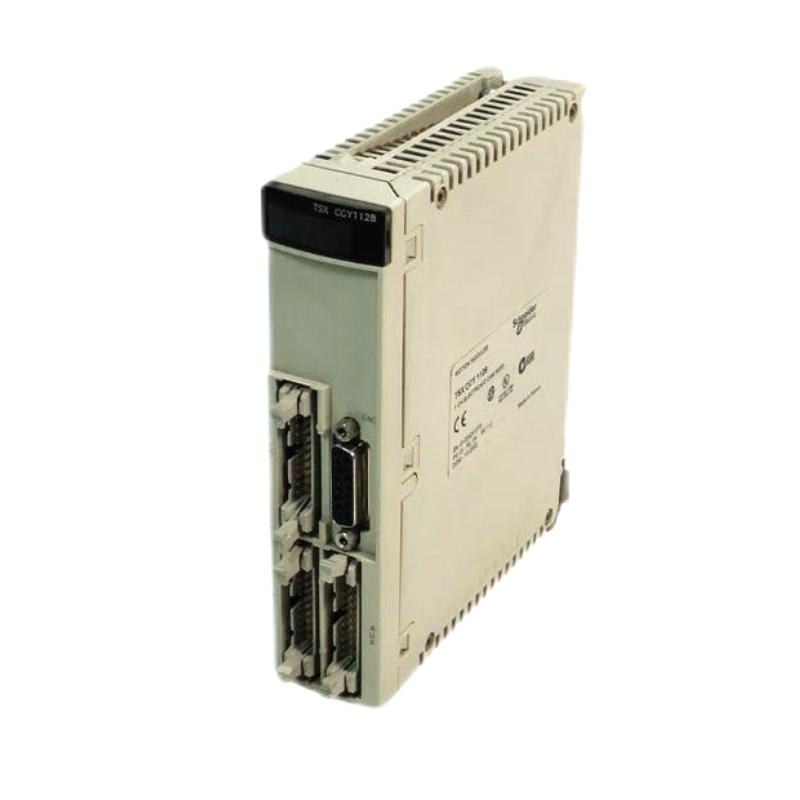
The Schneider TSXCCY1128 Electronic Cam Module is a specialized motion control component designed to enhance automation precision in Schneider Electric TSX/Modicon PLC systems. This module enables electronic cam profiling and synchronization between multiple motion axes, replacing traditional mechanical cams with a flexible, software‑driven solution. It significantly improves motion control flexibility, responsiveness, and performance in applications that require coordinated motion sequences.
Engineered for industrial use, the TSXCCY1128 allows coordinated control of actuators, conveyors, and positioning systems without moving mechanical parts. This leads to increased uptime, reduced maintenance, and enhanced motion accuracy in complex automation tasks.
Technical Specifications
| Parameter | Specification |
|---|
| Manufacturer | Schneider Electric |
| Model Number | TSXCCY1128 |
| Module Type | Electronic Cam Module |
| Compatible PLC Family | TSX/Modicon |
| Function | Electronic cam profiling and motion synchronization |
| Programming Interface | PLC backplane bus |
| Motion Axes Supported | Multiple coordinated axes (depending on system configuration) |
| Update Rate | System dependent (real‑time motion control) |
| Communication Interface | Backplane connection to PLC rack |
| Programming Software | Unity Pro / Motion Logic tools |
| Operating Temperature | 0°C to +55°C |
| Storage Temperature | −25°C to +70°C |
| Relative Humidity | 5% – 95% (non‑condensing) |
| Mounting | Standard TSX rack mount |
| Dimensions | Standard TSX module form factor |
Industrial Applications
The TSXCCY1128 Electronic Cam Module is intended for advanced motion control applications where coordinated movement and programmatic cam profiles are required:
-
Packaging machines with synchronized multi‑axis motion
-
Automated assembly lines
-
Material handling systems requiring precise positioning
-
Robotics and pick‑and‑place mechanisms
-
Conveyor systems with motion speed profiles
-
Machine tool motion sequencing
By replacing mechanical cams with electronic profiles, users gain flexibility to adjust motion sequences quickly without hardware changes.
Advantages
Precise Motion Coordination
Enables accurate synchronization of multiple motion axes for coordinated movement sequences.
Software‑Driven Cam Profiles
Allows cam profiles to be defined and modified in software, eliminating mechanical cam limitations.
Reduced Mechanical Wear
With no physical cams, wear and maintenance are greatly reduced, improving system uptime.
Flexible Motion Design
Adjust cam profiles, speed, and motion curves through programming tools instead of hardware changes.
Seamless Integration
Designed for integration with TSX/Modicon PLC racks and Schneider Electric motion control software.
Technical FAQs
1. What is the primary function of the TSXCCY1128 module?
It provides electronic cam profiling and motion synchronization within modular PLC systems.
2. Which PLC systems is it compatible with?
Compatible with Schneider Electric TSX/Modicon PLC families that support motion control.
3. How does electronic cam control improve motion systems?
It replaces mechanical cams with software profiles, enabling flexible adjustments and reducing wear.
4. How many motion axes can be coordinated?
The number depends on the PLC and system configuration; consult system documentation for specifics.
5. What programming software is used?
Motion profiles and logic are configured using Unity Pro or equivalent Schneider motion tools.
6. Is this module hot‑swappable?
Hot‑swap capability depends on the PLC rack and system support, not all configurations allow it.
7. What environmental conditions can it withstand?
Designed for industrial conditions with 0°C to +55°C operational range and standard humidity tolerance.
8. Can it be used for high‑speed motion applications?
Yes, when paired with appropriate PLC and motion hardware and configured correctly.
9. What kind of outputs does it control?
It coordinates motion profiles at the logic level; actual actuator outputs are handled by dedicated motion I/O modules.
 A DCS Q Co., Ltd. - PLC and DCS Industrial Control Equipment Wholesale