Product Introduction
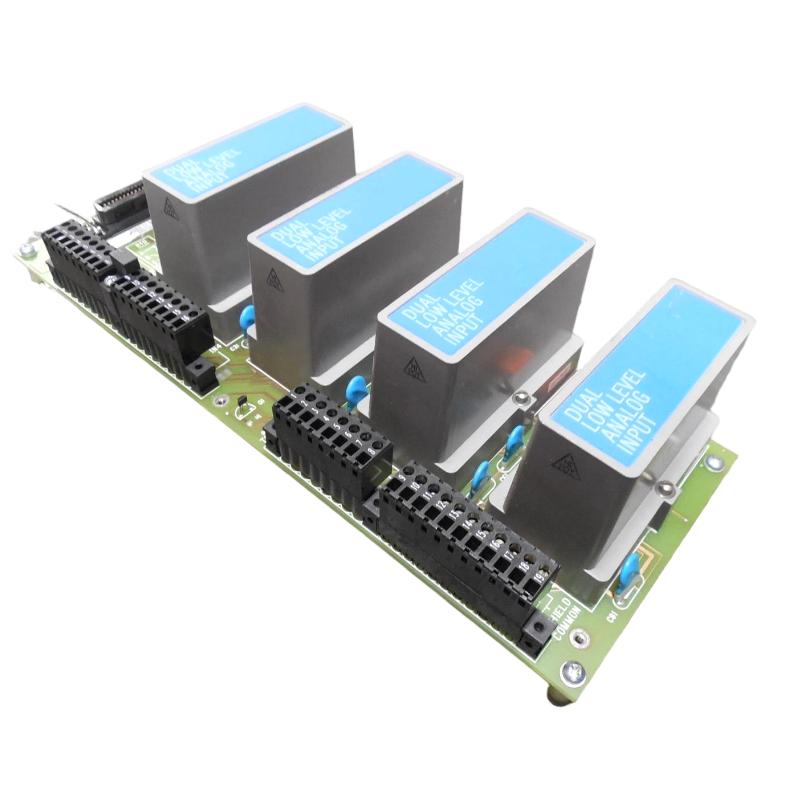
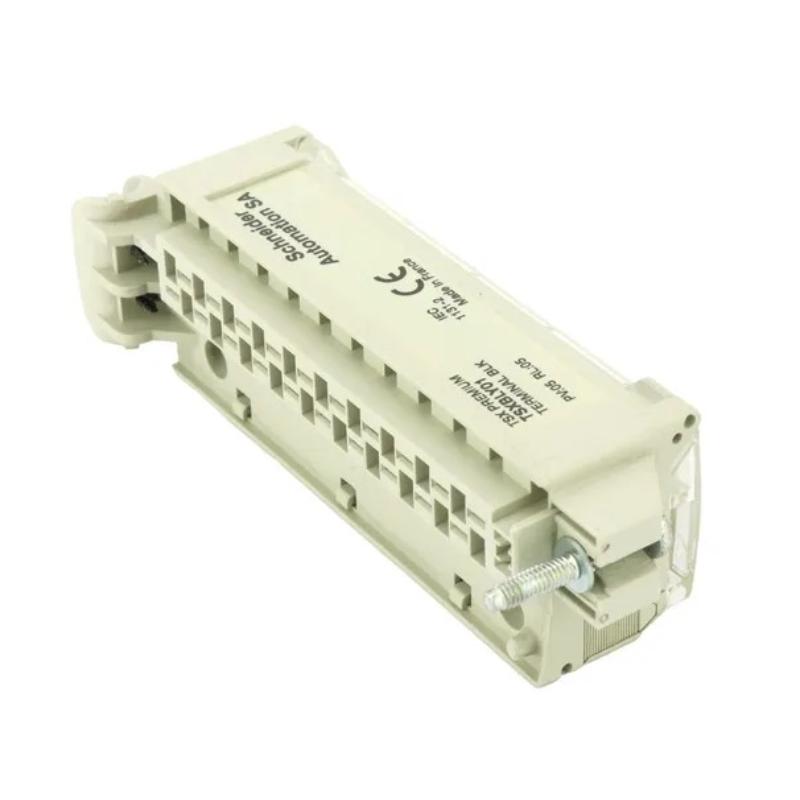
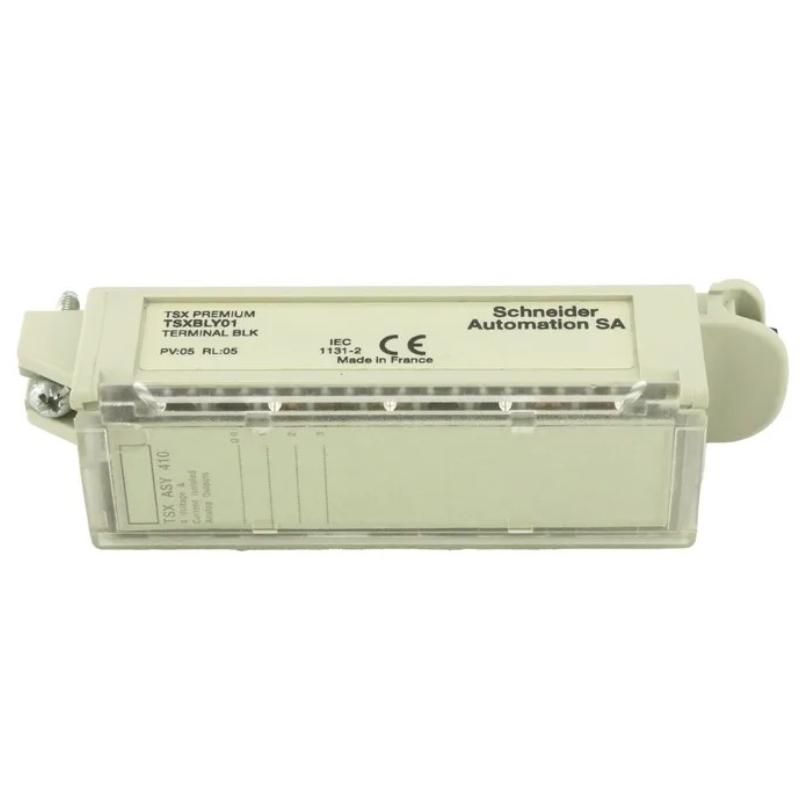
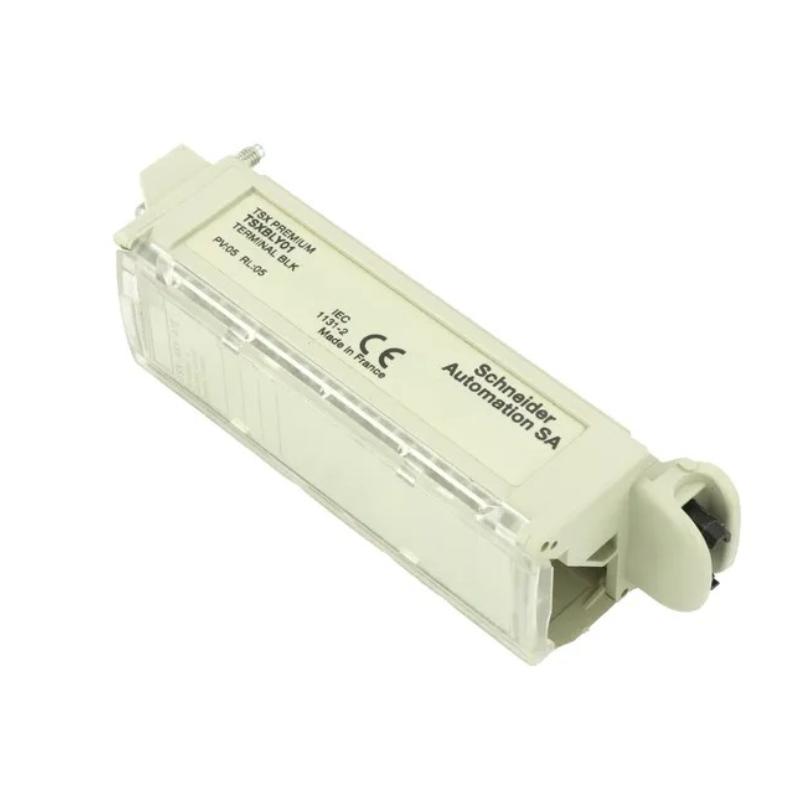
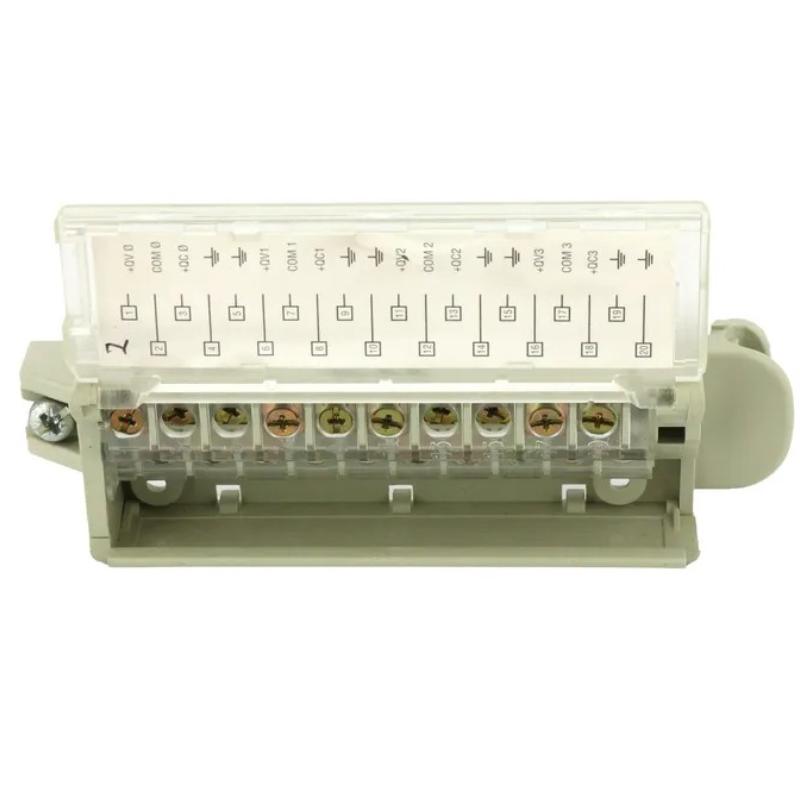
The Schneider TSXBLY01 Screw Connection Terminal Block is a rugged and reliable wiring interface designed for modular PLC systems and industrial control panels. Manufactured by Schneider Electric, this terminal block provides secure screw‑type connections for field wiring, signal distribution, and I/O module interfacing, ensuring dependable electrical continuity in demanding automation environments.
Engineered to simplify installation and maintenance, the TSXBLY01 serves as an essential component in control cabinets, allowing technicians to organize wiring, route signals efficiently, and make reliable electrical connections between sensors, actuators, and PLC I/O modules. Its robust design supports long‑term performance in industrial applications where vibration, temperature variation, and environmental exposure are common.
Technical Specifications
| Specification | Details |
|---|
| Manufacturer | Schneider Electric |
| Model Number | TSXBLY01 |
| Product Type | Screw Connection Terminal Block |
| Terminal Type | Screw‑type spring clamp |
| Number of Poles | 1 (single connection) |
| Mounting Style | DIN rail mountable |
| Wire Connection | Screw termination |
| Wire Size Range | 0.5 mm² – 2.5 mm² (approximate) |
| Rated Voltage | Up to 300 V AC/DC |
| Rated Current | Up to 10 A (depending on wiring and application) |
| Material | Industrial grade thermoplastic housing |
| Connection Material | Nickel‑plated brass or equivalent |
| Operating Temperature | −25°C to +70°C |
| Dimensions | Compact form factor |
| Weight | Approx. 0.02 kg |
Industrial Applications
The TSXBLY01 terminal block is ideal for industrial control and automation systems that require organized and reliable field wiring connections.
Common applications include:
-
PLC input/output signal distribution
-
Sensor and actuator wiring termination
-
Control cabinet wiring harness consolidation
-
Field device connection in manufacturing machines
-
Signal routing in process automation systems
-
Building management system interface points
By providing secure screw‑type connections, this terminal block supports reliable signal and power continuity between control hardware and field devices.
Advantages
Secure Screw‑Type Termination
Screw connections ensure a strong and dependable electrical interface, suitable for both solid and stranded wires.
Compact and Space‑Efficient
The compact design allows high‑density wiring installations in control panels and cabinets where space is limited.
DIN Rail Mountable
Standard DIN rail mounting simplifies panel assembly and supports modular system organization.
Industrial‑Grade Materials
Durable thermoplastic housing and corrosion‑resistant metal contacts ensure long service life even under vibration and temperature variation.
Easy Installation and Maintenance
Clear screw access and consistent connection geometry reduce wiring errors and simplify troubleshooting.
Technical FAQs
1. What is the primary purpose of the TSXBLY01 terminal block?
It provides secure screw‑type connections for field wiring and I/O interface points in control cabinets.
2. How is the terminal block mounted?
It mounts easily on standard DIN rails commonly used in control panels.
3. What wire sizes can it accept?
Typically supports stranded or solid wires in the 0.5 mm² to 2.5 mm² range.
4. What is the rated current capacity?
Up to 10 A, depending on installation and wire gauge.
5. Can it be used for both power and signal wiring?
Yes, it is suitable for low‑voltage power and signal termination within its rated range.
6. Does it support panel labeling?
Terminal blocks often allow labels for identification, improving organization and maintenance.
7. Is it compatible with Schneider PLC racks?
Yes, it can be used in control cabinets alongside Schneider PLC systems for clean wiring interfaces.
8. What materials are used in the connections?
Contacts are typically nickel‑plated brass or equivalent for conductivity and corrosion resistance.
9. Is special tooling required for installation?
Standard screwdrivers and common wiring tools are sufficient.
10. What environmental conditions can it withstand?
It operates reliably in industrial conditions within its temperature rating and under typical vibration.
 A DCS Q Co., Ltd. - PLC and DCS Industrial Control Equipment Wholesale