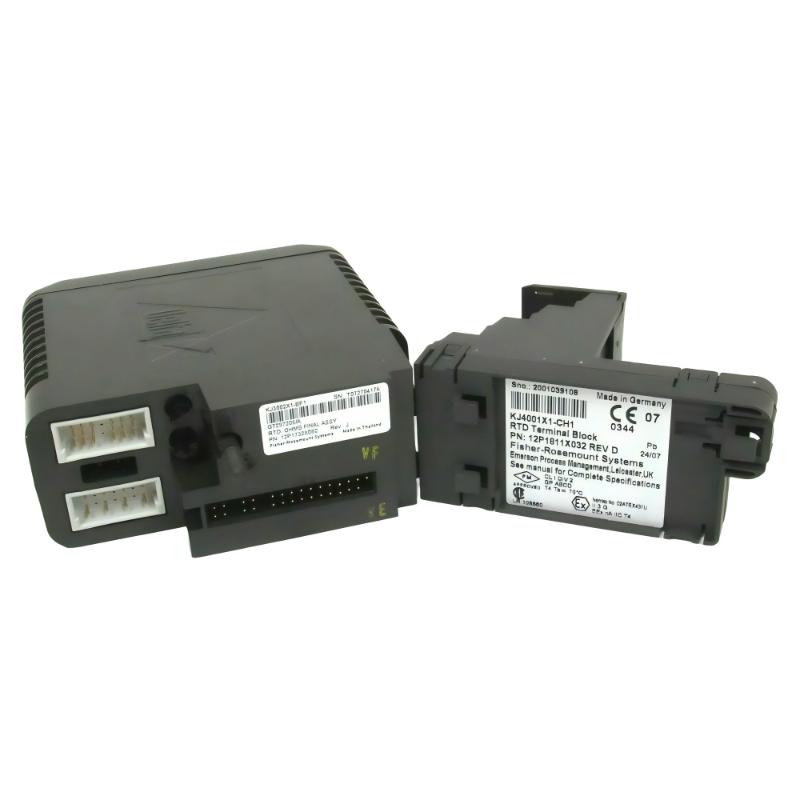
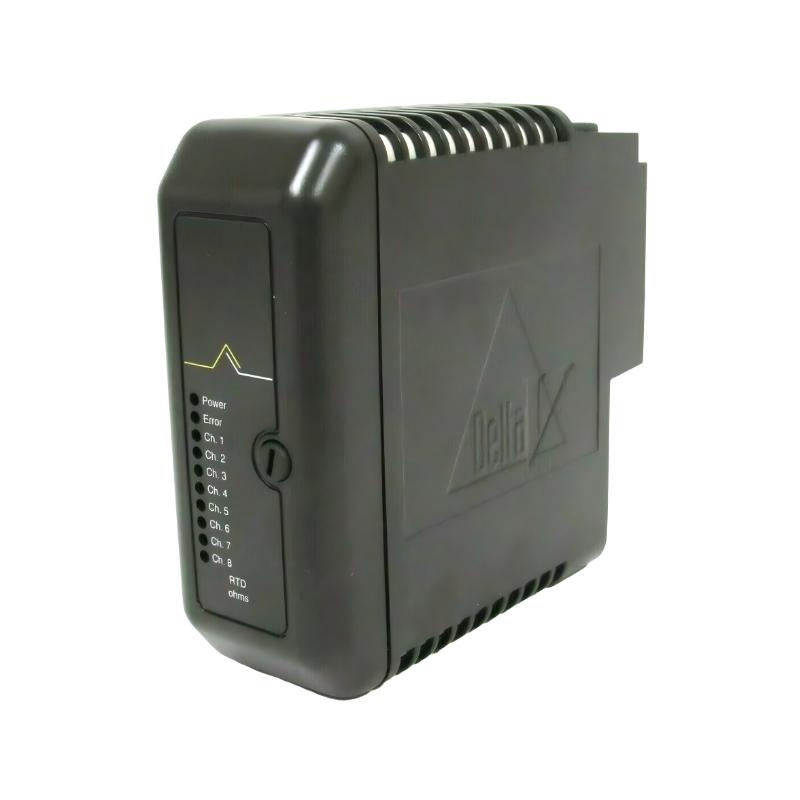
Product Overview (Introduction)
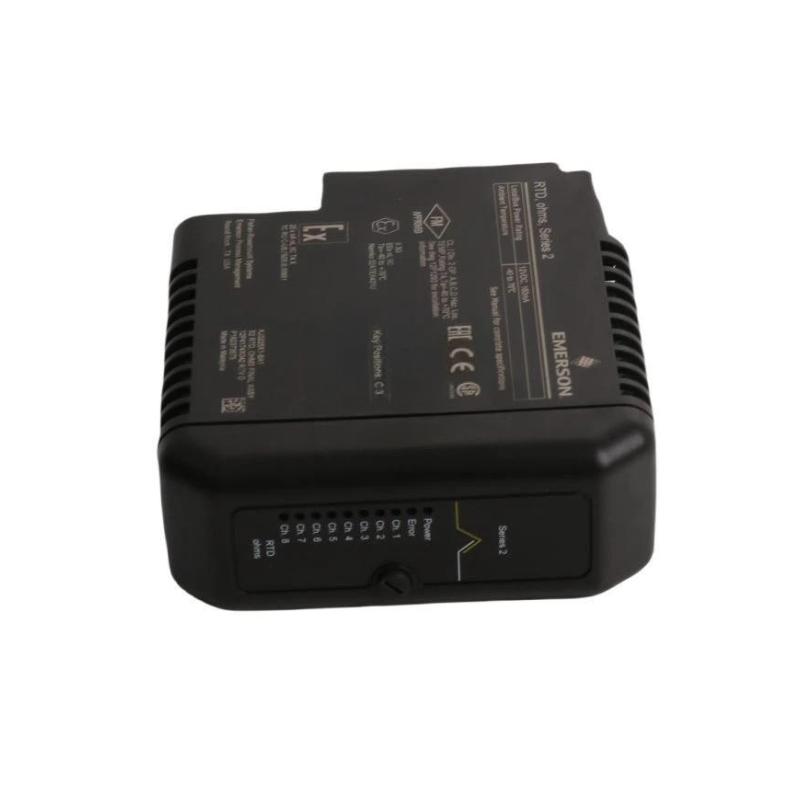
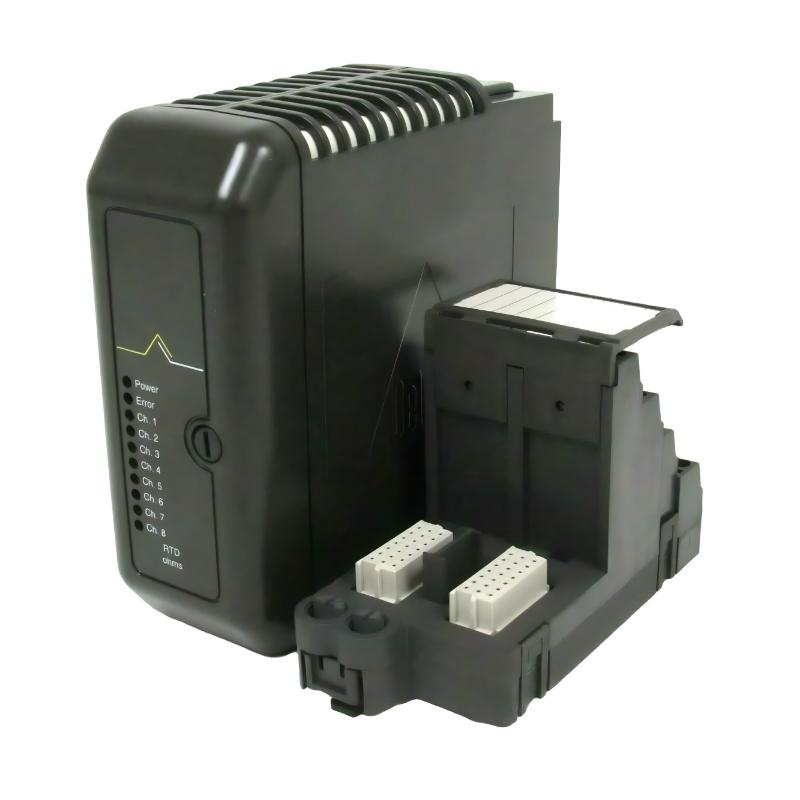
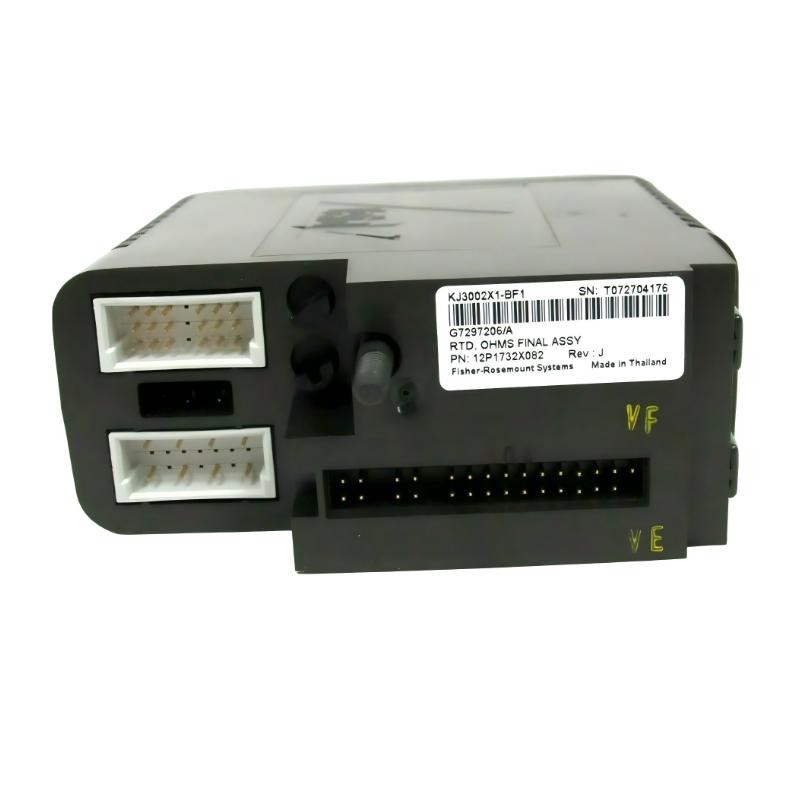
The Emerson KJ3002X1-BF1 12P1732X082 RTD Module is a precision temperature input module that converts RTD signals from field sensors into digital data for Emerson distributed control systems. By providing accurate temperature readings, it enables process engineers to maintain optimal operating conditions and ensure safety in industrial environments.
The module is engineered for reliable operation under industrial stressors, including electrical noise and temperature fluctuations. Its modular design supports scalable system architecture, making it easy to expand monitoring capabilities in large or complex automation systems.
Accurate and stable RTD signal acquisition is critical for processes that rely on precise thermal control, and this module provides the reliability and integration needed for modern automation applications.
Technical Specifications
| Specification | Details |
|---|
| Manufacturer | Emerson |
| Model Number | KJ3002X1-BF1 (12P1732X082) |
| Module Type | RTD Input Module |
| Function | Temperature Signal Acquisition via RTD |
| System Compatibility | Emerson Distributed Control Systems |
| Installation | Control System Rack Mount |
| Supported RTD Types | Pt100, Pt1000, Standard RTDs |
| Signal Type | Analog Input (Resistance-based) |
| Operating Temperature | 0°C to 60°C |
| Storage Temperature | -40°C to 85°C |
| Dimensions | 107 mm × 41 mm × 105 mm |
| Weight | 1.13 kg (2.49 lb) |
Applications in Precision Temperature Monitoring (Applications)
The Emerson KJ3002X1-BF1 RTD Module is designed for high-accuracy temperature measurement in industrial process automation systems. It converts signals from resistance temperature detectors (RTDs) into digital data for distributed control systems (DCS), enabling precise monitoring and control of thermal processes.
Common applications include:
-
Chemical and petrochemical plants for reactor and process temperature monitoring
-
Power generation and turbine temperature control
-
Oil & gas production facilities for pipeline and process instrumentation
-
Food and beverage processing requiring accurate thermal regulation
-
Water treatment plants and environmental control systems
-
Refinery operations with critical temperature-dependent processes
The module ensures reliable and repeatable RTD signal acquisition for enhanced process safety and efficiency.
Key Technical Advantages (Advantages)
High-Precision Temperature Acquisition
Provides accurate RTD signal conversion for reliable process monitoring.
Integration with Emerson Distributed Control Systems
Seamlessly connects with Emerson DCS architectures for coordinated control and data acquisition.
Supports Multiple RTD Types
Compatible with standard RTDs, allowing flexible sensor selection (Pt100, Pt1000, etc.).
Robust Industrial Performance
Engineered for stable operation in harsh conditions, including electrical noise and thermal variations.
Compact, Modular Form Factor
Allows easy installation in control racks while supporting modular system expansion.
Engineering FAQs (Technical FAQs)
1. What is the primary function of the KJ3002X1-BF1 module?
It acts as an RTD input module, converting resistance-based temperature signals into digital data for the control system.
2. Which RTD types does it support?
It supports Pt100, Pt1000, and other standard RTD sensors.
3. Which systems is it compatible with?
Designed for Emerson distributed control systems (DCS).
4. Can the module handle multiple channels?
Yes. It supports multi-channel RTD signal acquisition.
5. Is it suitable for industrial environments?
Yes. It is built for continuous operation in harsh industrial conditions.
6. How does it communicate with the control system?
Through the system backplane or Emerson DCS communication interfaces.
7. Does it provide diagnostics?
Yes. It includes signal diagnostics and status monitoring to ensure accurate measurements.
8. Can it be used in safety-critical processes?
Yes. Accurate temperature monitoring can feed into interlock and protective systems.
9. How is the module installed?
It is mounted in a control system rack or carrier, connected to the system backplane.
10. What is the benefit of using a dedicated RTD module?
It ensures high-accuracy temperature measurement, supporting process control, safety, and energy efficiency.
 A DCS Q Co., Ltd. - PLC and DCS Industrial Control Equipment Wholesale