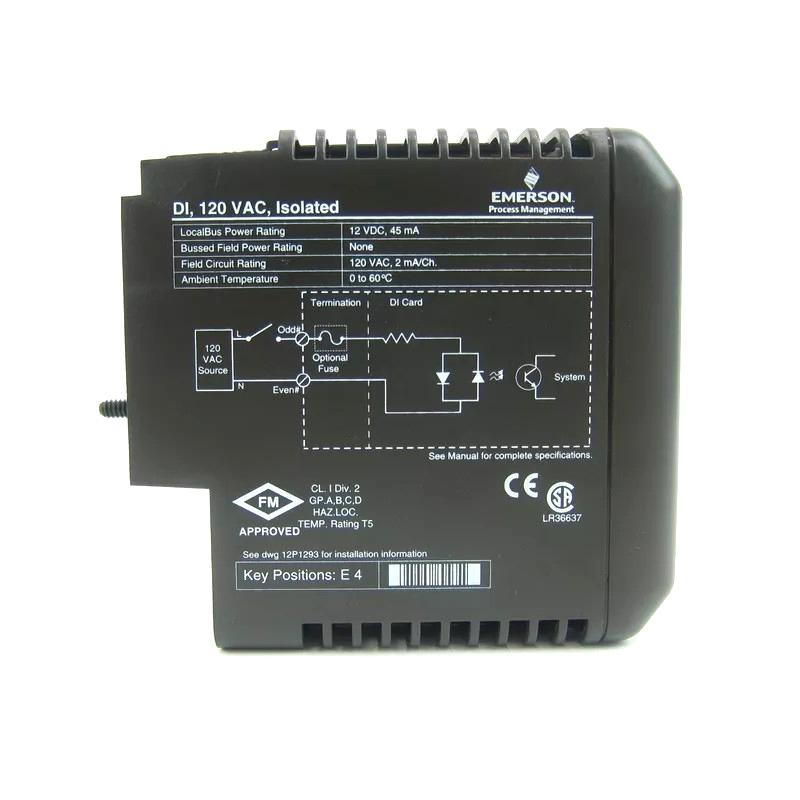
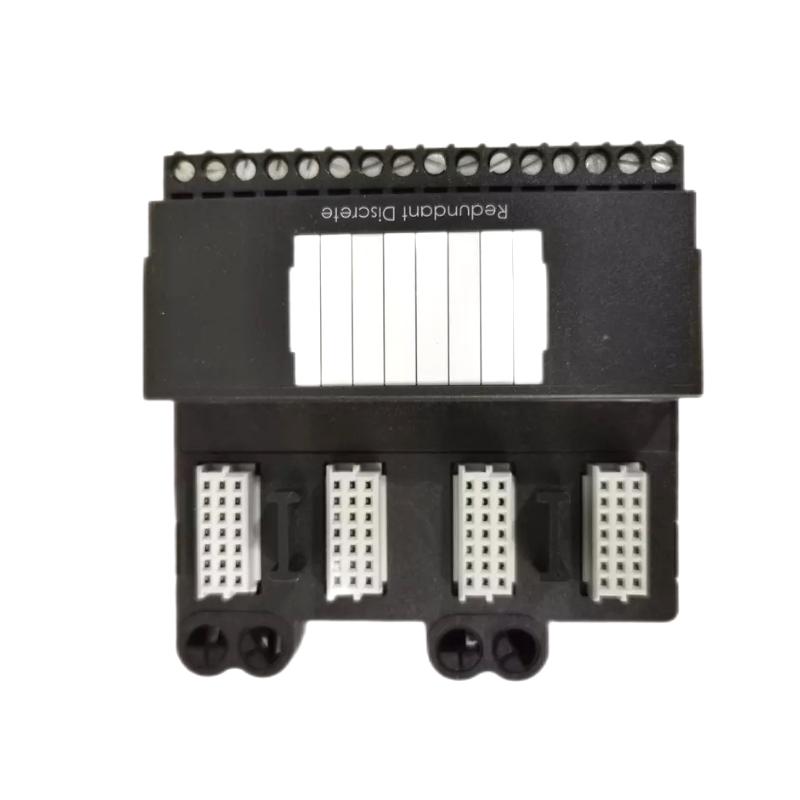
Product Overview (Introduction)
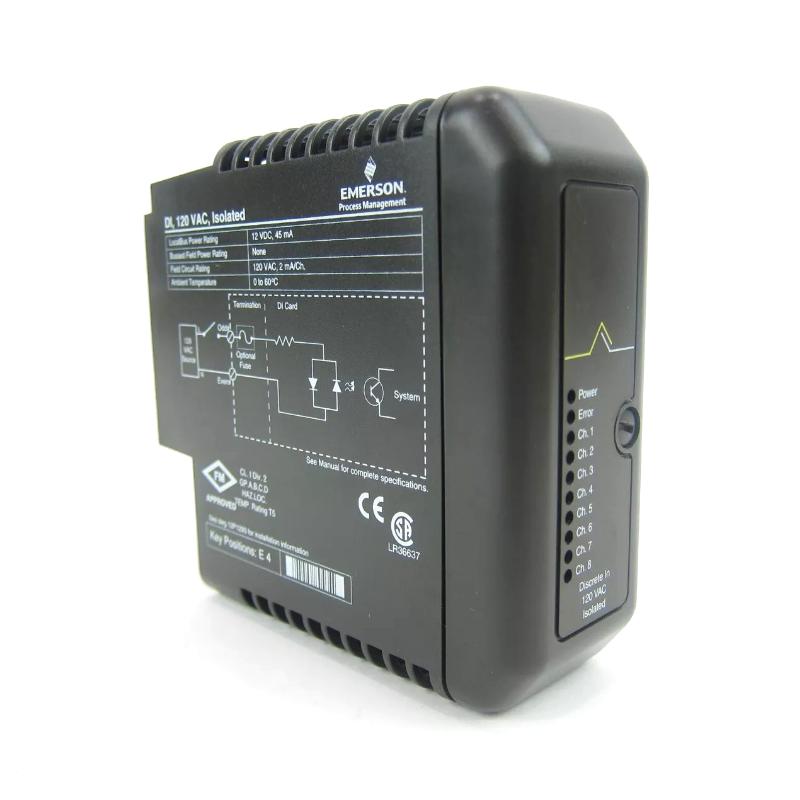
The Emerson KJ3001X1-BC1 VE4001S3T1B1 Discrete Input Module is a digital interface designed to capture binary signals from field devices and transmit them to Emerson distributed control systems. Its primary role is to enable real-time monitoring and control of industrial processes by providing accurate input data to the control system.
Discrete input modules are essential for detecting the status of sensors, switches, and other field devices. The KJ3001X1-BC1 ensures that signals are acquired reliably, even in harsh industrial conditions, and communicated effectively to the system controller.
With robust industrial construction and seamless integration into Emerson distributed control architectures, the module supports modular expansion, system diagnostics, and continuous operation, making it a key component for process control and monitoring.
Technical Specifications
| Specification | Details |
|---|
| Manufacturer | Emerson |
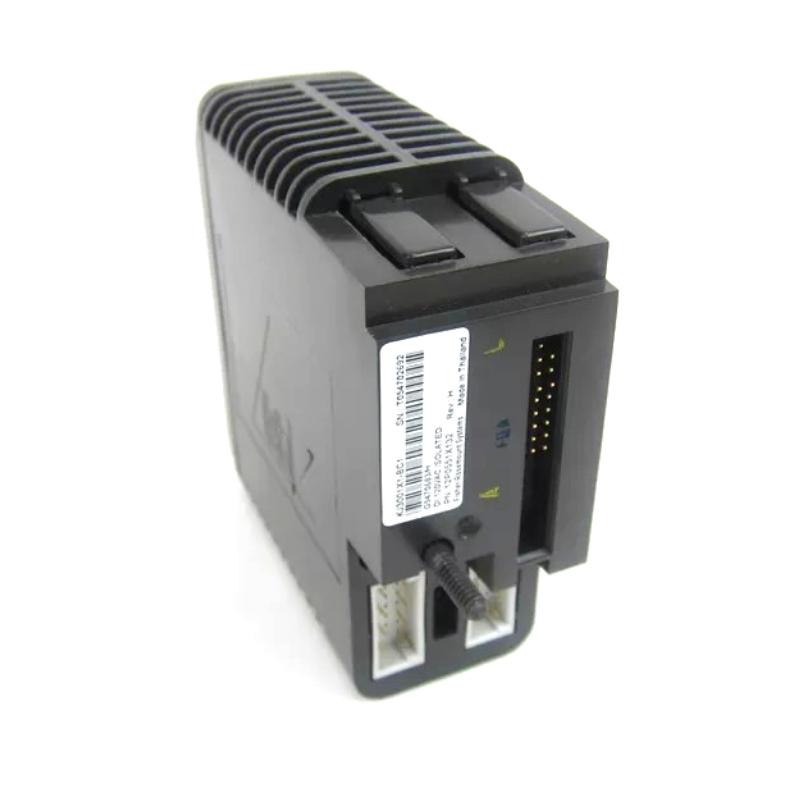
| Model Number | KJ3001X1-BC1 VE4001S3T1B1 (12P0551X132) |
| Module Type | Discrete Input Module |
| Function | Digital Signal Acquisition |
| System Compatibility | Emerson Distributed Control Systems |
| Installation | Control System Rack Mount |
| Signal Type | Discrete (Binary Input) |
| Operating Temperature | 0°C to 60°C |
| Storage Temperature | -40°C to 85°C |
| Dimensions | 107 mm × 41 mm × 105 mm |
| Weight | 0.653 kg (1.44 lb) |
Applications in Industrial Signal Acquisition (Applications)
The Emerson KJ3001X1-BC1 VE4001S3T1B1 Discrete Input Module is designed to acquire and transmit digital signals from field devices to distributed control systems. It is used in automation environments where accurate and reliable detection of on/off states is critical for process control and monitoring.
Typical deployment scenarios include:
-
Oil & gas production facilities for valve and switch status monitoring
-
Chemical plants for safety interlocks and process control signals
-
Power generation plants for breaker and relay state acquisition
-
Manufacturing lines for limit switches and machine operation feedback
-
Water and wastewater treatment plants for level and pump status detection
-
Refinery operations with extensive discrete instrumentation
This module ensures precise digital input acquisition, enabling control systems to make timely operational decisions.
Engineering Benefits and Advantages (Advantages)
High Reliability in Industrial Environments
Maintains consistent performance under electrical noise, vibration, and temperature fluctuations.
Seamless Emerson System Integration
Integrates easily within Emerson distributed control architectures, supporting coordinated system operation.
Accurate Real-Time Input Monitoring
Captures and communicates digital signals quickly, allowing responsive control of field devices.
Compact Design for Rack Installation
Small form factor enables efficient installation in control panels and system racks.
Supports Modular and Scalable Systems
Allows multiple modules to be deployed for extensive field monitoring without compromising system reliability.
Technical FAQs for Engineers (Technical FAQs)
1. What is the primary function of the KJ3001X1-BC1 module?
It serves as a discrete input module, capturing digital signals from field devices for control system processing.
2. Which types of signals can it process?
It handles binary signals, such as on/off, open/closed, or status signals from sensors and switches.
3. Which control systems is it compatible with?
It is designed for Emerson distributed control systems.
4. How does the module communicate with the controller?
Signals are transmitted via the system backplane or communication interface to the main controller.
5. Can it be used for safety-critical applications?
Yes. It can monitor interlocks and safety-related digital signals, depending on system configuration.
6. What industries commonly use this module?
Oil & gas, chemical processing, power generation, water treatment, and manufacturing industries.
7. Is the module designed for continuous operation?
Yes. It is engineered for 24/7 industrial signal monitoring.
8. Does the module include diagnostics?
Yes. It supports diagnostic monitoring for signal integrity and connectivity.
9. How is the module installed?
It is installed in a control system rack or carrier, integrated into the distributed control architecture.
10. What is the benefit of using discrete input modules in automation systems?
They provide accurate, reliable input acquisition, improving system responsiveness, control accuracy, and safety.
 A DCS Q Co., Ltd. - PLC and DCS Industrial Control Equipment Wholesale