Product Overview (Introduction)
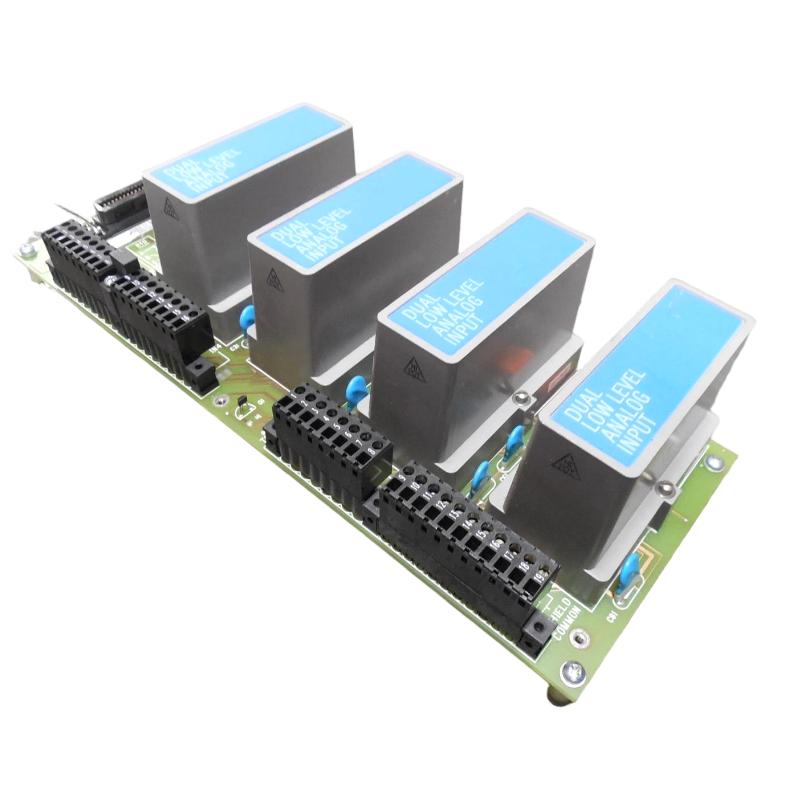
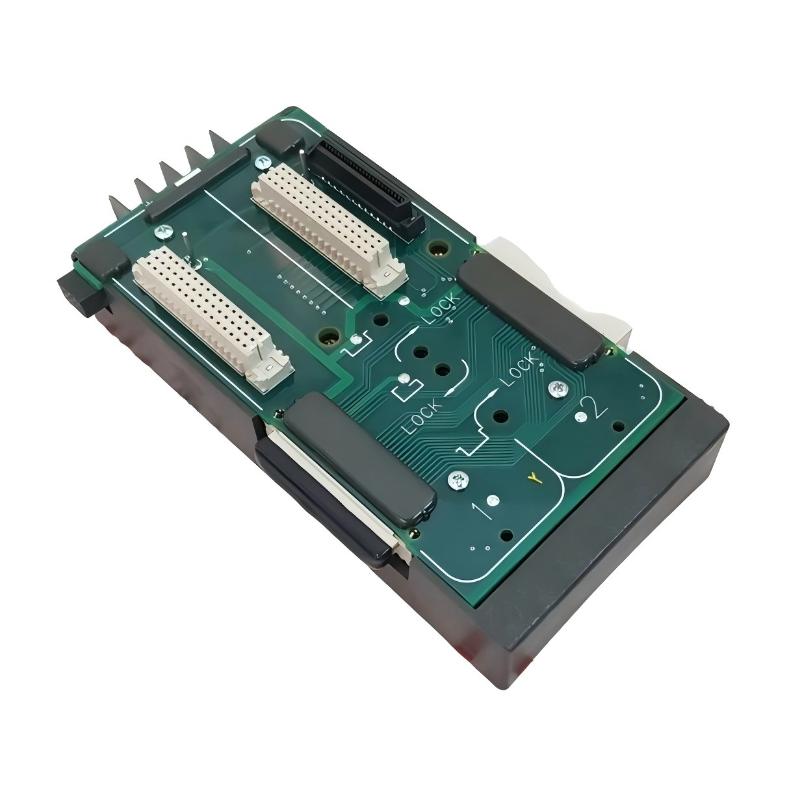
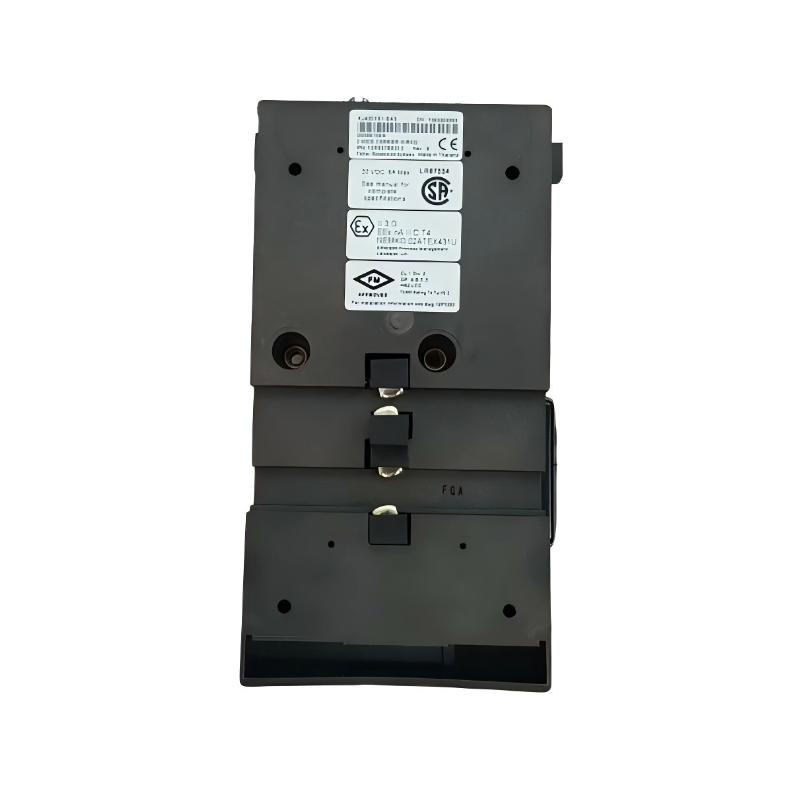
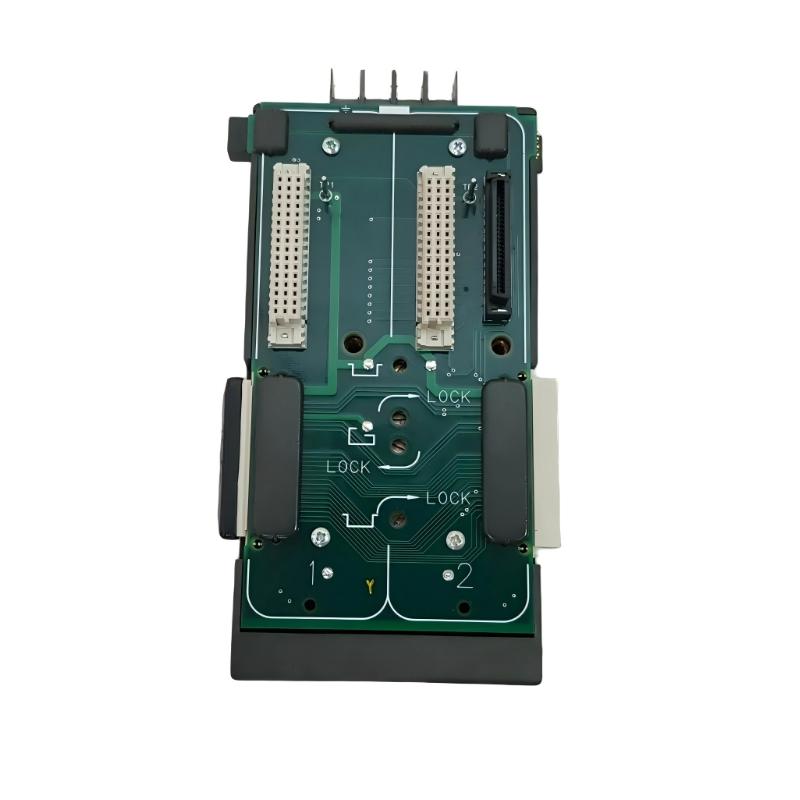
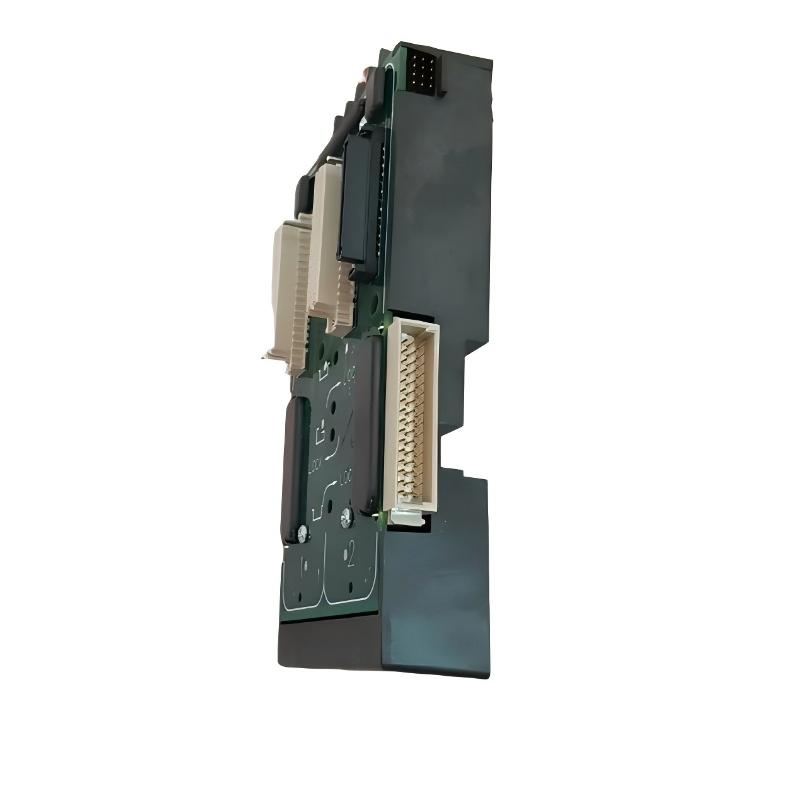
The Emerson KJ4001X1-BA2 VE3051C0 Carrier Board is a central structural and communication platform within Emerson distributed control systems. It allows multiple I/O, logic, and communication modules to connect and operate together in a coordinated manner.
In modular control architectures, the carrier board is essential for providing both mechanical support and reliable communication pathways. It ensures signal integrity and operational stability across attached modules, which is critical for systems requiring real-time data exchange and synchronized processing.
Designed for industrial environments, the carrier board supports continuous operation, withstands mechanical and thermal stresses, and allows scalable expansion. By serving as the backbone for modular system components, it plays a key role in efficient and flexible industrial automation design.
Technical Specifications
| Specification | Details |
|---|
| Manufacturer | Emerson |
| Model Number | KJ4001X1-BA2 VE3051C0 (12P1562X012) |
| Module Type | Carrier Board |
| Function | Mounting and Communication Platform for Modular Modules |
| System Compatibility | Emerson Distributed Control Systems |
| Installation | Control System Rack Mount |
| Operating Temperature | 0°C to 60°C |
| Storage Temperature | -40°C to 85°C |
| Dimensions | 130 mm × 105 mm × 125 mm |
| Weight | 1.2 kg (2.65 lb) |
Applications in Modular Control Systems (Applications)
The Emerson KJ4001X1-BA2 VE3051C0 Carrier Board is designed as a backbone component for modular automation architectures, providing mounting and communication interfaces for various I/O and logic modules. It ensures coordinated operation and reliable connectivity within Emerson distributed control systems.
Common deployment scenarios include:
-
Process automation in oil & gas plants for modular control integration
-
Chemical production facilities requiring scalable I/O systems
-
Power generation plants with modular safety and control configurations
-
Water and wastewater treatment plants with distributed instrumentation
-
Refinery and petrochemical automation systems
-
Large industrial facilities needing flexible system expansion
The carrier board serves as the structural and communication platform, allowing multiple modules to operate together seamlessly.
Engineering Advantages and Design Highlights (Advantages)
Reliable Modular Integration
Provides a stable platform for mounting logic, input/output, and communication modules, ensuring secure electrical and data connections.
Supports Distributed Control Architectures
Enables integration of multiple Emerson modules into a single coordinated system.
High Signal Integrity and Communication Stability
Engineered to maintain consistent communication between modules even in electrically noisy environments.
Scalable and Flexible System Design
Allows for easy addition or replacement of modules, supporting modular and scalable automation systems.
Industrial-Grade Construction
Designed for continuous operation under temperature variations and mechanical stress typical of industrial environments.
Technical Reference Questions (Technical FAQs)
1. What is the primary function of the KJ4001X1-BA2 carrier board?
It serves as a mounting and communication platform for Emerson I/O and logic modules.
2. Which systems is it compatible with?
It is designed for Emerson distributed control systems.
3. Can it support multiple modules simultaneously?
Yes. It accommodates several modules for coordinated operation.
4. How does the board communicate with the system?
Through integrated backplane connections, enabling data and signal exchange across installed modules.
5. Is it suitable for harsh industrial environments?
Yes. It is engineered to operate reliably under temperature variation and electrical noise.
6. Can modules be hot-swapped on this carrier board?
It depends on the system configuration, but the board supports modular replacement with minimal disruption.
7. What industries commonly use this carrier board?
Industries include oil & gas, chemical processing, power generation, water treatment, and manufacturing.
8. Does the carrier board support system diagnostics?
Yes. It enables diagnostic monitoring of installed modules and communication integrity.
9. How is it installed?
It is mounted in a control system rack or cabinet, forming the structural base for attached modules.
10. What is the benefit of using a carrier board in modular systems?
It provides centralized connectivity, mechanical support, and scalable architecture, simplifying system expansion and maintenance.
 A DCS Q Co., Ltd. - PLC and DCS Industrial Control Equipment Wholesale