Functional Overview for Control Systems (Introduction)
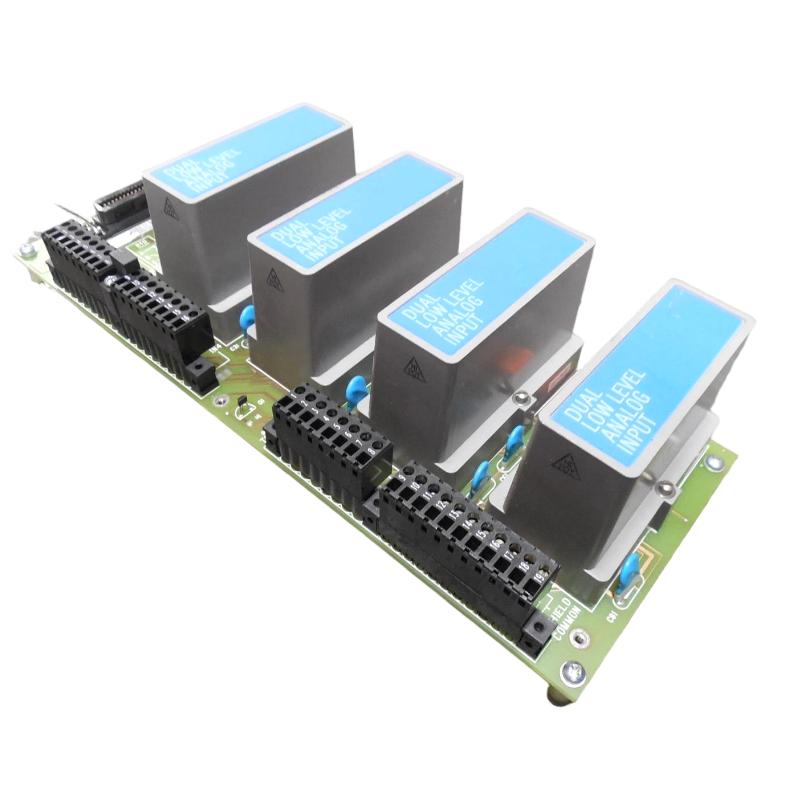
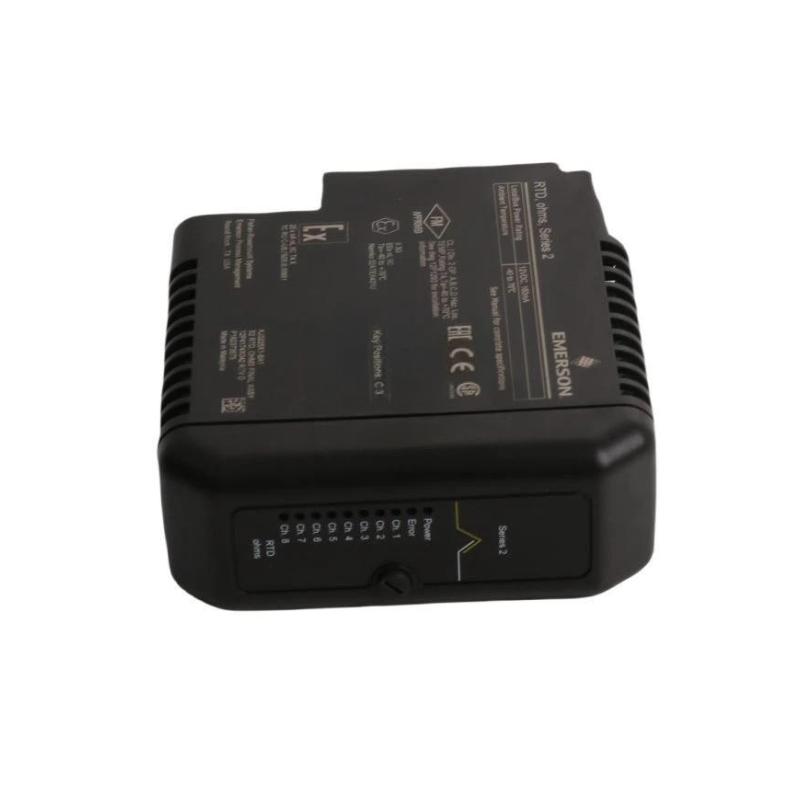
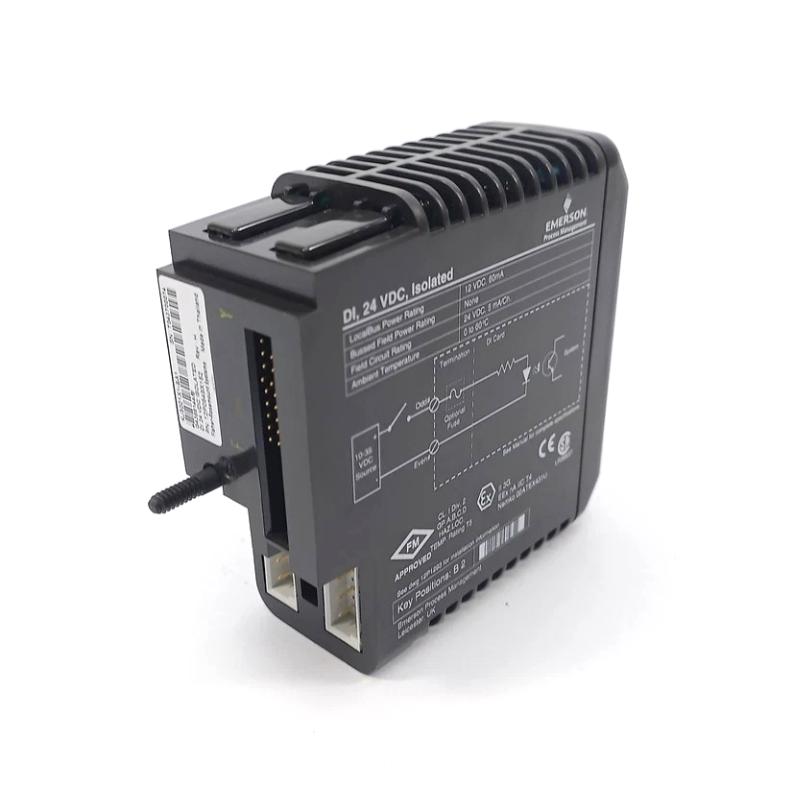
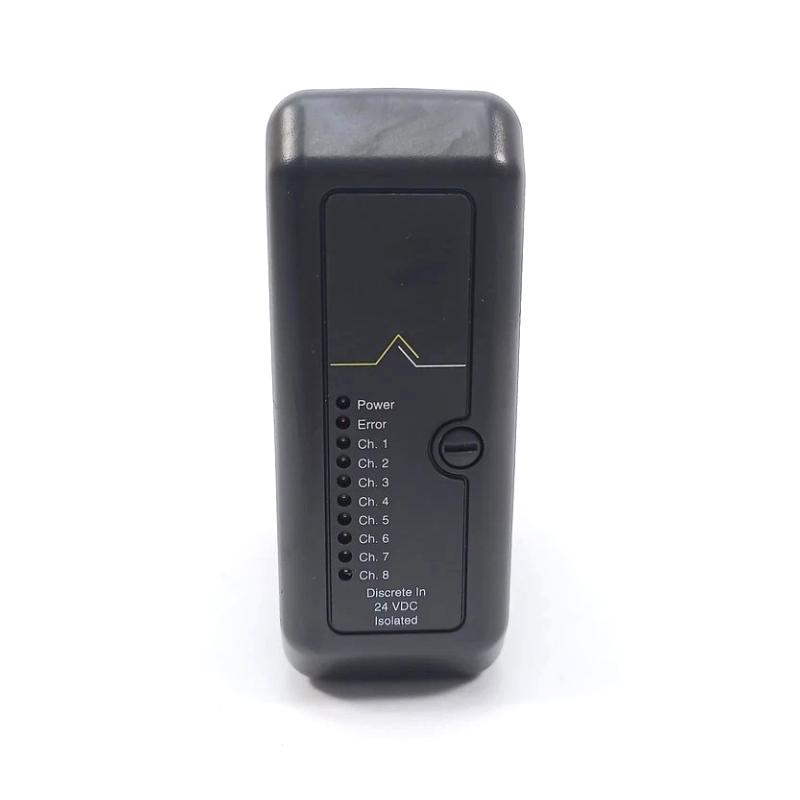
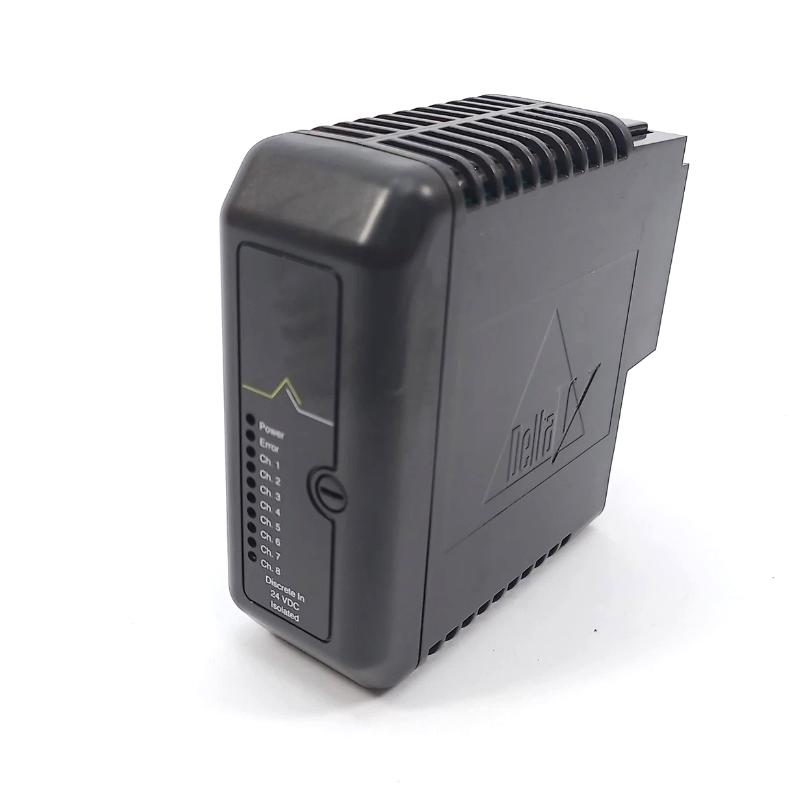
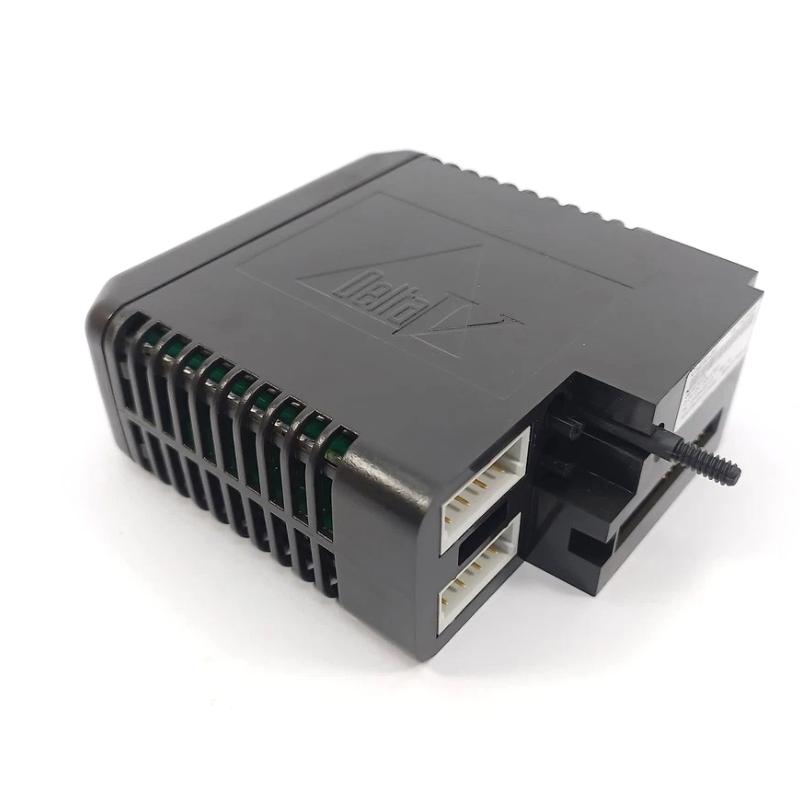
The Emerson 12P0549X152 Discrete Input Module is a digital signal interface designed to capture binary input signals from field devices and transmit them to a central control system. It is a fundamental component in industrial automation, where accurate status monitoring is essential for effective process control.
In typical applications, the module receives signals from devices such as switches, relays, sensors, and alarms. These signals are then processed by the control system to determine operational conditions and trigger appropriate responses.
The module is engineered for stable operation in demanding industrial environments, ensuring reliable performance even in the presence of electrical interference or environmental stress. Its integration with Emerson distributed control systems allows seamless communication and coordination with other automation components.
By providing accurate and continuous monitoring of discrete signals, the module supports improved system reliability and operational efficiency.
Technical Data Sheet (Technical Specifications)
| Specification | Details |
|---|
| Manufacturer | Emerson |
| Model Number | 12P0549X152 |
| Module Type | Discrete Input Module |
| Function | Digital Signal Input Interface |
| System Compatibility | Emerson Distributed Control Systems |
| Installation | Control System Rack Mount |
| Signal Type | Discrete (Binary Input) |
| Operating Temperature | 0°C to 60°C |
| Storage Temperature | -40°C to 85°C |
| Dimensions | 107 mm × 41 mm × 105 mm |
| Weight | 0.2 kg (0.44 lb) |
Industrial Signal Monitoring Scenarios (Applications)
The Emerson 12P0549X152 Discrete Input Module is designed for reliable acquisition of digital signals from field devices within distributed control systems. It plays a key role in monitoring on/off states, alarms, and status signals in industrial automation environments.
This module is commonly used in:
-
Oil & gas facilities for valve and switch status monitoring
-
Chemical processing plants for safety interlock signals
-
Power generation systems for breaker and relay status detection
-
Manufacturing lines for machine state and limit switch feedback
-
Water treatment plants for pump and level switch monitoring
-
Refinery operations with extensive discrete signal requirements
In these applications, the module ensures accurate detection of binary signals, allowing control systems to respond promptly to changes in field conditions.
Functional Benefits for Control Engineers (Advantages)
Accurate Discrete Signal Detection
The module reliably captures on/off signals from field devices, ensuring precise system monitoring.
Designed for Distributed Control Integration
It integrates seamlessly with Emerson automation systems, enabling efficient communication within control architectures.
Stable Operation in Industrial Environments
The module maintains consistent performance even in environments with electrical noise and temperature fluctuations.
Compact and Efficient Design
Its compact dimensions make it suitable for installations where panel space is limited.
Supports Real-Time Monitoring
Enables continuous tracking of field device status, supporting responsive automation control.
Technical Reference for Engineers (Technical FAQs)
1. What is the main function of the 12P0549X152 module?
It is a discrete input module used to detect and transmit digital signals from field devices.
2. What types of signals does this module process?
It processes binary signals, such as on/off or open/closed states.
3. Which systems is this module compatible with?
It is designed for Emerson distributed control systems.
4. How does the module communicate with the controller?
It transmits discrete input data through the system backplane or communication interface.
5. Can the module be used for safety-related signals?
Yes. It can monitor status and interlock signals, depending on system configuration.
6. What industries commonly use this module?
Industries such as oil & gas, power generation, manufacturing, and water treatment frequently deploy it.
7. Is the module suitable for continuous operation?
Yes. It is designed for continuous industrial monitoring applications.
8. Does the module include diagnostic capabilities?
Yes. Diagnostic features help detect signal faults and system issues.
9. How is the module installed?
It is installed in a control system rack or carrier, depending on system configuration.
10. What is the benefit of discrete input modules in automation systems?
They enable reliable monitoring of device states, improving control system responsiveness and safety.
 A DCS Q Co., Ltd. - PLC and DCS Industrial Control Equipment Wholesale