Functional Overview for Engineers (Introduction)
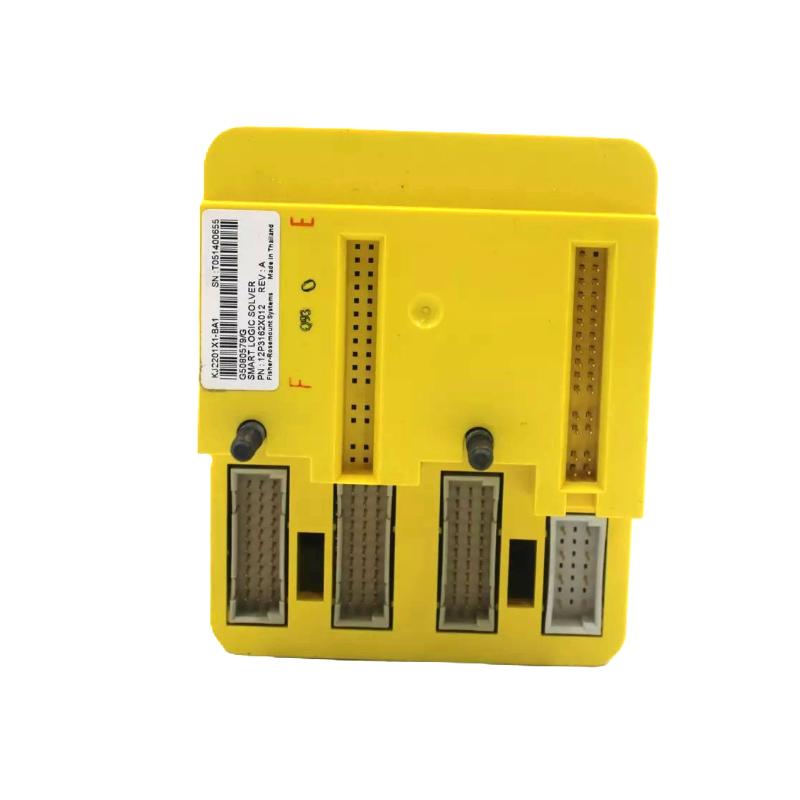
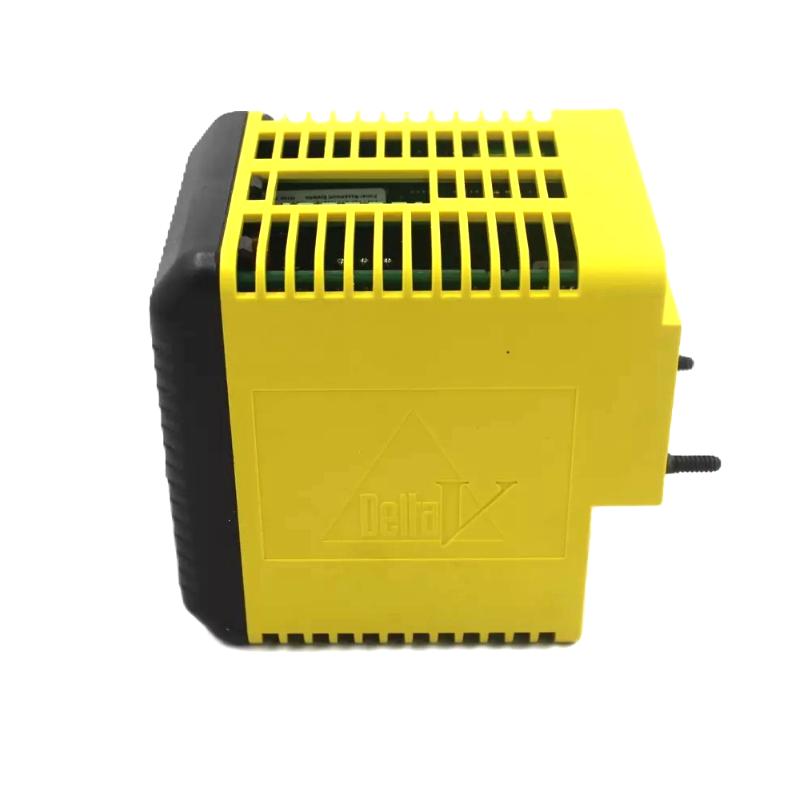
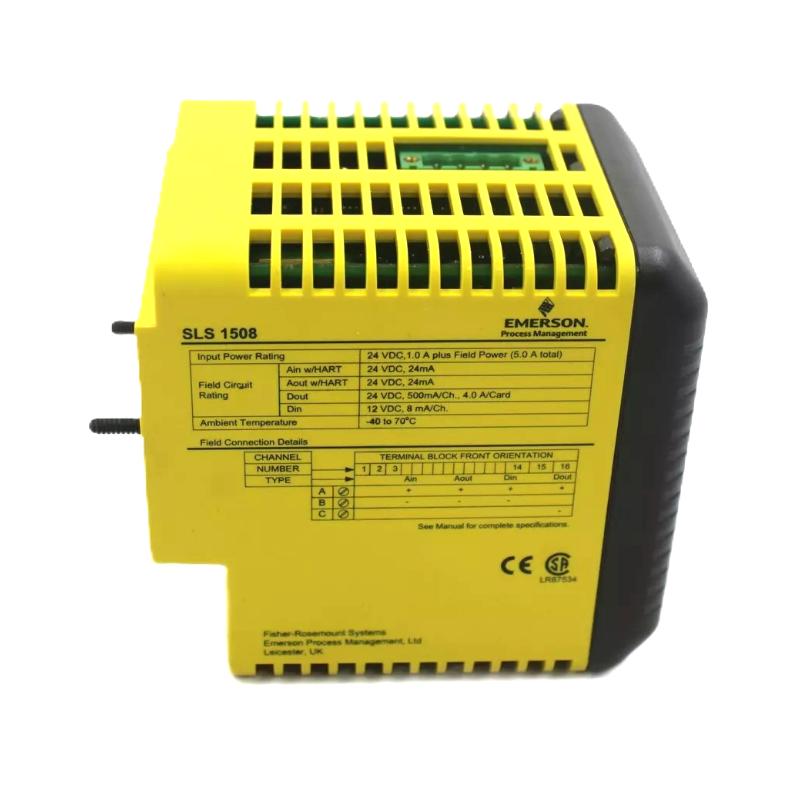
The Emerson KJ2201X1-BA1 Intelligent Logic Solver Module is a specialized processing unit designed to handle safety-related logic in industrial automation systems. Unlike conventional PLC processors, it focuses on executing predefined safety logic and ensuring that industrial processes remain within safe operating conditions.
In safety-critical environments, rapid response to abnormal conditions is essential. This module continuously evaluates incoming data from sensors and field devices, applying logic rules to determine whether protective actions are required. When necessary, it triggers responses such as system shutdowns or alarms.
The module is typically integrated into Emerson distributed control systems, where it works alongside other control components to provide a layered approach to automation and safety. This integration allows industrial facilities to maintain both operational efficiency and system protection.
With its dedicated safety functionality and robust design, the module plays a key role in maintaining the integrity and reliability of industrial processes.
Detailed Engineering Parameters (Technical Specifications)
| Specification | Details |
|---|
| Manufacturer | Emerson |
| Model Number | KJ2201X1-BA1 |
| Module Type | Intelligent Logic Solver Module |
| Function | Safety Logic Processing Unit |
| System Compatibility | Emerson Distributed Control Systems |
| Installation | Control System Rack Mount |
| Processing Capability | Real-Time Logic Execution |
| Operating Temperature | 0°C to 60°C |
| Storage Temperature | -40°C to 85°C |
| Dimensions | 83.8 mm × 105.5 mm × 110 mm |
| Weight | 1.2 kg (2.65 lb) |
Application Perspectives in Industrial Safety Systems (Applications)
The Emerson KJ2201X1-BA1 Intelligent Logic Solver Module is widely implemented in high-integrity automation environments where safety logic execution and rapid system response are critical. It operates as a dedicated logic processing unit within distributed control and safety instrumented systems.
This module is typically used in:
-
Emergency shutdown (ESD) systems in oil & gas facilities
-
Safety instrumented systems (SIS) in chemical plants
-
Power generation units requiring fail-safe protection
-
Offshore and onshore hazardous area automation
-
Refinery process safety control systems
-
Industrial plants with critical interlock and protection requirements
In these applications, the module continuously evaluates process conditions and ensures immediate action when abnormal states are detected.
Core Technical Strengths (Advantages)
Purpose-Built for Safety Logic Execution
The module is engineered specifically for executing safety-critical logic, ensuring reliable protection of industrial processes.
High Reliability for Critical Operations
Its design supports continuous operation in environments where system failure could lead to operational risks or safety hazards.
Fast Processing for Real-Time Response
The logic solver delivers rapid evaluation of input signals, enabling quick activation of safety mechanisms.
Seamless Integration with Emerson Systems
It integrates within Emerson distributed control architectures, allowing coordinated operation across control and safety layers.
Durable Industrial Construction
The module is designed to withstand harsh operating conditions including electrical noise and environmental stress.
Technical Insights for Engineers (Technical FAQs)
1. What is the main function of the KJ2201X1-BA1 module?
It performs intelligent safety logic processing within industrial automation systems.
2. In which systems is this module typically installed?
It is used in safety instrumented systems (SIS) and distributed control systems.
3. Can the module execute real-time safety logic?
Yes. It supports real-time processing of safety-critical conditions.
4. How does the module interact with field devices?
It processes input signals from sensors and sends output commands to actuators through the control system.
5. What industries rely on this logic solver?
Industries such as oil & gas, chemical processing, and energy production frequently deploy this module.
6. Is the module suitable for hazardous environments?
Yes. It is designed for use in high-risk industrial environments.
7. How does the module improve system safety?
It continuously monitors process conditions and initiates protective actions such as shutdown sequences.
8. Can it be integrated into large automation systems?
Yes. It supports integration into scalable distributed control architectures.
9. What differentiates this module from a standard PLC CPU?
It is optimized for safety logic and fault-tolerant operation, rather than general-purpose control.
10. Does the module support system diagnostics?
Yes. It includes diagnostic features for monitoring system status and identifying faults.
 A DCS Q Co., Ltd. - PLC and DCS Industrial Control Equipment Wholesale