Real-World Automation Implementations (Applications)
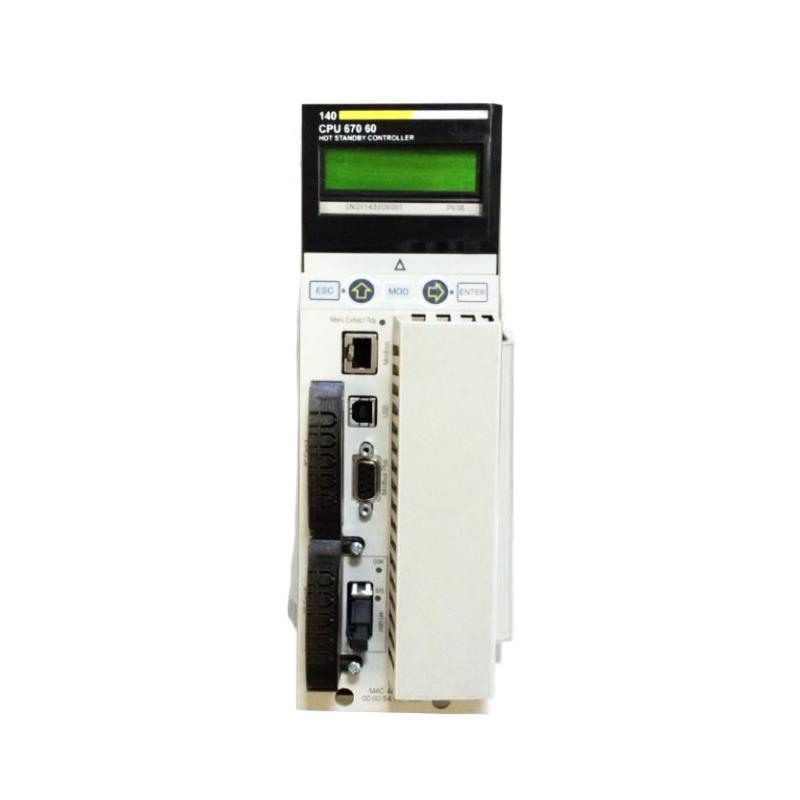
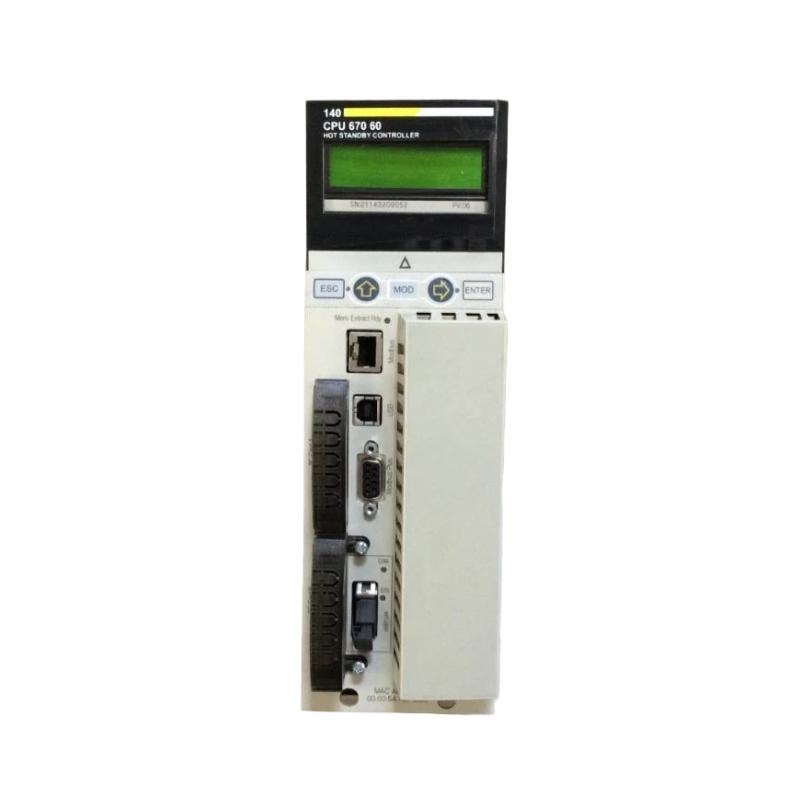
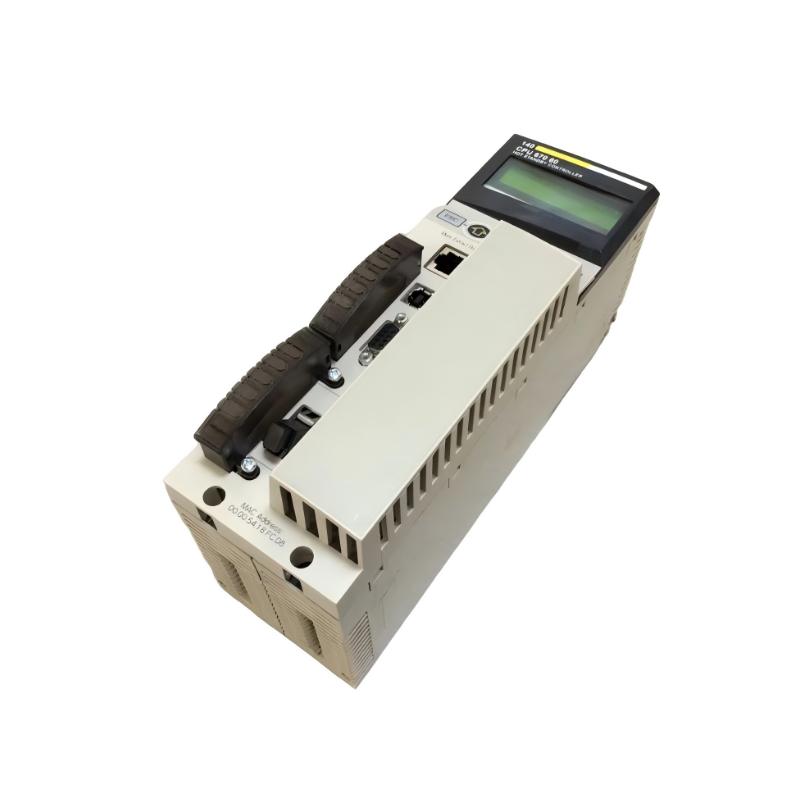
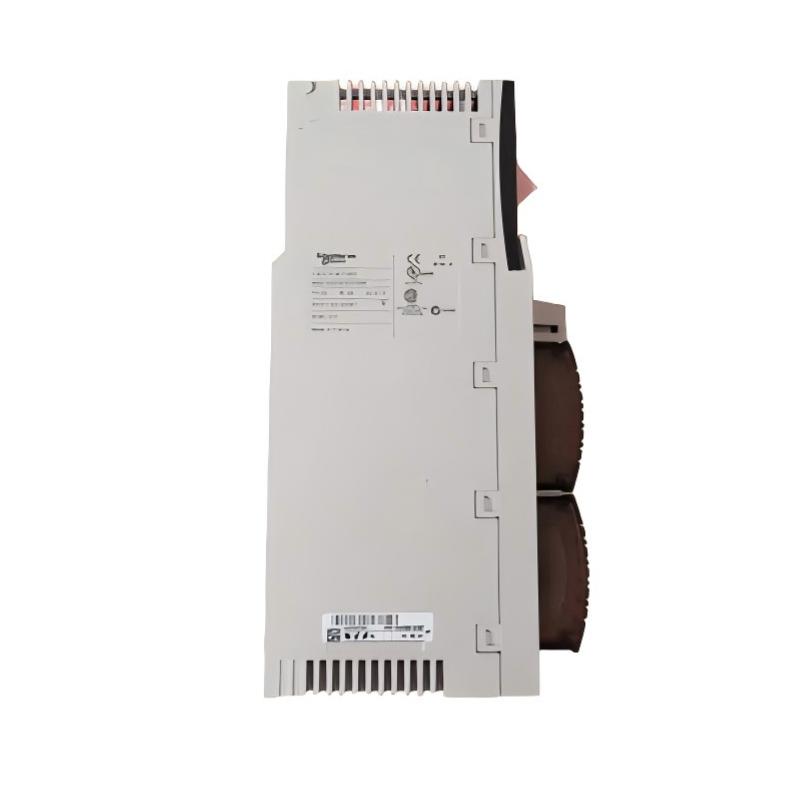
The Schneider 140CPU67060 Unity Processor is designed for demanding automation environments where centralized PLC processing is required to coordinate multiple control tasks simultaneously. As part of the Modicon Quantum controller family, it functions as the main processing engine responsible for executing automation logic, coordinating communication with field devices, and managing system-wide control operations.
Industries that typically deploy this processor include:
-
Oil refining and petrochemical process automation
-
Electrical power generation and grid infrastructure control
-
Large manufacturing facilities with distributed PLC networks
-
Industrial water treatment and environmental control plants
-
Mining operations requiring centralized automation supervision
-
Bulk material handling and industrial logistics systems
In these environments, the processor enables consistent control cycle execution while managing large volumes of I/O data across complex automation architectures.
Engineering Benefits for Control System Design (Advantages)
Designed for Unity Automation Engineering
The processor integrates directly with the Unity development environment, allowing engineers to build, maintain, and update PLC control programs efficiently.
High Reliability for Continuous Industrial Operations
Industrial production systems require controllers capable of operating around the clock. This processor is engineered for dependable long-term performance in demanding facilities.
Efficient System Integration within Quantum Platforms
The processor is fully compatible with Modicon Quantum racks and modules, simplifying installation and expansion of automation systems.
Scalable Control Architecture
Automation systems can grow by adding I/O modules, communication interfaces, or network components without replacing the central processor.
Stable Communication Across System Modules
The processor communicates with other PLC components through the Quantum backplane, enabling reliable data exchange throughout the automation infrastructure.
Engineering Reference Questions (Technical FAQs)
1. What role does the 140CPU67060 processor perform in a PLC system?
It acts as the central control processor, executing automation programs and coordinating communication across the PLC system.
2. Which PLC architecture supports this processor?
The module is designed for the Schneider Modicon Quantum PLC platform.
3. What programming environment is used with this processor?
Automation programs are developed using the Unity engineering environment.
4. How does the processor communicate with system modules?
Communication occurs through the Quantum backplane bus, enabling high-speed data transfer between installed modules.
5. Can the processor support distributed automation systems?
Yes. When paired with appropriate communication modules, it can manage remote I/O networks and distributed control architectures.
6. What industries commonly utilize this processor?
Industries such as energy production, manufacturing, mining, and infrastructure automation frequently deploy this CPU.
7. Does the processor provide diagnostic capabilities?
Yes. Built-in diagnostic functions allow engineers to monitor system health and identify operational faults.
8. How is the module installed in the automation system?
The processor is installed in a Modicon Quantum rack and connects through the PLC backplane.
9. Is this processor suitable for large-scale PLC systems?
Yes. It is capable of supporting large automation systems with multiple modules and distributed devices.
10. What is the advantage of using Unity processors in industrial automation?
Unity processors allow structured programming, scalable automation design, and efficient system maintenance.
 A DCS Q Co., Ltd. - PLC and DCS Industrial Control Equipment Wholesale