Product Overview
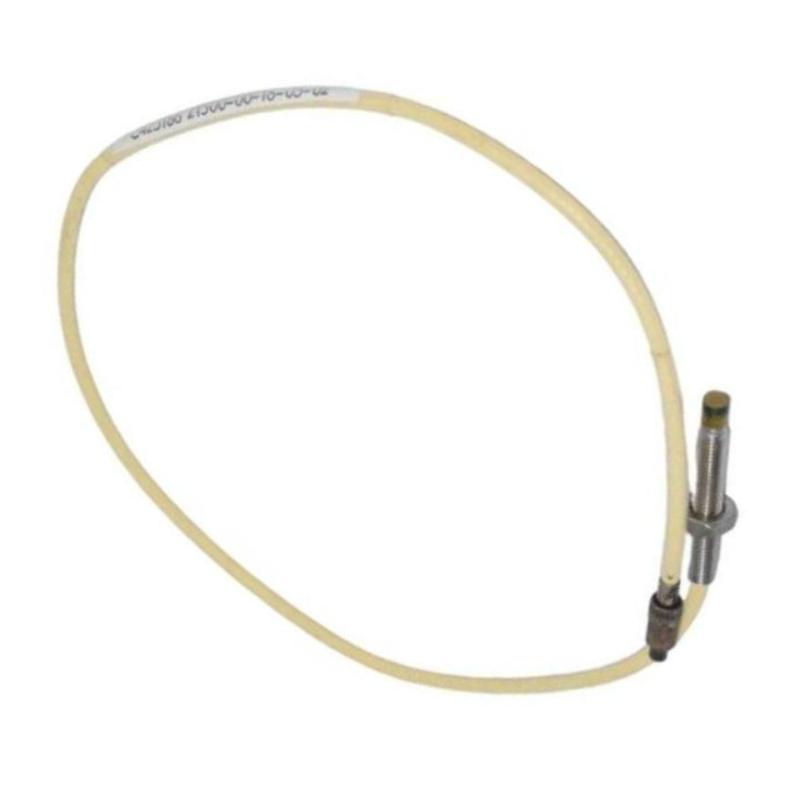
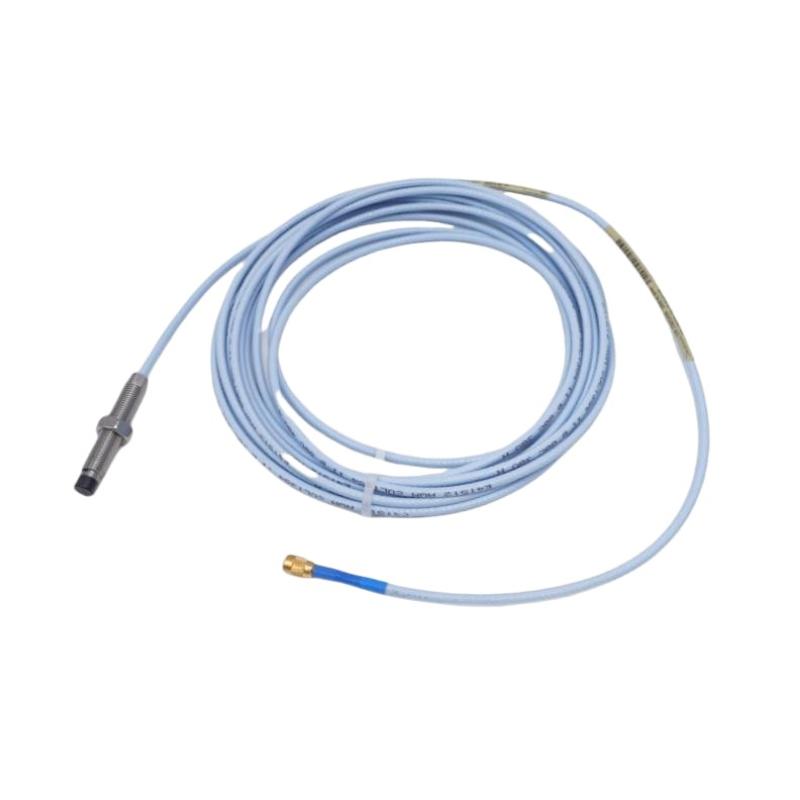
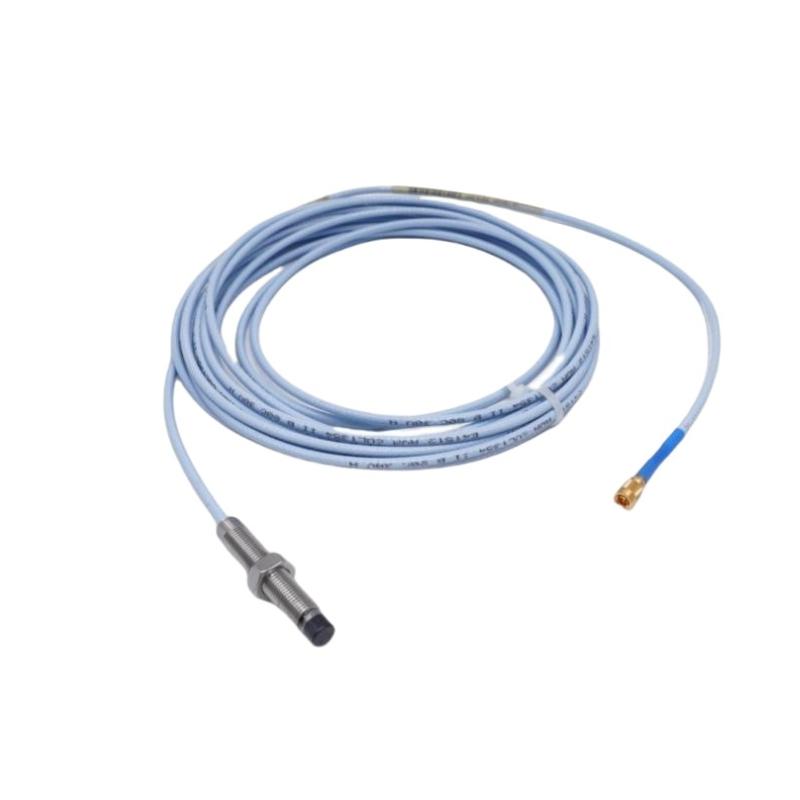
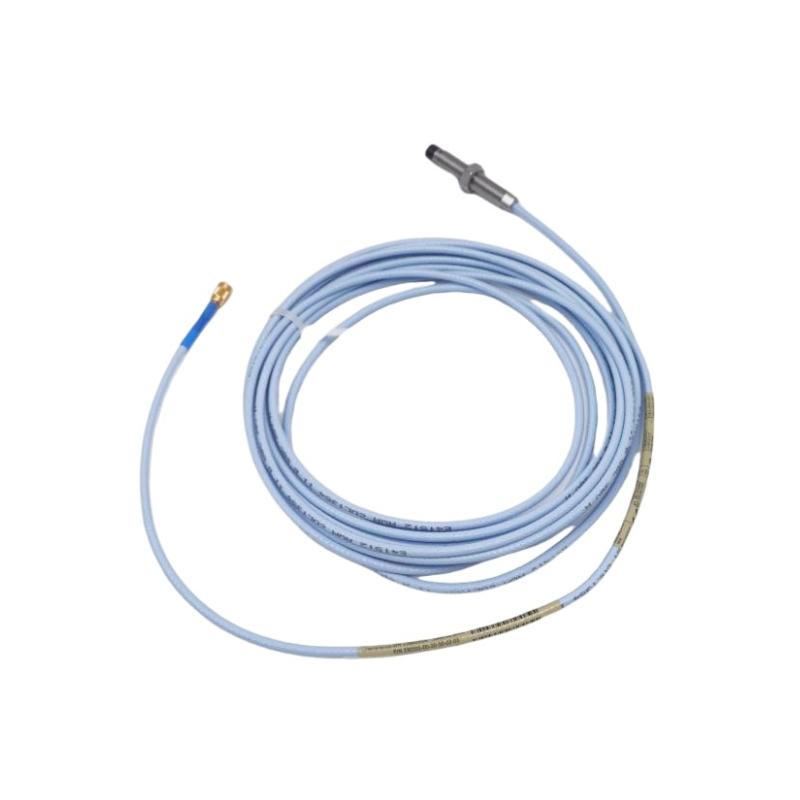
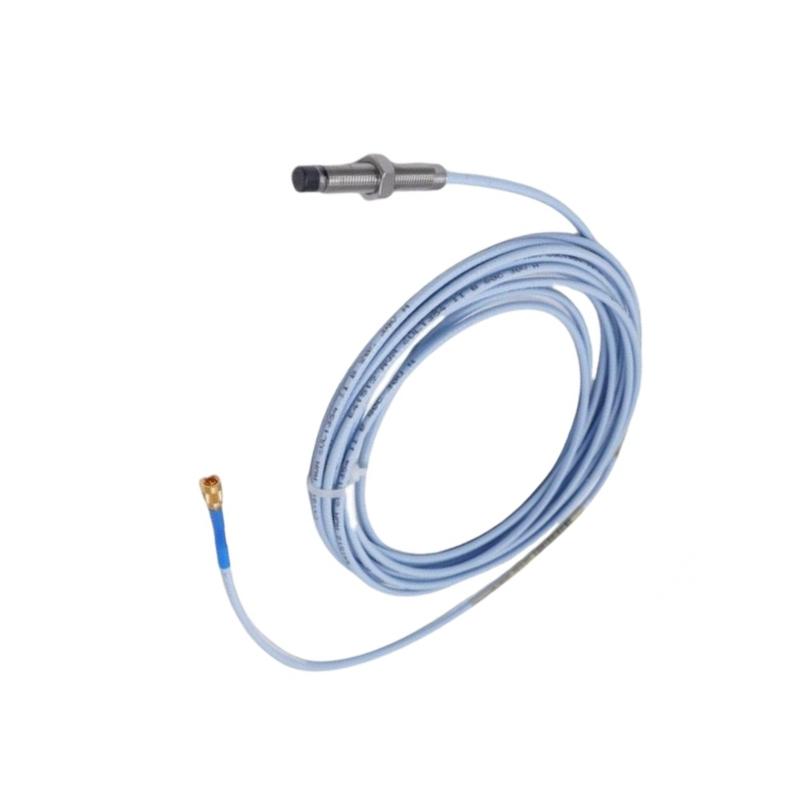
The Bently Nevada 330101-00-15-20-02-05 3300 XL 8 mm Proximity Probe is a precision vibration and displacement sensor developed for continuous monitoring of rotating machinery. As a core component of the 3300 XL transducer system, this probe uses advanced eddy-current technology to deliver accurate, stable measurements of shaft position and vibration in critical industrial equipment.
Designed for long-term reliability in demanding environments, the probe features a rugged stainless-steel housing, high-temperature capability, and excellent resistance to mechanical stress. Its compact form factor and dependable signal performance make it a trusted choice for machinery protection systems and predictive maintenance programs.
This proximity probe is widely deployed in heavy industries where early fault detection and equipment protection are essential for maintaining operational efficiency and minimizing downtime.
Technical Specifications
| Parameter | Specification |
|---|
| Manufacturer | Bently Nevada |
| Model Number | 330101-00-15-20-02-05 |
| Product Type | 3300 XL 8 mm Proximity Probe |
| Probe Thread | 3/8-24 UNF |
| Unthreaded Length | 0 in |
| Case Length | 1.5 in |
| Total Probe System Length | 2.0 m |
| Connector Type | ClickLoc™ miniature coaxial connector |
| Measurement Principle | Eddy-current sensing technology |
| Linear Measurement Range | 2 mm (80 mils) |
| Sensitivity | 7.87 V/mm (200 mV/mil) ±5% |
| Operating Temperature | −52°C to +177°C |
| Probe Housing Material | Stainless steel |
| Dimensions | 6.32 × 2.53 × 2.53 cm |
| Weight | Approximately 0.32 kg |
Industrial Applications
The 3300 XL proximity probe series is engineered to monitor the condition of high-value rotating equipment across various industrial sectors. Its non-contact measurement capability allows continuous monitoring without interfering with machine operation.
Typical applications include:
-
Steam and gas turbine monitoring systems
-
Centrifugal compressors in petrochemical facilities
-
Industrial motors and high-speed pumps
-
Power generation machinery
-
Steel mill production equipment
-
Large ventilation fans and blowers
By measuring the distance between the probe tip and the rotating shaft, the sensor enables early detection of imbalance, misalignment, and mechanical wear.
Key Advantages
High-Precision Vibration Monitoring
The probe delivers highly stable eddy-current signals, ensuring accurate shaft displacement measurements in critical machinery.
Durable Industrial Construction
Manufactured with corrosion-resistant stainless steel and high-strength internal components, the probe withstands harsh industrial environments.
Reliable Cable Connection Technology
The advanced connector design enhances signal integrity and reduces the risk of cable failure during long-term operation.
Wide Temperature Tolerance
With an operating temperature range up to 177°C, the probe is well suited for demanding environments such as turbines and compressors.
Seamless Integration with 3300 XL Systems
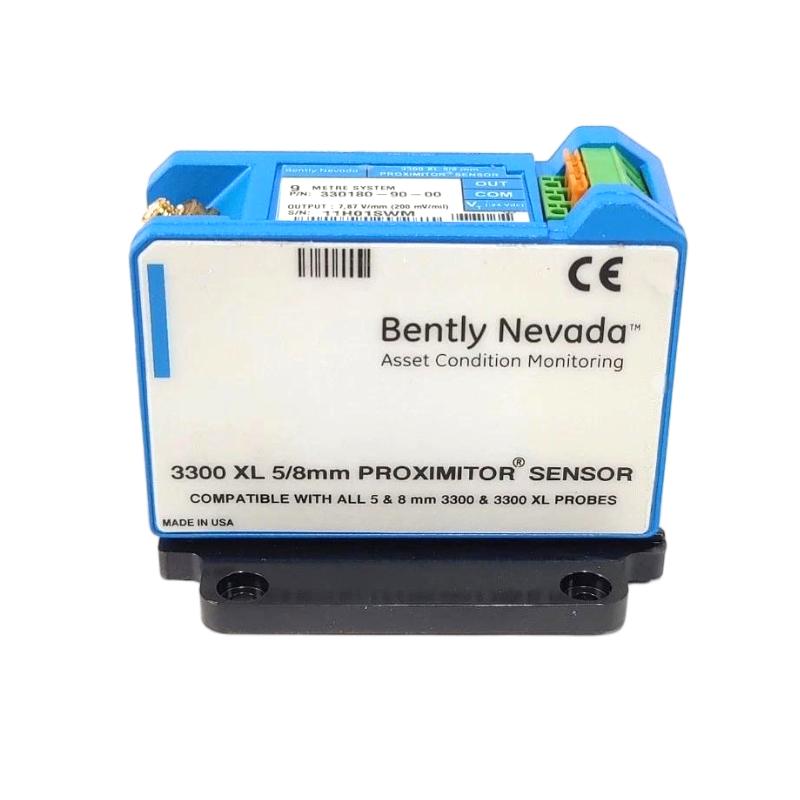
The probe works in combination with compatible extension cables and proximitor sensors, forming a complete vibration monitoring solution.
Technical FAQs
1. What is the primary purpose of the 330101-00-15-20-02-05 proximity probe?
It measures shaft vibration and displacement in rotating machinery for condition monitoring and protection systems.
2. Is this probe part of a larger monitoring system?
Yes, it operates as part of the 3300 XL proximity transducer system together with an extension cable and proximitor sensor.
3. What is the measurement range of the probe?
The probe typically provides a linear measurement range of approximately 2 mm (80 mils).
4. Which industries commonly use this probe?
Power generation, oil and gas, petrochemical processing, steel production, and heavy manufacturing.
5. What connection type is used on the probe?
It uses a ClickLoc miniature coaxial connector designed for secure and stable signal transmission.
6. Can the probe operate in high-temperature environments?
Yes, it supports operating temperatures up to 177°C.
7. What material is used for the probe housing?
The housing is made from corrosion-resistant stainless steel.
8. How does the probe measure shaft movement?
It uses eddy-current sensing technology to detect the distance between the probe tip and a conductive target surface.
9. What is the typical installation gap voltage?
The standard gap voltage is approximately −9 VDC, corresponding to the recommended probe positioning.
10. Does the probe require regular maintenance?
Routine inspection of probe alignment, cable condition, and system calibration is recommended for optimal performance.
 A DCS Q Co., Ltd. - PLC and DCS Industrial Control Equipment Wholesale