Industrial Control Use Cases (Applications)
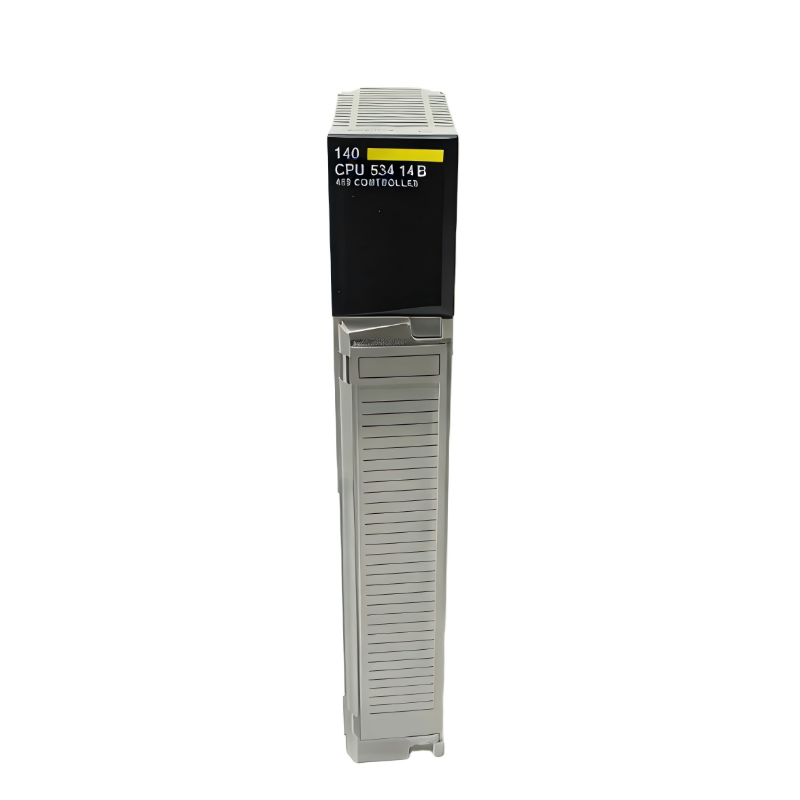
The Schneider 140CPU53414B Unity Processor Module functions as the primary processing unit within Modicon Quantum automation systems that utilize the Unity programming environment. It is designed to coordinate control logic, manage I/O data processing, and ensure reliable communication between automation modules.
Typical application areas include:
-
Large-scale process automation in petrochemical facilities
-
Electrical power generation and energy distribution control systems
-
Municipal water treatment and pumping station automation
-
Industrial manufacturing lines requiring centralized PLC coordination
-
Mining and mineral processing operations
-
Integrated plant-wide control networks in heavy industry
In these scenarios, the processor manages real-time control tasks and maintains communication across multiple I/O modules and industrial network interfaces.
System-Level Performance Benefits (Advantages)
Designed for Unity-Based Automation Platforms
The processor integrates directly with Unity-based engineering environments, enabling structured program development and efficient system configuration.
Stable PLC Program Execution
It provides reliable processing performance for executing complex industrial control logic while maintaining consistent PLC scan cycles.
Scalable Automation Architecture
The module supports expansion of automation systems through the integration of additional Quantum I/O modules and communication interfaces.
High Reliability for Continuous Operations
Industrial processes that require uninterrupted automation control benefit from the processor’s durable hardware design.
Efficient System Communication
The processor coordinates real-time communication across the Quantum backplane, ensuring reliable interaction between system components.
Engineering Support Section (Technical FAQs)
1. What platform supports the 140CPU53414B processor?
It operates within the Schneider Modicon Quantum PLC architecture.
2. What programming environment is used with this processor?
The module is designed for systems configured with the Unity programming environment.
3. What is the primary role of this processor in the PLC system?
It executes automation programs and coordinates communication between I/O modules and network interfaces.
4. How does the processor communicate with system modules?
Communication occurs through the Quantum backplane bus, enabling high-speed data exchange.
5. Can the processor manage distributed control systems?
Yes. With appropriate communication modules, it can support remote I/O and distributed automation networks.
6. What types of industrial programming are supported?
The Unity environment supports programming standards such as ladder logic and function block diagrams.
7. Is the processor suitable for continuous industrial operation?
Yes. It is designed to operate reliably in mission-critical industrial environments.
8. How does the processor assist with system monitoring?
Integrated diagnostic functions allow engineers to monitor system performance and detect operational issues.
9. What industries commonly deploy Unity processors?
Industries including energy production, manufacturing, infrastructure automation, and heavy industry frequently utilize these processors.
10. How is the module installed within the PLC system?
The processor installs into a Modicon Quantum rack, connecting to other modules through the system backplane.
 A DCS Q Co., Ltd. - PLC and DCS Industrial Control Equipment Wholesale