Product Overview (Introduction)
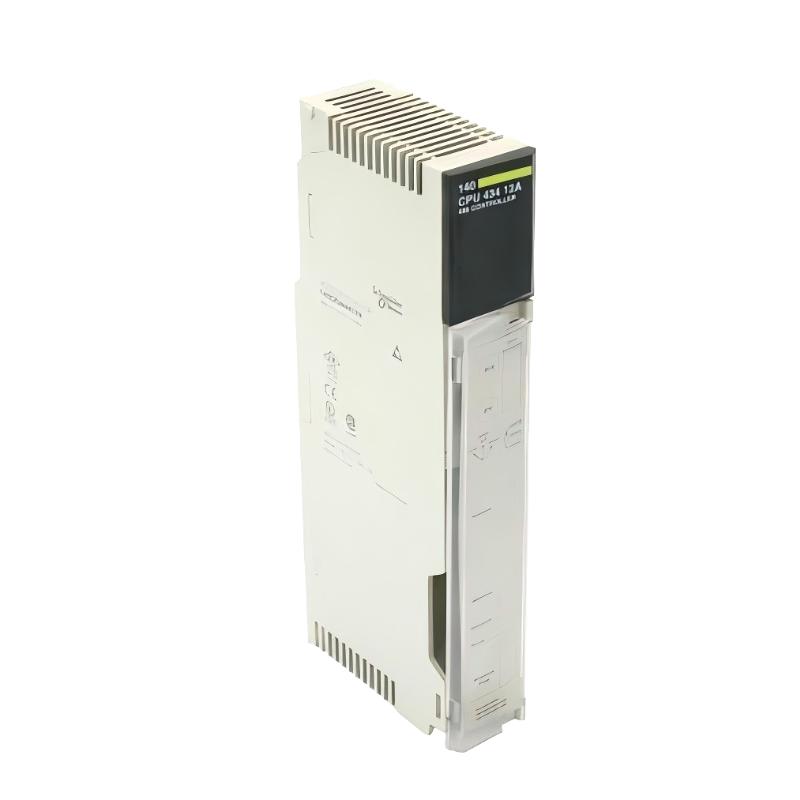
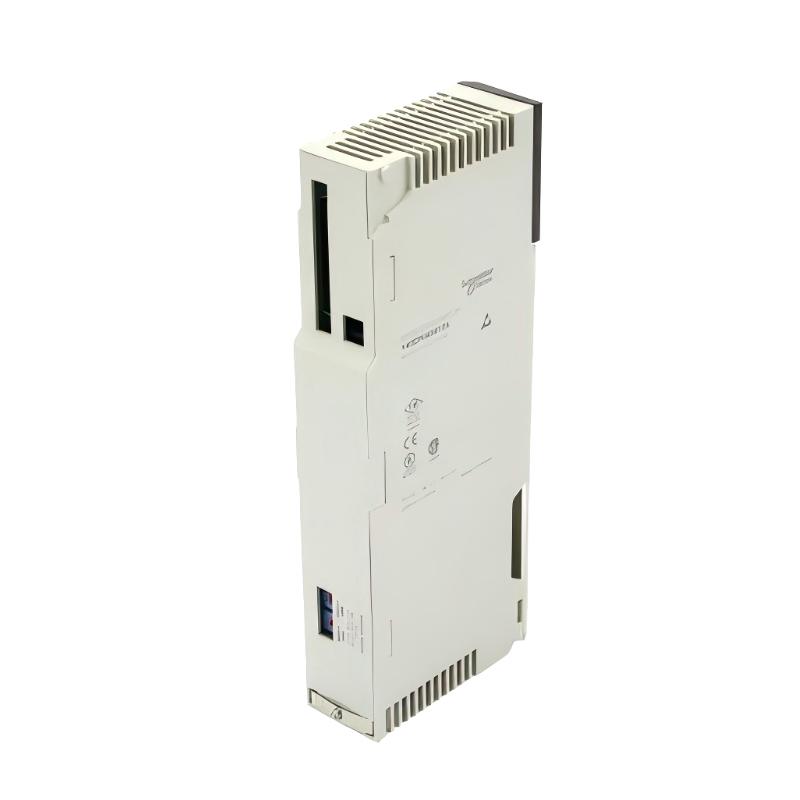
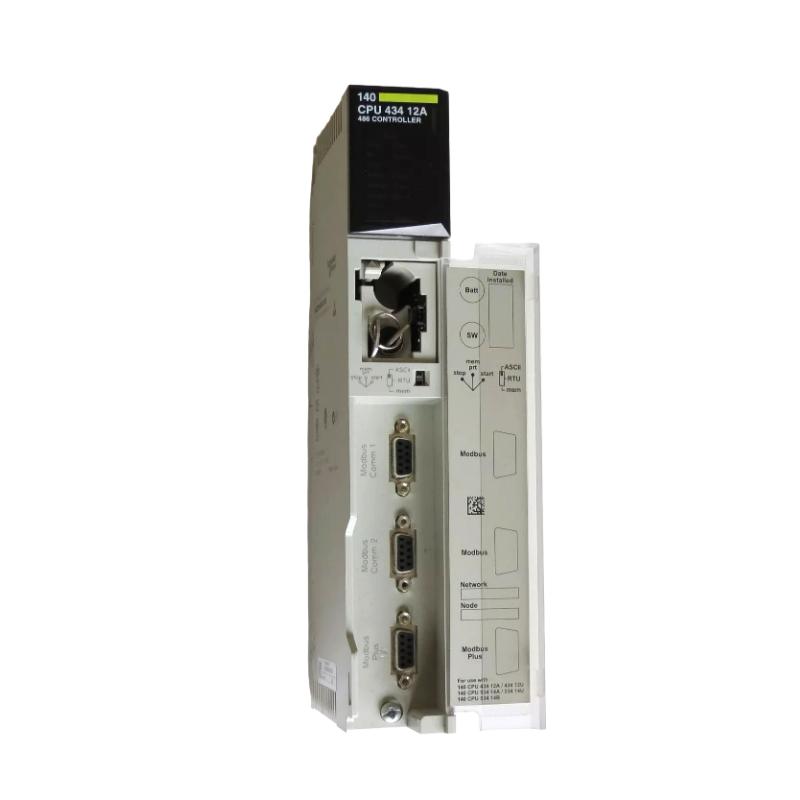
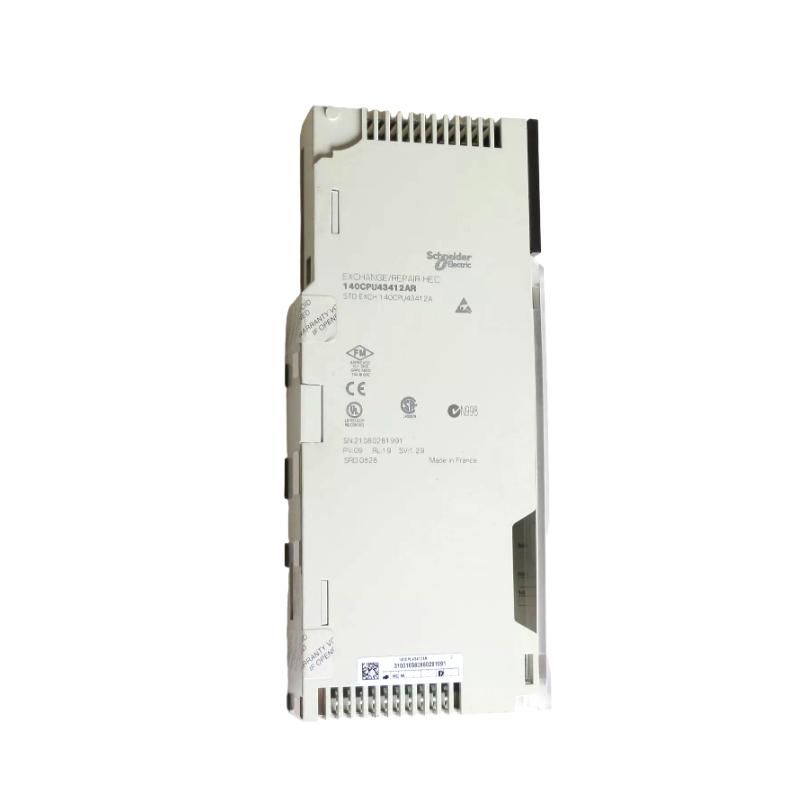
The Schneider 140CPU43412C Processor Module is a programmable logic controller CPU designed for use in the Modicon Quantum automation platform. As the main processing unit within the PLC rack, it executes control logic, processes field data, and manages communication across the automation system.
Industrial automation systems often require controllers capable of managing large I/O networks while maintaining stable execution performance. The 140CPU43412C processor provides this capability by coordinating communication between input/output modules, network interfaces, and higher-level supervisory systems.
Because it operates at the core of the automation architecture, the processor is designed to ensure reliable program execution and efficient data exchange. This allows industrial facilities to maintain stable production operations and respond quickly to process changes.
The processor’s integration within the Quantum system also allows engineers to expand automation infrastructure while maintaining a unified control platform.
Hardware Reference Overview (Technical Specifications)
| Specification | Details |
|---|
| Manufacturer | Schneider Electric |
| Model Number | 140CPU43412C |
| Module Type | Processor Module |
| Platform | Modicon Quantum PLC |
| Function | Central PLC Processing Unit |
| Installation | Quantum Rack Mount |
| Communication | Backplane Communication with I/O Modules |
| Operating Temperature | 0°C to 60°C |
| Storage Temperature | -40°C to 85°C |
| Dimensions | 103.9 mm × 40.3 mm × 250 mm |
| Weight | 0.64 kg (1.41 lb) |
Typical Industrial Control Environments (Applications)
The Schneider 140CPU43412C Processor Module is a core controller used within Modicon Quantum automation platforms, designed to manage complex control logic and coordinate system-wide communication across industrial processes. As the main processing unit of a PLC rack, it plays a critical role in ensuring reliable and deterministic automation performance.
Common industrial deployment areas include:
-
Process automation systems in chemical and petrochemical plants
-
Electrical power generation and distribution control
-
Industrial water and wastewater treatment facilities
-
Heavy manufacturing and continuous production environments
-
Mining and mineral processing operations
-
Plant-wide automation networks requiring centralized PLC control
In these environments, the processor is responsible for executing control logic, managing I/O data exchange, and maintaining synchronization between multiple automation subsystems.
Operational Advantages in Automation Systems (Advantages)
High Stability for Continuous Industrial Operation
The processor is engineered to maintain consistent performance in demanding industrial environments where downtime or unstable control logic can disrupt production.
Optimized for Quantum PLC Infrastructure
Designed specifically for the Modicon Quantum architecture, the module ensures seamless integration with Quantum I/O modules and communication interfaces.
Efficient Program Execution
The CPU provides reliable processing performance for executing ladder logic, sequential control strategies, and complex automation routines.
Scalable System Expansion
Automation engineers can expand system capacity by integrating additional I/O or network modules without replacing the central processor.
Robust Industrial Design
The hardware is built to tolerate electrical noise, temperature variations, and vibration commonly found in large-scale industrial facilities.
Engineering Knowledge Base (Technical FAQs)
1. What role does the 140CPU43412C play in a PLC system?
It functions as the central processing unit, executing the automation program and coordinating communication with I/O modules.
2. Which automation platform supports this processor?
The module operates within the Schneider Modicon Quantum PLC platform.
3. What programming methods are supported by the processor?
It supports industrial control programming methods such as ladder logic and function block programming.
4. How does the processor communicate with other modules?
Communication occurs through the Quantum backplane bus, enabling real-time data transfer between system components.
5. Can the CPU manage distributed automation systems?
Yes. With compatible communication modules, it can coordinate remote I/O networks and distributed control architectures.
6. What types of industrial processes typically require this processor?
It is commonly used in continuous process automation, including energy production, manufacturing, and environmental control systems.
7. Does the processor support system diagnostics?
Yes. Built-in diagnostic capabilities help identify operational faults and assist maintenance personnel during troubleshooting.
8. How is the module installed within the system?
The processor installs directly into a Modicon Quantum rack, connecting to other modules through the system backplane.
9. Is the processor suitable for long-term industrial operation?
Yes. It is designed for continuous operation in critical automation environments.
10. What is the primary advantage of using a Quantum processor in large facilities?
It allows centralized automation control with scalable I/O capacity, supporting complex industrial control strategies.
 A DCS Q Co., Ltd. - PLC and DCS Industrial Control Equipment Wholesale