Product Introduction
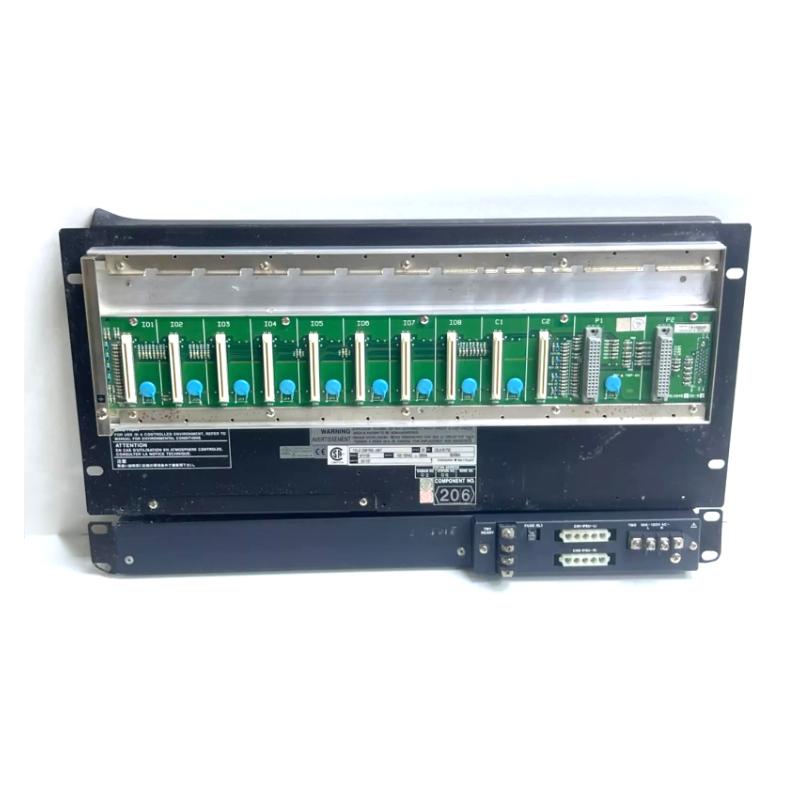
The Yokogawa AFV10D-F1 Duplex Field Control Unit is an industrial automation controller designed to deliver reliable process control within distributed control system infrastructures. In modern process plants, automation controllers must process large volumes of real-time data while ensuring continuous plant operation.
The AFV10D-F1 integrates duplex processing architecture, redundant communication networks, and modular I/O connectivity. This architecture allows the controller to maintain stable control performance even if hardware faults occur.
Installed within field control stations, the controller acts as a central processing node that interprets sensor inputs, executes control algorithms, and communicates with plant-wide automation systems. Its high-availability design makes it suitable for industries where operational stability, safety, and continuous production are critical.
Technical Specifications
| Parameter | Specification |
|---|
| Product Model | AFV10D-F1 |
| Product Type | Duplex Field Control Unit |
| Manufacturer | Yokogawa |
| System Platform | Distributed Control System (DCS) |
| Communication Network | Vnet/IP Redundant Industrial Network |
| Control Architecture | Duplex Redundant Processing |
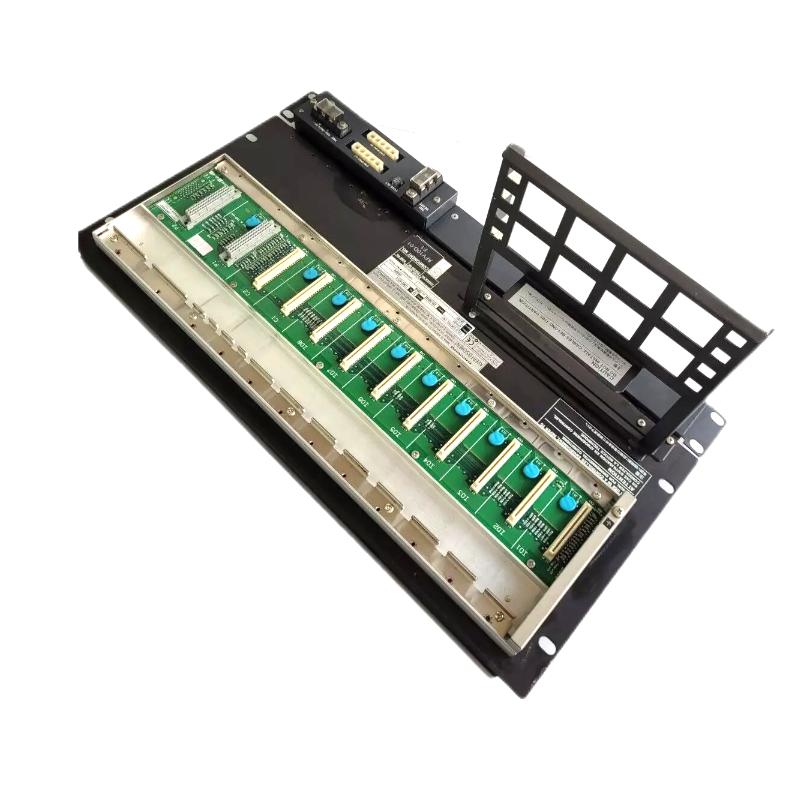
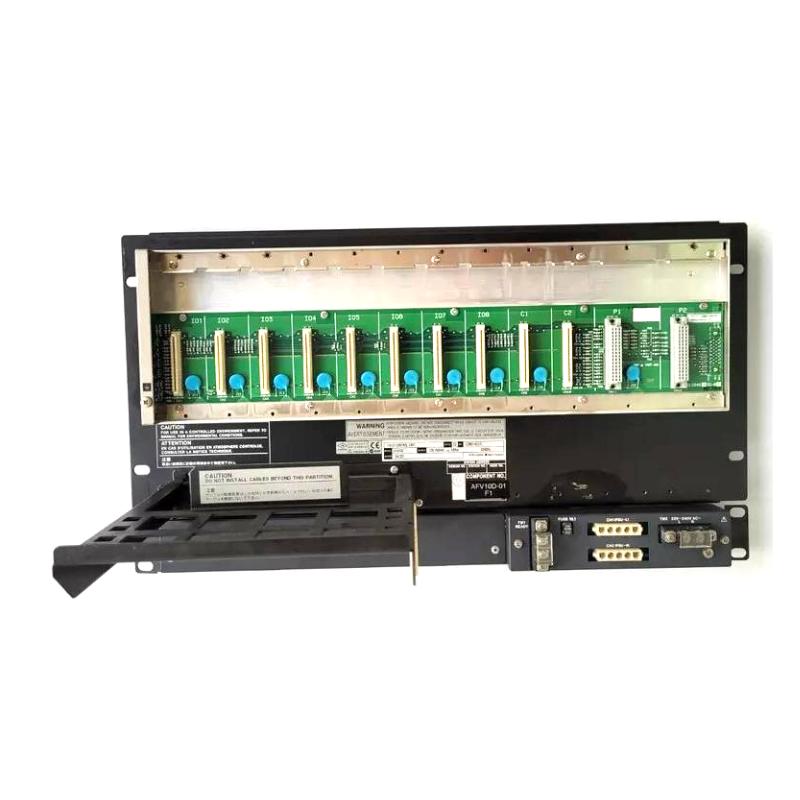
| Rack Type | 19-inch Rack Mount |
| Dimensions | 207 × 265.9 × 482.6 mm |
| Weight | 8 kg (17.637 lb) |
Typical Process Automation Deployment
The Yokogawa AFV10D-F1 Duplex Field Control Unit is designed as a core controller within field control stations used in distributed control system (DCS) architectures. It provides high-availability control processing and redundant system operation for industrial plants that require continuous monitoring and automation management.
In advanced process environments, field control units manage large volumes of process data from sensors and instruments, executing automation logic and transmitting commands to field devices. The AFV10D-F1 operates with duplex redundancy, ensuring uninterrupted control even if one processing path encounters a fault.
This controller is widely used in environments where operational continuity and reliability are essential, including:
-
Oil and gas production and refining facilities
-
Petrochemical and chemical processing plants
-
Power generation and energy infrastructure
-
Large-scale manufacturing automation systems
-
Continuous industrial processing environments
The unit functions as a central control element within a Field Control Station (FCS) used in industrial automation platforms such as integrated production control systems.
Operational Advantages for Control Engineers
Full Duplex Redundancy
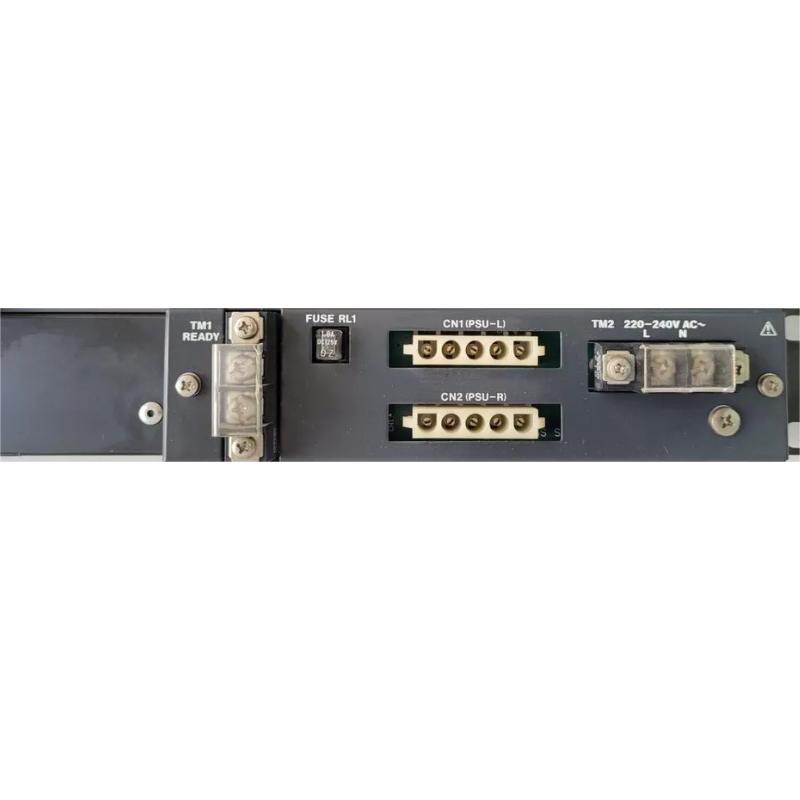
The unit incorporates dual processors and redundant power architecture, ensuring continuous operation if one channel fails.
High Availability Control Processing
Designed for mission-critical automation where control system downtime must be minimized.
Seamless Integration with Industrial DCS Platforms
Supports communication through redundant industrial networks, enabling stable data exchange across control stations.
Rack-Mounted Industrial Architecture
The system is designed for 19-inch rack installation within control cabinets, supporting modular automation infrastructures.
Fault-Tolerant Industrial Operation
The duplex design ensures that if one processor or power supply becomes unavailable, the system continues running without interruption.
Technical FAQs
1. What is the main function of the AFV10D-F1 controller?
It executes process control logic and manages field-level automation within distributed control systems.
2. What does duplex architecture mean in this controller?
It means two synchronized processing channels operate simultaneously, providing redundancy.
3. Which automation platform commonly uses this unit?
It is typically used within Yokogawa CENTUM VP distributed control systems.
4. What communication technology does the controller support?
It supports redundant industrial communication through Vnet/IP networks.
5. How does the controller protect data during power interruptions?
A battery backup system maintains internal memory for up to approximately 72 hours.
6. How many node units can connect to the controller?
Up to 13 node units can be connected within the field control architecture.
7. How many I/O modules can be integrated with the controller?
The system supports multiple I/O modules, typically up to eight within a standard configuration.
8. What processor architecture is used in the unit?
The controller utilizes an industrial processor platform designed for real-time control operations.
9. What installation method is used for the controller?
It is mounted in a standard 19-inch industrial rack within control cabinets.
10. Why are duplex field control units used in critical industries?
They provide fault tolerance, ensuring that industrial processes continue operating even during hardware failures.
 A DCS Q Co., Ltd. - PLC and DCS Industrial Control Equipment Wholesale











