Introduction
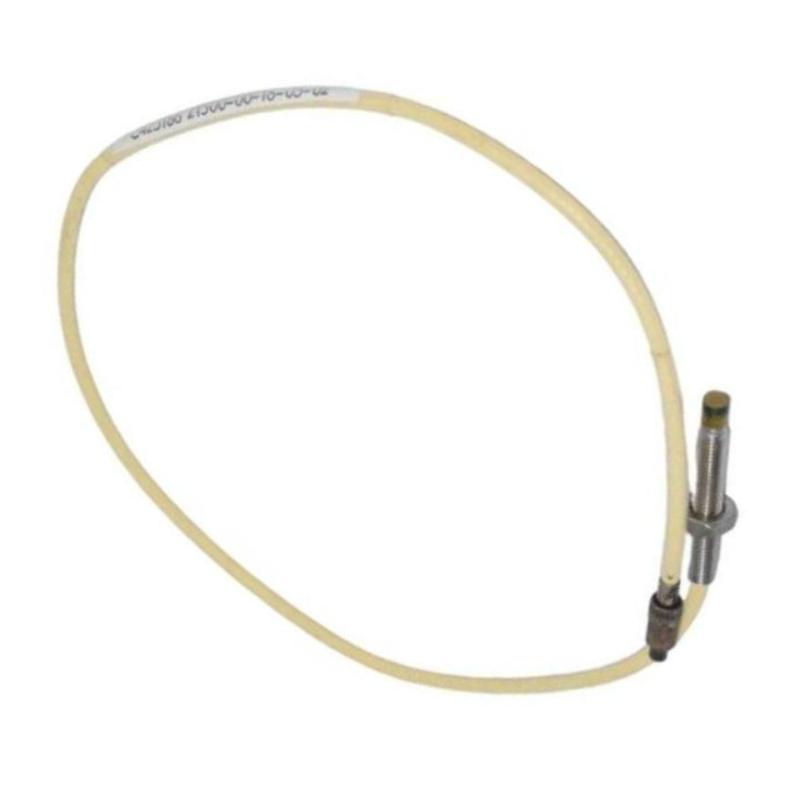
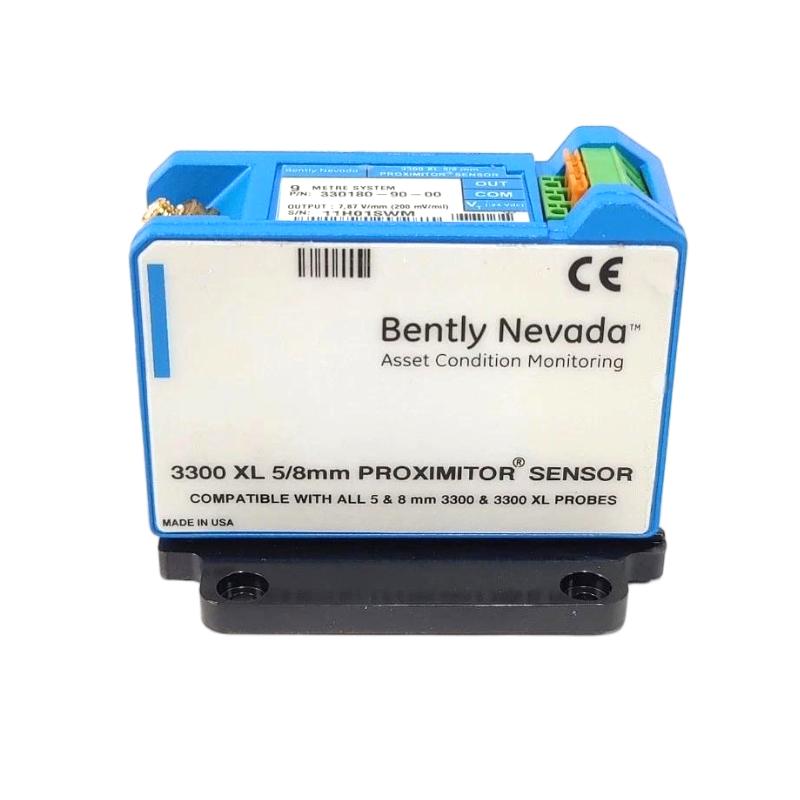
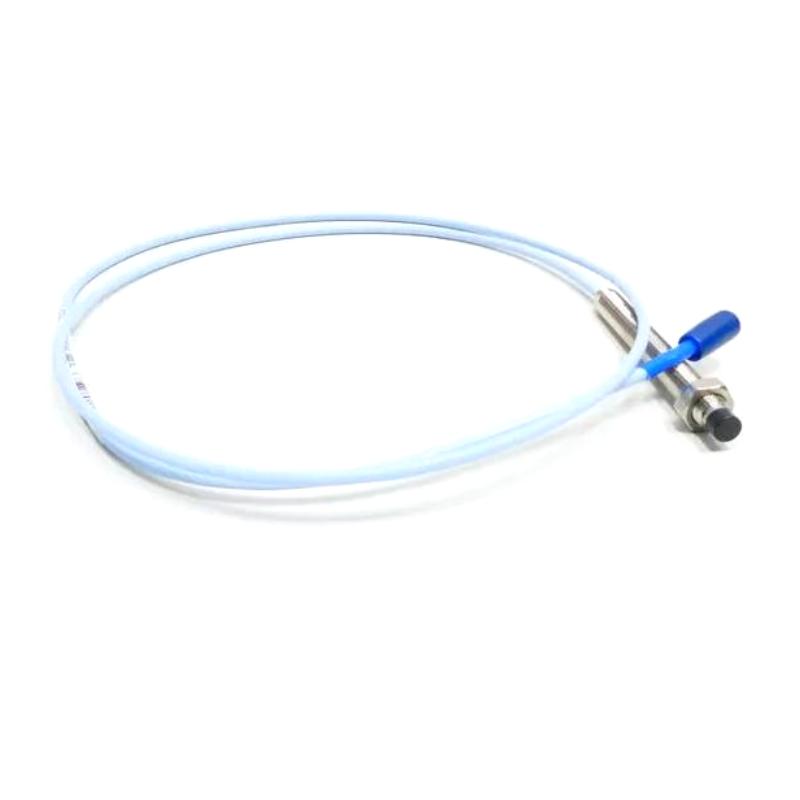
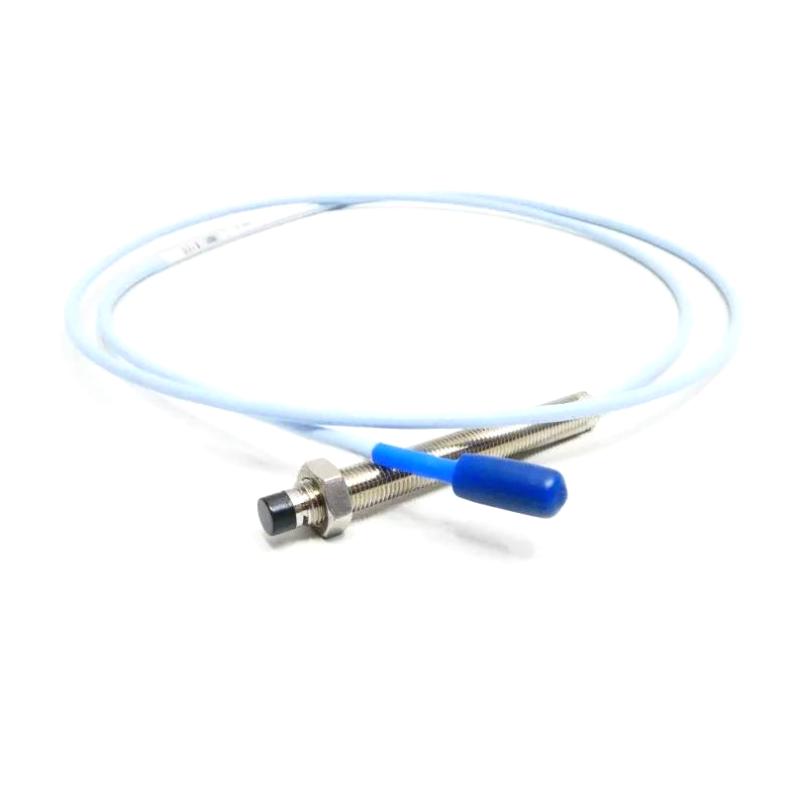
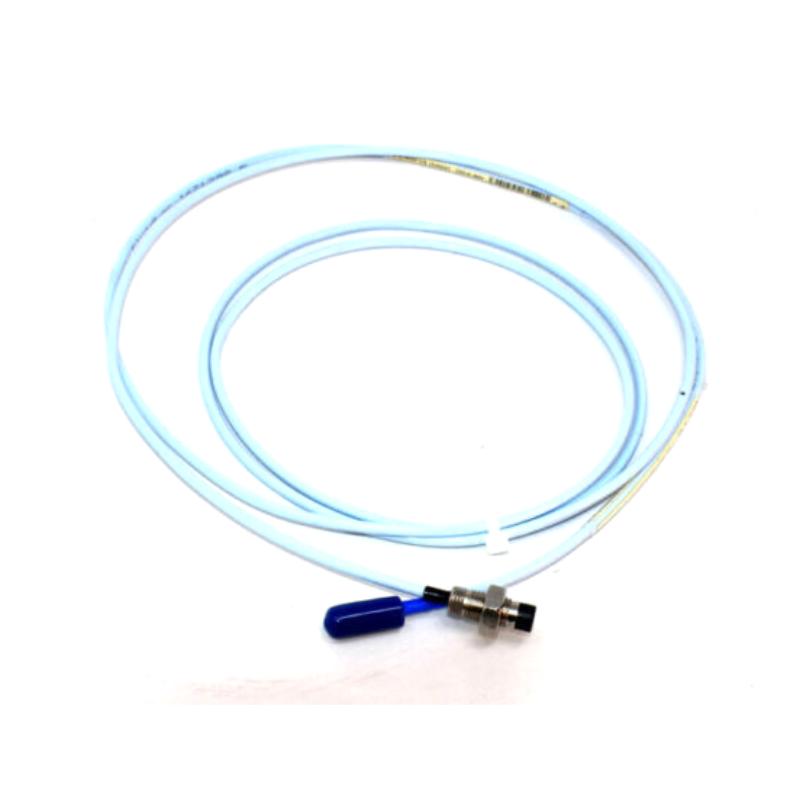
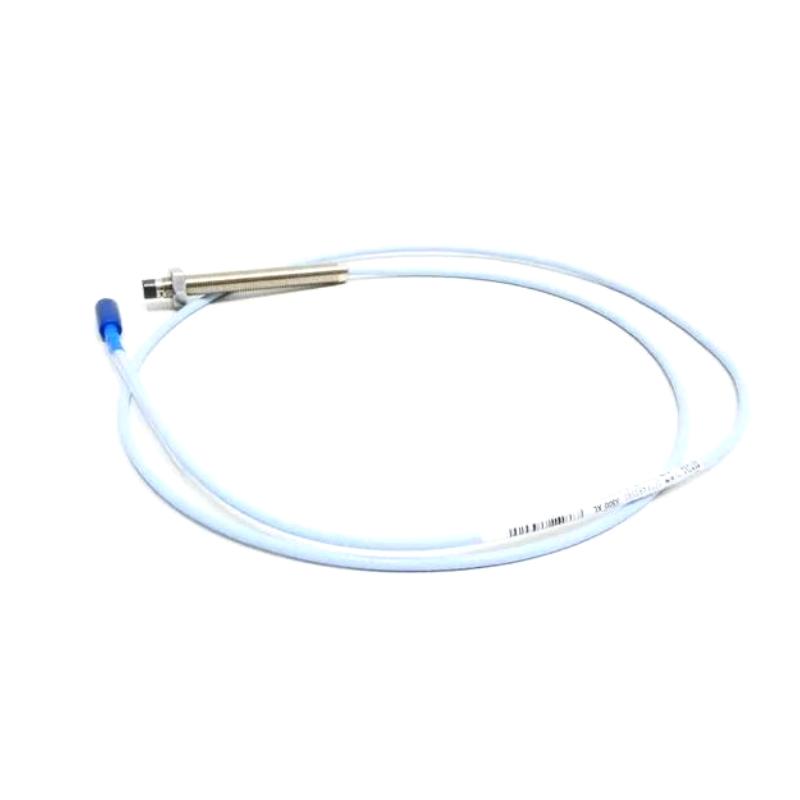
The Bently Nevada 330101-00-32-10-02-05 3300 XL 8mm Proximity Probe is a high-precision non-contact vibration and displacement sensor engineered for monitoring critical rotating machinery. As part of the widely used 3300 XL Proximity Transducer System, this probe provides reliable shaft vibration and position measurements essential for machine protection and predictive maintenance programs.
Built with a durable stainless-steel probe body and a high-temperature PPS sensing tip, the probe is designed to withstand harsh industrial environments. Its ClickLoc miniature coaxial connector ensures secure signal transmission, making it suitable for demanding applications in turbines, compressors, pumps, and generators where accurate monitoring is vital to avoid costly equipment failures.
Technical Specifications
| Specification | Details |
|---|
| Model Number | 330101-00-32-10-02-05 |
| Product Series | 3300 XL |
| Module Type | Proximity Probe |
| Probe Diameter | 8 mm |
| Thread Size | 3/8-24 UNF |
| Unthreaded Length | 0.0 in |
| Case Length | 3.2 in |
| Total Probe Length | 1.0 m cable |
| Connector Type | Miniature coaxial ClickLoc connector |
| Probe Tip Material | Polyphenylene Sulfide (PPS) |
| Probe Housing Material | Stainless Steel (AISI 303/304) |
| Linear Measurement Range | Approx. 2 mm (80 mils) |
| Scale Factor | 7.87 V/mm (200 mV/mil) ±5% |
| Operating Temperature | −52 °C to +177 °C |
| Cable Capacitance | ~69.9 pF/m |
| DC Resistance | ~7.6 Ω ±0.5 Ω |
| Dimensions | Probe case length 3.2 in |
| Weight | Approx. 0.32 kg |
Applications
The 330101-00-32-10-02-05 proximity probe is commonly installed in industrial condition monitoring systems where accurate shaft movement detection is required:
-
Steam and gas turbine vibration monitoring
-
Compressor shaft displacement measurement
-
Pump and motor condition monitoring
-
Generator rotor position detection
-
Oil & gas processing equipment monitoring
-
Predictive maintenance programs for rotating machinery
Continuous monitoring using proximity probes allows early detection of imbalance, misalignment, or bearing wear in critical equipment.
Advantages
High-Accuracy Eddy Current Measurement
The probe delivers precise shaft displacement and vibration measurement within the standard operating gap range used for machine protection systems.
Industrial-Grade Construction
AISI 303/304 stainless steel housing and PPS probe tip provide excellent resistance to heat, corrosion, and mechanical stress.
Secure ClickLoc Connector System
The miniature coaxial ClickLoc connector ensures stable electrical connections and prevents accidental disconnection.
Reliable Operation in Harsh Environments
The probe operates across a wide temperature range and maintains measurement stability even under high humidity and vibration conditions.
Optimized for Machinery Protection Systems
Designed specifically for integration with the 3300 XL monitoring platform used in industrial vibration monitoring.
Technical FAQs
1. What does the 330101-00-32-10-02-05 probe measure?
It measures shaft vibration and displacement in rotating machinery using eddy-current sensing technology.
2. What is the probe diameter?
The sensing probe diameter is 8 mm.
3. What is the cable length for this configuration?
This model includes a total probe cable length of 1.0 meter.
4. What thread size is used for mounting?
The probe uses a standard 3/8-24 UNF threaded mounting.
5. What is the operating temperature range?
The probe operates between approximately −52 °C and +177 °C.
6. Can the probe be used independently?
No, it must operate as part of a complete 3300 XL proximity transducer system.
7. What connector type does the probe use?
A miniature coaxial ClickLoc connector.
8. What industries typically use this probe?
Power generation, oil and gas, petrochemical processing, and heavy manufacturing.
9. What is the typical measurement range?
The standard linear measurement range is approximately 2 mm (80 mils).
10. Why are proximity probes critical for machinery monitoring?
They detect vibration and shaft movement early, allowing maintenance teams to prevent equipment failures and unexpected downtime.
 A DCS Q Co., Ltd. - PLC and DCS Industrial Control Equipment Wholesale