Product Introduction
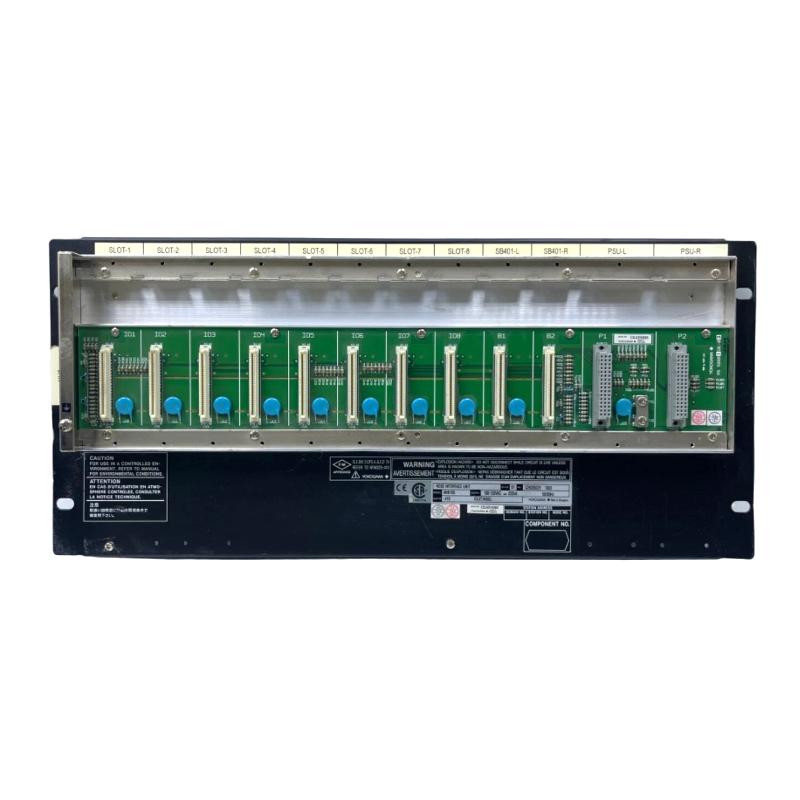
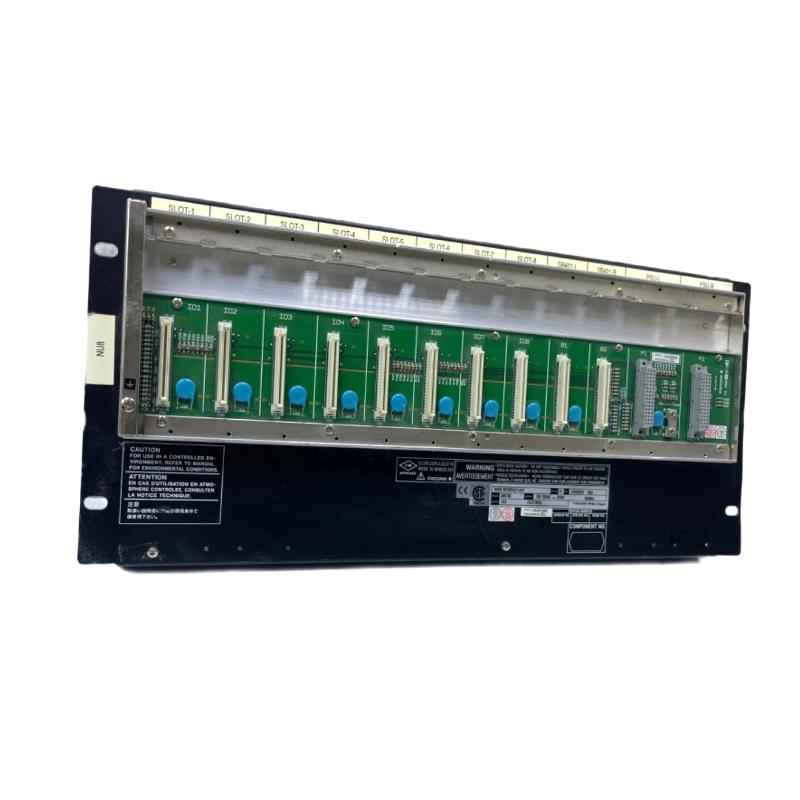
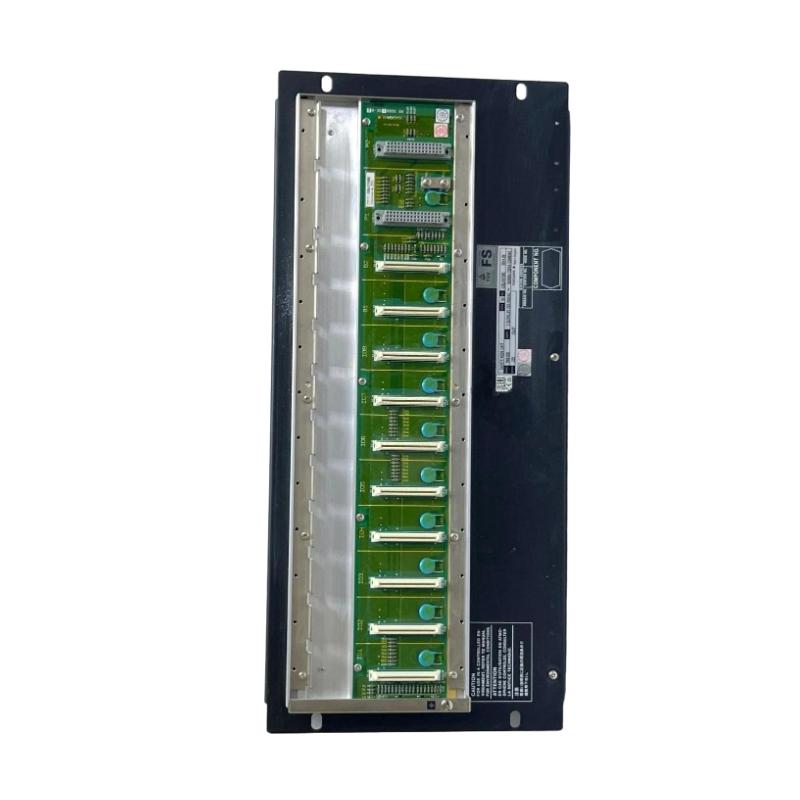
The Yokogawa AFS30D Duplex Field Control Unit is an industrial automation controller designed for distributed control systems that require high reliability and continuous operation. In complex process industries, control units must manage multiple automation tasks while maintaining uninterrupted performance.
The duplex architecture integrates two synchronized control processors, providing redundancy and ensuring that system operations remain stable even if one processor encounters a fault. This architecture is particularly valuable in industries where downtime can lead to significant operational or safety risks.
With its robust control capability and fault-tolerant design, the AFS30D is suitable for integration into large-scale industrial automation infrastructures that demand dependable and continuous control performance.
Technical Specifications
| Parameter | Specification |
|---|
| Product Model | AFS30D |
| Product Type | Duplex Field Control Unit |
| Manufacturer | Yokogawa |
| Control Architecture | Redundant Duplex Processing |
| System Compatibility | Distributed Control Systems (DCS) |
| Installation Type | Control Cabinet / System Rack |
| Dimensions | 207 × 265.9 × 482.6 mm |
| Weight | 8 kg (17.637 lb) |
Industrial Process Control Applications
The Yokogawa AFS30D Duplex Field Control Unit is engineered to deliver reliable control processing within distributed control system (DCS) environments used in large industrial facilities. As a duplex controller, it incorporates redundant processing architecture that enhances system availability and operational continuity in mission-critical processes.
In modern industrial plants, control units must maintain stable process management even when hardware faults occur. The duplex design ensures that a secondary control path remains active, allowing the system to continue operating without disruption.
Typical application environments include:
-
Oil and gas production and refining control systems
-
Power plant automation infrastructure
-
Chemical and petrochemical process control
-
Industrial manufacturing automation systems
-
Continuous production plants requiring high system reliability
Through redundant processing and stable field-level control, the unit helps maintain safe and uninterrupted plant operations.
Engineering Advantages
Redundant Duplex Processing Architecture
Two synchronized control processors provide backup capability to maintain operation during component failure.
High Availability Control Platform
The design supports industrial facilities where process downtime must be minimized.
Robust Field-Level Control Capability
Handles control logic execution, process monitoring, and system coordination within distributed automation architectures.
Seamless Integration with DCS Infrastructure
Designed to operate as part of large distributed control systems with multiple controllers and I/O subsystems.
Reliable Continuous Operation
Built to support industrial environments where control systems run continuously for extended periods.
Technical FAQs
1. What is the main purpose of the AFS30D field control unit?
It performs control processing tasks and manages automation logic within distributed control systems.
2. What does the duplex design provide?
It offers redundant control processing paths that ensure uninterrupted system operation.
3. Why is redundancy critical in industrial automation systems?
Because it prevents operational downtime and maintains control during hardware failures.
4. In which industries is this controller commonly used?
Oil and gas, power generation, petrochemical processing, and large-scale manufacturing.
5. How does the controller interact with field devices?
Through connected I/O modules that transmit sensor data and send control signals to equipment.
6. Where is the unit typically installed?
Inside industrial control cabinets or automation system racks.
7. Can the unit support continuous industrial processes?
Yes, it is designed for environments that operate around the clock.
8. How does the duplex system maintain system stability?
If one processing path fails, the backup processor immediately maintains system control.
9. What role does it play in plant-wide automation systems?
It executes process logic and coordinates field-level control functions.
10. Why are duplex controllers preferred in critical infrastructure?
Because they improve system reliability and reduce the risk of production interruptions.
 A DCS Q Co., Ltd. - PLC and DCS Industrial Control Equipment Wholesale