Industrial Control System Applications
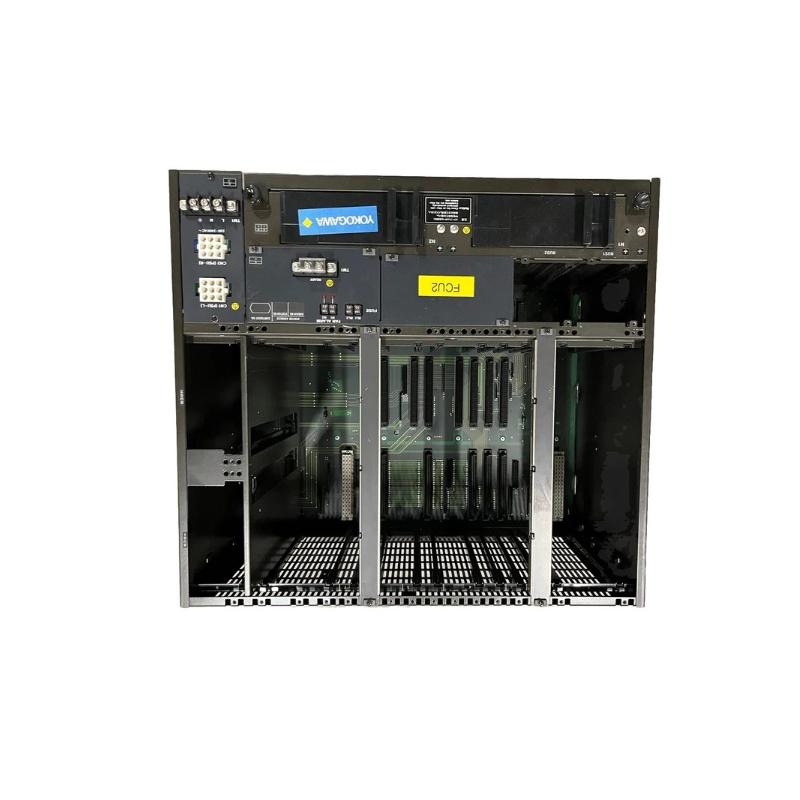
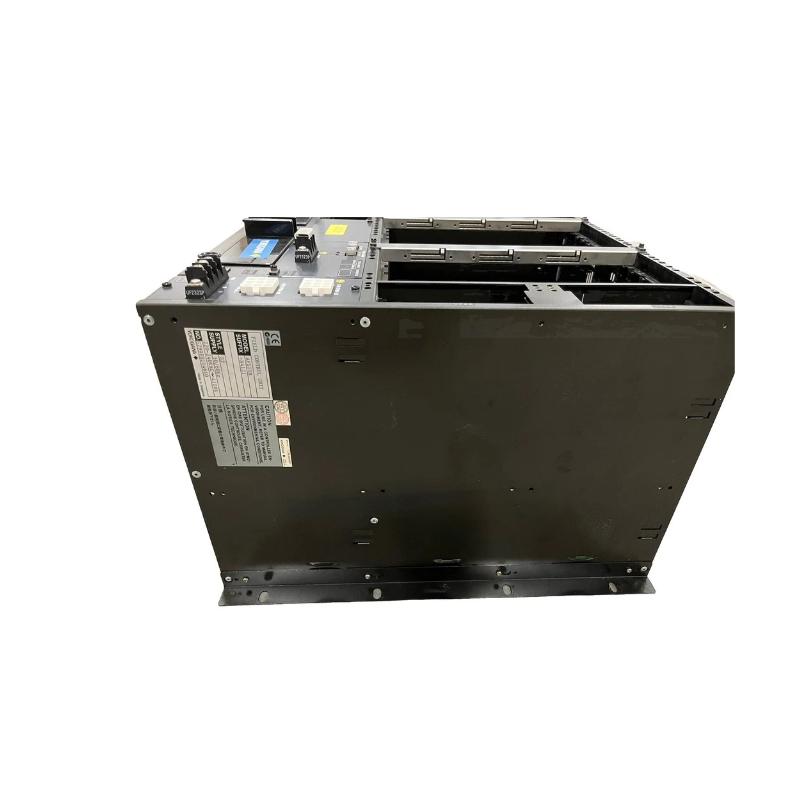
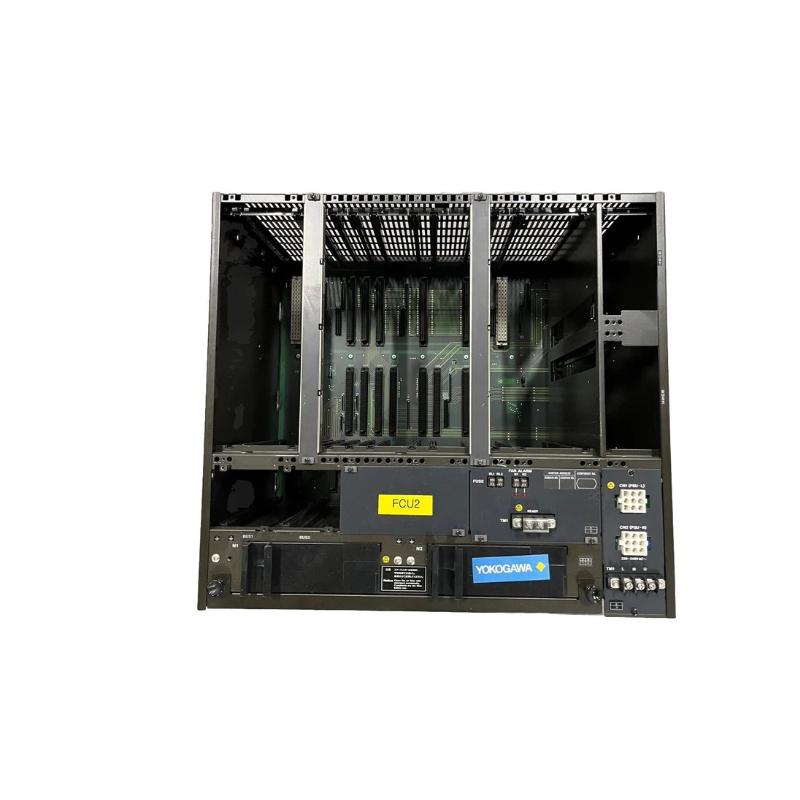
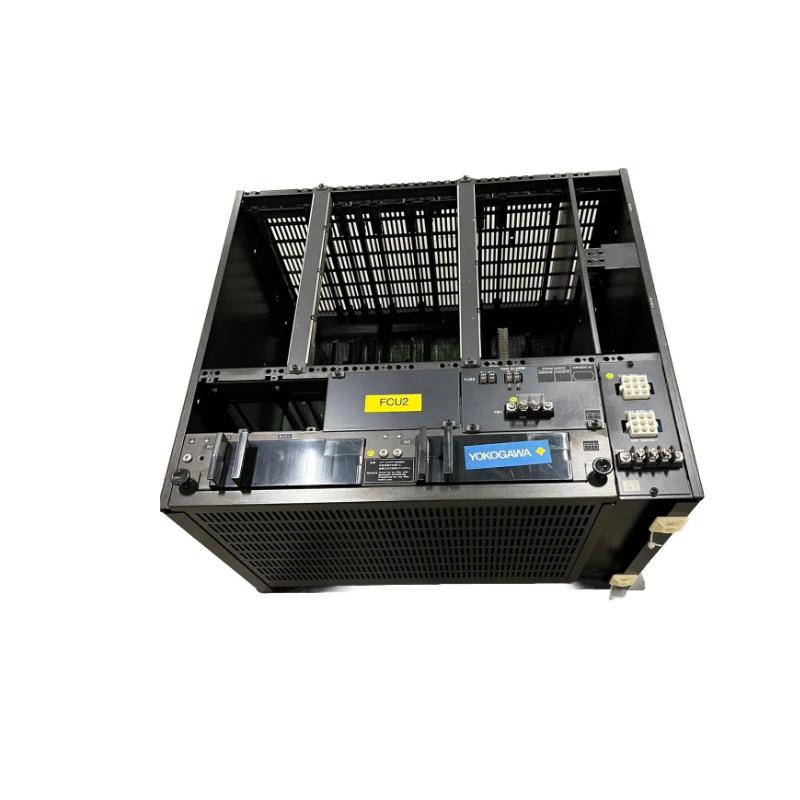
The Yokogawa AFS20D Duplex Field Control Unit is designed to provide high-reliability control processing within distributed control system (DCS) architectures used in large-scale industrial facilities. A duplex field control unit integrates redundant control processing capabilities, allowing continuous operation even if one control path experiences a failure.
In mission-critical process environments, redundancy is essential to maintain stable plant operation. The duplex configuration ensures that control logic, data processing, and communication tasks continue without interruption.
Typical industrial environments where the AFS20D is deployed include:
-
Distributed control systems in oil and gas processing plants
-
Power generation control infrastructure
-
Chemical and petrochemical process automation
-
Industrial manufacturing process supervision
-
Continuous production environments requiring high system availability
By combining control processing with redundant architecture, the unit helps maintain operational stability in critical industrial processes.
Engineering Advantages
Redundant Duplex Architecture
The dual control configuration ensures continuous operation and system availability in case of hardware failure.
High Reliability for Critical Processes
Designed for industrial facilities where control interruptions can result in production loss or safety risks.
Centralized Field Control Processing
The unit executes automation logic and process control functions at the field level.
Integration with Distributed Control Systems
Supports complex automation infrastructures where multiple controllers and I/O modules communicate within a networked environment.
Scalable Industrial Control Platform
Suitable for large plants where multiple control units operate together to manage extensive process operations.
Technical FAQs
1. What is the primary function of the AFS20D field control unit?
It processes control logic and manages automation tasks within a distributed control system.
2. What does the duplex configuration mean?
It refers to a redundant architecture with two control paths to ensure continuous operation.
3. Why is redundancy important in industrial control systems?
Redundancy prevents system downtime by maintaining operation if one controller fails.
4. In which systems is this control unit typically used?
Distributed control systems used in large industrial plants.
5. What type of processes can it control?
Industrial processes such as chemical production, energy generation, and manufacturing operations.
6. How does the unit interact with I/O modules?
It communicates with input and output modules that gather data from field devices and send control signals to equipment.
7. Where is the unit installed?
Typically within industrial control cabinets or system racks.
8. Can the control unit operate continuously?
Yes, it is designed for facilities that run continuously without interruption.
9. How does the duplex design improve reliability?
One processor can immediately take over if the other encounters a fault.
10. What industries rely heavily on redundant control systems?
Power generation, oil and gas processing, petrochemical plants, and large manufacturing facilities.
 A DCS Q Co., Ltd. - PLC and DCS Industrial Control Equipment Wholesale