Industrial System Deployment
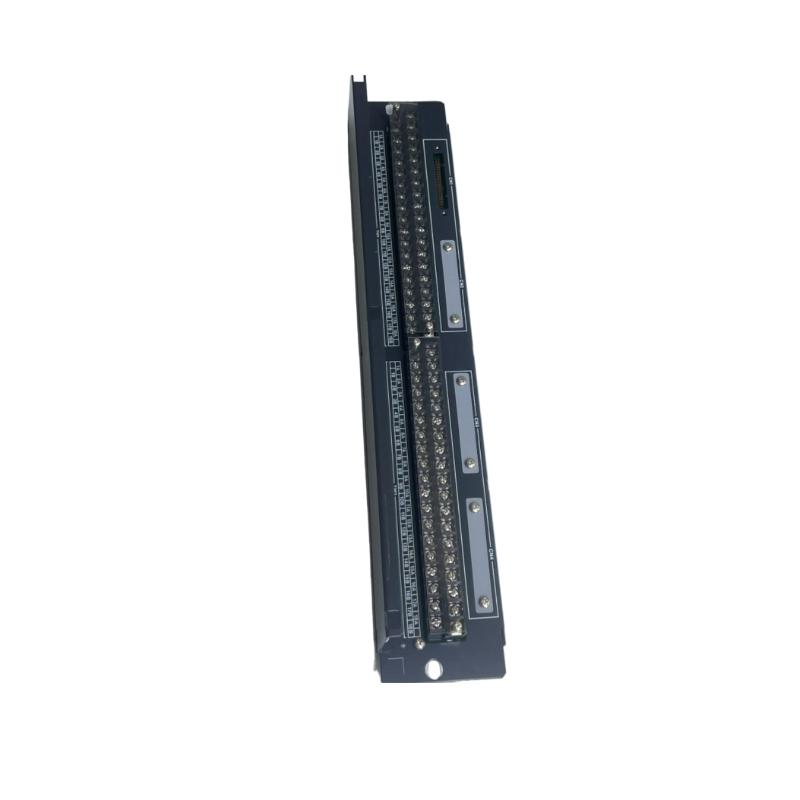
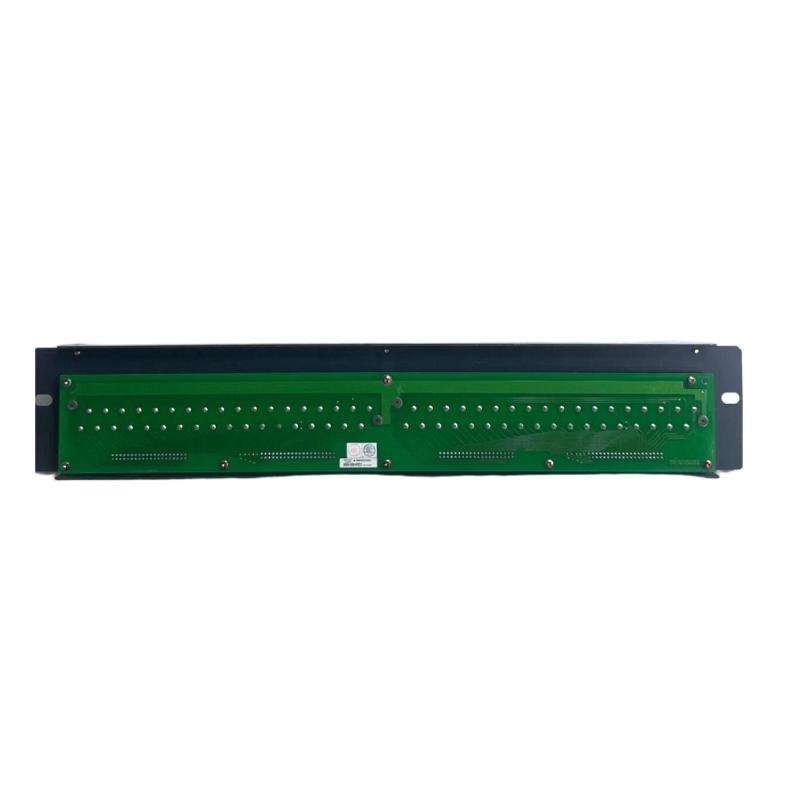
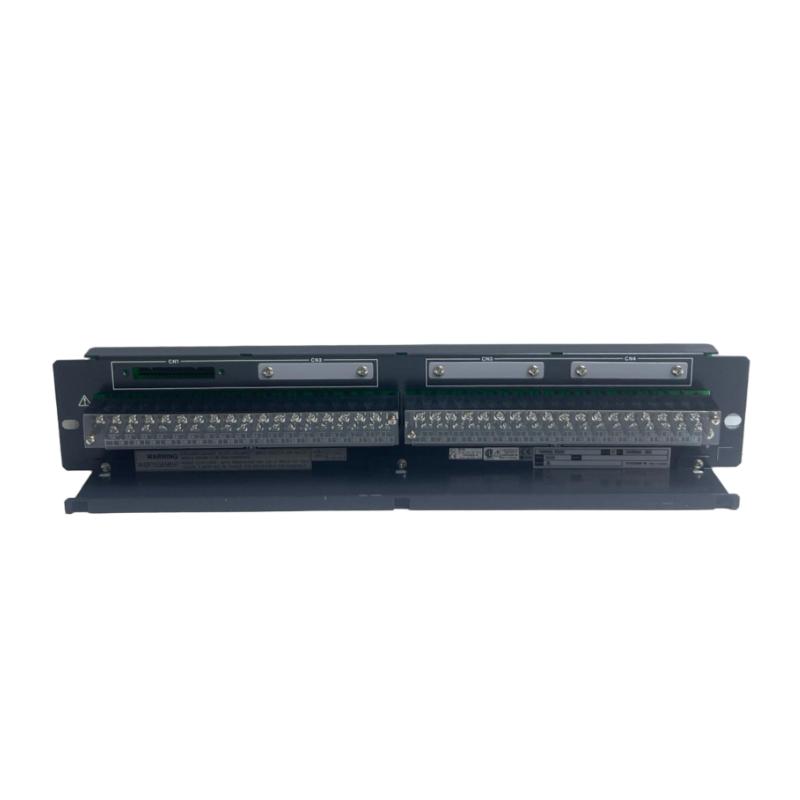
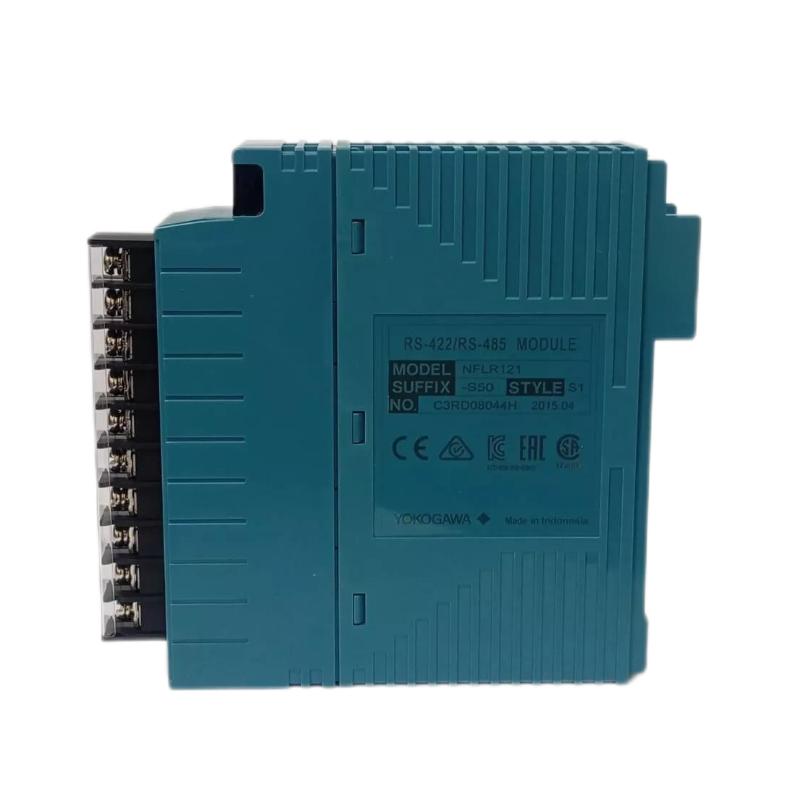
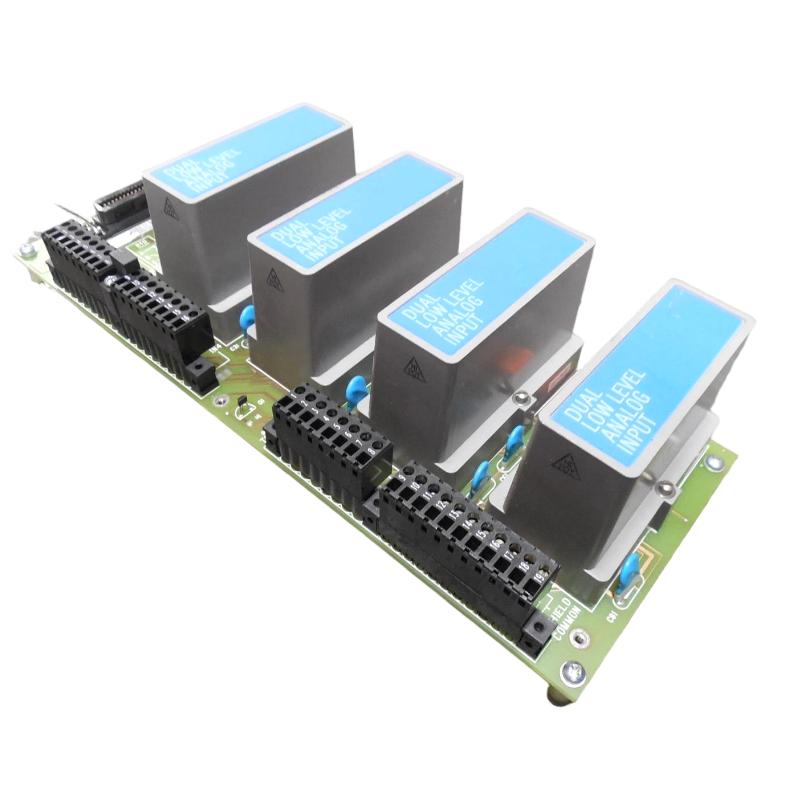
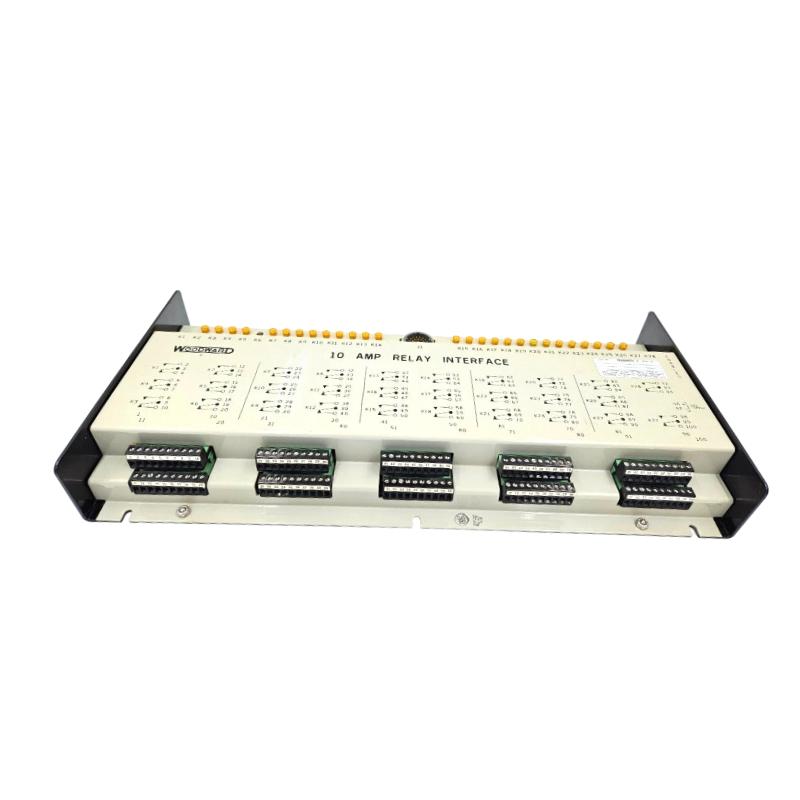
The Yokogawa AER4D-00 Terminal Board functions as an interface platform for connecting field wiring to industrial control and automation systems. Terminal boards are widely used in distributed control systems (DCS) and instrumentation cabinets to organize signal wiring between field devices and I/O modules.
By providing structured connection points, terminal boards simplify wiring management and improve the reliability of signal transmission between field instruments and control equipment.
Typical industrial environments where this terminal board is used include:
-
Distributed control systems in chemical and petrochemical plants
-
Power generation monitoring and control systems
-
Oil and gas process automation installations
-
Manufacturing plant instrumentation cabinets
-
Large-scale industrial automation systems
The board allows engineers and technicians to maintain clear, organized wiring layouts, which helps improve system reliability and simplifies maintenance.
Key Functional Advantages
Organized Field Wiring Interface
The terminal board provides structured connection points that simplify the integration of field instruments with control system I/O modules.
Improved Maintenance Accessibility
Clear terminal layouts allow technicians to inspect, replace, or troubleshoot wiring connections efficiently.
Reliable Signal Transmission
Designed to maintain stable electrical connections between field devices and control modules.
Industrial Cabinet Compatibility
The board is suitable for installation in instrumentation cabinets and industrial control panels.
Supports Complex Automation Architectures
It allows multiple field signals to be routed to automation modules within large industrial systems.
Technical FAQs
1. What is the main function of the AER4D-00 terminal board?
It provides a structured interface for connecting field wiring to control system modules.
2. Where is this terminal board typically installed?
Inside industrial control cabinets or instrumentation panels.
3. What types of signals can pass through the terminal board?
Digital, analog, or control signals from field devices depending on system configuration.
4. Why are terminal boards important in automation systems?
They organize wiring connections and improve reliability in signal routing.
5. Can the terminal board support multiple device connections?
Yes, terminal boards are designed to handle multiple wiring connections simultaneously.
6. How does the board help simplify maintenance?
Clear terminal labeling and organized layout make troubleshooting and wiring adjustments easier.
7. Is the terminal board used directly for signal processing?
No, it serves as a connection interface rather than a processing device.
8. What systems commonly use terminal boards like this?
Distributed control systems, industrial PLC installations, and instrumentation networks.
9. Can the terminal board operate in continuous industrial environments?
Yes, it is designed for long-term operation in industrial automation systems.
10. Why is structured wiring important in control cabinets?
Organized wiring reduces installation errors and improves system reliability.
 A DCS Q Co., Ltd. - PLC and DCS Industrial Control Equipment Wholesale