Product Overview
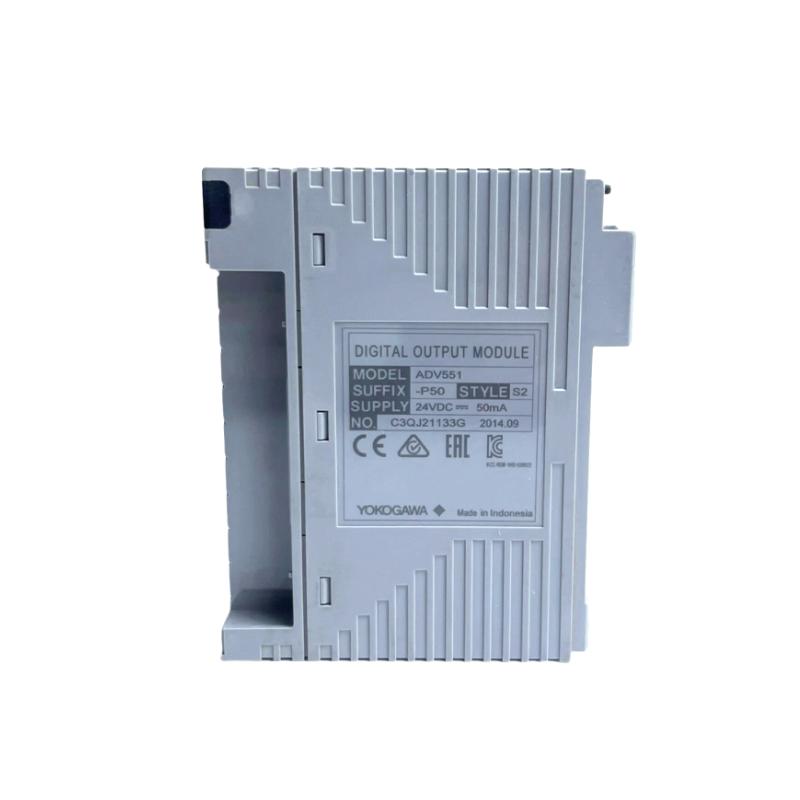
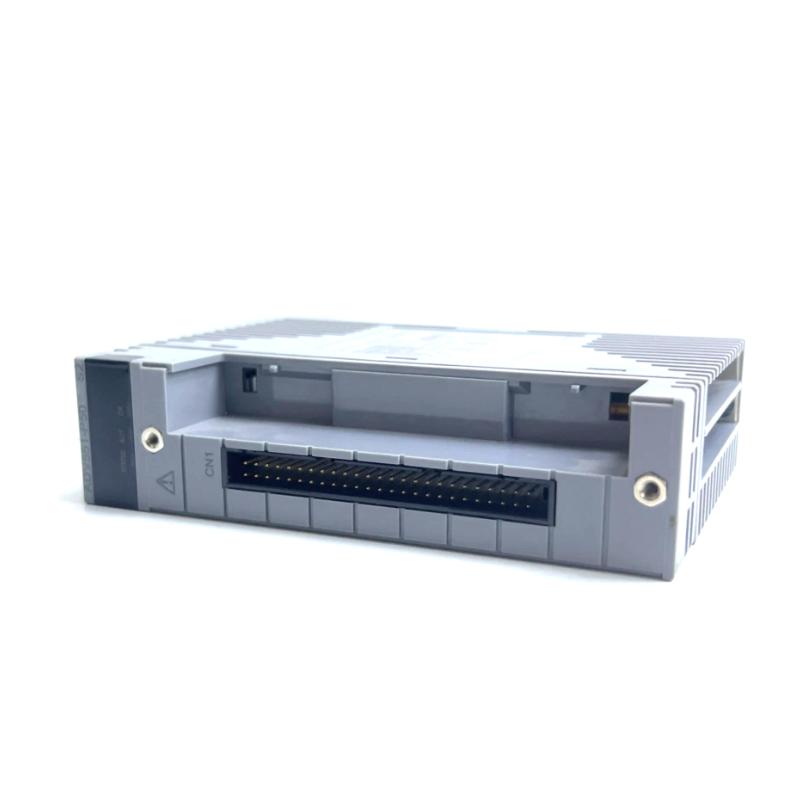
The Yokogawa ADV551-P50/D5A00 Digital Output Module is an automation interface component used to transmit control signals from industrial controllers to field equipment. In automated industrial facilities, controllers determine when equipment should start, stop, open, close, or activate based on operational logic.
This module converts these digital commands into electrical signals that operate connected devices. It forms a key link between the control system and the physical machinery in the plant.
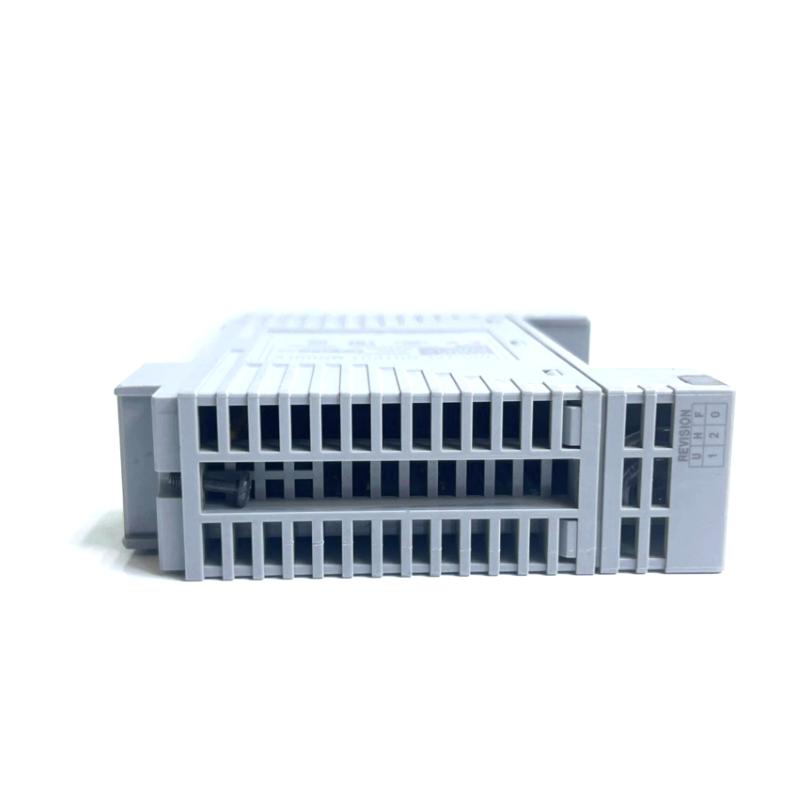
With its compact design and reliable performance characteristics, the ADV551-P50/D5A00 module supports efficient equipment control and dependable automation performance across a wide range of industrial processes.
Technical Specifications
| Parameter | Specification |
|---|
| Product Model | ADV551-P50/D5A00 |
| Product Type | Digital Output Module |
| Manufacturer | Yokogawa |
| Functional Role | Digital Control Signal Output |
| System Compatibility | Industrial Automation / Distributed Control Systems |
| Installation Type | Control Cabinet / I/O Rack |
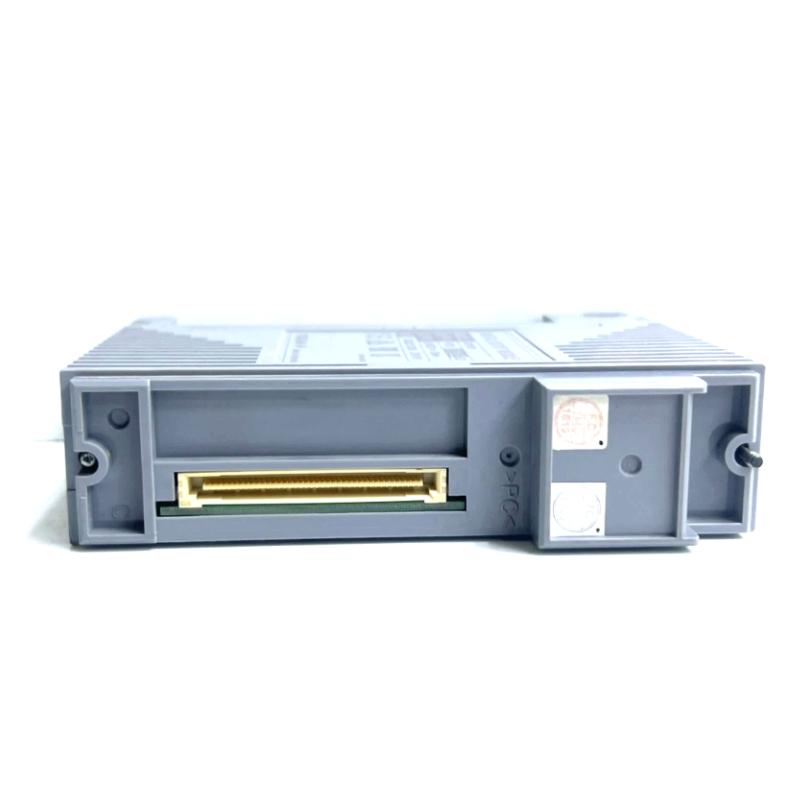
| Dimensions | 107.5 × 130 × 32.8 mm |
| Weight | 0.2 kg (0.441 lb) |
Typical Industrial Use Cases
The Yokogawa ADV551-P50/D5A00 Digital Output Module is designed to transmit digital control signals from automation systems to field devices in industrial environments. Digital output modules allow controllers and distributed control systems to activate or deactivate equipment based on operational logic and process requirements.
Within automated facilities, these modules convert commands generated by control systems into electrical output signals that operate actuators, relays, solenoids, and other field equipment.
Common applications include:
-
Actuator and relay control in distributed control systems (DCS)
-
Industrial process automation in chemical and petrochemical plants
-
Equipment control in power generation facilities
-
Motor starter and valve actuation control in manufacturing lines
-
Alarm signaling and automation logic execution in industrial systems
By delivering reliable control signals, the module supports automated plant operation and process control accuracy.
Operational Advantages
Reliable Digital Signal Output
The module provides stable electrical signals to operate external field devices in automation systems.
Efficient Control Integration
Designed to interface seamlessly with distributed control system architectures.
Real-Time Equipment Control
Enables controllers to activate machinery components instantly based on system logic.
Compact Installation Design
The slim form factor allows installation within dense I/O racks or control cabinets.
Industrial Durability
Built to operate continuously in demanding industrial automation environments.
Technical FAQs
1. What is the primary function of the ADV551-P50/D5A00 module?
It sends digital control signals from the automation system to external field devices.
2. What types of equipment can be controlled using this module?
Relays, solenoids, valves, motors, and other electrically controlled devices.
3. In which systems is the module typically used?
Distributed control systems and industrial automation platforms.
4. What type of signal does the module output?
Binary digital signals used to activate or deactivate field equipment.
5. Where is the module installed in industrial facilities?
Inside control cabinets or I/O racks within automation systems.
6. How does the module contribute to process automation?
It allows the control system to operate field devices automatically based on programmed logic.
7. Can the module control multiple outputs simultaneously?
Yes, digital output modules are designed to manage multiple output channels.
8. Is the module suitable for continuous industrial operation?
Yes, it is designed for long-term use in automated industrial environments.
9. How does it support safety and alarm systems?
It can activate alarms or emergency control devices when triggered by the control system.
10. Why are digital output modules important in industrial control systems?
They enable automation systems to physically control machinery and process equipment.
 A DCS Q Co., Ltd. - PLC and DCS Industrial Control Equipment Wholesale