Industrial Automation Deployment
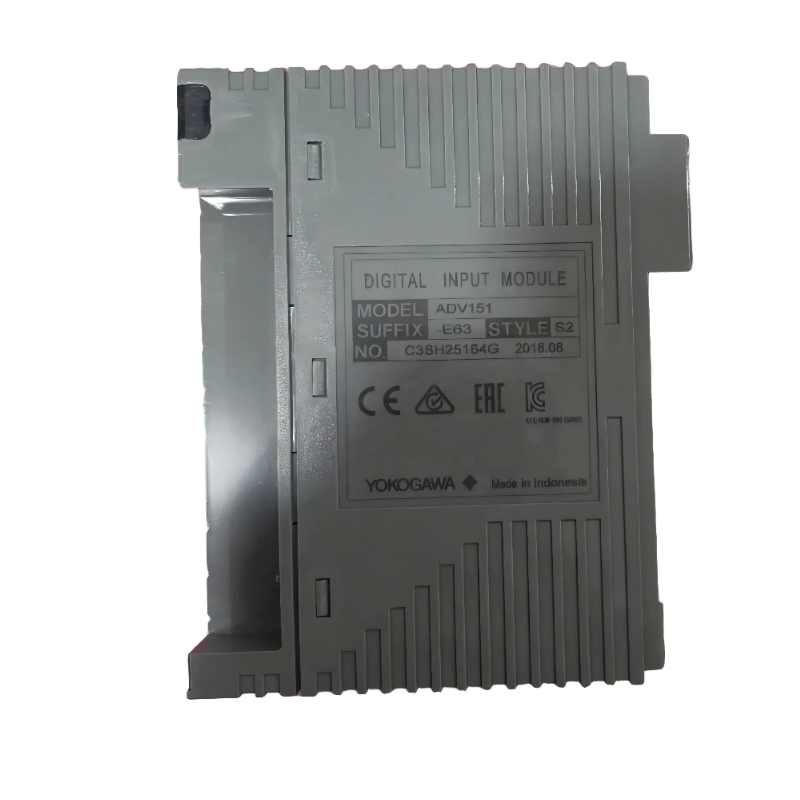
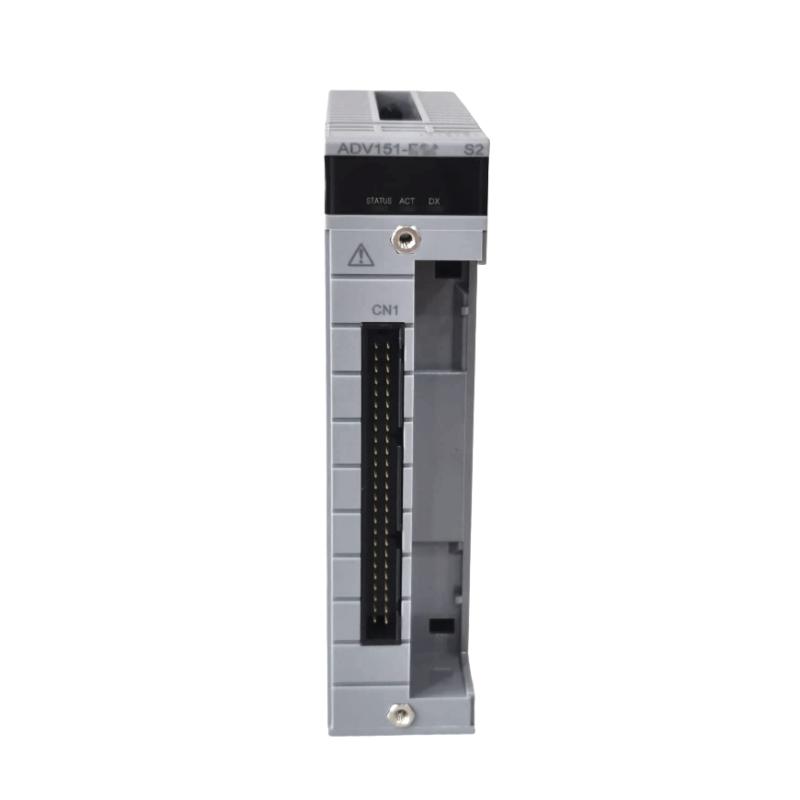
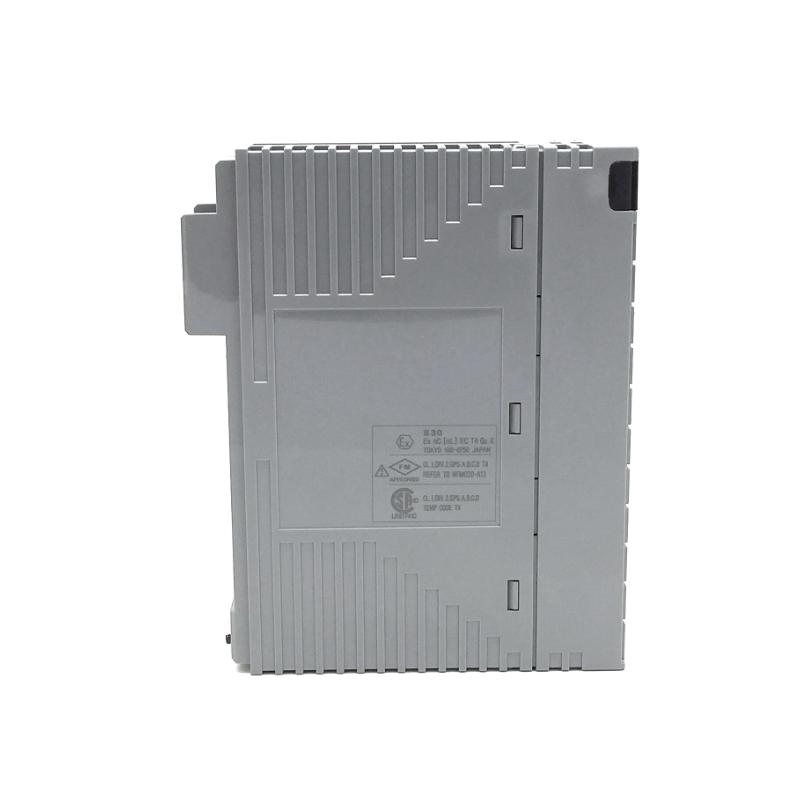
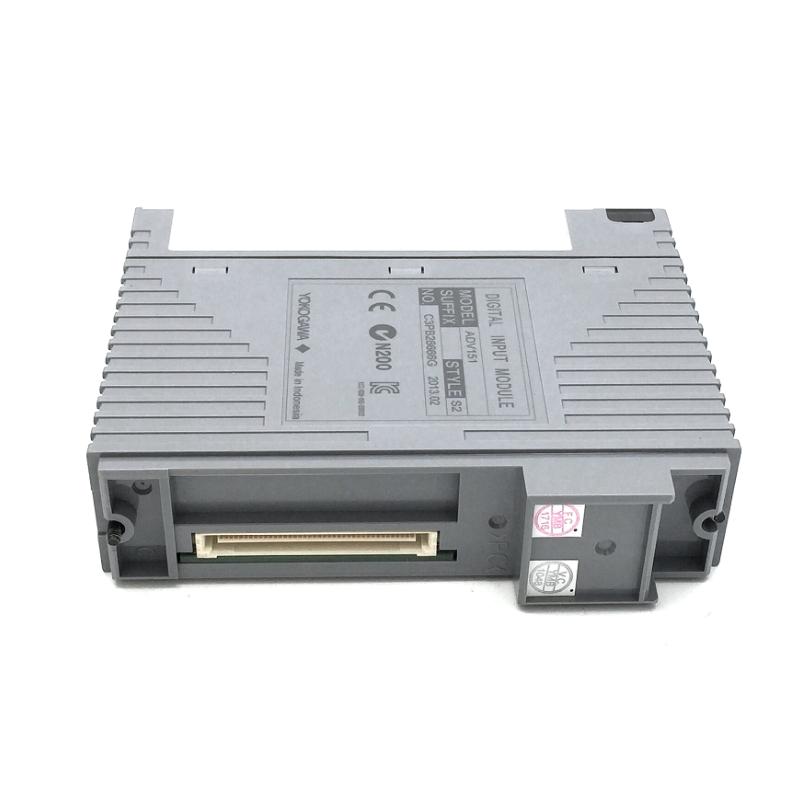
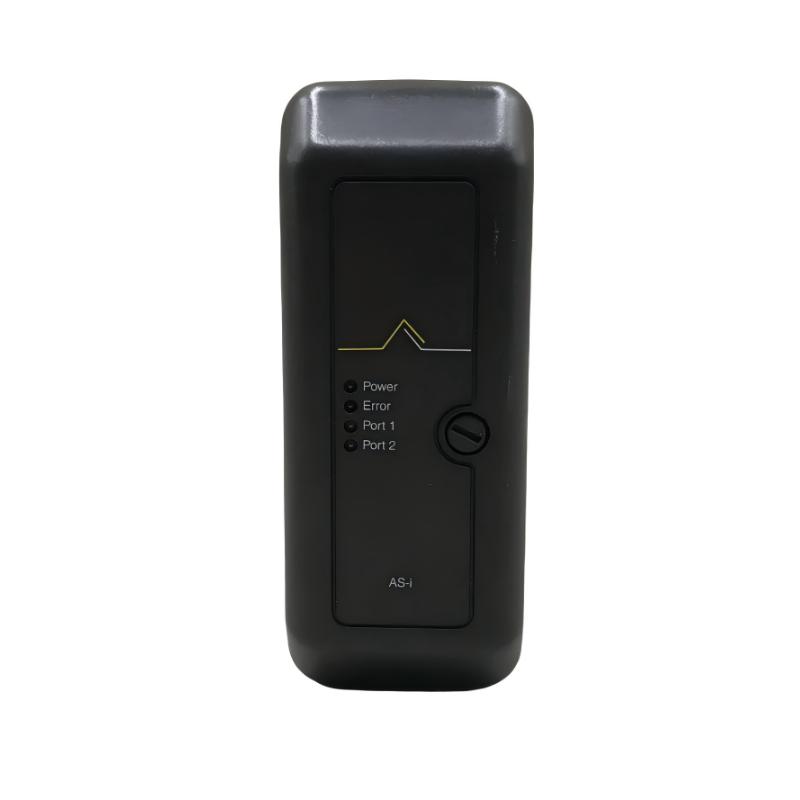
The Yokogawa ADV151-E63D6A00 Numeric Input Module is designed to collect and process digital input signals within industrial control and automation systems. Numeric input modules serve as interfaces that allow controllers and distributed control systems to receive signals from field devices such as switches, sensors, relays, and other digital instruments.
In industrial automation environments, digital input modules play a critical role in monitoring the status of equipment and processes. They convert field-level signals into data that can be interpreted by control systems for operational monitoring and decision-making.
Common applications include:
-
Distributed control systems (DCS) in process industries
-
Digital status monitoring in power generation plants
-
Manufacturing equipment control and supervision
-
Oil and gas processing automation systems
-
Industrial safety and alarm monitoring installations
Through reliable signal acquisition, the module enables precise detection of equipment states and operational conditions.
Operational Advantages
Reliable Digital Signal Acquisition
The module accurately receives and processes digital input signals from field devices.
Integration with Distributed Control Systems
It is designed to work within industrial automation platforms where centralized control and monitoring are required.
Stable Industrial Performance
Built for operation in demanding industrial environments where continuous monitoring is essential.
Compact Module Design
Its compact structure allows efficient installation within control cabinets or I/O racks.
Supports Real-Time Monitoring
The module enables control systems to instantly detect equipment status changes.
Technical FAQs
1. What is the primary function of the ADV151-E63D6A00 module?
It collects digital input signals from field devices and transmits them to the control system.
2. What types of devices can connect to this module?
Switches, relays, sensors, and other digital signal sources used in industrial automation.
3. In which systems is the module typically installed?
Distributed control systems and industrial automation platforms.
4. Why are digital input modules important in automation systems?
They allow control systems to monitor equipment states and respond to operational changes.
5. Can the module operate continuously in industrial environments?
Yes, it is designed for continuous monitoring in industrial automation systems.
6. Where is the module usually installed?
Inside control cabinets or I/O racks within industrial control systems.
7. How does the module support process monitoring?
By transmitting real-time digital status signals to the control system.
8. What industries commonly use digital input modules?
Power generation, chemical processing, oil and gas, and manufacturing industries.
9. Can the module support multiple digital input signals simultaneously?
Yes, it is designed to manage multiple field signal inputs.
10. Why is reliable signal acquisition important in automation systems?
Because accurate input signals are necessary for correct control system responses.
 A DCS Q Co., Ltd. - PLC and DCS Industrial Control Equipment Wholesale