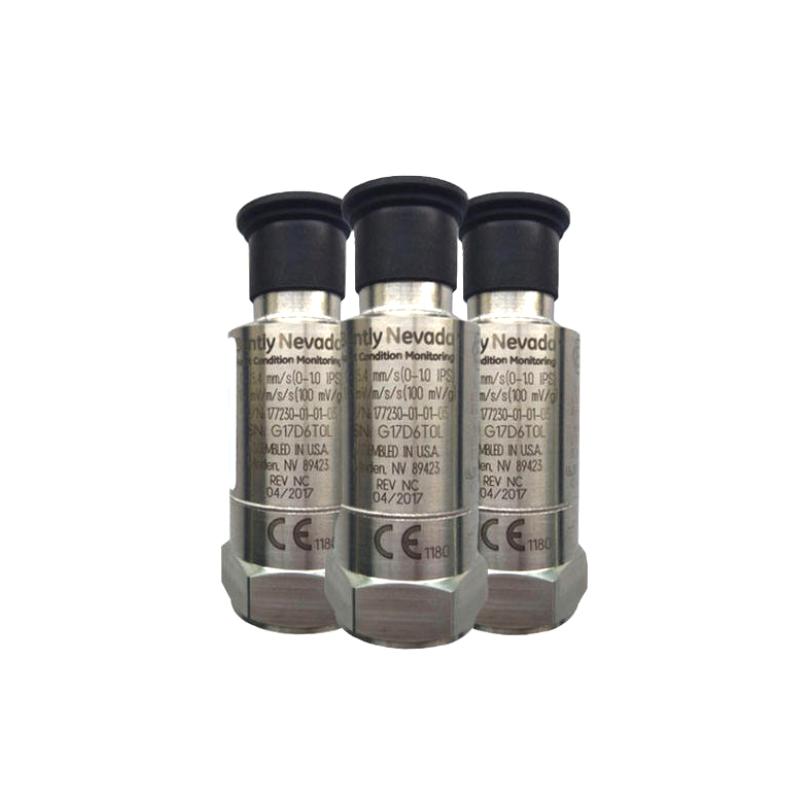
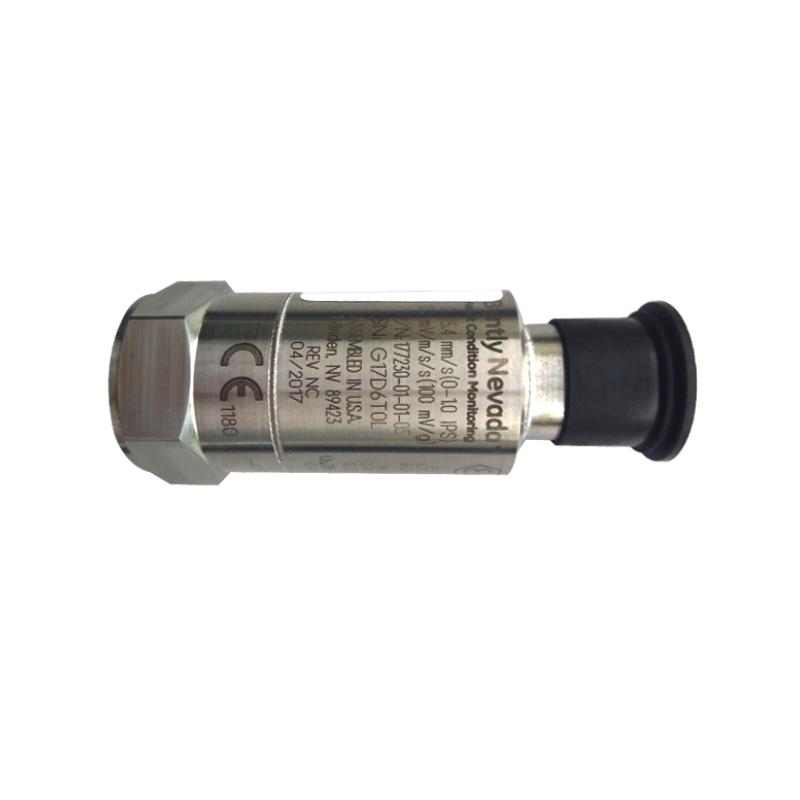
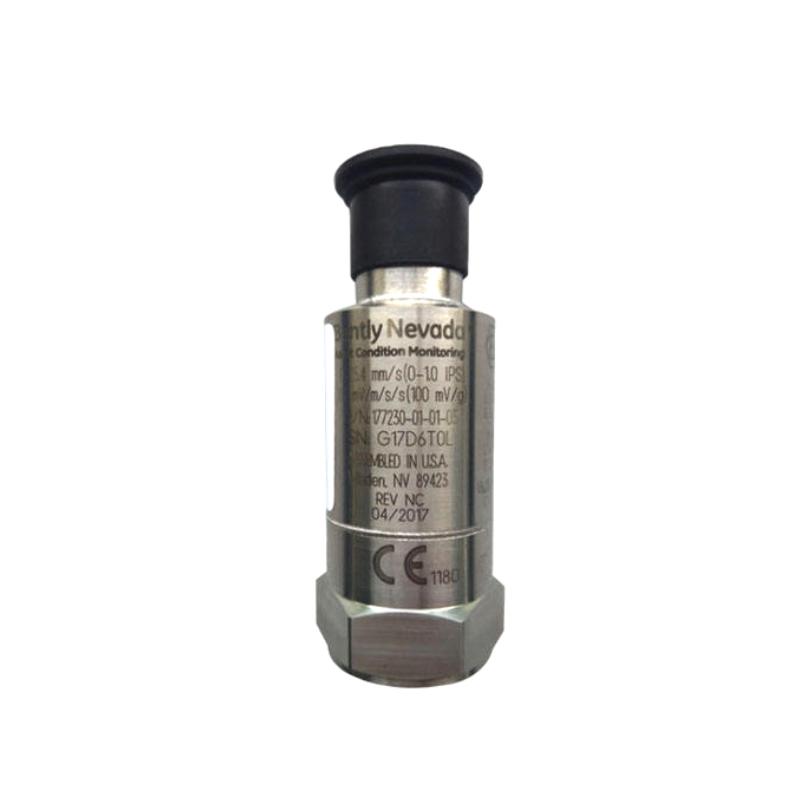
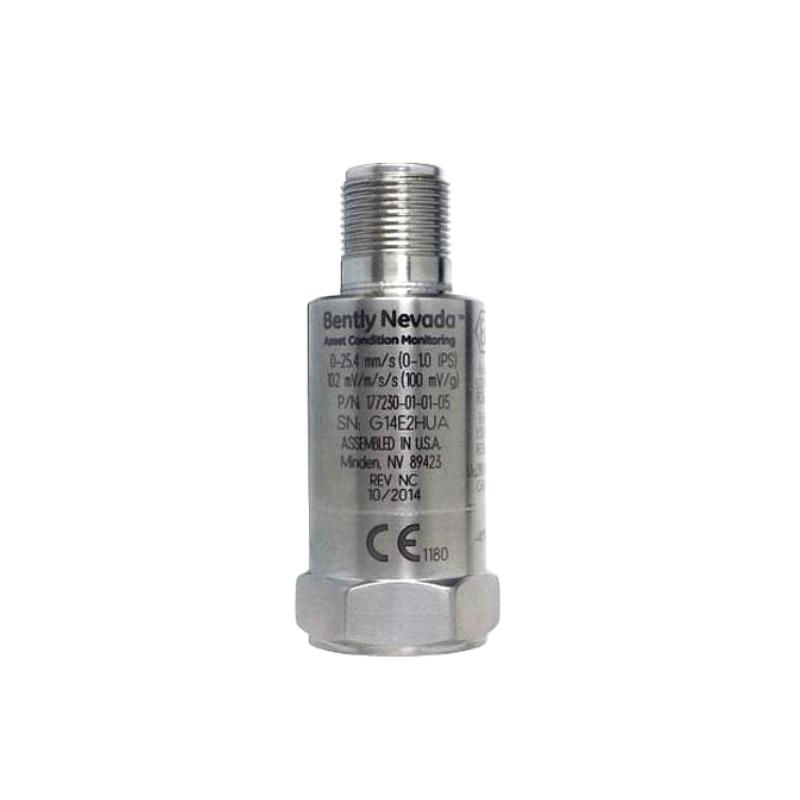
Typical Industrial Applications
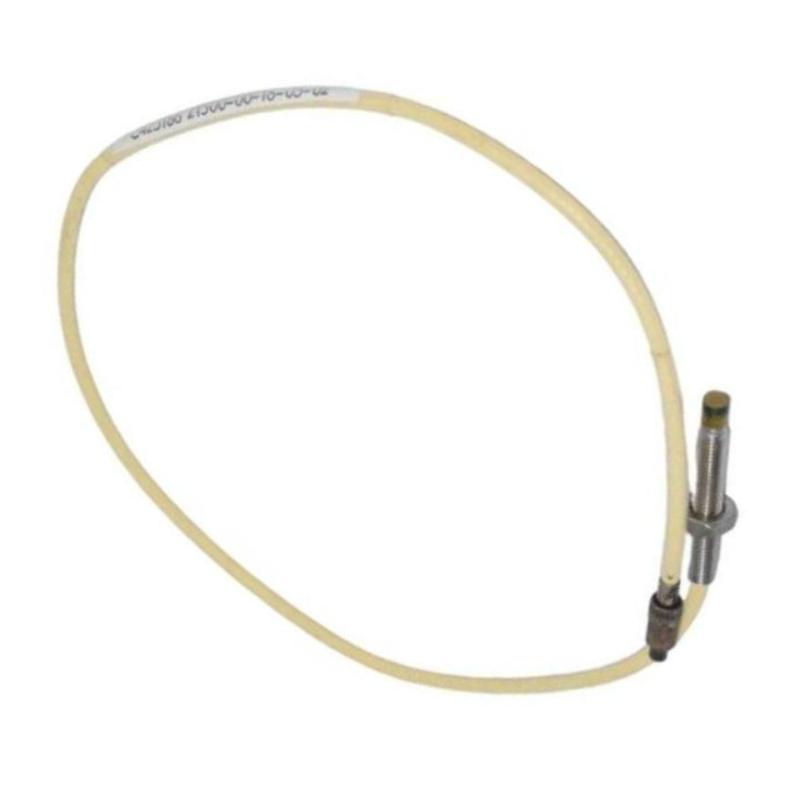
The Bently Nevada 135826-01 MM ¼-28 UNF to M10 × 1.0 Standard Studs are designed to provide secure mounting and mechanical adaptation for proximity probes and vibration sensors used in industrial machinery monitoring systems. Stud adapters of this type allow engineers to match different thread standards when installing sensors on rotating equipment housings.
In many industrial environments, machine casings and monitoring devices may use different thread specifications. These standard studs act as mechanical adapters, enabling precise and stable sensor installation while maintaining proper measurement alignment.
Common applications include:
-
Mounting proximity probes on turbine casings
-
Sensor installation for compressor vibration monitoring systems
-
Adapter connections for industrial pump monitoring installations
-
Mechanical interface components for rotating machinery protection systems
-
Maintenance and retrofit tasks involving mixed thread standards in monitoring hardware
By enabling reliable mechanical connection between sensors and machine structures, the studs help ensure accurate measurement performance.
Engineering Advantages
Thread Conversion Capability
The studs allow conversion between ¼-28 UNF and M10 × 1.0 thread standards, simplifying installation in mixed-thread environments.
Reliable Sensor Mounting
They provide a stable mounting point that helps maintain proper sensor positioning relative to the measurement surface.
Improved Installation Flexibility
Technicians can install sensors in equipment where thread standards differ from the sensor’s native configuration.
Durable Industrial Construction
The studs are designed to withstand vibration and mechanical stress common in rotating machinery environments.
Supports Accurate Sensor Alignment
Proper mounting helps maintain correct probe gap and measurement accuracy in monitoring systems.
Technical FAQs
1. What is the primary purpose of the 135826-01 standard studs?
They serve as mechanical adapters that convert thread standards between sensor mounts and machine housings.
2. Why are thread adapters needed in machinery monitoring systems?
Because different equipment and sensors may use different thread specifications.
3. Which thread types are supported by this stud?
¼-28 UNF and M10 × 1.0 thread standards.
4. What equipment typically uses these mounting studs?
Proximity probes and vibration sensors used in rotating machinery monitoring systems.
5. How do mounting studs affect measurement accuracy?
Properly installed studs maintain correct probe positioning and alignment for reliable measurements.
6. Can these studs be used in high-vibration environments?
Yes, they are designed for installation on industrial machinery subject to vibration.
7. Where are the studs typically installed?
Between the sensor body and the threaded mounting hole on machine casings or brackets.
8. Are these components commonly used during system installation or maintenance?
Yes, they are frequently used during both new installations and retrofit maintenance work.
9. Why is correct thread compatibility important for sensors?
It ensures that sensors can be securely mounted without mechanical stress or misalignment.
10. Can these studs support different sensor types?
They are typically used with proximity probes and related vibration monitoring sensors.
 A DCS Q Co., Ltd. - PLC and DCS Industrial Control Equipment Wholesale