Typical Industrial Monitoring Applications
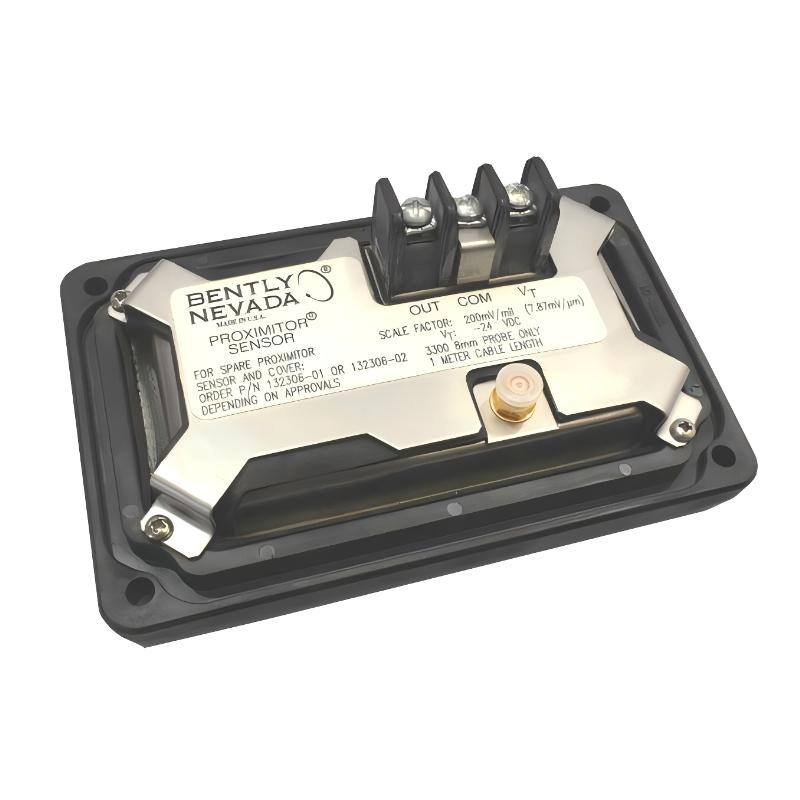
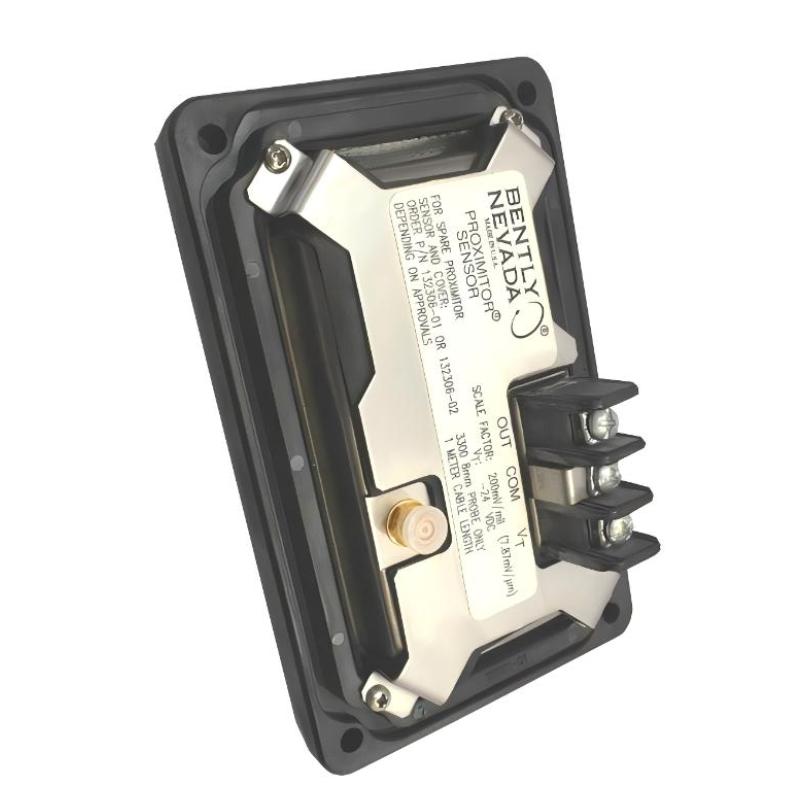
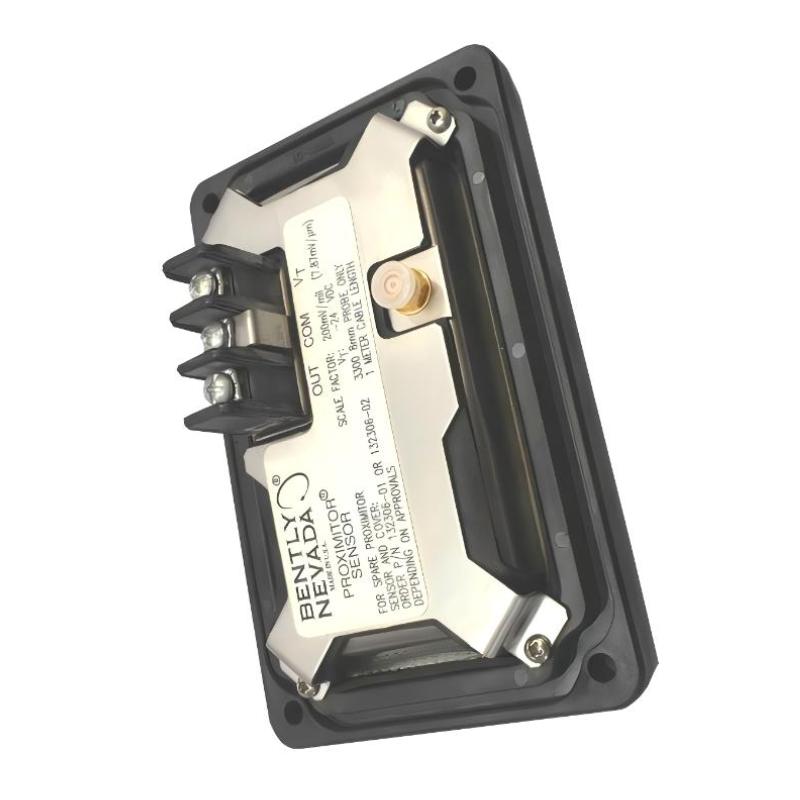
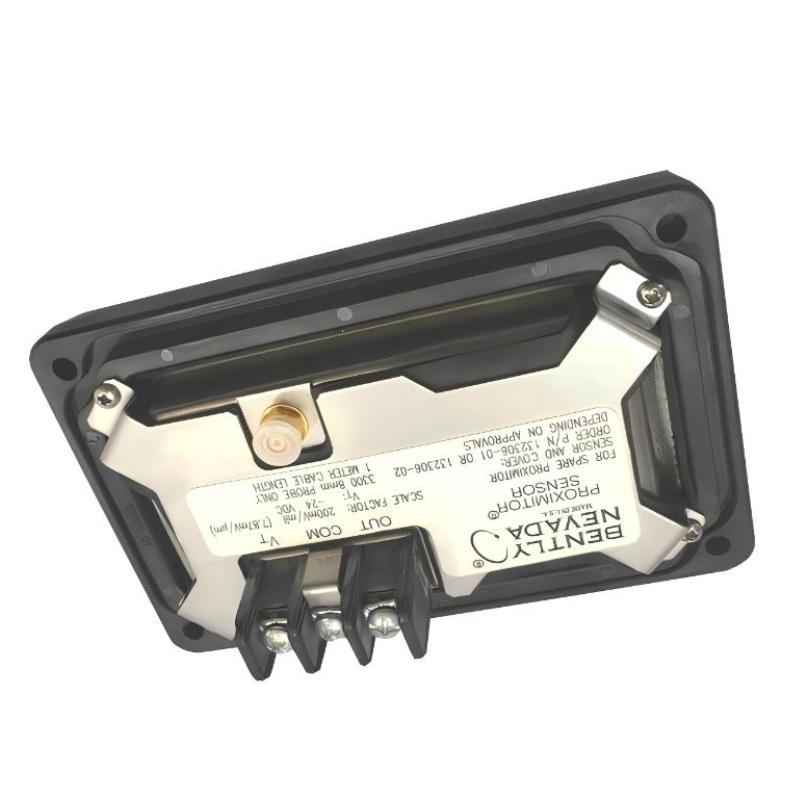
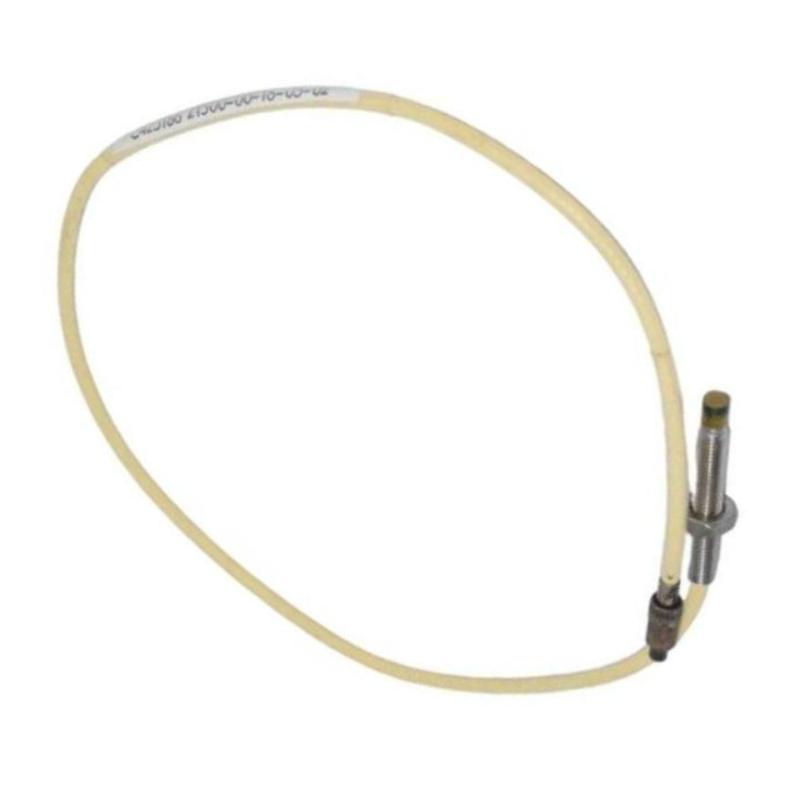
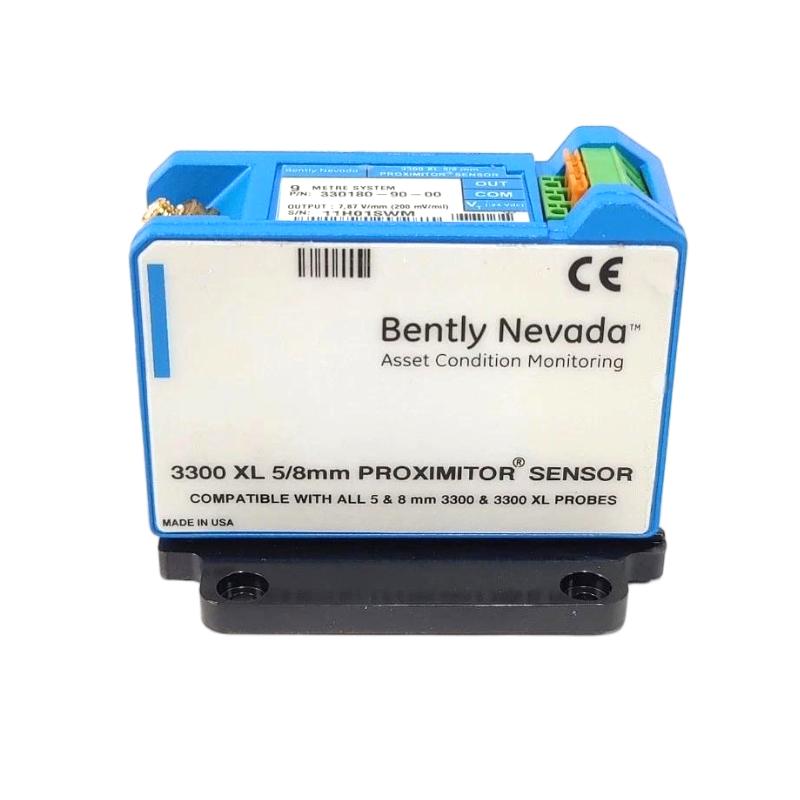
The Bently Nevada 132306-02 Backup Proximity Sensor is designed to provide redundant shaft position and vibration measurement within industrial machinery monitoring systems. Backup proximity sensors are commonly installed alongside primary sensors to ensure continuous monitoring capability in case the main sensing device becomes unavailable or requires maintenance.
In critical rotating equipment where uninterrupted monitoring is essential, redundant sensors help maintain reliable condition monitoring and machine protection.
Common industrial deployment scenarios include:
-
Steam and gas turbine shaft position monitoring
-
Compressor vibration monitoring in oil and gas processing plants
-
Large industrial pump protection systems
-
Generator and motor shaft displacement monitoring
-
Rotating machinery safety systems in power generation facilities
By providing an additional sensing channel, the sensor enhances monitoring reliability and helps maintain continuous operational oversight of critical equipment.
Engineering Advantages
Redundant Monitoring Capability
The sensor acts as a backup measurement device, ensuring monitoring continuity if the primary sensor fails.
Accurate Shaft Position Detection
Designed for proximity-based displacement measurement near rotating shafts.
Supports Machinery Protection Systems
Helps maintain consistent monitoring data used for protective alarms and shutdown systems.
Reliable Industrial Sensor Design
Engineered for stable operation in environments with vibration, temperature changes, and mechanical stress.
Improves System Reliability
Redundant sensing architecture increases overall monitoring system dependability.
Technical FAQs
1. What is the main purpose of the 132306-02 backup proximity sensor?
It provides redundant shaft position or vibration measurement in machinery monitoring systems.
2. Why are backup sensors used in industrial monitoring systems?
They ensure continuous monitoring in case the primary sensor becomes unavailable.
3. What type of measurements does the sensor perform?
It detects proximity-based displacement or shaft movement near rotating machinery.
4. Which equipment typically uses this sensor?
Turbines, compressors, pumps, and large rotating industrial machines.
5. Can the sensor operate continuously in industrial environments?
Yes, it is designed for long-term operation in machinery monitoring installations.
6. How does the sensor improve system reliability?
By providing a secondary measurement channel for critical monitoring points.
7. Where is the sensor typically installed?
Near rotating shafts or machine components where displacement measurements are required.
8. Can it be integrated with machinery protection systems?
Yes, it works as part of monitoring architectures that support alarms and protective shutdowns.
9. What industries commonly use proximity sensors like this?
Power generation, oil and gas processing, manufacturing, and heavy industry.
10. Why is proximity sensing important for rotating equipment?
It allows precise measurement of shaft movement and vibration conditions that indicate machine health.
 A DCS Q Co., Ltd. - PLC and DCS Industrial Control Equipment Wholesale