Industrial Deployment Scenarios
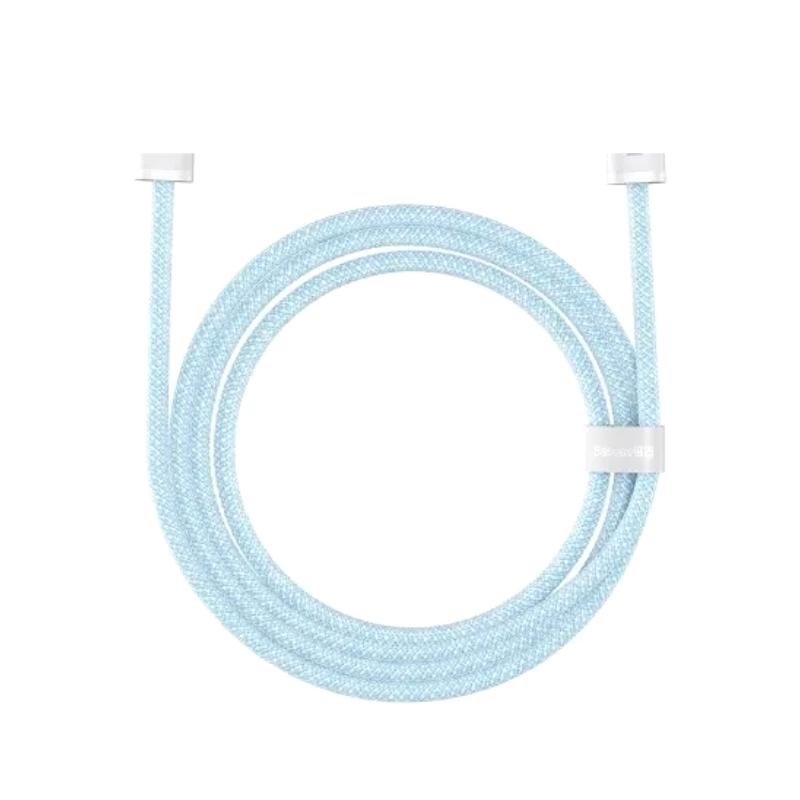
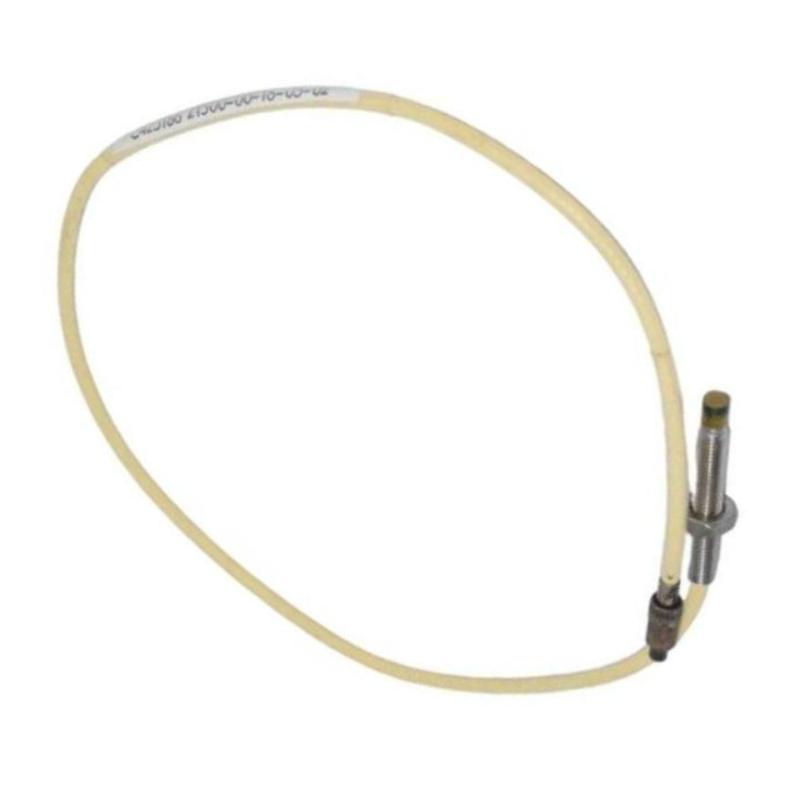
The Bently Nevada 131170-01 Dynamic Data Transmission Cable is engineered for high-reliability signal transfer in industrial machinery monitoring systems. In condition monitoring infrastructures, dynamic data from vibration probes, displacement sensors, and monitoring modules must be transmitted accurately to analysis and protection systems. This cable is designed to support that continuous data flow.
Dynamic transmission cables are particularly important in environments where real-time machinery diagnostics are required to maintain operational safety and equipment reliability.
Typical industrial applications include:
-
Turbine vibration monitoring installations in power plants
-
Compressor monitoring systems used in oil and gas processing facilities
-
Pump protection systems within chemical production plants
-
Rotating equipment diagnostics in manufacturing operations
-
Centralized machinery monitoring cabinets receiving field sensor signals
By ensuring stable data transmission between monitoring devices and analysis systems, the cable supports accurate machinery diagnostics and reliable protection functions.
Performance Benefits
Stable Dynamic Signal Transmission
The cable is designed to transmit real-time vibration and displacement signals without signal degradation.
Supports Continuous Monitoring Systems
It enables constant data flow required for predictive maintenance and machine protection programs.
Industrial-Grade Cable Construction
The cable is built to operate reliably in environments with vibration, electrical noise, and temperature variation.
Flexible Installation Options
Optional cable lengths allow engineers to adapt the cable to different machinery layouts and monitoring cabinet locations.
Reliable Integration with Monitoring Systems
It functions as a key connection component linking sensors and monitoring modules within machinery diagnostic systems.
Technical FAQs
1. What is the main function of the 131170-01 dynamic data transmission cable?
It transmits real-time monitoring data between machinery sensors and monitoring systems.
2. What type of signals does this cable typically carry?
Dynamic measurement signals such as vibration and displacement data.
3. In which systems is this cable commonly installed?
Industrial machinery monitoring systems used for rotating equipment diagnostics.
4. Why is dynamic data transmission important in monitoring systems?
Because real-time sensor data allows early detection of mechanical faults.
5. Can the cable operate in environments with high vibration levels?
Yes, it is designed for installation in industrial machinery monitoring environments.
6. Does the cable support long-distance signal transmission?
Yes, optional cable lengths allow flexible system design and equipment placement.
7. What types of equipment typically connect through this cable?
Vibration probes, monitoring modules, and machinery diagnostic systems.
8. Is the cable suitable for continuous operation?
Yes, it is intended for monitoring systems that run continuously.
9. How does the cable contribute to predictive maintenance strategies?
By ensuring that monitoring systems receive accurate dynamic data from sensors.
10. Can the cable be installed in centralized monitoring cabinets?
Yes, it is often used to connect field sensors to monitoring systems located in instrumentation cabinets.
 A DCS Q Co., Ltd. - PLC and DCS Industrial Control Equipment Wholesale