Typical Deployment Environments
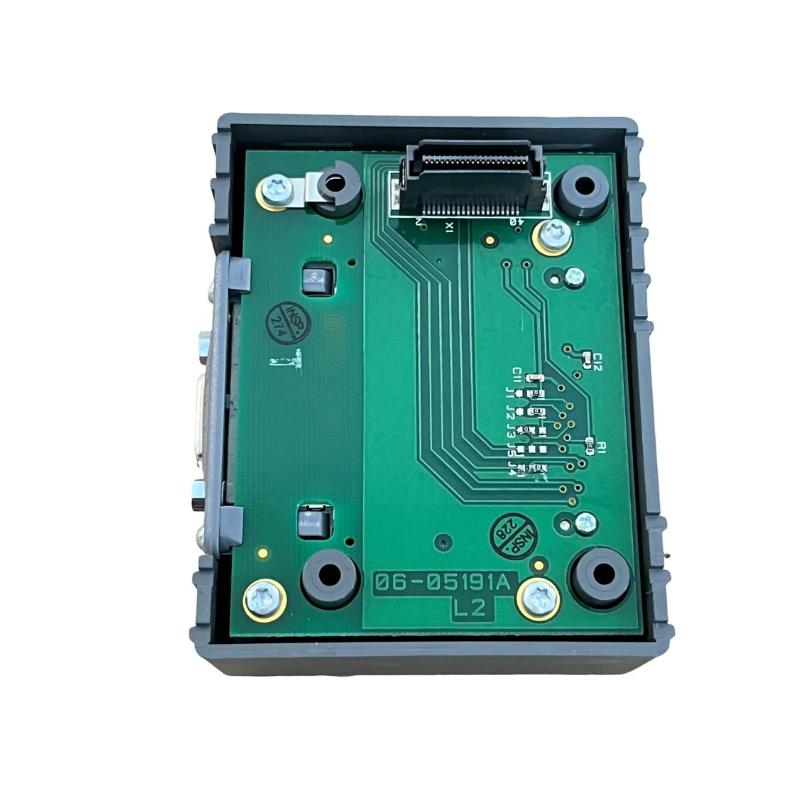
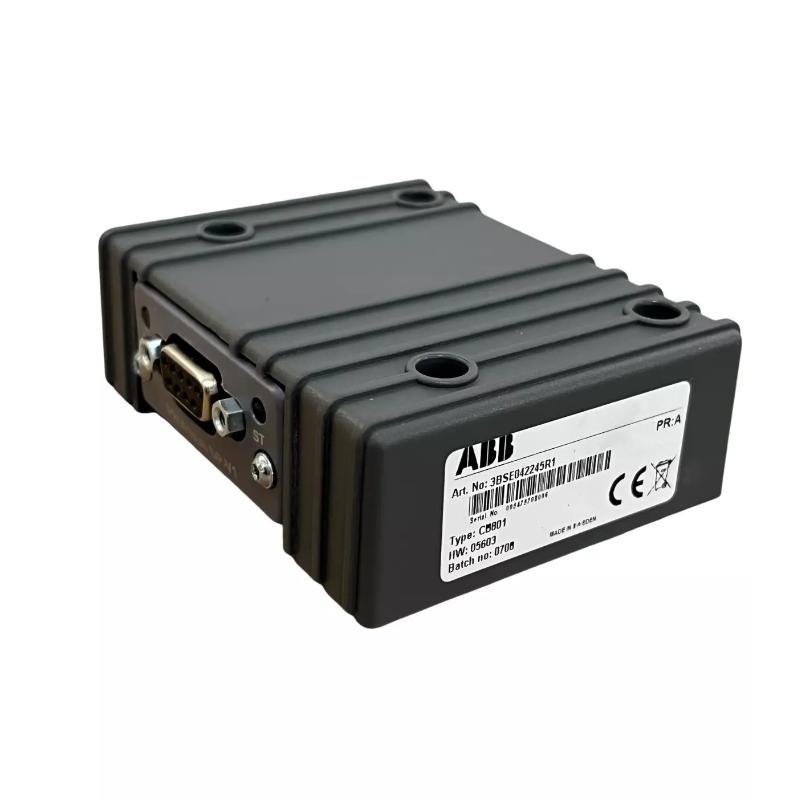
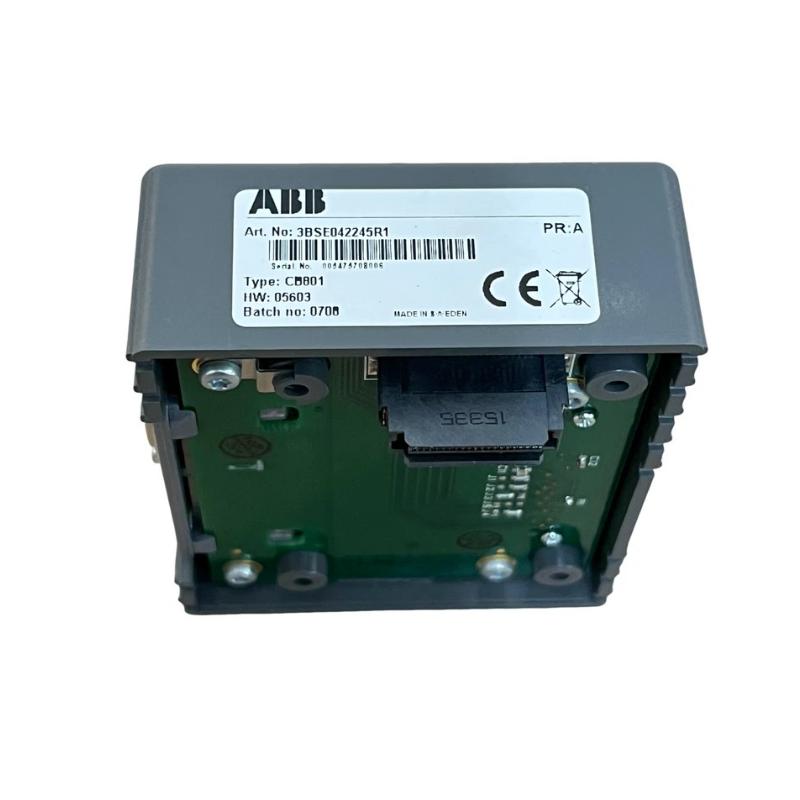
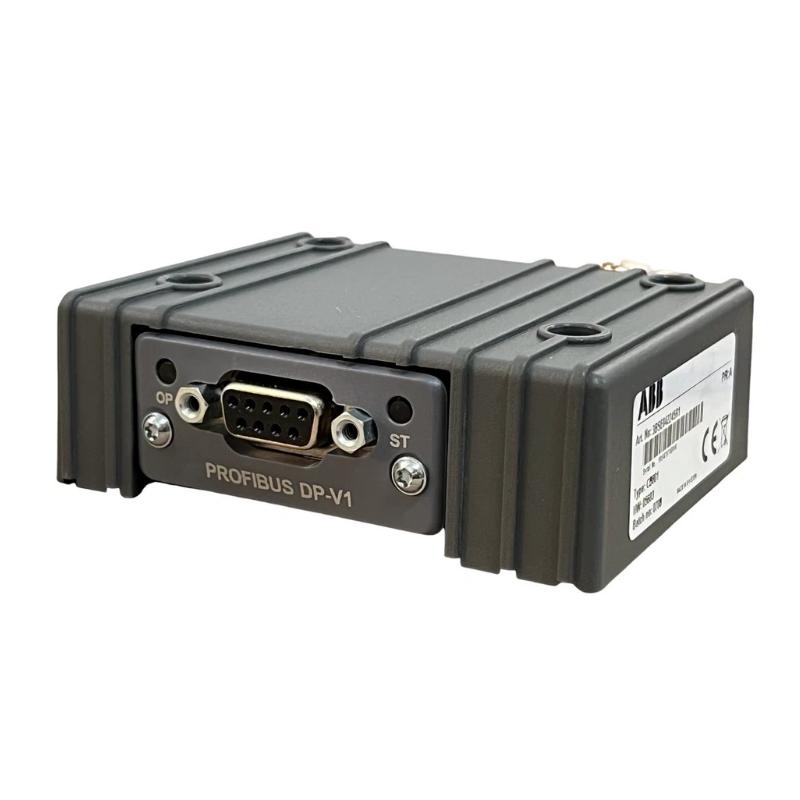
The ABB CB801 3BSE042245R1 Communication Interface Module is developed to provide reliable communication connectivity within industrial automation and control systems. Communication interface modules play a crucial role in linking controllers, I/O modules, and other automation components, ensuring stable data exchange across the system network.
This module is commonly integrated into distributed control architectures where multiple devices must communicate in a coordinated manner.
Typical industrial environments include:
-
Distributed control systems in power generation plants
-
Process automation installations in chemical and refining industries
-
Manufacturing automation lines requiring network communication between controllers
-
Industrial control cabinets integrating multiple automation modules
-
Infrastructure automation systems managing large-scale equipment networks
Through reliable data transmission and interface functionality, the module helps maintain stable system communication across automation platforms.
Functional Advantages
Reliable System Communication
The module facilitates consistent data exchange between automation components, supporting coordinated system operations.
Integration with Modular Automation Platforms
It is designed to work within modular control architectures, allowing communication between controllers, I/O modules, and other system devices.
Efficient Network Interface
The module acts as a bridge between system components, enabling organized communication within industrial networks.
Industrial-Grade Reliability
Engineered for demanding environments, it maintains stable communication even in conditions with electrical interference and continuous system operation.
Support for Scalable Automation Systems
Its modular design allows automation networks to expand while maintaining reliable communication infrastructure.
Technical FAQs
1. What is the main function of the CB801 communication interface module?
It enables communication between different modules and components within an industrial automation system.
2. In what systems is this module typically used?
It is commonly used in distributed control systems and modular industrial automation platforms.
3. How does the module improve automation system coordination?
By enabling reliable data exchange between controllers, I/O modules, and other automation components.
4. Can the module be installed inside control cabinets?
Yes, it is designed for integration into industrial control cabinets and automation racks.
5. What types of devices can communicate through this module?
Controllers, I/O modules, monitoring systems, and other automation equipment.
6. Is the module suitable for continuous industrial operation?
Yes, it is built for long-term operation in industrial environments.
7. Does the module support distributed automation architectures?
Yes, it is commonly used in systems where multiple control modules operate across a network.
8. How does the module contribute to system reliability?
It ensures stable communication pathways between system components.
9. Can it be used in large-scale automation systems?
Yes, it is suitable for installations where numerous devices must exchange operational data.
10. Why are communication interface modules important in industrial automation?
They provide the connectivity required for controllers and devices to operate as an integrated system.
 A DCS Q Co., Ltd. - PLC and DCS Industrial Control Equipment Wholesale