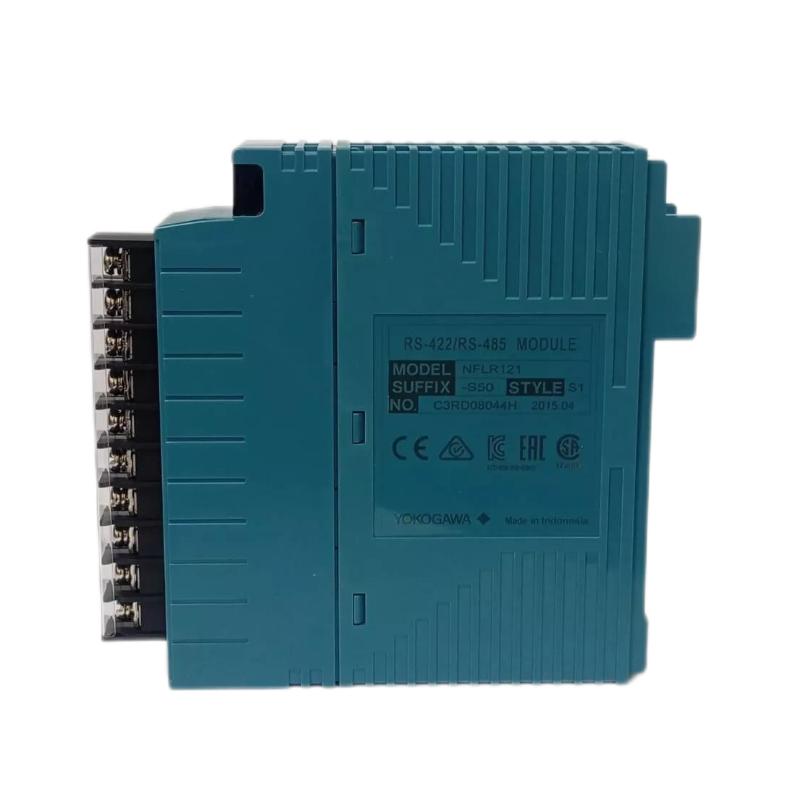
Industrial Communication Deployment
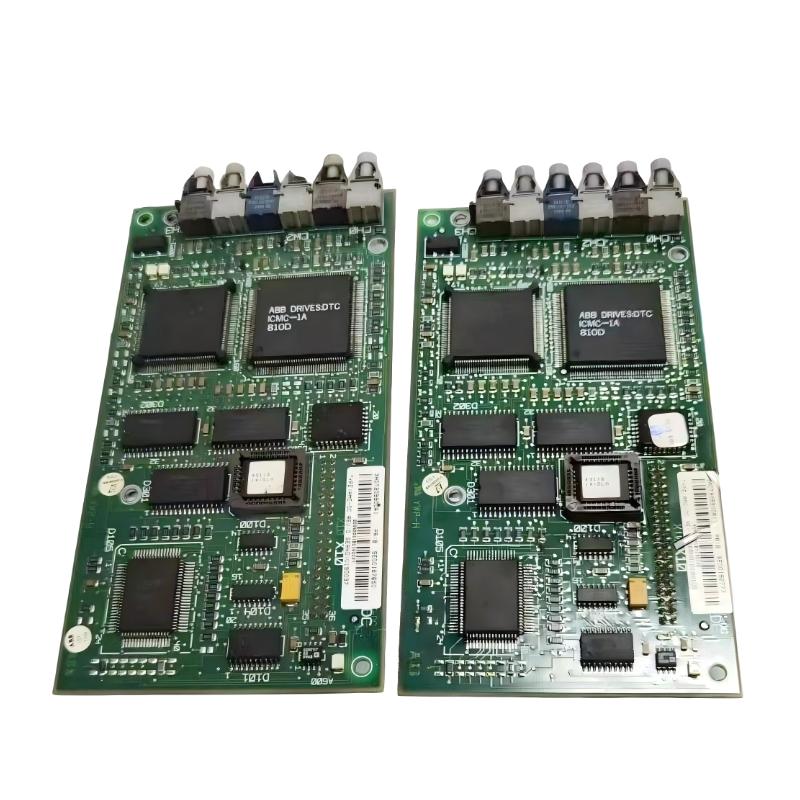
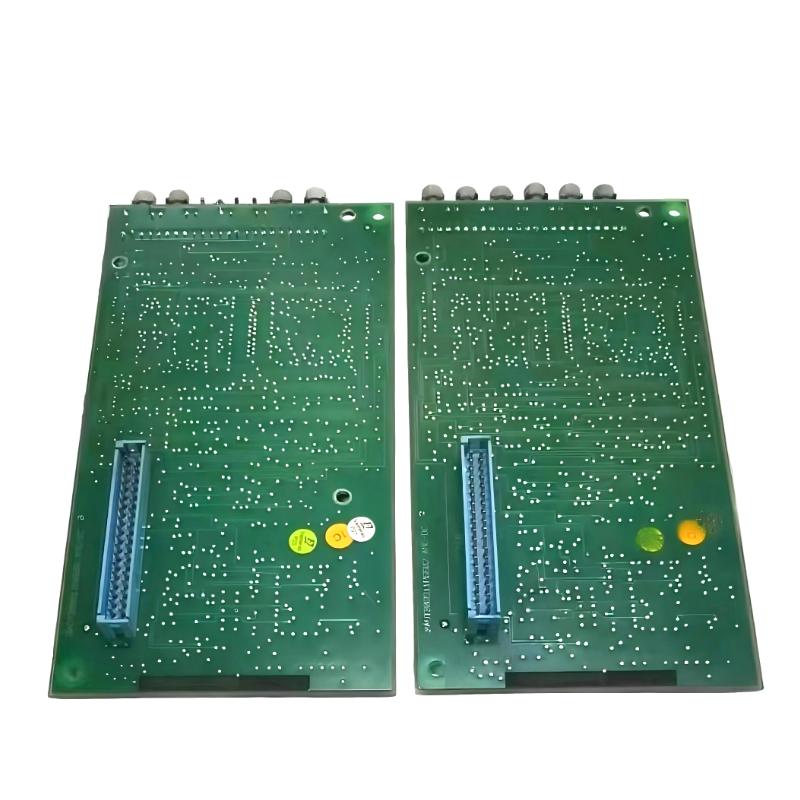
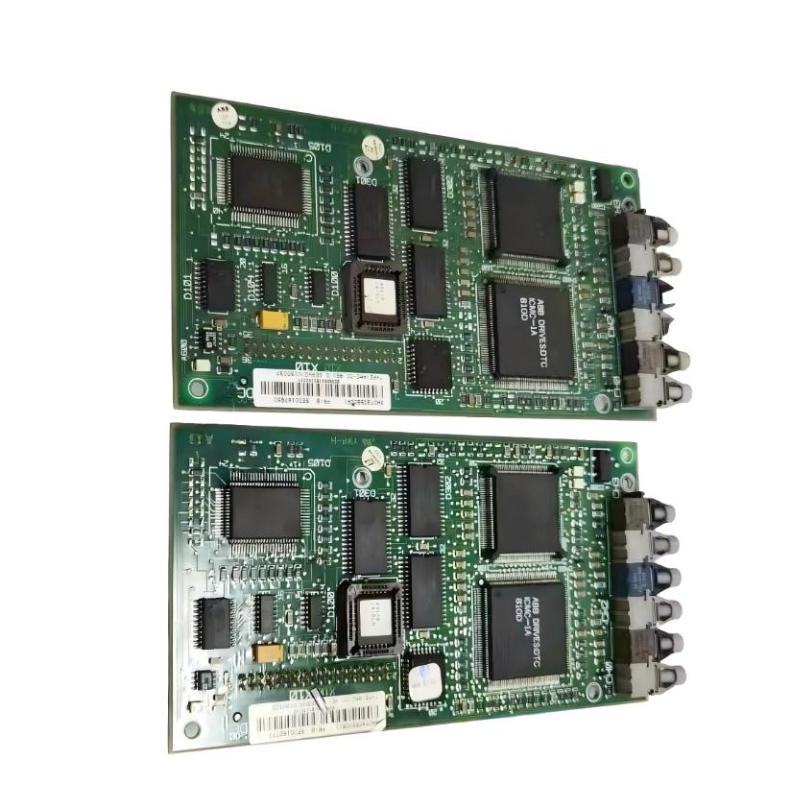
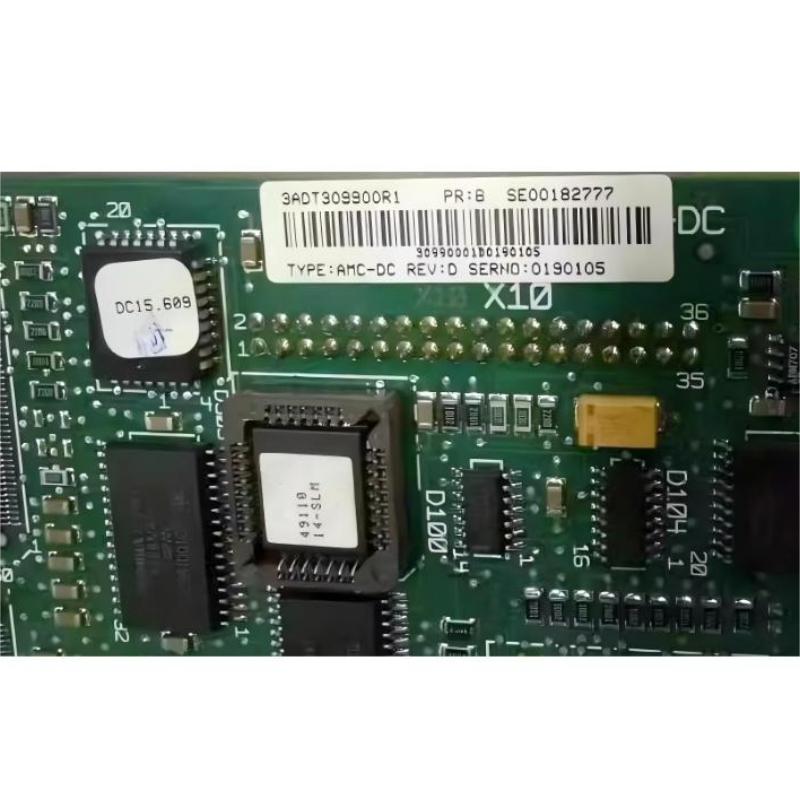
The ABB AMC-DC 3ADT309900R1 Communication Motherboard is designed to support communication functions within industrial drive and automation systems. As a motherboard-level communication platform, it provides the internal infrastructure required for coordinating data exchange between control boards, interface modules, and external communication networks.
This component is commonly integrated into industrial drive controllers and automation equipment where reliable data flow between system modules is essential.
Typical application environments include:
-
Industrial variable frequency drive systems used for motor control
-
Automation platforms managing complex production machinery
-
Electrical control cabinets supporting communication between modules
-
Process control environments in power, chemical, and manufacturing industries
-
Distributed automation systems requiring stable internal communication channels
By facilitating reliable communication pathways, the motherboard helps ensure coordinated operation across different components of the automation system.
Engineering and System Advantages
Centralized Communication Infrastructure
The motherboard provides a platform for coordinating communication between internal modules and external interfaces.
Optimized for Drive and Automation Platforms
It integrates smoothly into industrial drive architectures and automation control systems.
Reliable Data Transmission
The board ensures consistent signal exchange between system components, helping maintain stable automation performance.
Industrial Electronic Durability
Designed for demanding operational conditions, the board supports reliable operation in environments with electrical noise and continuous duty cycles.
Modular System Maintenance
As a replaceable communication board, it allows technicians to maintain or upgrade communication functions without replacing the entire system.
Technical FAQs
1. What is the primary function of the AMC-DC communication motherboard?
It provides the communication infrastructure that connects various control and interface modules within an automation or drive system.
2. Where is this motherboard typically installed?
It is commonly installed inside industrial drives or automation control systems.
3. How does the board contribute to system communication?
It manages data exchange between internal modules and external communication interfaces.
4. What types of systems benefit from this motherboard?
Industrial drive systems, automation equipment, and distributed control platforms.
5. Can the motherboard support multiple communication modules?
Yes, it typically serves as a base platform that connects several communication components.
6. Is the board designed for continuous industrial operation?
Yes, it is engineered to operate reliably in long-running industrial automation environments.
7. Does the motherboard assist with drive system coordination?
Yes, it supports communication between drive controllers and related modules.
8. Can the board operate in electrically noisy environments?
Yes, it is designed to maintain stable communication despite industrial electrical interference.
9. Is the motherboard replaceable during maintenance?
Yes, technicians can service or replace the board as part of system maintenance procedures.
10. Why are communication motherboards important in automation systems?
They provide the internal framework that allows control boards and communication modules to exchange data effectively.
 A DCS Q Co., Ltd. - PLC and DCS Industrial Control Equipment Wholesale