Industrial Integration Context
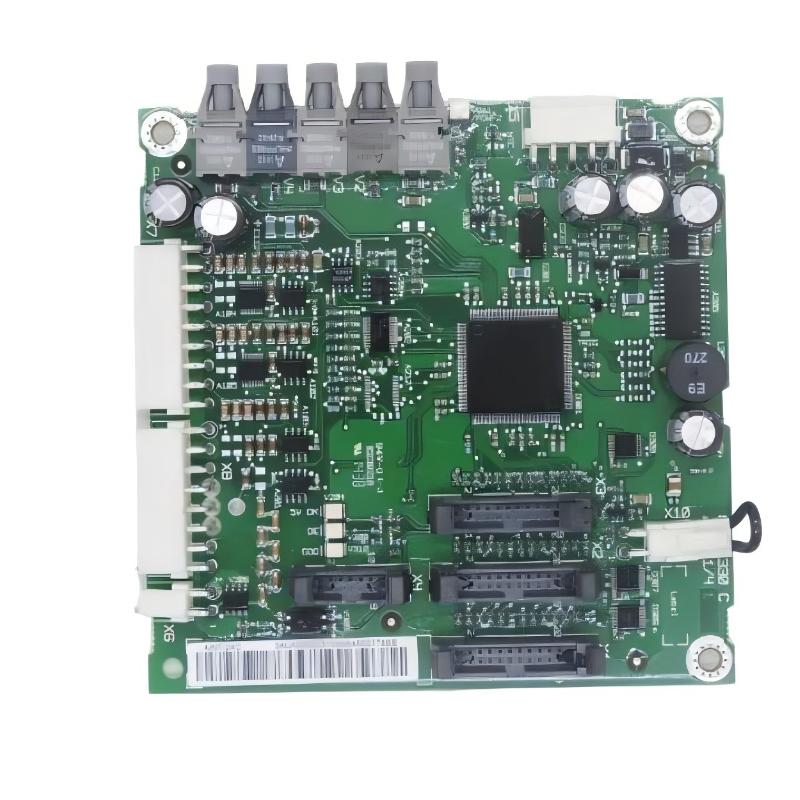
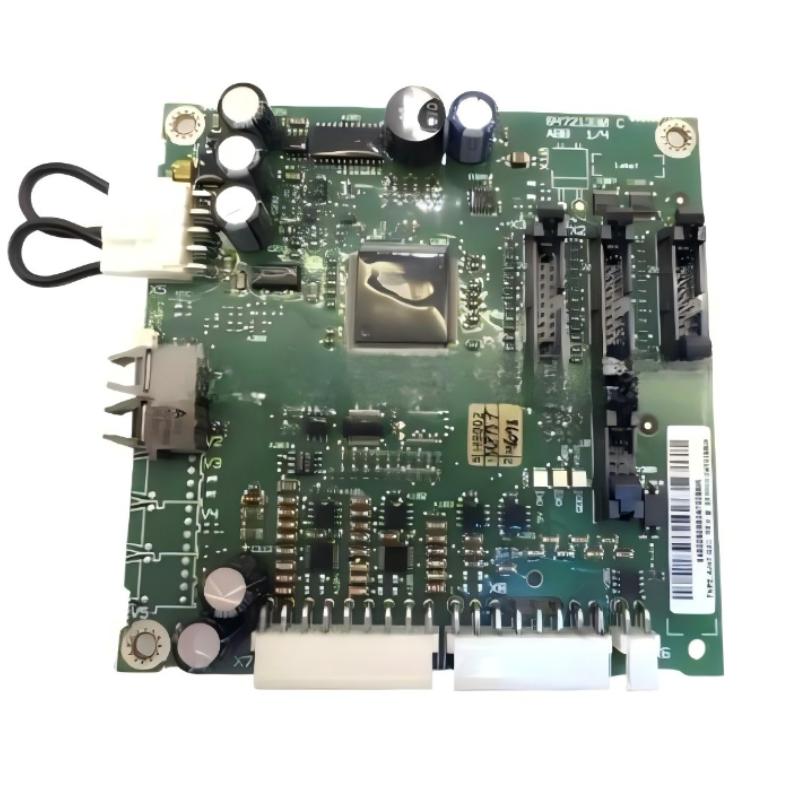
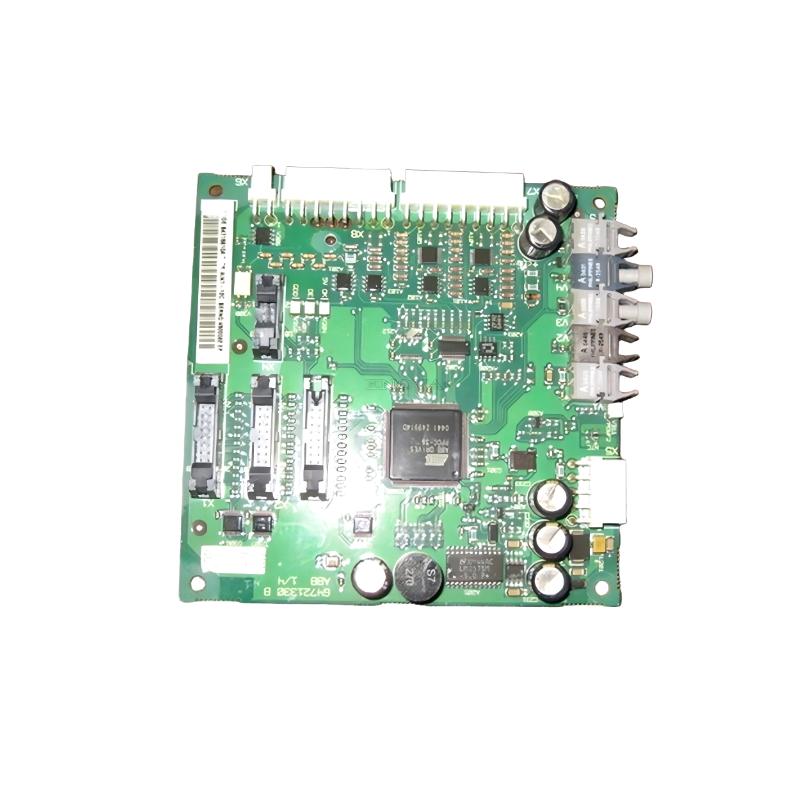
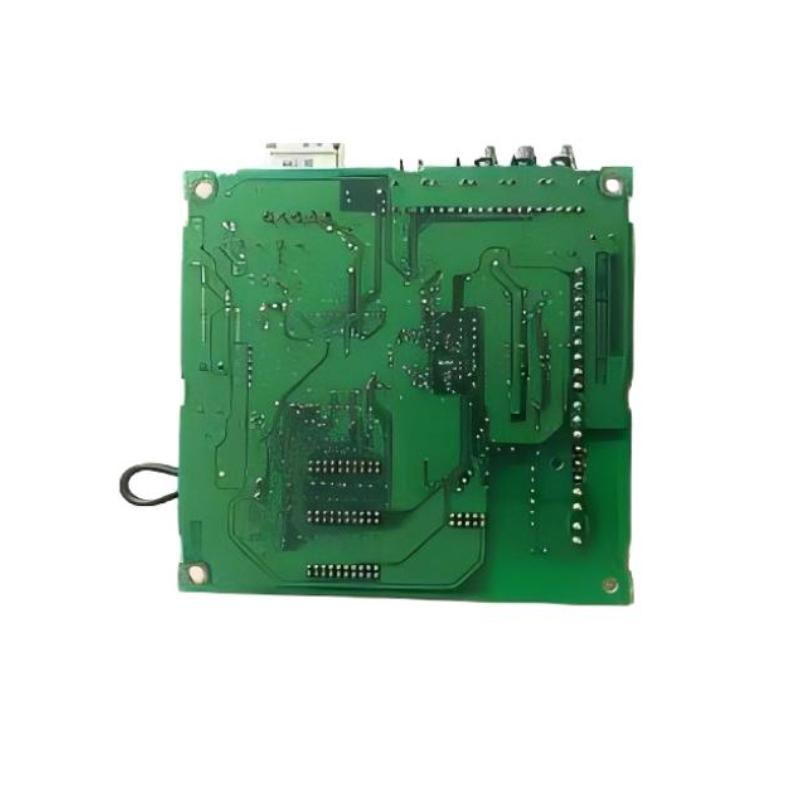
The ABB AINT-24C 3AUA0000031096 MC Interface Board is engineered to function as a communication and interface component within industrial drive and automation systems. Interface boards play an important role in enabling coordination between control units, drive modules, and communication networks inside complex automation architectures.
This board is typically installed within industrial drive systems where precise communication between machine controllers and motor control equipment is required.
Typical environments where this interface board is used include:
-
Industrial variable frequency drive installations controlling motors
-
Manufacturing automation systems requiring coordinated motor control
-
Process industries such as chemical, oil, and water treatment plants
-
Material handling equipment including conveyors and automated transport systems
-
Electrical control cabinets integrating multiple drive modules
By enabling communication between machine control systems and drive electronics, the board helps ensure accurate motor operation and system coordination.
Key Technical Advantages
Reliable Machine-to-Control Communication
The interface board enables stable communication between machine control systems and drive electronics, supporting coordinated automation processes.
Optimized for Industrial Drive Platforms
Designed for integration within ABB drive architectures, it supports seamless communication between control modules.
Enhanced System Coordination
The board helps synchronize drive operations with automation controllers, improving overall system efficiency.
Industrial-Grade Electronic Construction
Engineered for demanding environments, the board operates reliably in systems with vibration, electrical noise, and continuous operation.
Service-Friendly Modular Design
As a replaceable interface board, it allows maintenance technicians to service communication components without replacing entire drive systems.
Technical FAQs
1. What is the main function of the AINT-24C interface board?
It provides communication and interface functionality between machine control systems and drive electronics.
2. In which systems is this board commonly installed?
It is typically installed in industrial drive systems and automation equipment that require communication with motor controllers.
3. How does the board support automation systems?
By transmitting control and operational signals between controllers and drive components.
4. Can the board be replaced independently during maintenance?
Yes, it is designed as a modular component that can be serviced or replaced when necessary.
5. What equipment typically benefits from this interface board?
Industrial motor drives, conveyor systems, pumps, compressors, and automated machinery.
6. Does the board assist with drive communication stability?
Yes, it helps maintain consistent signal transmission between system components.
7. Is the board designed for continuous industrial operation?
Yes, it is built to function reliably in long-running industrial environments.
8. Can the board operate in environments with electromagnetic interference?
Yes, it is designed to maintain stable communication in industrial conditions where electrical noise is present.
9. Does the board support coordination between multiple drive modules?
Yes, it assists with communication and coordination between connected drive components.
10. Why are interface boards important in drive systems?
They ensure that control commands and operational feedback are transmitted accurately between system components.
 A DCS Q Co., Ltd. - PLC and DCS Industrial Control Equipment Wholesale