Industrial Networking Applications
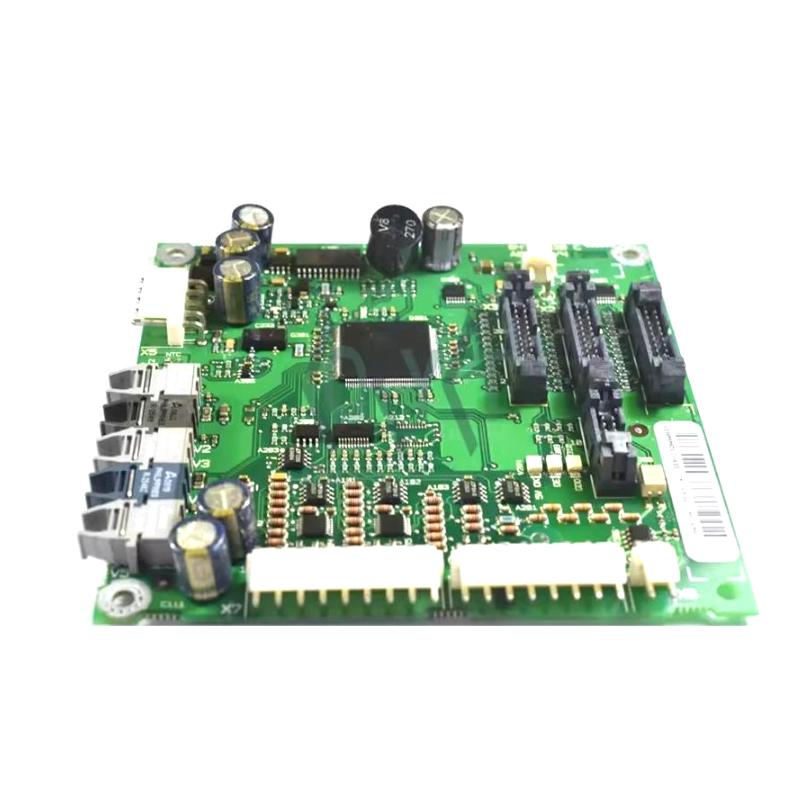
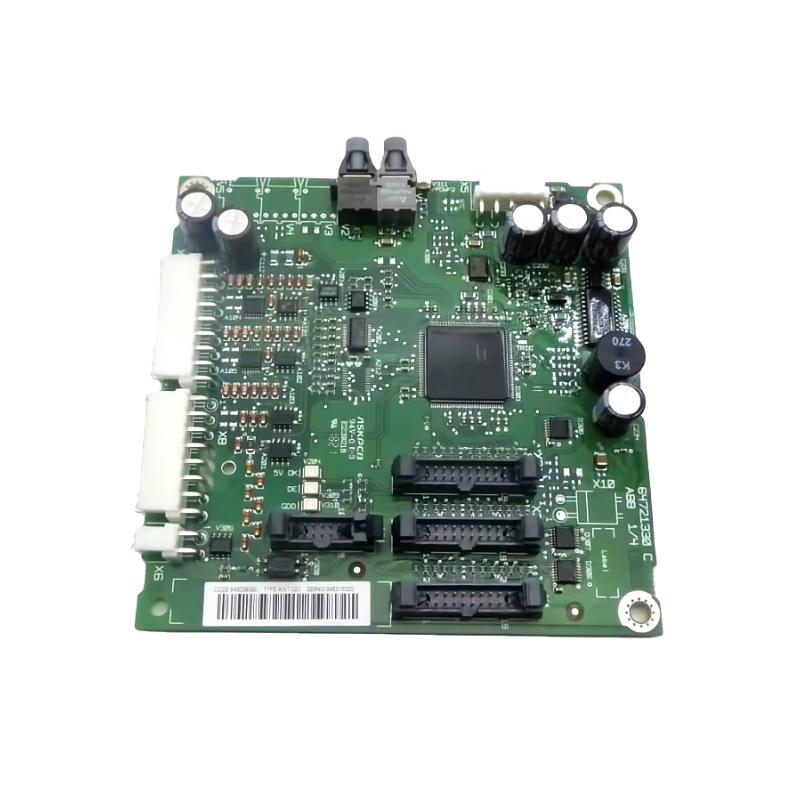
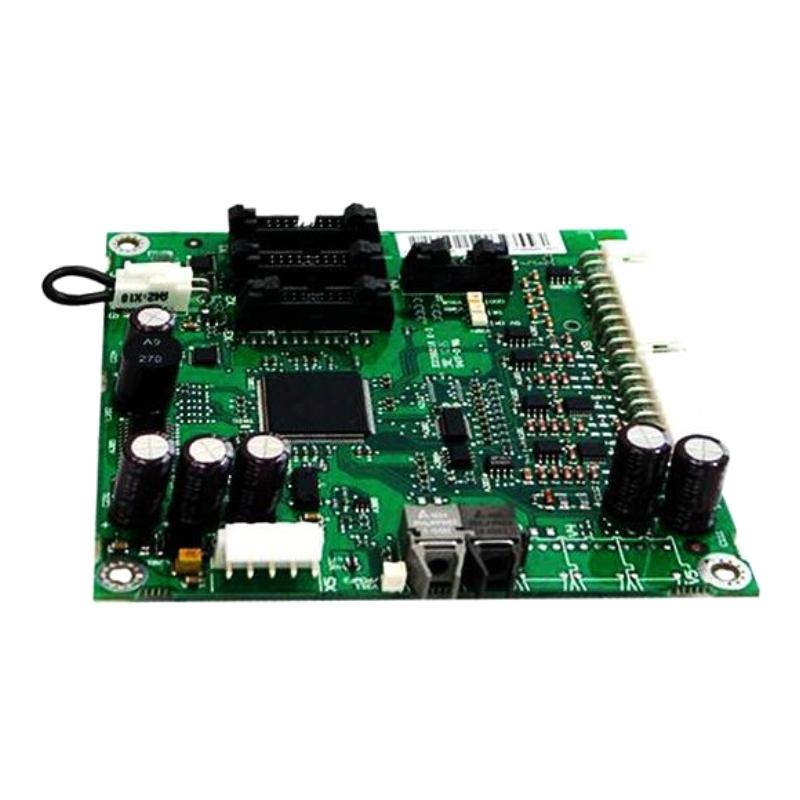
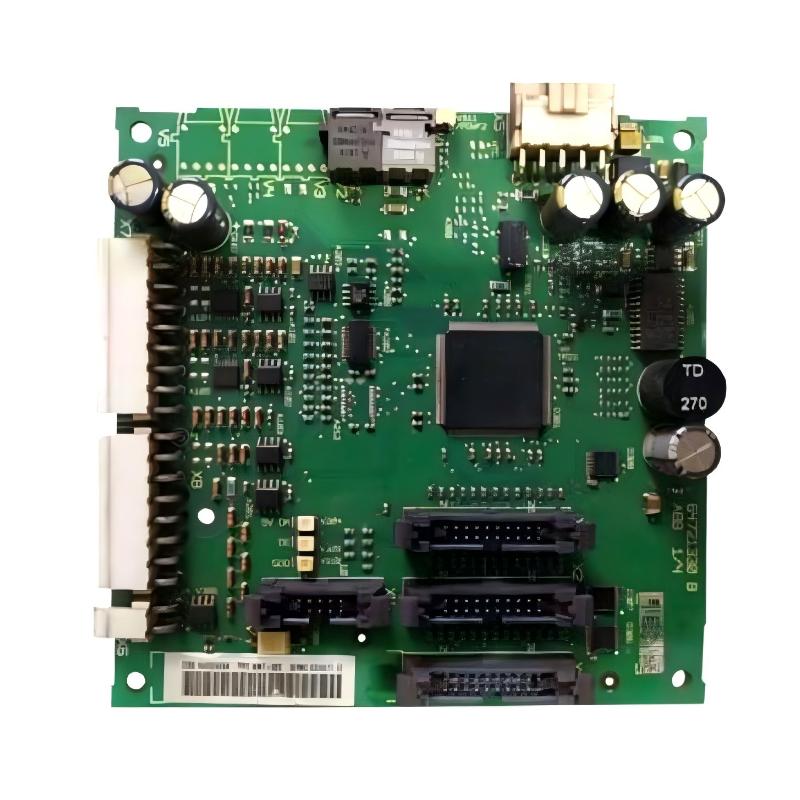
The ABB AINT-01C Communication Fiber Optic Board is designed to enable high-speed optical communication between industrial control components. Fiber optic communication boards are widely used in automation environments where long-distance data transmission, electrical isolation, and high immunity to electromagnetic interference are required.
This board typically functions as a communication interface within control systems, allowing data exchange between controllers, drives, and other automation devices using fiber optic connections.
Typical deployment environments include:
-
Industrial drive systems requiring high-speed communication
-
Distributed control systems in manufacturing facilities
-
Power generation and electrical infrastructure automation
-
Industrial automation networks operating in high electromagnetic interference environments
-
Large production lines requiring reliable long-distance communication links
By utilizing optical communication technology, the board ensures stable and noise-resistant data transmission across industrial networks.
Operational Advantages
High Immunity to Electromagnetic Interference
Fiber optic communication provides excellent resistance to electrical noise, making it suitable for industrial environments with heavy electrical equipment.
Reliable Long-Distance Data Transmission
Optical communication allows signals to travel longer distances without significant signal degradation.
Enhanced System Communication Stability
The board ensures stable and consistent data exchange between connected automation components.
Improved Electrical Isolation
Fiber optic connections prevent electrical interference and ground loop issues between devices.
Efficient Integration with Industrial Control Systems
The board can be incorporated into automation platforms that require high-speed optical network communication.
Technical FAQs
1. What is the primary function of the AINT-01C fiber optic board?
It provides optical communication capabilities for industrial control systems.
2. Why is fiber optic communication used in automation systems?
Because it offers high data transmission reliability and immunity to electromagnetic interference.
3. What systems typically use fiber optic communication boards?
Industrial drives, distributed control systems, and automation networks.
4. Can the board support long-distance communication?
Yes, fiber optic technology allows reliable communication across extended distances.
5. How does fiber optic communication improve system reliability?
It reduces signal interference and maintains stable data transmission in electrically noisy environments.
6. Is the board designed for integration into automation equipment?
Yes, it is typically installed inside control systems, drives, or communication modules.
7. Does the board provide electrical isolation between devices?
Yes, optical communication inherently isolates connected equipment electrically.
8. Can it be used in high-power industrial environments?
Yes, fiber optic communication is particularly useful where electrical interference is present.
9. Is the module suitable for continuous industrial operation?
Yes, it is designed for long-term operation in automation systems.
10. What advantage does optical communication provide over copper communication?
It offers higher noise immunity, better electrical isolation, and longer transmission distances.
 A DCS Q Co., Ltd. - PLC and DCS Industrial Control Equipment Wholesale