Where Engineers Commonly Use This Module
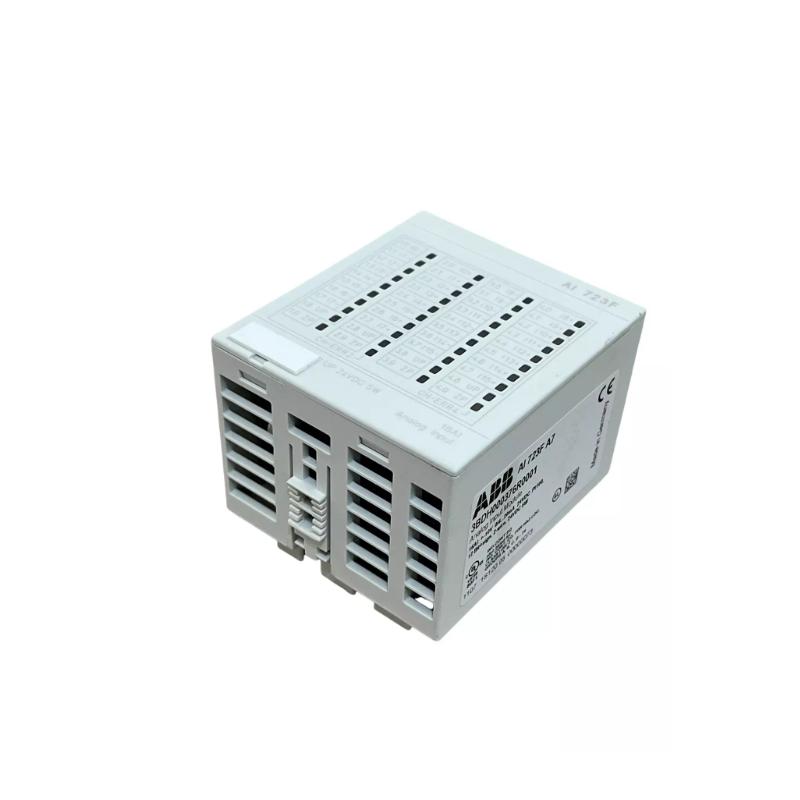
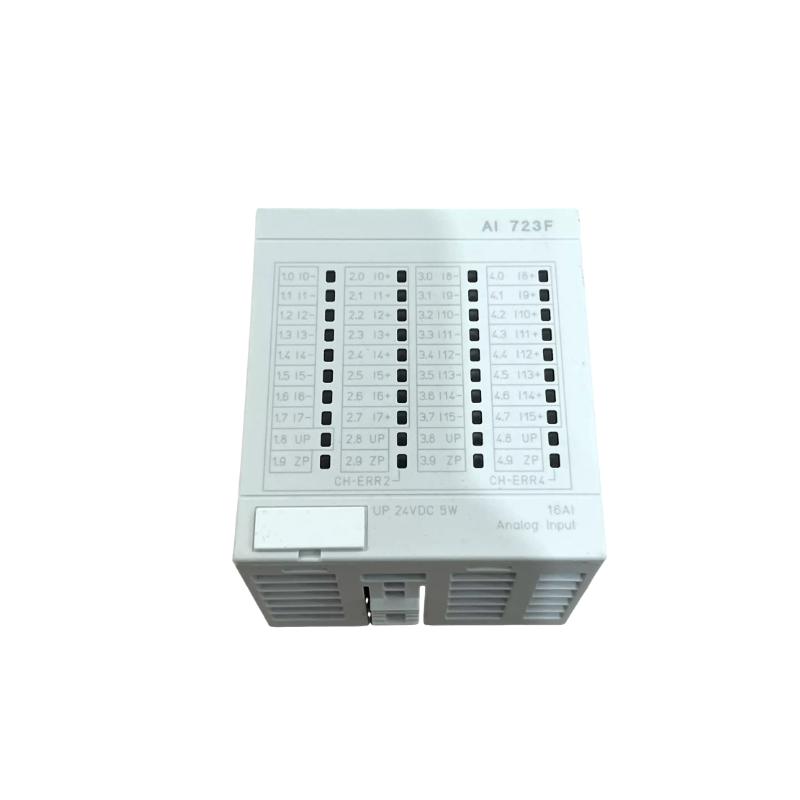
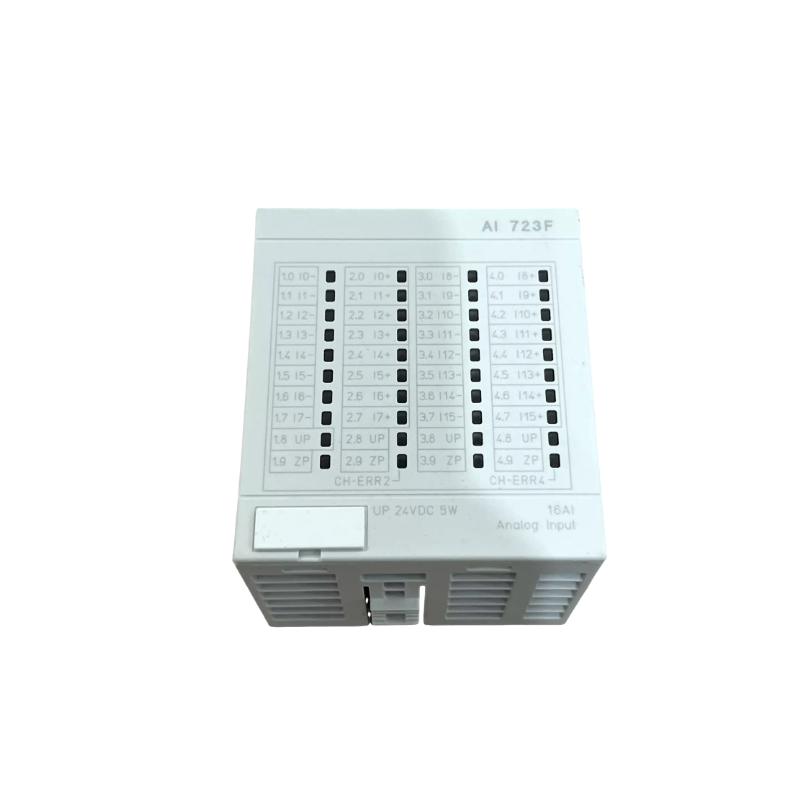
The ABB AI723F 3BDH000376R0005 Analog Input Module is developed for industrial automation systems that require accurate acquisition of analog signals from field instruments. In modern process environments, analog input modules serve as the interface between measurement devices and control platforms, converting real-world signals into data that controllers can process.
This module is typically deployed in automation cabinets where sensors continuously transmit measurement signals to the control system.
Typical industrial uses include:
-
Process monitoring in chemical and petrochemical plants
-
Temperature and pressure signal acquisition in power generation systems
-
Industrial manufacturing lines requiring precise sensor feedback
-
Environmental monitoring systems within process facilities
-
Automation platforms managing distributed sensor networks
By converting analog signals into digital data for control systems, the module enables precise monitoring and process regulation.
Practical Engineering Advantages
Accurate Signal Acquisition
The module captures analog signals from field sensors and delivers reliable data to automation controllers.
Seamless Integration with Automation Platforms
It is designed to integrate into modular ABB automation systems, supporting scalable control architectures.
Stable Performance in Industrial Environments
Industrial-grade design ensures reliable operation even in environments with electrical noise and temperature fluctuations.
Efficient Control Cabinet Installation
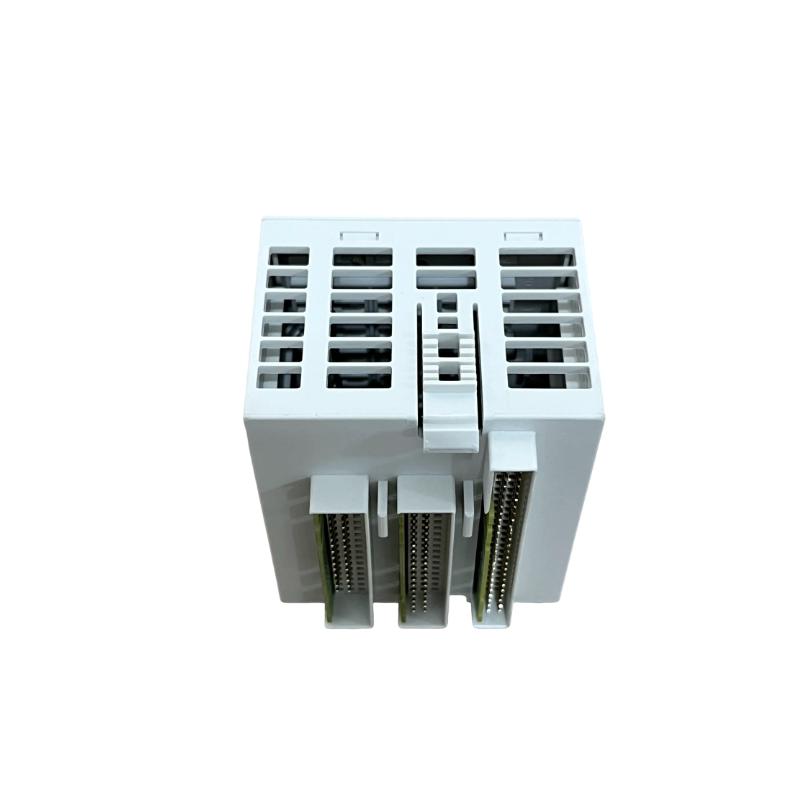
The compact structure allows efficient installation within control cabinets and distributed I/O racks.
Supports Continuous Monitoring Applications
It enables real-time data collection from sensors, supporting automated process optimization.
Technical FAQs
1. What is the main purpose of the AI723F analog input module?
It receives analog signals from field devices and converts them into digital data for industrial control systems.
2. What types of devices can be connected to this module?
Sensors such as temperature transmitters, pressure transmitters, and flow measurement instruments.
3. Why are analog input modules important in automation systems?
They allow control systems to interpret physical process variables from field instrumentation.
4. Can the module operate in distributed control systems?
Yes, it is designed for use in modular and distributed automation architectures.
5. What type of signals does the module process?
Standard industrial analog signals used for measurement and monitoring.
6. Is the module suitable for continuous industrial operation?
Yes, it is built for long-term operation in industrial environments.
7. Can the module be installed inside standard automation cabinets?
Yes, it is intended for integration into industrial control cabinets and I/O systems.
8. How does the module support process control accuracy?
By transmitting reliable measurement data to the control system for precise regulation.
9. Can it be used in large-scale automation installations?
Yes, it is suitable for systems with numerous field instruments and monitoring points.
10. Does the module support integration with monitoring software?
Yes, the signals processed by the module can be used by automation controllers and supervisory systems.
 A DCS Q Co., Ltd. - PLC and DCS Industrial Control Equipment Wholesale