Typical Industrial Application Fields
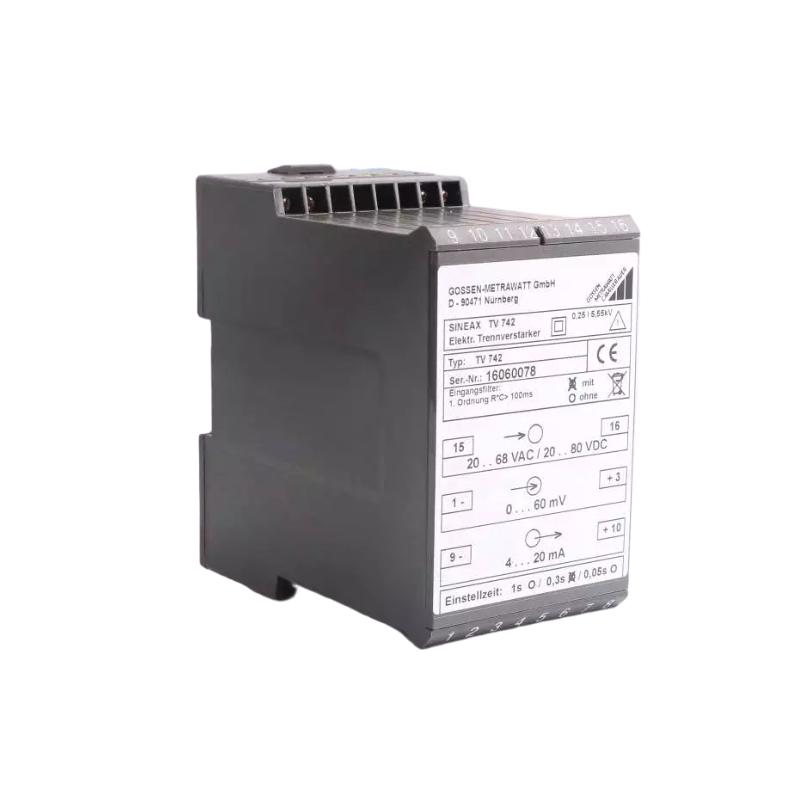
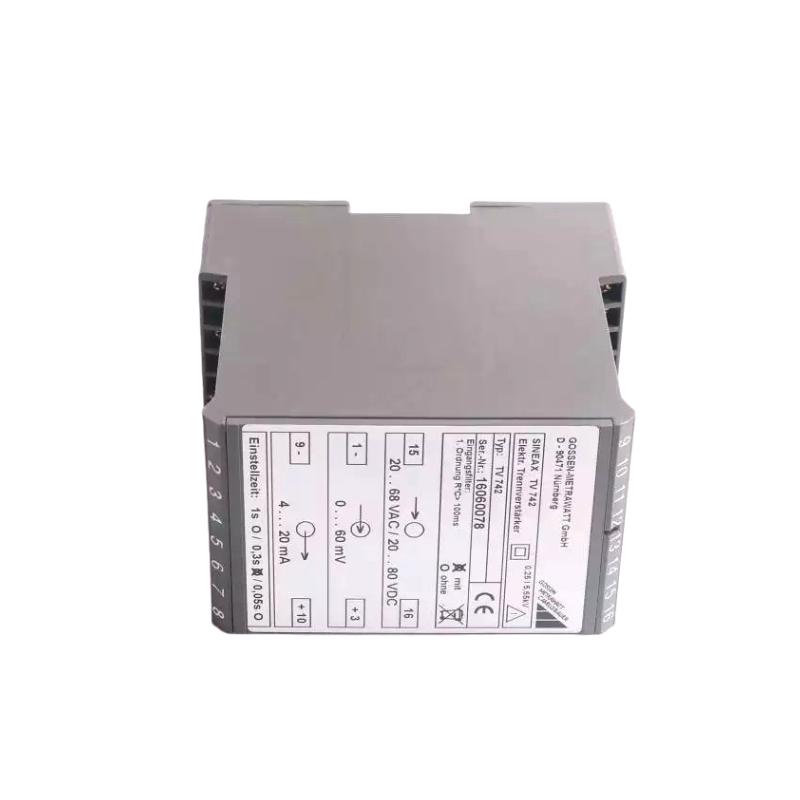
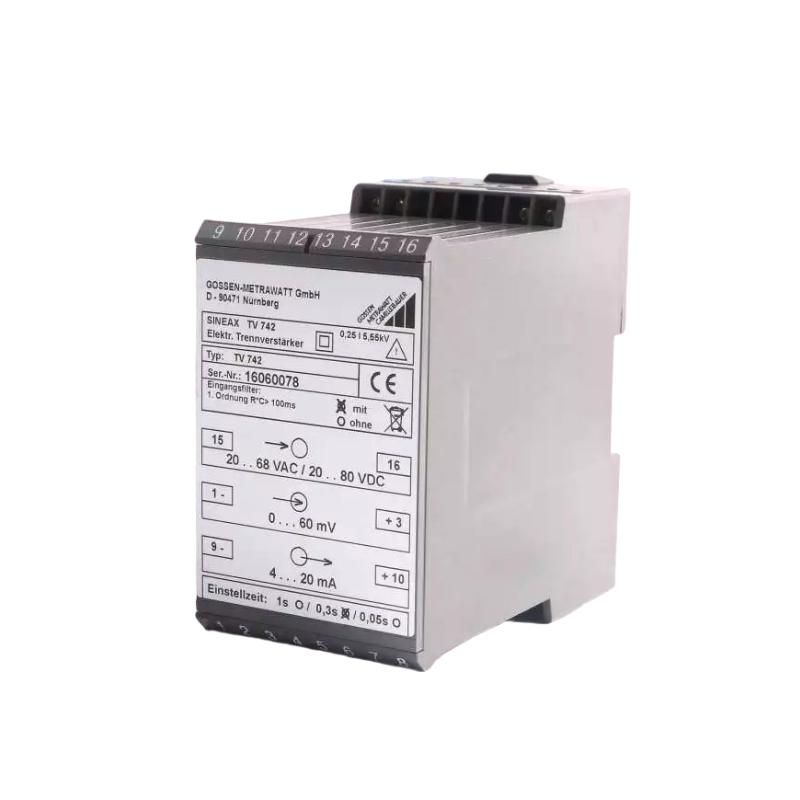
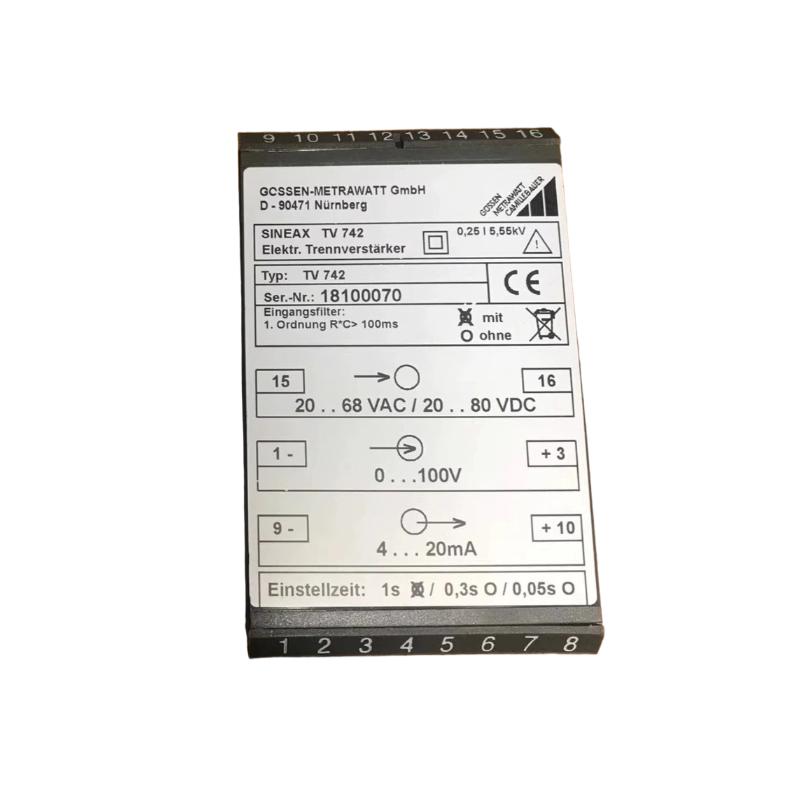
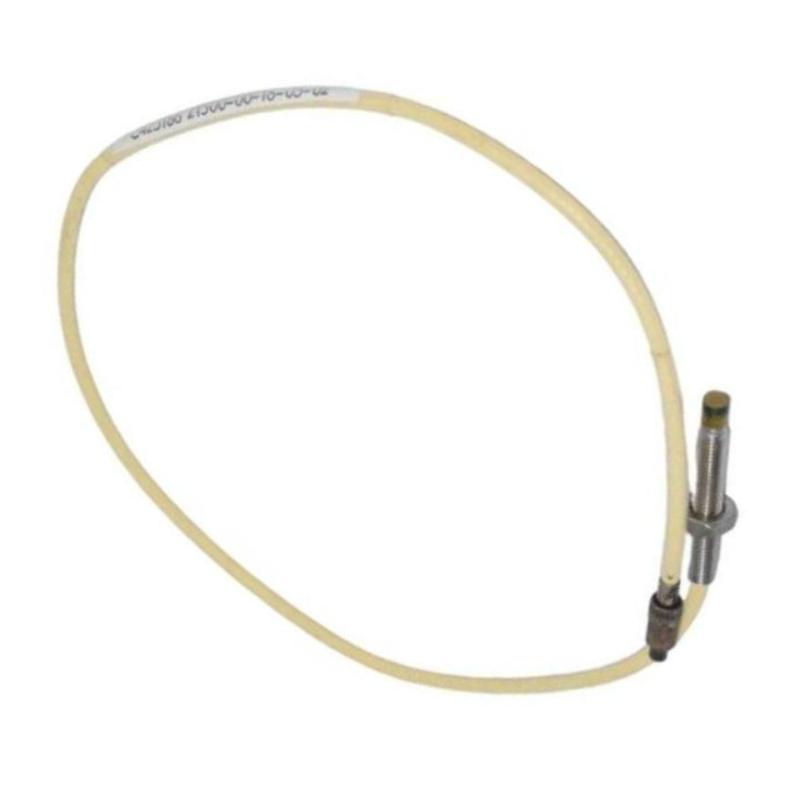
The ABB TV742 3BHB001567R0060 Sensor is designed for monitoring and measurement tasks within industrial automation and electrical systems. Sensors of this type are used to detect operational parameters and transmit accurate feedback signals to control systems, enabling precise process control and equipment protection.
This sensor is commonly installed in environments where reliable measurement and monitoring are critical to maintaining operational stability.
Typical application areas include:
-
Power generation systems requiring equipment monitoring
-
Industrial automation processes needing accurate sensor feedback
-
Electrical control systems monitoring machine operating conditions
-
Heavy industrial equipment where environmental and operational data must be tracked
-
Infrastructure systems such as energy distribution or process plants
By providing consistent measurement signals, the sensor supports safe and efficient system operation.
Performance and Design Advantages
Accurate Industrial Monitoring
The sensor provides reliable detection and measurement capabilities that allow automation systems to respond accurately to changing operational conditions.
Integration with Control Systems
It is designed to communicate with industrial control platforms, enabling controllers to receive real-time sensor data for decision-making processes.
Robust Industrial Construction
The device is built to operate in environments that may include vibration, electrical interference, and temperature variations.
Stable Signal Transmission
The sensor ensures consistent data transmission to connected control equipment, supporting reliable system performance.
Versatile Automation Use
It can be integrated into a wide range of industrial monitoring applications across different sectors.
Technical FAQs
1. What is the primary function of the TV742 sensor?
It detects and transmits measurement data from industrial equipment or processes to automation control systems.
2. In which industries is this sensor typically used?
It is commonly used in power generation, manufacturing automation, and heavy industrial control systems.
3. Can the sensor be integrated with automation controllers?
Yes. It is designed to interface with industrial control systems that monitor operational parameters.
4. What types of systems benefit from this sensor?
Systems that require continuous monitoring of equipment conditions or environmental variables.
5. Does the sensor support continuous industrial operation?
Yes. It is built for reliable long-term operation in industrial environments.
6. How does the sensor improve equipment protection?
By providing accurate monitoring data, it helps control systems detect abnormal conditions early.
7. Is the sensor suitable for installation inside control cabinets?
It can be installed in control systems or equipment assemblies depending on the application.
8. Can the sensor operate in environments with electrical interference?
Yes. Industrial-grade design allows stable operation in electrically noisy environments.
9. What type of signal output does the sensor provide?
It typically transmits measurement signals that can be interpreted by industrial monitoring systems.
10. How does the sensor contribute to automation efficiency?
By supplying reliable measurement data, it helps control systems maintain optimal operating conditions.
 A DCS Q Co., Ltd. - PLC and DCS Industrial Control Equipment Wholesale