Typical Automation System Applications
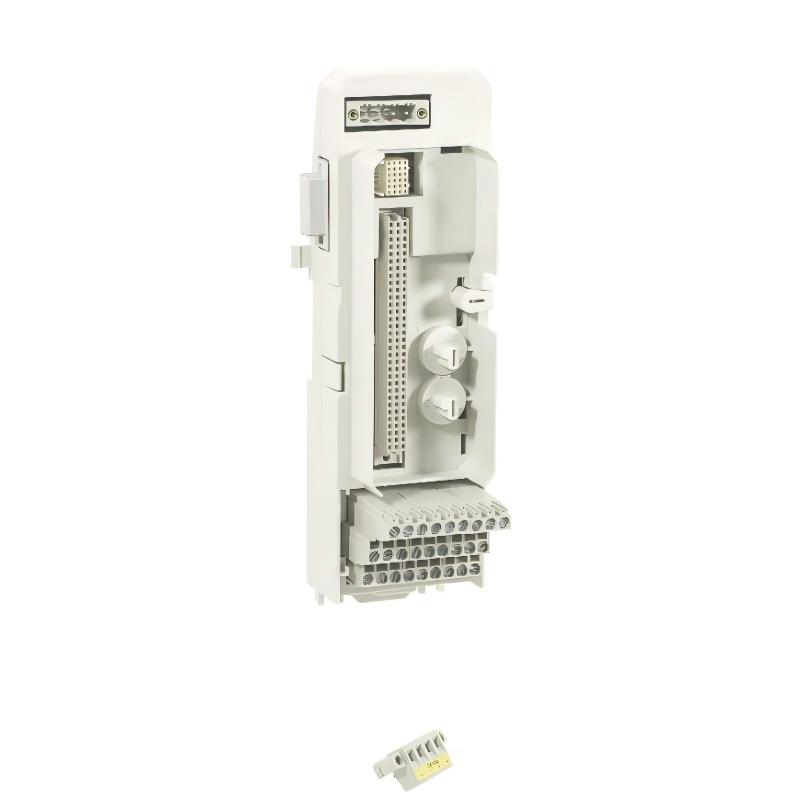
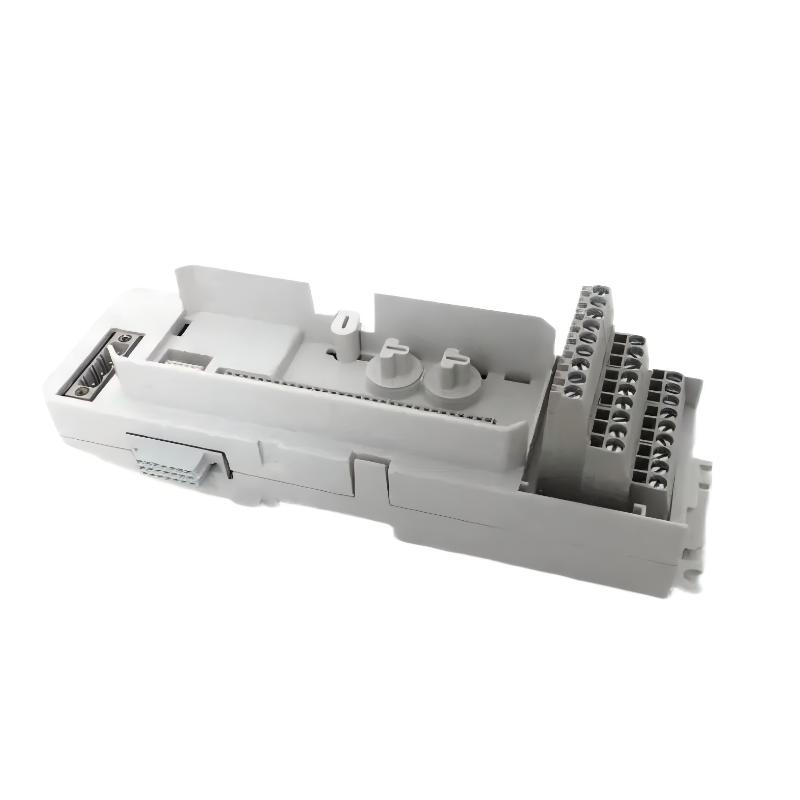
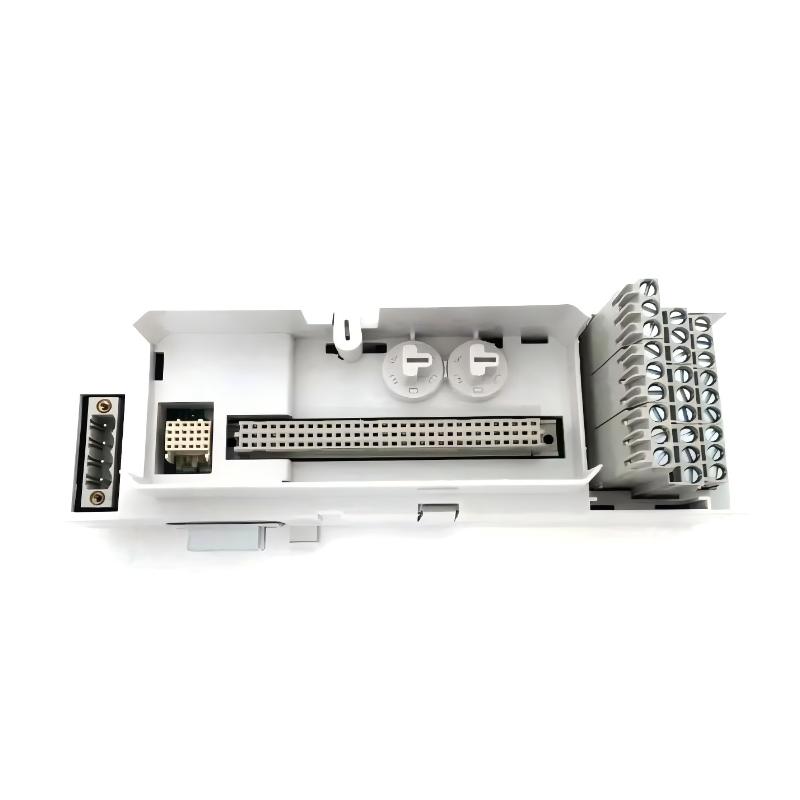
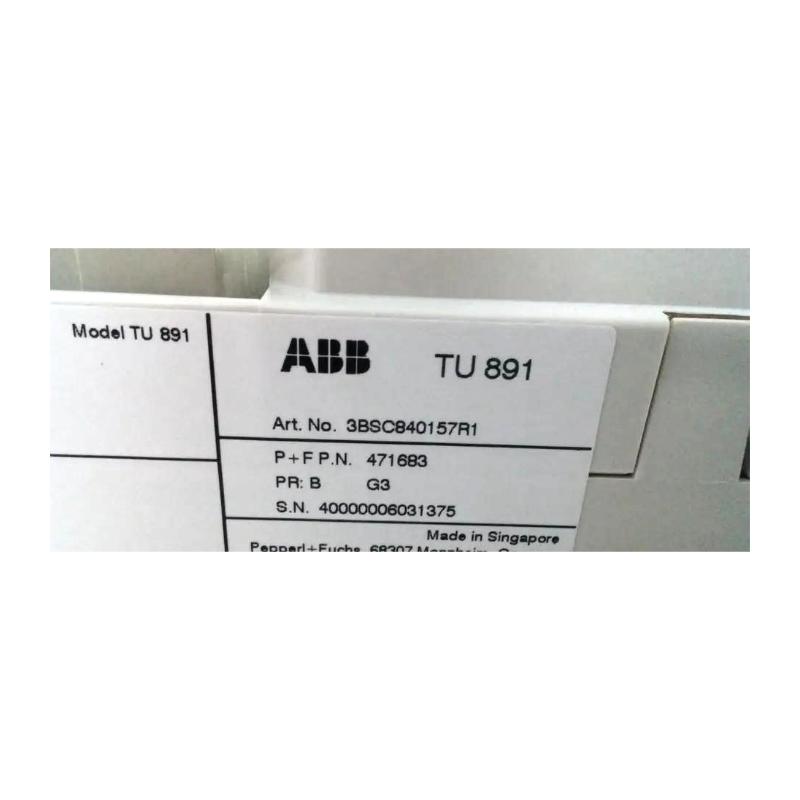
The ABB TU891 3BSC840157R1 Module Termination Unit is designed to provide a reliable interface between field wiring and automation I/O modules within distributed control systems. In industrial environments where numerous sensors and actuators must connect to control equipment, termination units ensure that signals are routed safely and efficiently.
This module is commonly deployed in installations that require well-organized field wiring and stable signal termination.
Typical industrial environments include:
-
Process control plants such as chemical and petrochemical facilities
-
Power generation automation systems
-
Industrial manufacturing lines with multiple monitoring devices
-
Water and wastewater treatment automation installations
-
Control cabinets supporting distributed I/O networks
By enabling structured signal termination, the unit contributes to more reliable and maintainable automation systems.
Key Engineering Advantages
Organized Field Wiring Structure
The module provides clearly arranged terminals that allow technicians to connect multiple field signals in a structured layout.
Integration with ABB Modular I/O Systems
It is designed to operate alongside ABB automation platforms, enabling seamless integration into distributed control architectures.
Simplified Maintenance and Troubleshooting
Clear terminal organization helps technicians quickly identify wiring paths during diagnostics or system servicing.
Compact Control Cabinet Installation
The module’s compact design allows efficient use of space within industrial control cabinets.
Reliable Industrial Performance
Built for continuous operation, the termination unit maintains stable electrical connections even in demanding industrial environments.
Technical FAQs
1. What is the primary function of the TU891 module termination unit?
It provides terminal connections that link field wiring to automation I/O modules.
2. Which systems typically use the TU891 unit?
It is commonly used within ABB distributed control systems and industrial automation platforms.
3. Can the unit handle multiple field signal connections?
Yes, it is designed to support connections from numerous sensors and actuators.
4. How does the module improve installation efficiency?
By organizing field wiring into clearly arranged terminal points, it simplifies installation and cable management.
5. Is the unit compatible with modular I/O architectures?
Yes, it integrates with modular automation systems where termination units connect directly to I/O modules.
6. Can the module be installed in standard industrial cabinets?
Yes, it is designed for panel mounting inside automation control cabinets.
7. What types of signals can be terminated using this unit?
Both digital and analog signals from industrial devices can be connected.
8. How does the module support system maintenance?
Clearly labeled terminals allow technicians to locate and service connections more easily.
9. Is the module suitable for large automation installations?
Yes, it supports scalable automation architectures where many field devices must be connected.
10. Can the unit operate continuously in industrial environments?
Yes, it is designed for long-term operation in demanding industrial conditions.
 A DCS Q Co., Ltd. - PLC and DCS Industrial Control Equipment Wholesale