Industrial Integration Scenarios
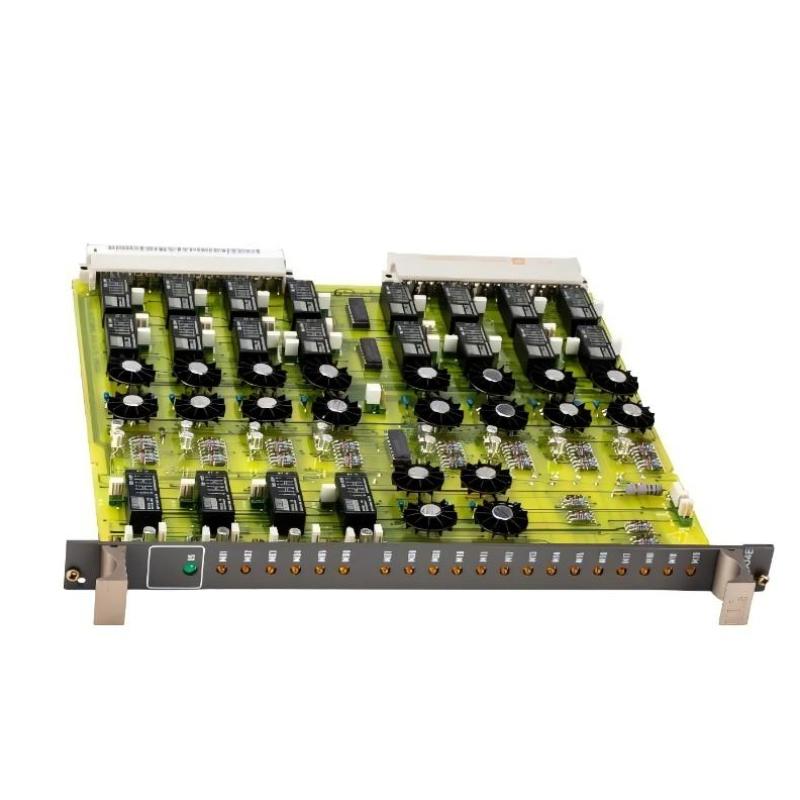
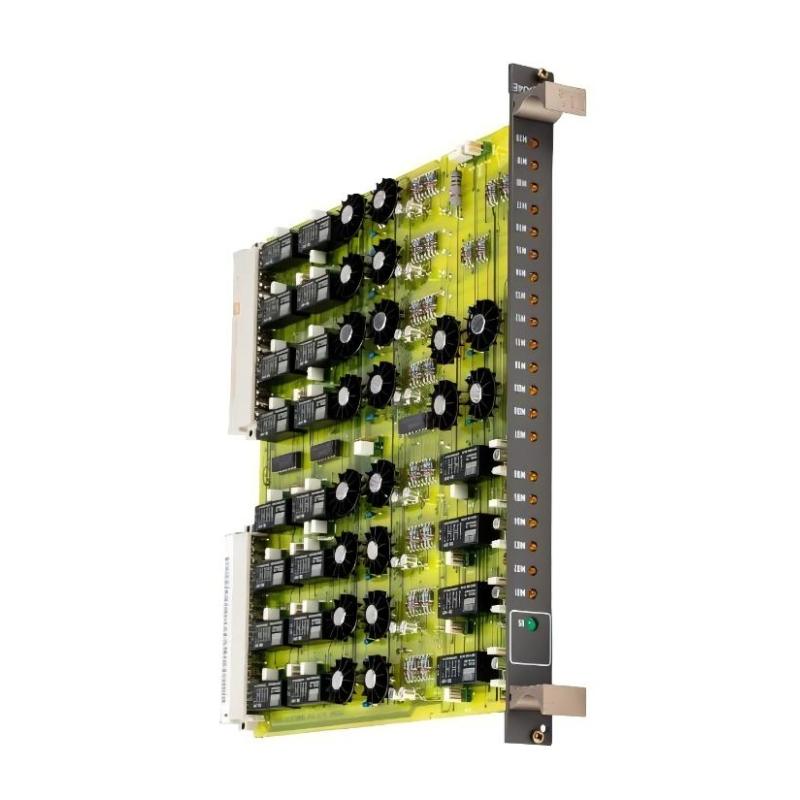
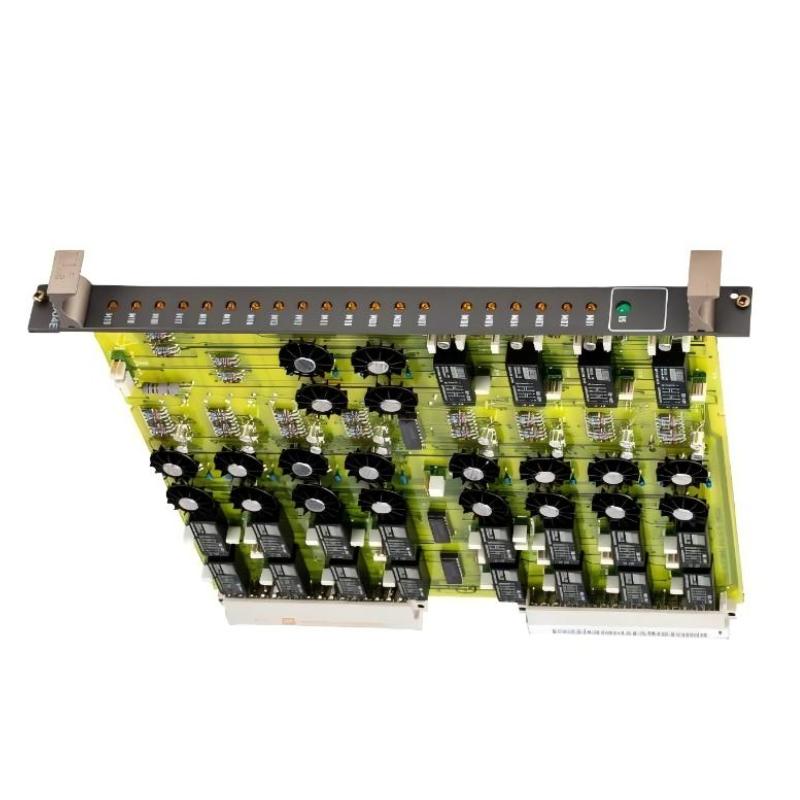
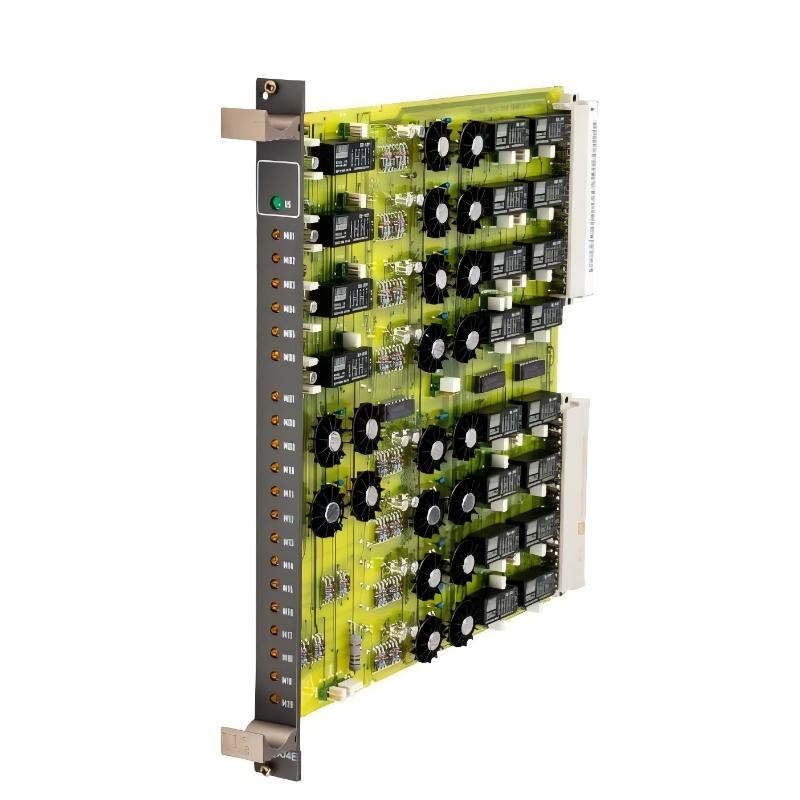
The ABB 89NU04A-E GKWE853000R0200 Coupled Module is designed for distributed control system architectures where reliable signal coupling and communication between control units are required. It is commonly used within industrial automation environments that rely on modular control platforms to coordinate multiple devices and subsystems.
Typical implementation environments include:
-
Distributed control systems (DCS) used in power generation facilities
-
Process automation plants such as chemical, oil, and water treatment facilities
-
Industrial control cabinets requiring reliable signal coordination between modules
-
Manufacturing automation lines integrating multiple controllers and monitoring stations
-
Infrastructure systems where signal exchange between control units must remain stable
Within these environments, the module serves as an interface layer that helps maintain consistent communication between control boards and other automation components.
Engineering Advantages
Reliable Signal Coupling Between Modules
The module facilitates stable signal exchange between different control components, ensuring proper coordination across automation subsystems.
Compatibility with ABB Control Platforms
It is commonly used within ABB control architectures such as Procontrol or related distributed control platforms.
Stable Communication for Automation Systems
By acting as a coupling interface, the module improves communication reliability between connected modules and controllers.
Industrial-Grade Durability
Designed for long-term use in industrial environments, the module withstands temperature variation, vibration, and electrical interference typical of automation cabinets.
Efficient Control Cabinet Integration
Its compact design allows installation within control racks or system modules without requiring excessive panel space.
Technical FAQs
1. What is the primary function of the 89NU04A-E coupling module?
It connects and coordinates communication between modules within an industrial automation control system.
2. Which control systems commonly use this module?
It is frequently integrated into ABB distributed control platforms used in industrial automation and process plants.
3. Does the module support signal processing functions?
Yes, it helps manage and transmit control signals between automation components within the system.
4. What type of signals can the module handle?
It can process and coordinate digital and analog control signals within automation networks.
5. Can it be installed inside a control rack?
Yes, the module is designed to be mounted within compatible control racks or system modules.
6. Is the module used in distributed control systems?
Yes, coupling modules are typically used to connect subsystems within DCS environments.
7. Does the module include status indicators?
Some variants include LED indicators that display operational status and fault conditions.
8. What industries typically use this module?
Power generation, water treatment, large manufacturing plants, and process automation facilities commonly deploy it.
9. How does the module improve system reliability?
By maintaining stable signal transmission between automation modules, it reduces communication errors within the control architecture.
10. Is the module suitable for continuous industrial operation?
Yes, it is engineered for long-term operation in demanding industrial control environments.
 A DCS Q Co., Ltd. - PLC and DCS Industrial Control Equipment Wholesale