Product Introduction
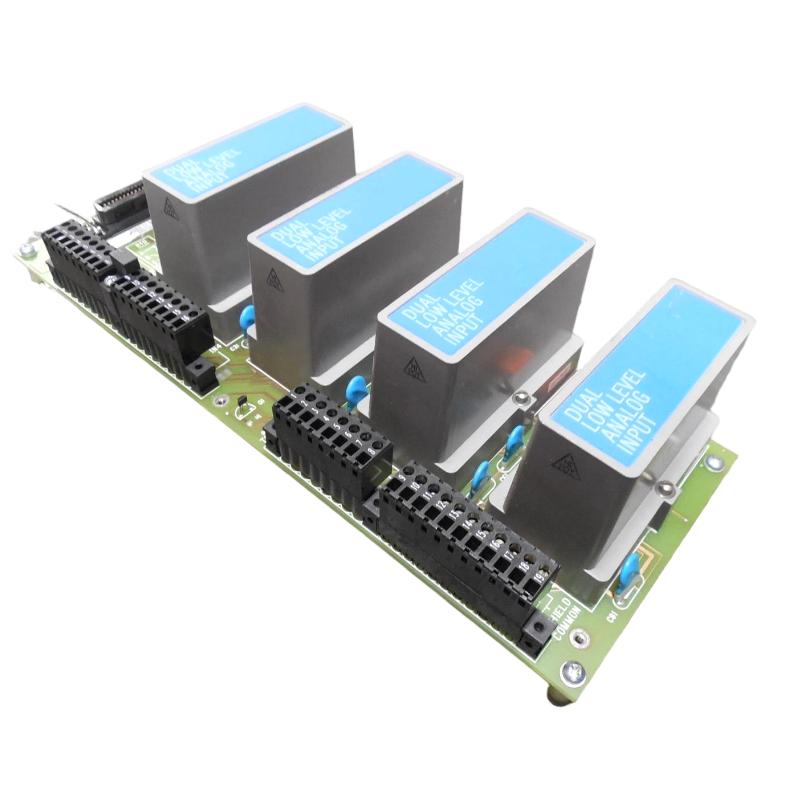
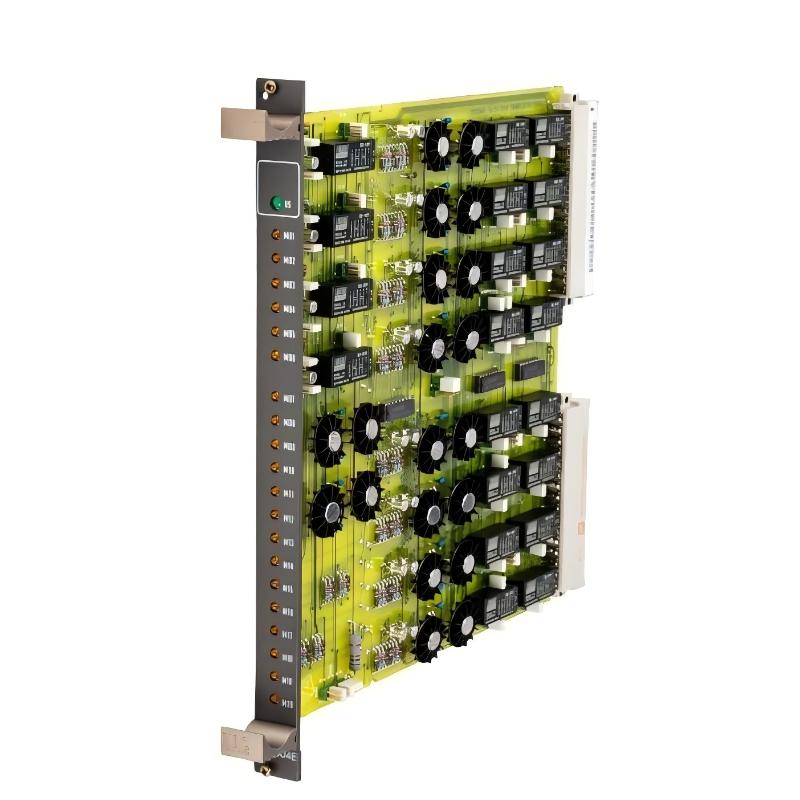
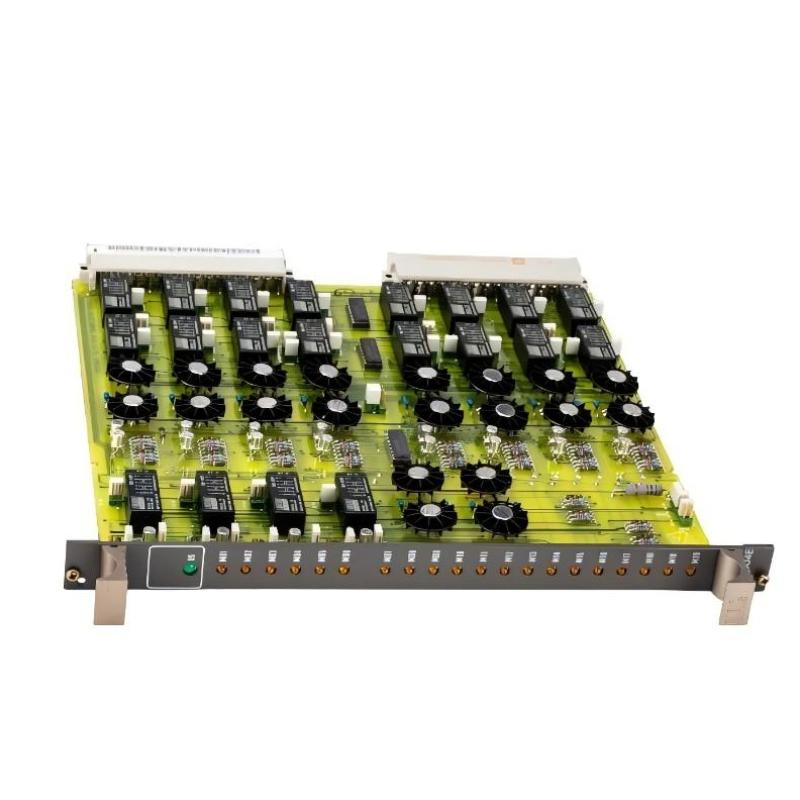
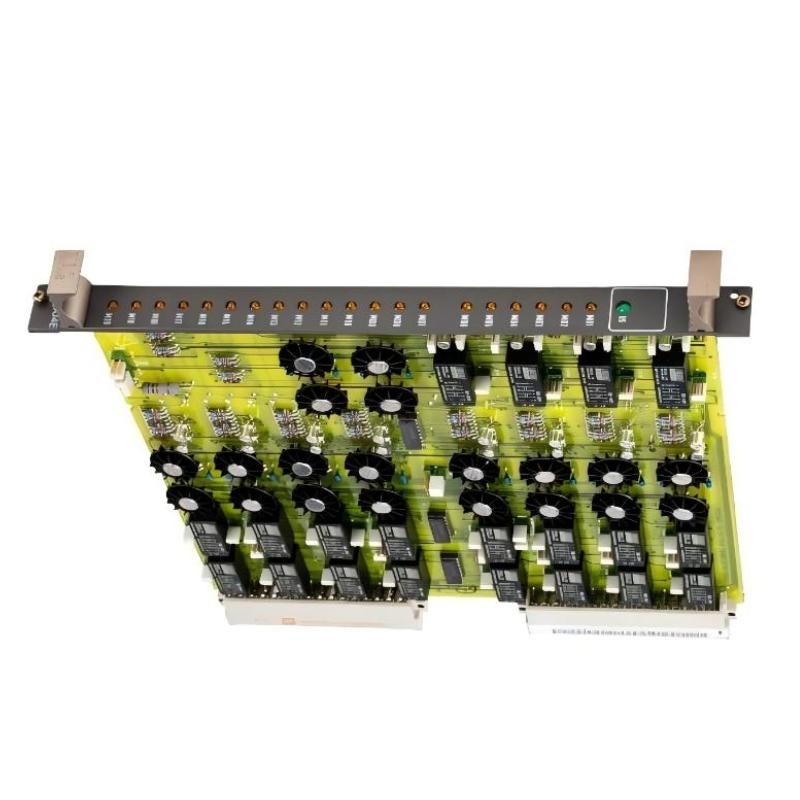
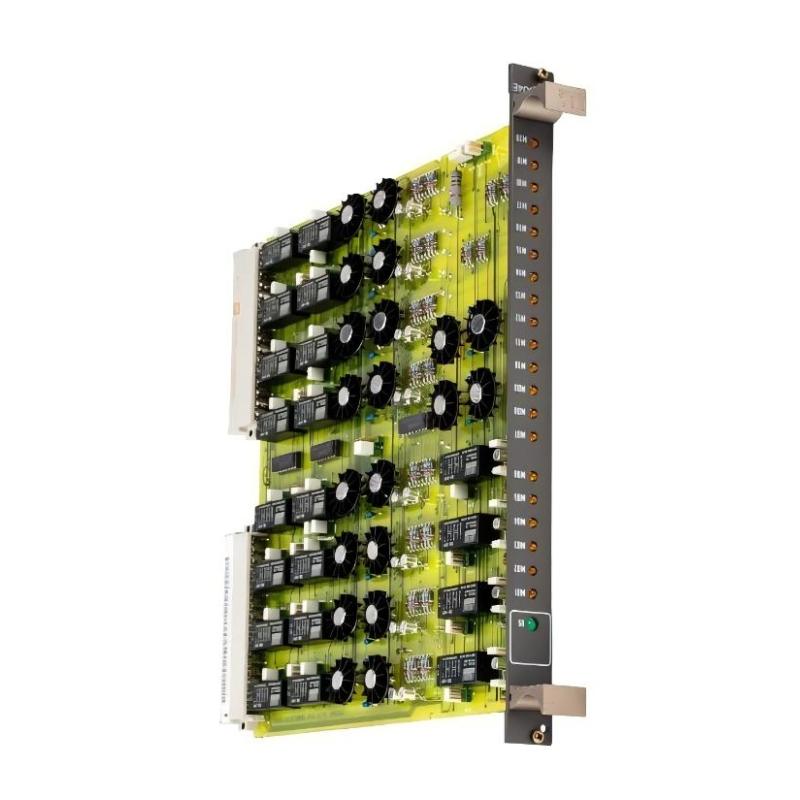
The ABB 89NU04A GKWE853000R0200 Coupled Module is an industrial interface component designed to facilitate reliable signal coupling within complex automation and electrical control systems. In many industrial installations, control modules must communicate effectively to maintain coordinated system behavior.
This module supports that requirement by providing a dependable interface that links system components and enables stable signal transfer. Its integration capability makes it useful in both automation control cabinets and power infrastructure equipment.
With a robust design and compatibility with industrial control environments, the 89NU04A coupled module helps maintain reliable communication between interconnected control elements.
Technical Specifications
| Parameter | Specification |
|---|
| Product Model | 89NU04A |
| Part Number | GKWE853000R0200 |
| Product Type | Coupled Module |
| Manufacturer | ABB |
| Installation Type | Control Panel Mounting |
| Functional Role | Signal Coupling and System Interface |
| Application Environment | Industrial Automation and Power Systems |
| Dimensions | 200 × 120 × 60 mm |
| Weight | 0.8 kg (1.764 lb) |
Industrial Deployment Contexts
The ABB 89NU04A GKWE853000R0200 Coupled Module is designed for integration within industrial control and protection systems where reliable signal coupling and system coordination are required. Coupled modules are commonly used to connect control units, relay systems, or automation devices, ensuring stable communication and signal transmission between different sections of a control architecture.
This module is typically found in environments where multiple control components must operate in synchronized configurations.
Common applications include:
-
Industrial control cabinets used in process automation systems
-
Power distribution monitoring and protection equipment
-
Manufacturing systems requiring coordinated signal routing between modules
-
Electrical control systems in energy and infrastructure facilities
-
Automation installations where control modules must exchange signals reliably
Its durable construction and compact installation profile make it suitable for industrial panels where stable connectivity and system integration are essential.
System Integration Advantages
The module provides several benefits that assist engineers in designing reliable automation and control infrastructures.
Reliable Signal Coupling
The module allows stable electrical coupling between control system components, helping maintain consistent signal transmission.
Efficient Control System Coordination
By linking modules within a control architecture, the device helps synchronize operational functions across different automation components.
Compact Panel Installation
The module’s design supports installation within standard industrial control cabinets without requiring excessive panel space.
Industrial-Grade Durability
Built for demanding environments, the module performs reliably in facilities with electrical noise and continuous operational cycles.
Flexible System Compatibility
It can be incorporated into various ABB control and protection systems, supporting broader automation architectures.
Technical FAQs
1. What is the primary purpose of the 89NU04A coupled module?
It provides electrical coupling and signal interfacing between different components within industrial control systems.
2. In what types of systems is this module commonly installed?
It is often used in power control panels, automation systems, and protection equipment.
3. Can the module support signal routing between multiple control devices?
Yes. It helps facilitate communication and signal exchange between interconnected modules.
4. How does the module improve system reliability?
By ensuring stable signal coupling, it helps maintain consistent communication between automation components.
5. Is the module designed for installation in control cabinets?
Yes. It is intended for panel-mounted installation in industrial control systems.
6. Can the module be used in power infrastructure systems?
Yes. It is suitable for electrical control systems used in energy and infrastructure facilities.
7. Does the module require integration with other ABB components?
It is commonly integrated with ABB automation and control modules to form larger systems.
8. What role does the module play in automation architecture?
It acts as a linking component that enables coordinated operation among control modules.
9. Is the module designed for continuous industrial operation?
Yes. It is built to operate reliably in environments with continuous system activity.
10. Can the module support system expansion?
Yes. It allows additional control modules to be connected within a larger automation framework.
 A DCS Q Co., Ltd. - PLC and DCS Industrial Control Equipment Wholesale