Typical Use in Industrial Safety Systems
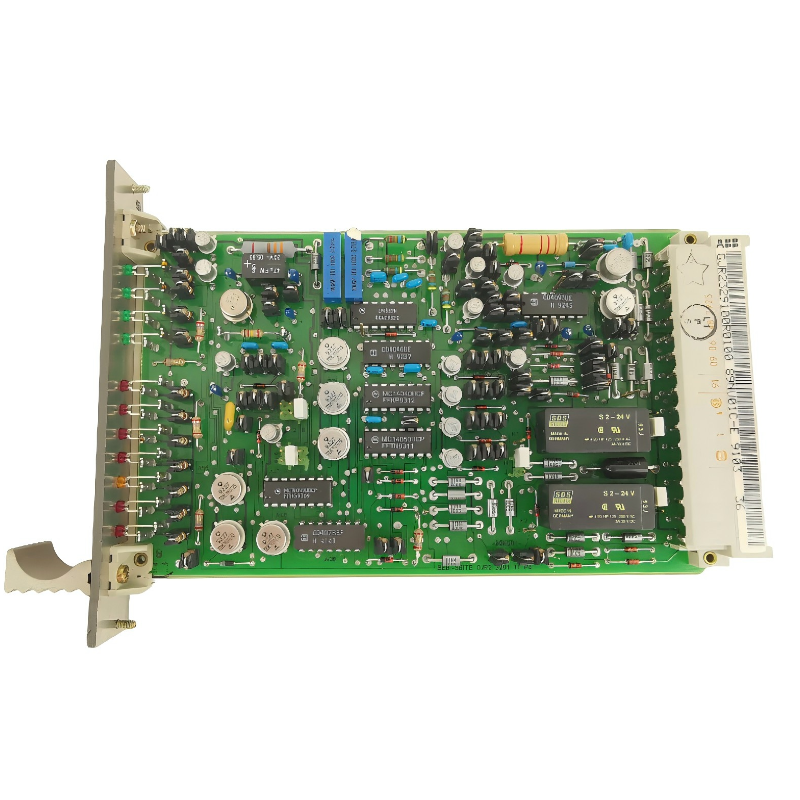
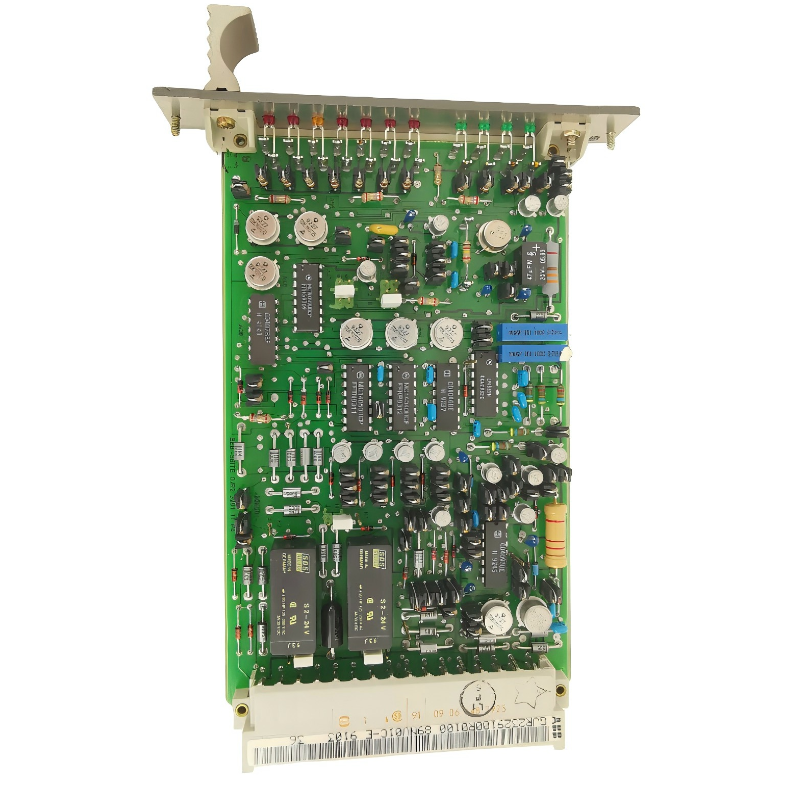
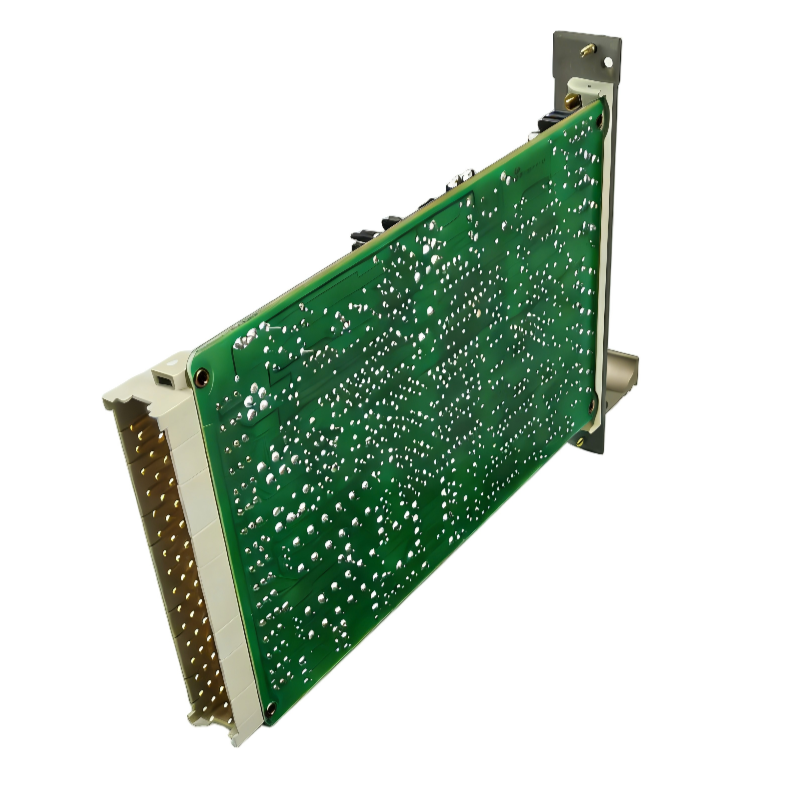
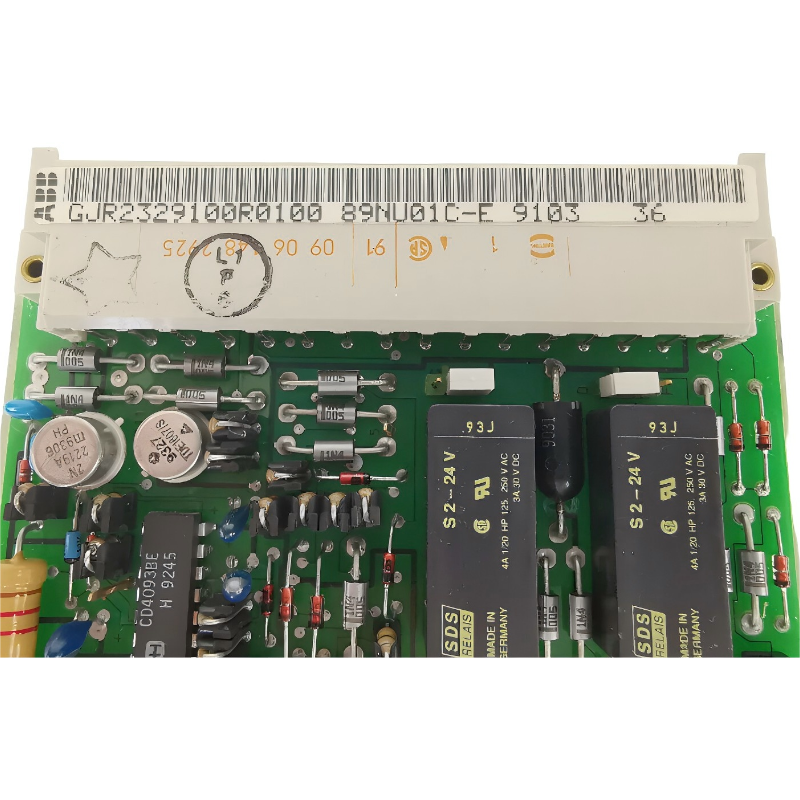
The ABB 89NU01C-E GJR2329100R0100 Safety Relay is designed for critical safety control applications within industrial automation systems. Safety relays play a vital role in monitoring emergency stop circuits, safety gates, and protective devices to ensure machinery operates within safe conditions.
This relay is typically implemented in automation environments where reliable safety monitoring and controlled shutdown mechanisms are essential.
Common industrial applications include:
-
Machine safety circuits monitoring emergency stop buttons
-
Automated production lines with safety interlock systems
-
Industrial robotics cells requiring protective safety shutdown control
-
Conveyor systems with safety gate monitoring
-
Manufacturing facilities implementing personnel protection systems
Its robust design allows the relay to operate continuously in industrial control cabinets where safety compliance and system reliability are critical.
Operational Strengths
The relay provides several advantages that support the design of dependable machine safety systems.
Reliable Safety Circuit Monitoring
The relay continuously monitors safety input signals and ensures safe machine shutdown when abnormal conditions occur.
Fast Response for Emergency Conditions
Rapid switching capability allows the system to react quickly when safety devices are activated.
Industrial Control Panel Integration
The relay is designed for easy installation in standard industrial control cabinets used in machine automation.
Stable Operation in Harsh Environments
The device maintains consistent performance even in environments with electrical noise and temperature variations.
Compatibility with Safety System Architectures
It can be integrated with safety circuits involving emergency stops, safety gates, and protective light curtains.
Technical FAQs
1. What is the primary function of the 89NU01C-E safety relay?
It monitors safety circuits and triggers a controlled shutdown of machinery when unsafe conditions are detected.
2. What types of safety devices can be connected to this relay?
Devices such as emergency stop switches, safety gate switches, and safety sensors can be integrated into the relay circuit.
3. How does the relay improve machine safety?
It ensures that safety circuits are continuously monitored and that machinery stops immediately if a fault or emergency condition occurs.
4. Can the relay be used in automated production systems?
Yes. It is commonly used in automated manufacturing lines and robotic systems requiring safety monitoring.
5. What happens when a safety fault is detected?
The relay interrupts the control circuit, preventing equipment from continuing operation until the fault is resolved.
6. Is the relay suitable for continuous industrial operation?
Yes. It is designed for long-term operation within industrial control panels.
7. Can the relay be integrated into larger safety control systems?
Yes. It can function as part of a broader safety architecture involving multiple safety devices.
8. Does the relay provide diagnostic feedback?
Many safety relays include status indicators that help technicians monitor operating conditions and troubleshoot faults.
9. What types of machines typically use safety relays?
Packaging machines, robotic systems, conveyors, and industrial processing equipment commonly use safety relays.
10. Why are safety relays important in automation systems?
They help ensure compliance with safety standards while protecting personnel and equipment from hazardous conditions.
 A DCS Q Co., Ltd. - PLC and DCS Industrial Control Equipment Wholesale