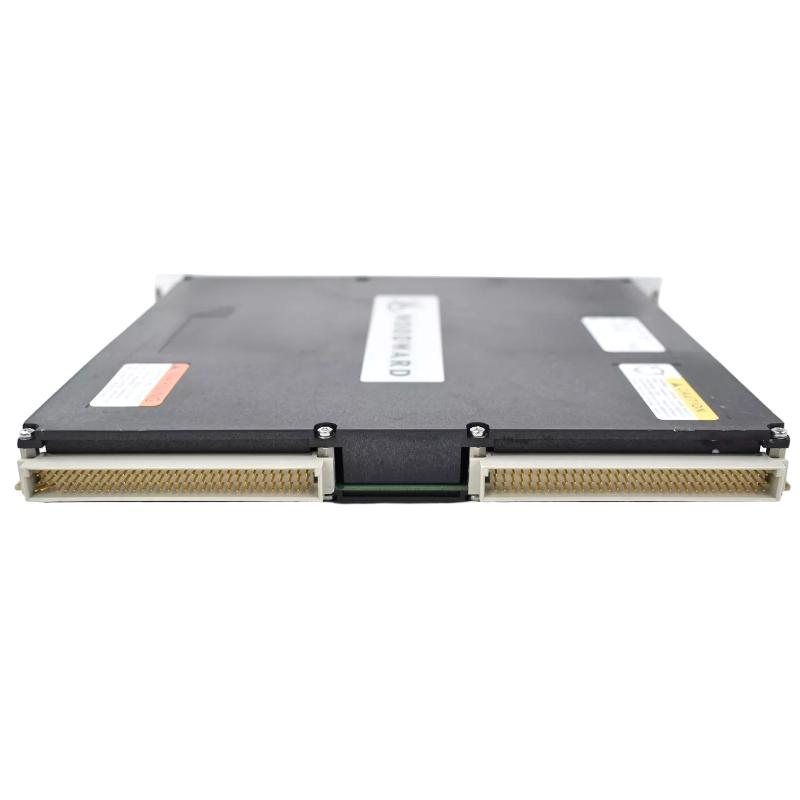
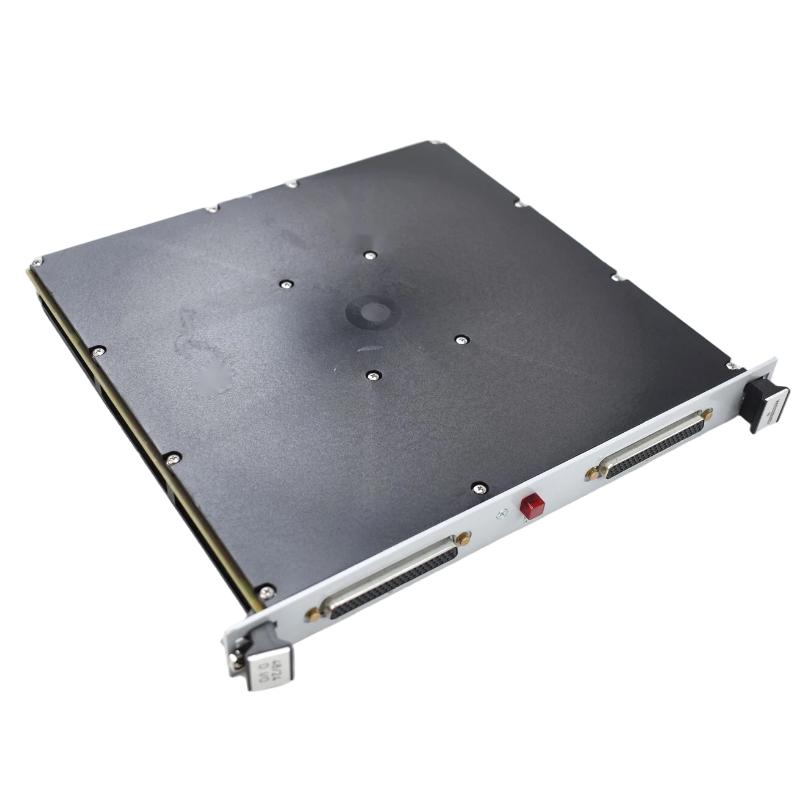
Introduction
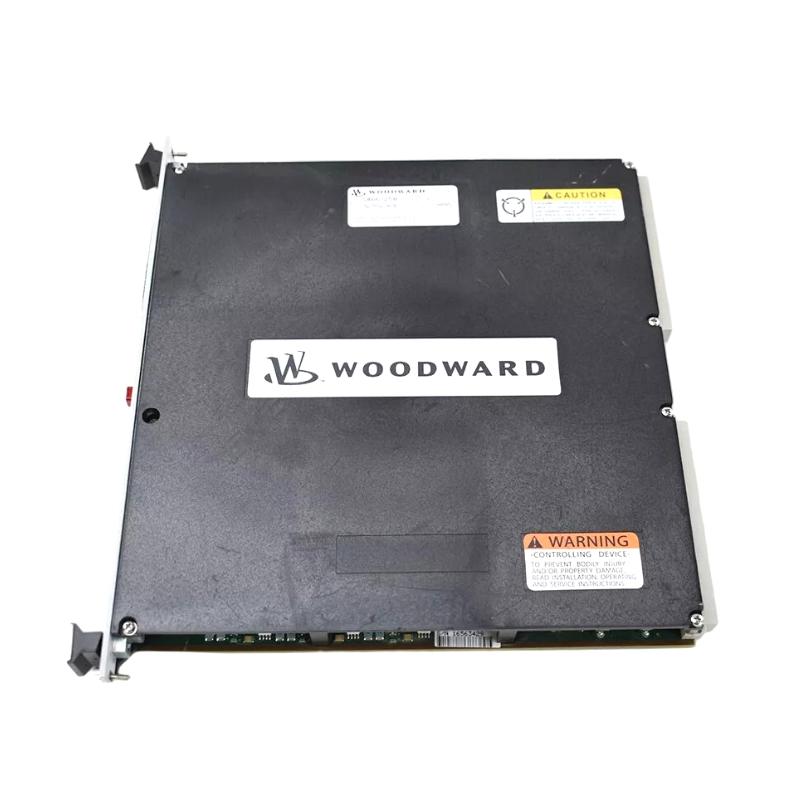
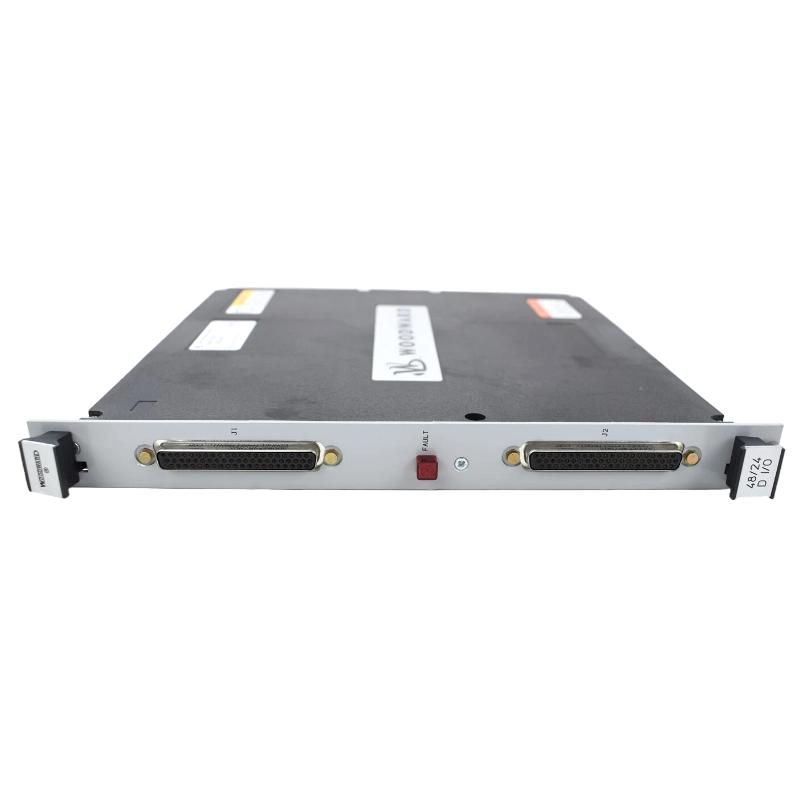
The Woodward 5466-1145 Digital Control Module is a control processing unit used in industrial automation systems and turbine management platforms. It performs digital signal processing tasks that enable the control system to analyze operational data and regulate equipment performance.
Within turbine and industrial control architectures, modules like the 5466-1145 handle multiple responsibilities, including signal interpretation, control logic execution, and coordination between different system components. This functionality allows the automation system to maintain stable operation while responding quickly to changes in equipment status or process conditions.
Due to its reliability and compatibility with Woodward control environments, the module is widely used in power generation plants, oil and gas facilities, and other industrial installations that require precise digital control of complex machinery.
Technical Specifications
| Parameter | Specification |
|---|
| Manufacturer | Woodward |
| Model | 5466-1145 |
| Module Type | Digital Control Module |
| Function | Digital control processing and system coordination |
| Application | Turbine and industrial automation control |
| System Integration | Woodward industrial control platforms |
| Installation | Control system rack / automation cabinet |
| Operating Mode | Continuous industrial operation |
| Dimensions | 240 × 25 × 160 mm |
| Weight | 0.48 kg (1.06 lb) |
Advanced Control Logic for Turbine and Process Systems
The Woodward 5466-1145 Digital Control Module is designed to execute digital control logic within industrial automation and turbine management systems. Digital control modules serve as processing units that interpret input signals, apply control algorithms, and generate commands that regulate machinery and process equipment.
In complex industrial environments such as power plants and energy production facilities, digital control modules manage key operational tasks including signal processing, sequencing operations, and system coordination. The 5466-1145 module supports these tasks by providing reliable digital processing capability for integrated automation platforms.
Typical application environments include:
-
Gas and steam turbine control systems
-
Generator load and speed regulation platforms
-
Industrial engine control and monitoring systems
-
Energy production automation infrastructure
-
Process control in petrochemical and oil & gas plants
-
Distributed control architectures for heavy industrial equipment
By executing control logic and coordinating system communication, the module helps maintain precise operation and safe performance of industrial machinery.
Operational Advantages
Reliable Digital Control Processing
Handles signal processing and control logic required for complex automation tasks.
Optimized for Woodward Control Platforms
Designed to integrate with Woodward turbine and industrial control architectures.
High System Responsiveness
Supports rapid processing of input signals and generation of control commands.
Industrial-Grade Stability
Engineered for continuous operation in demanding industrial environments.
Efficient Rack Integration
Slim form factor allows installation in high-density control system cabinets.
Technical FAQs
1. What is the primary function of the 5466-1145 module?
It processes digital control logic and manages signal coordination within the automation system.
2. What systems typically use this module?
Turbine control systems, industrial automation platforms, and energy production control networks.
3. What types of signals are processed by the module?
Digital signals related to equipment status, control commands, and operational conditions.
4. Where is the module typically installed?
Inside industrial control racks or turbine control cabinets.
5. How does the module contribute to system automation?
It executes control algorithms that regulate machinery and process equipment.
6. Can the module operate continuously in industrial facilities?
Yes, it is designed for continuous-duty operation in automation systems.
7. What industries commonly deploy digital control modules?
Power generation, oil and gas production, petrochemical processing, and heavy manufacturing.
8. How does digital control improve machinery performance?
It enables precise and coordinated regulation of system components.
9. What happens if a digital control module fails?
The system may lose control coordination, potentially affecting equipment stability.
10. Why are digital processing modules critical in turbine systems?
They allow the system to rapidly analyze operational data and adjust control outputs in real time.
 A DCS Q Co., Ltd. - PLC and DCS Industrial Control Equipment Wholesale