Introduction
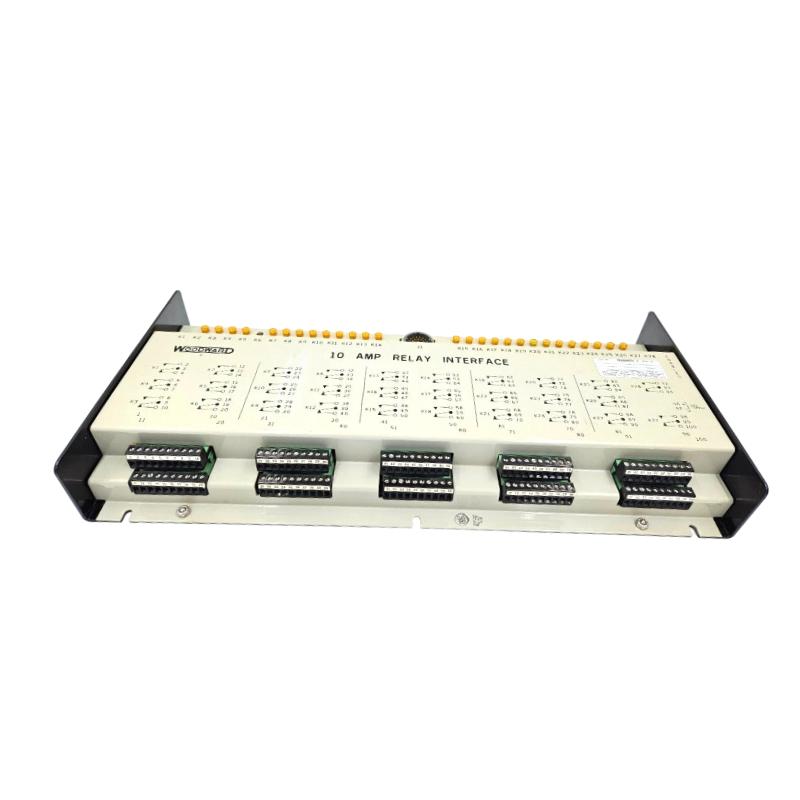
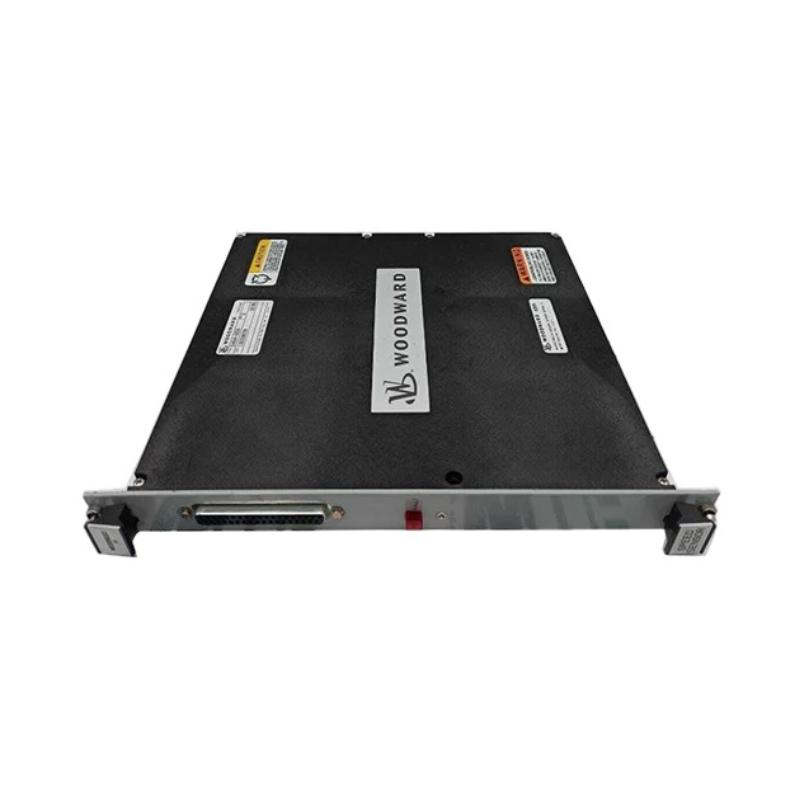
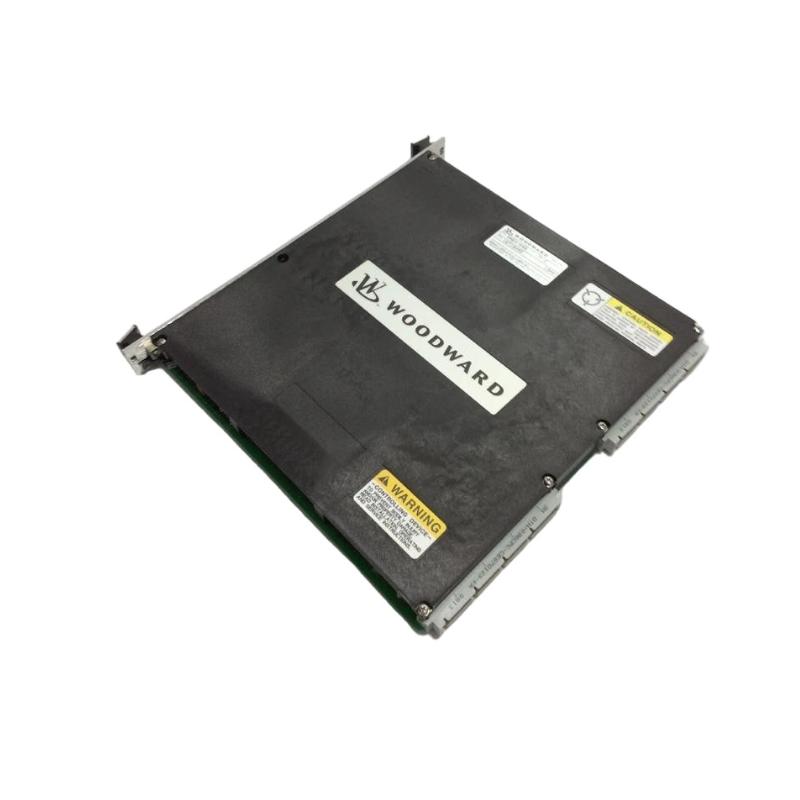
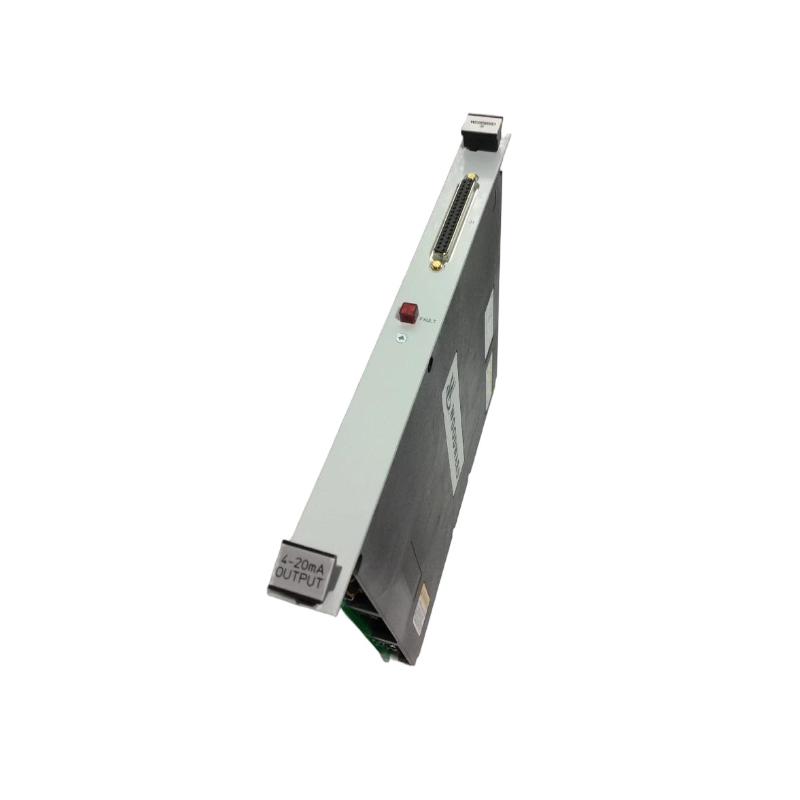
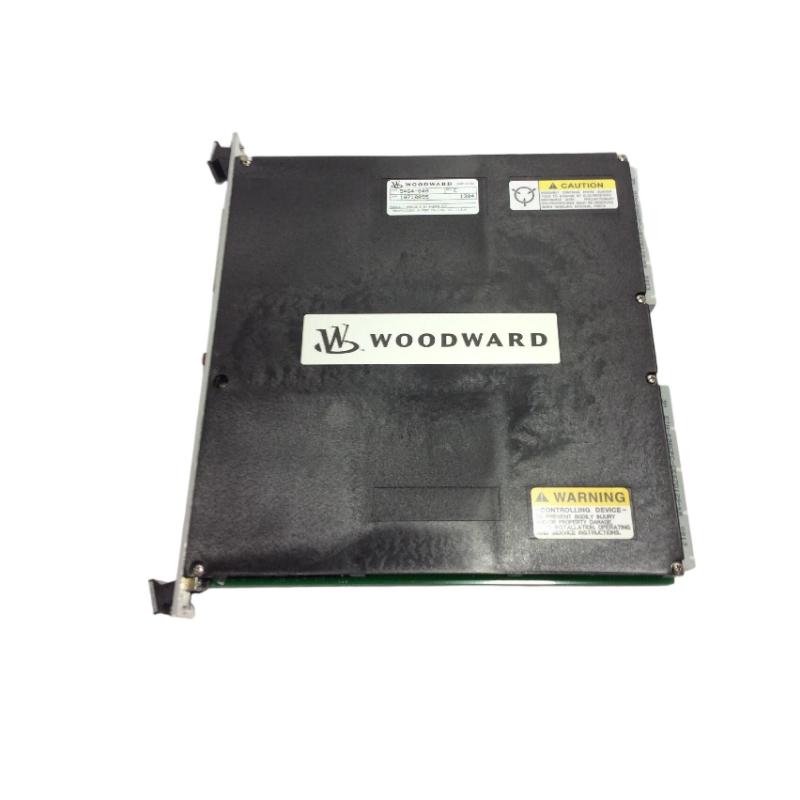
The Woodward 5464-648 Analog 8-Channel Output Module is a vital component for controlling field devices in industrial automation and turbine control systems. It offers 8 independent channels that each generate continuous analog signals for a wide range of applications, including process control, actuator regulation, and safety systems.
By converting digital control signals from the control system into precise analog outputs, the module provides accurate control of devices such as valves, actuators, and motor drives. This functionality is critical in maintaining smooth operation, optimizing production processes, and safeguarding system integrity.
The Woodward 5464-648 module is particularly suitable for industries that require advanced control capabilities, such as power generation plants, oil and gas facilities, and large-scale manufacturing operations.
Technical Specifications
| Parameter | Specification |
|---|
| Manufacturer | Woodward |
| Model | 5464-648 |
| Module Type | Analog 8-Channel Output Module |
| Function | Digital-to-analog signal conversion |
| Application | Actuator control, process regulation, valve control |
| Output Channels | 8 independent analog outputs |
| Output Type | Analog (continuous) signals |
| Installation | Control system rack / automation cabinet |
| Operating Mode | Continuous industrial operation |
| Dimensions | 160 × 160 × 120 mm |
| Weight | 0.91 kg (2.01 lb) |
Precision Analog Control for Industrial Applications
The Woodward 5464-648 Analog 8-Channel Output Module is designed to provide precise and reliable analog output signals to control field equipment in industrial automation systems. With eight independent output channels, this module enables direct control of multiple actuators, valves, and other devices that require continuous, variable control signals such as pressure, flow, temperature, or speed.
In process control systems, maintaining accurate and stable analog outputs is essential for efficient operation and safety. This module takes digital control signals from the automation system and converts them into corresponding analog signals that are sent to the field equipment for real-time control.
Typical applications include:
-
Fuel control systems in power generation plants
-
Actuator and valve control in chemical and petrochemical industries
-
Industrial motor speed regulation systems
-
Process automation and control in manufacturing plants
-
Energy production and distribution systems
-
Automated control of various industrial devices requiring analog inputs
Through precise control of actuators and other equipment, the module ensures that the system performs optimally while maintaining safe operational conditions.
Key Advantages for Engineers
8 Independent Analog Outputs
Each channel can output a unique analog signal, ideal for multi-point control in complex systems.
High Accuracy and Stability
Provides consistent and reliable analog control signals for continuous process regulation.
Seamless Integration with Control Systems
Compatible with Woodward control platforms and other industrial automation networks.
Industrial-Grade Durability
Built for long-term use in harsh industrial environments, with high reliability under continuous operation.
Efficient Control Integration
Compact module design allows easy integration into control racks and automation cabinets.
Technical FAQs
1. What is the primary function of the 5464-648 module?
It provides 8 independent analog output signals to control field equipment such as actuators and valves.
2. How many channels of analog output does the module provide?
It has 8 analog output channels for multiple control points.
3. Which systems typically use this module?
It is used in industrial automation systems, turbine control systems, and process control applications.
4. How does the module convert digital signals to analog?
It receives digital control signals and converts them into corresponding analog output signals for actuator regulation.
5. Can the module operate continuously in industrial applications?
Yes, it is designed for continuous operation in demanding industrial environments.
6. What types of devices can this module control?
It is used to control devices such as actuators, valves, motor drives, and other analog-controlled devices.
7. What industries benefit from using this module?
Power generation, oil and gas, petrochemical processing, manufacturing, and industrial automation industries.
8. How does the module contribute to system efficiency?
By providing precise and stable analog control signals, it ensures smooth operation and accurate regulation of field equipment.
9. How is this module installed?
It is typically installed within industrial control racks or automation cabinets.
10. What is the risk if the analog output signals are inaccurate?
It can lead to incorrect device regulation, process instability, or equipment failure.
 A DCS Q Co., Ltd. - PLC and DCS Industrial Control Equipment Wholesale