Introduction
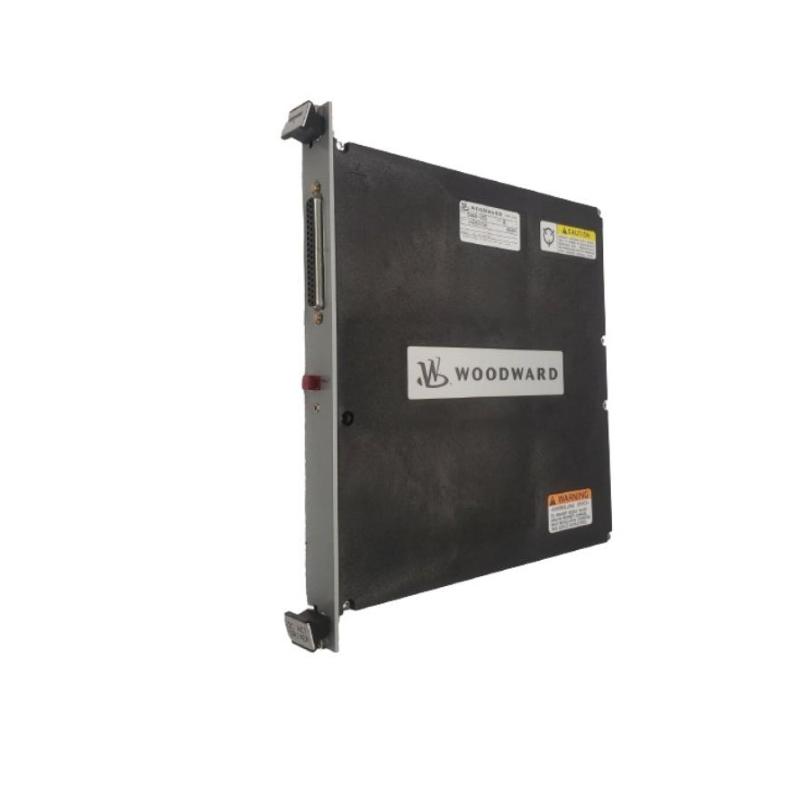
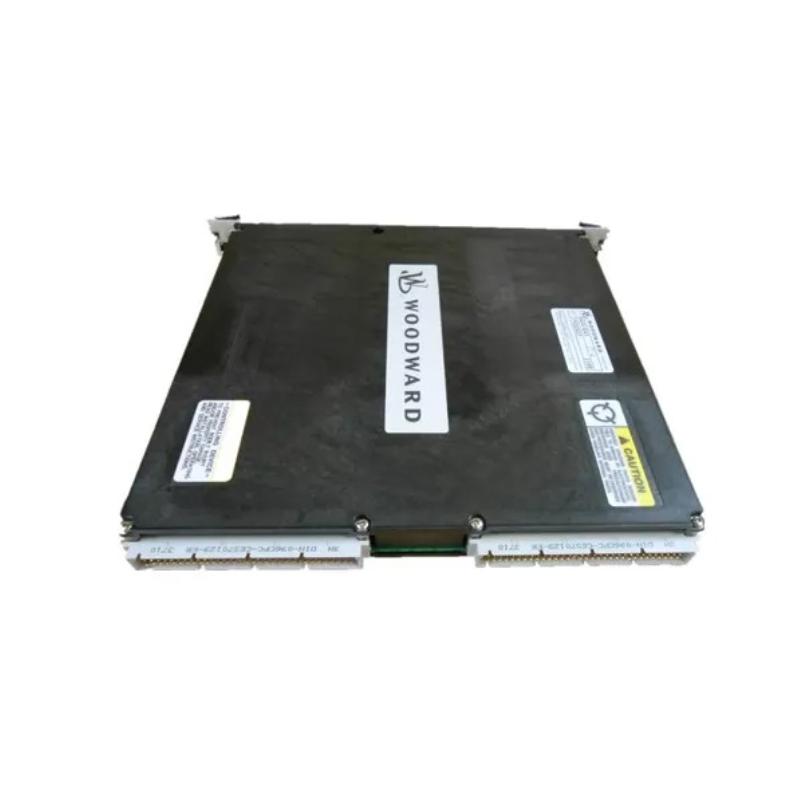
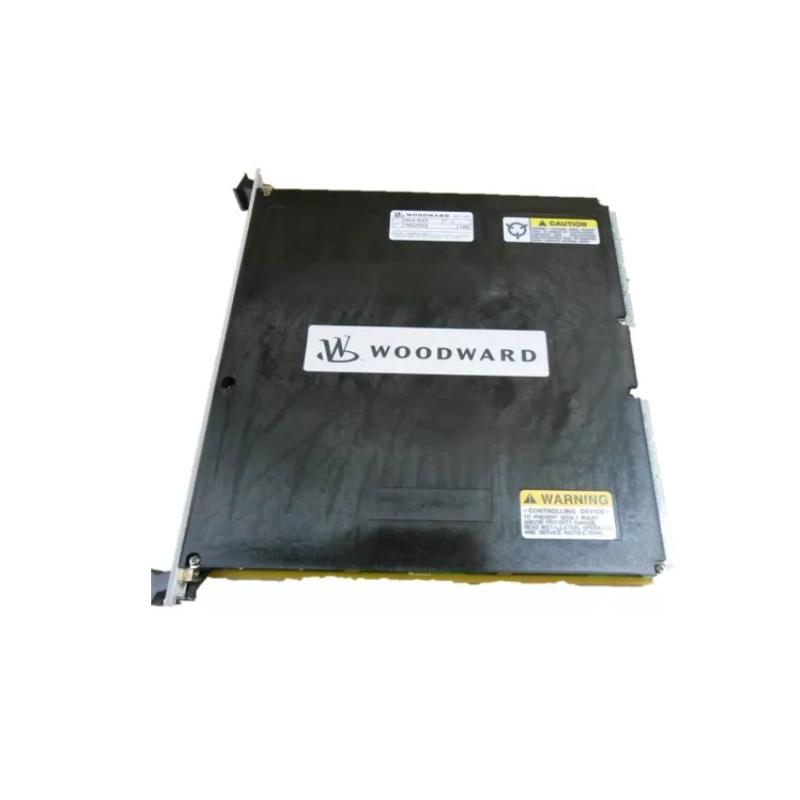
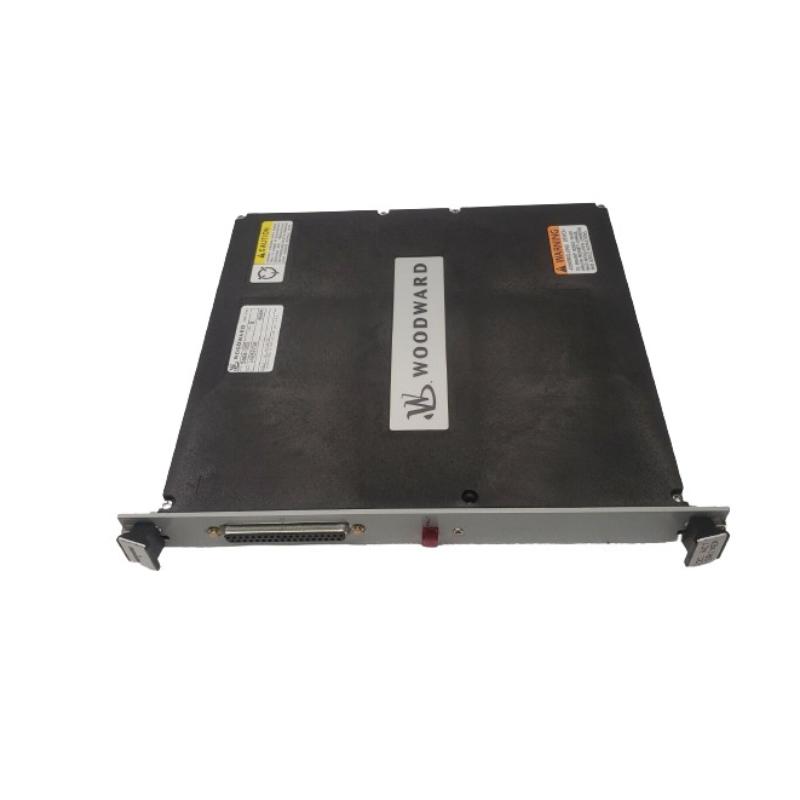
The Woodward 5464-643 Discrete Input Module is a signal acquisition component used in industrial control systems to monitor digital inputs from field devices. In automation environments, many sensors and switches produce binary signals that represent equipment states or safety conditions.
This module receives those signals and delivers them to the central control platform, enabling the system to evaluate operational conditions and execute control logic. Through continuous signal monitoring, the module supports safe operation of complex industrial processes.
Because of its reliable performance and compatibility with Woodward control architectures, the module is commonly deployed in turbine control cabinets, industrial automation systems, and machinery monitoring installations across sectors such as power generation, oil and gas processing, and heavy manufacturing.
Technical Specifications
| Parameter | Specification |
|---|
| Manufacturer | Woodward |
| Model | 5464-643 |
| Module Type | Discrete Input Module |
| Function | Digital signal monitoring |
| Application | Industrial automation and turbine control |
| Input Type | Discrete (binary) signals |
| Installation | Control system rack / automation cabinet |
| Operating Mode | Continuous industrial operation |
| Dimensions | 180 × 120 × 25 mm |
| Weight | 0.5 kg (1.10 lb) |
Digital Signal Monitoring for Industrial Control Systems
The Woodward 5464-643 Discrete Input Module is designed to collect and process digital signals from field devices within industrial automation and turbine control systems. Discrete input modules are essential components that allow control systems to detect equipment status, safety conditions, and operational events through binary signal inputs.
This module receives signals from switches, relays, limit sensors, and other digital field devices, converting them into data that the control system can evaluate. By continuously monitoring these signals, the automation platform can react to changes in system conditions and maintain safe and efficient operation.
Typical industrial applications include:
-
Turbine protection and status monitoring in power plants
-
Industrial engine control systems
-
Equipment status monitoring in oil and gas facilities
-
Process safety interlock systems in manufacturing plants
-
Alarm and event detection within automation networks
-
Distributed control system signal monitoring
By reliably capturing discrete signals from field devices, the module ensures that critical operational information is available to the control system in real time.
Key Engineering Advantages
Reliable Digital Signal Detection
Captures binary signals from switches, relays, and safety devices with high accuracy.
Designed for Industrial Control Platforms
Compatible with Woodward turbine and automation control architectures.
Continuous Monitoring Capability
Provides uninterrupted signal monitoring for safety and process control.
Industrial-Grade Durability
Built for long-term operation in demanding industrial environments.
Efficient Control Cabinet Integration
Slim module design supports installation in high-density control racks.
Technical FAQs
1. What is the primary function of the 5464-643 module?
It collects discrete input signals from field devices and transmits them to the control system.
2. What types of devices connect to this module?
Limit switches, relays, push buttons, safety contacts, and status sensors.
3. Which systems typically use discrete input modules?
Turbine control systems, industrial automation platforms, and process monitoring systems.
4. Why are discrete inputs important in industrial automation?
They allow the system to detect equipment states such as ON/OFF or open/closed conditions.
5. Where is the module typically installed?
Inside control system racks or industrial automation cabinets.
6. How does the module communicate with the control system?
It transmits digital signal data through the system’s internal control network.
7. Can the module operate continuously in industrial environments?
Yes, it is designed for continuous operation in control and monitoring systems.
8. What industries commonly use discrete input modules?
Power generation, petrochemical processing, oil and gas production, and manufacturing.
9. How does accurate input monitoring improve system reliability?
It enables the control system to respond quickly to equipment status changes or fault conditions.
10. What risks occur if discrete input signals are not properly monitored?
Important operational events may be missed, potentially leading to process instability or equipment faults.
 A DCS Q Co., Ltd. - PLC and DCS Industrial Control Equipment Wholesale