Introduction
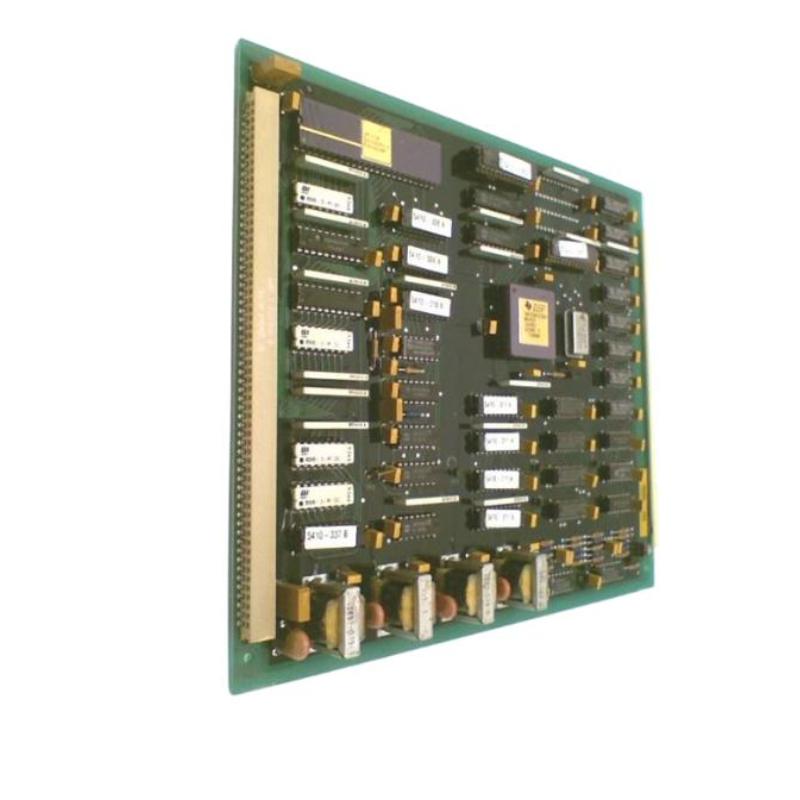
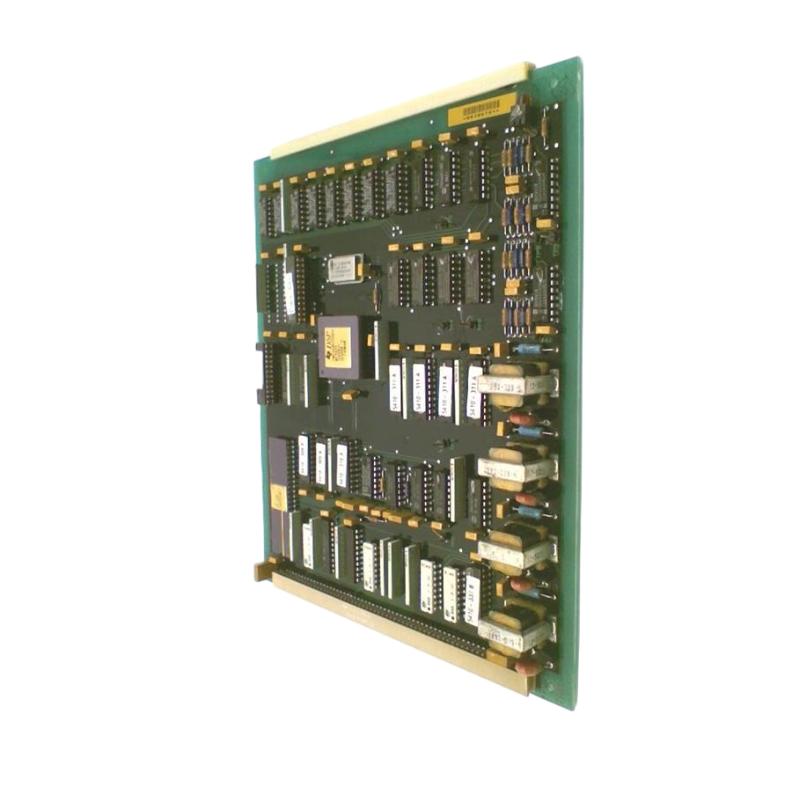
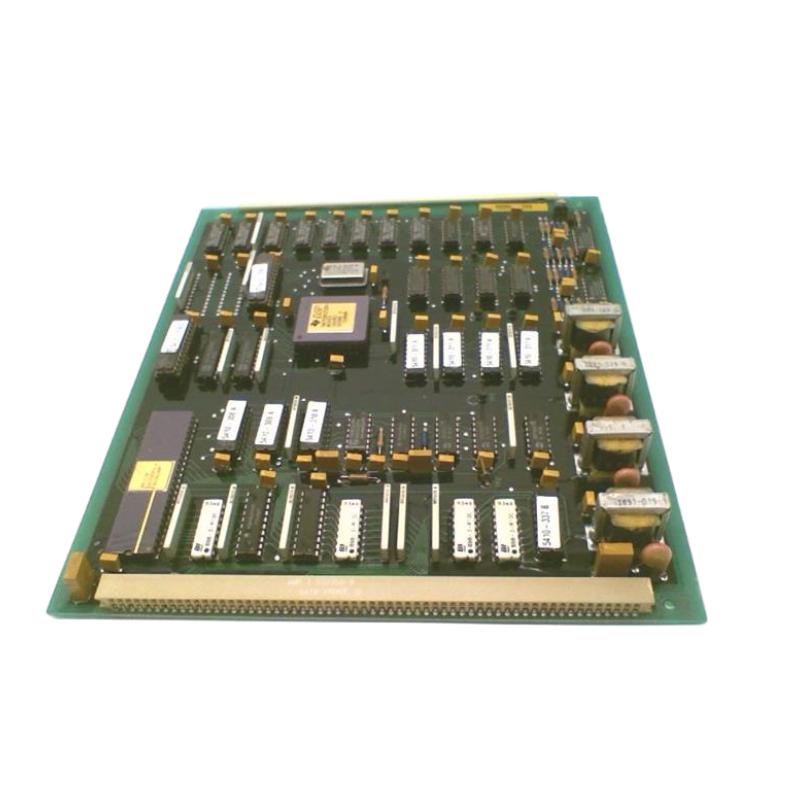
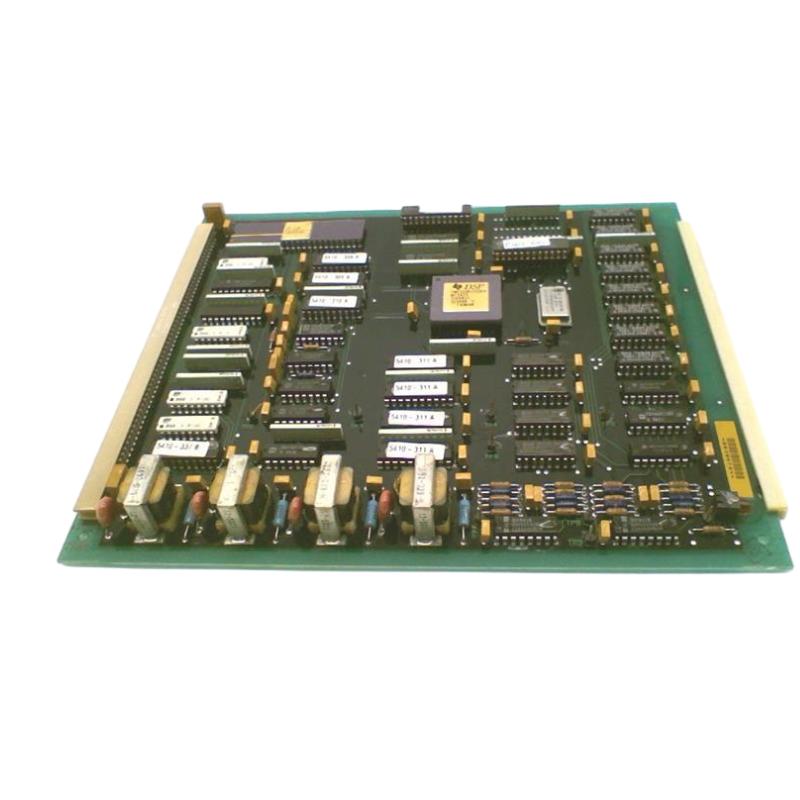
The Woodward 5464-017 Speed Sensor is a rotational monitoring device used in industrial control systems to measure the speed of rotating machinery. In many industrial environments, maintaining precise speed control is critical to ensuring the safe and efficient operation of equipment such as turbines, compressors, and generators.
The sensor detects the rotational motion of a shaft or gear and converts it into an electrical signal that can be interpreted by monitoring or control systems. This information allows controllers to regulate equipment speed, maintain system stability, and activate protection mechanisms when abnormal operating conditions occur.
Due to its reliable measurement capabilities and compatibility with industrial control architectures, the sensor is widely deployed in machinery monitoring systems used in power generation plants, oil and gas facilities, and manufacturing industries.
Technical Specifications
| Parameter | Specification |
|---|
| Manufacturer | Woodward |
| Model | 5464-017 |
| Device Type | Speed Sensor |
| Function | Rotational speed detection |
| Application | Industrial machinery monitoring |
| Compatible Systems | Turbine and automation control systems |
| Installation | Shaft or rotating equipment monitoring position |
| Operating Mode | Continuous industrial operation |
| Dimensions | 191 × 25 × 235 mm |
| Weight | 0.39 kg (0.86 lb) |
Rotational Speed Monitoring in Industrial Machinery
The Woodward 5464-017 Speed Sensor is designed to detect and monitor the rotational speed of mechanical equipment in industrial control systems. Speed sensors play a crucial role in ensuring accurate measurement of rotating components such as turbines, compressors, generators, and motors.
By generating electrical signals that correspond to the rotational velocity of a shaft or rotating component, the sensor enables control systems to maintain stable operating conditions and implement protective actions when abnormal speed conditions occur. These sensors are frequently used in applications where precise speed monitoring is essential for safe and efficient machinery operation.
Typical industrial applications include:
-
Turbine speed monitoring in power generation facilities
-
Compressor and pump rotational monitoring in oil and gas plants
-
Generator speed detection in energy production systems
-
Motor rotational feedback in industrial automation equipment
-
Overspeed protection systems for critical rotating machinery
-
Process machinery monitoring in manufacturing plants
Through accurate rotational detection, the sensor helps control systems maintain operational stability and prevent equipment damage.
Performance Advantages
Accurate Rotational Speed Detection
Provides precise measurement of shaft or rotor speed in industrial equipment.
Designed for Critical Machinery Monitoring
Suitable for turbines, compressors, generators, and large motors.
Stable Signal Output
Ensures reliable communication of speed data to control or protection systems.
Industrial-Grade Durability
Built for long-term operation in demanding mechanical environments.
Reliable Integration with Control Systems
Compatible with industrial monitoring and turbine control platforms.
Technical FAQs
1. What is the primary function of the 5464-017 speed sensor?
It detects rotational speed of machinery and sends corresponding signals to control systems.
2. What types of equipment typically use this sensor?
Turbines, compressors, pumps, generators, and industrial motors.
3. How does a speed sensor detect rotational movement?
It monitors the passing of rotating components or gear teeth and converts this motion into electrical signals.
4. Why is speed monitoring important in industrial machinery?
It ensures equipment operates within safe speed limits and prevents overspeed conditions.
5. Where is the sensor typically installed?
Near a rotating shaft, gear, or turbine rotor where rotational movement can be detected.
6. What systems typically receive signals from the sensor?
Turbine controllers, monitoring systems, and industrial automation platforms.
7. Can the sensor operate continuously in industrial environments?
Yes, it is designed for continuous-duty machinery monitoring.
8. What industries commonly use industrial speed sensors?
Power generation, oil and gas production, petrochemical processing, and heavy manufacturing.
9. How does accurate speed measurement improve equipment reliability?
It allows control systems to adjust operation and trigger protection mechanisms when necessary.
10. What risks can occur if speed monitoring fails?
Machinery may experience overspeed conditions, mechanical stress, or potential equipment damage.
 A DCS Q Co., Ltd. - PLC and DCS Industrial Control Equipment Wholesale











