Field Instrument Loop Connectivity
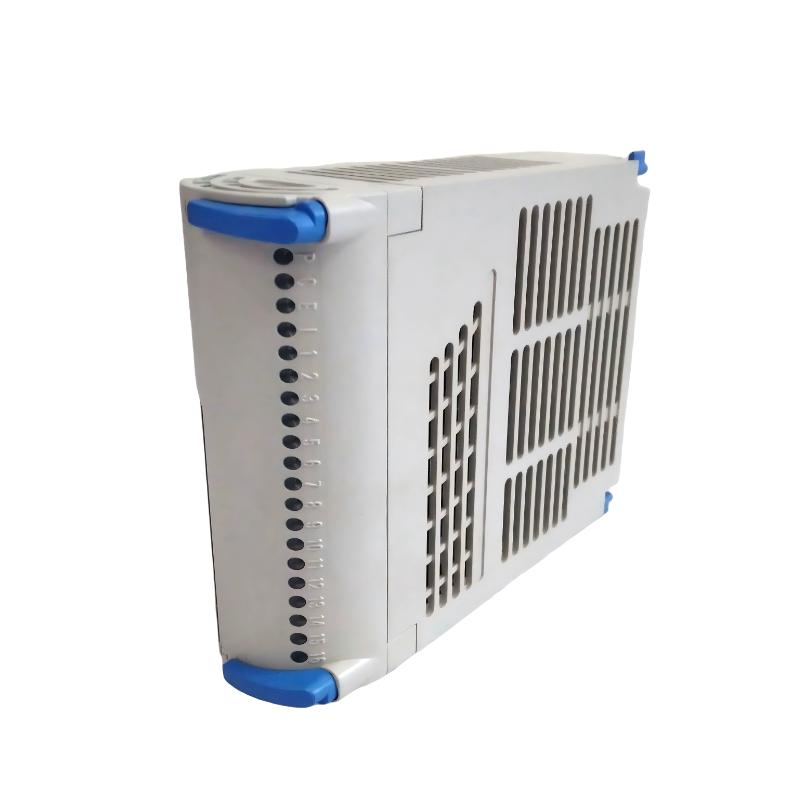
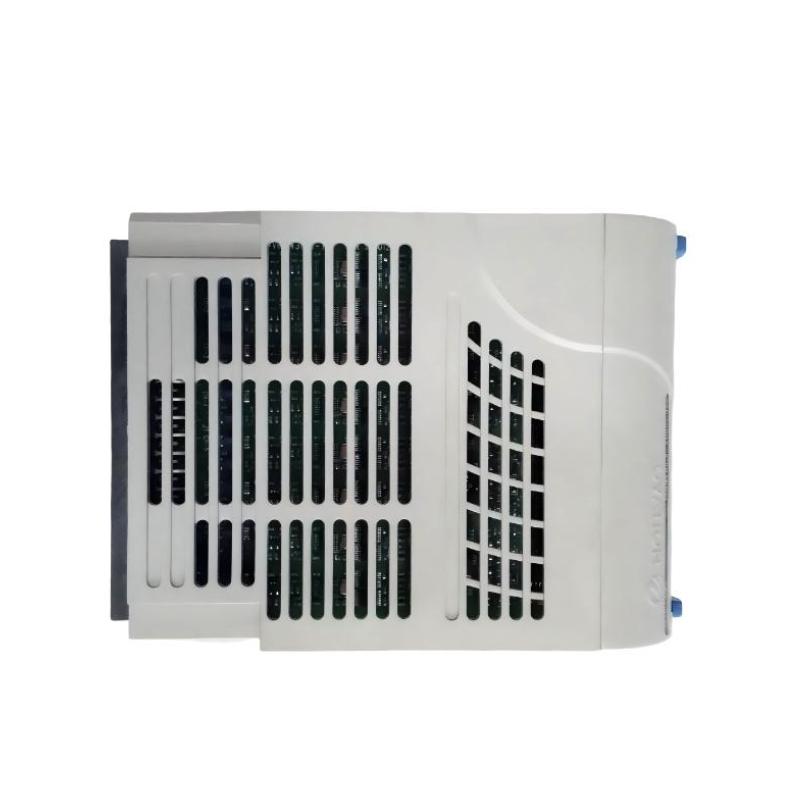
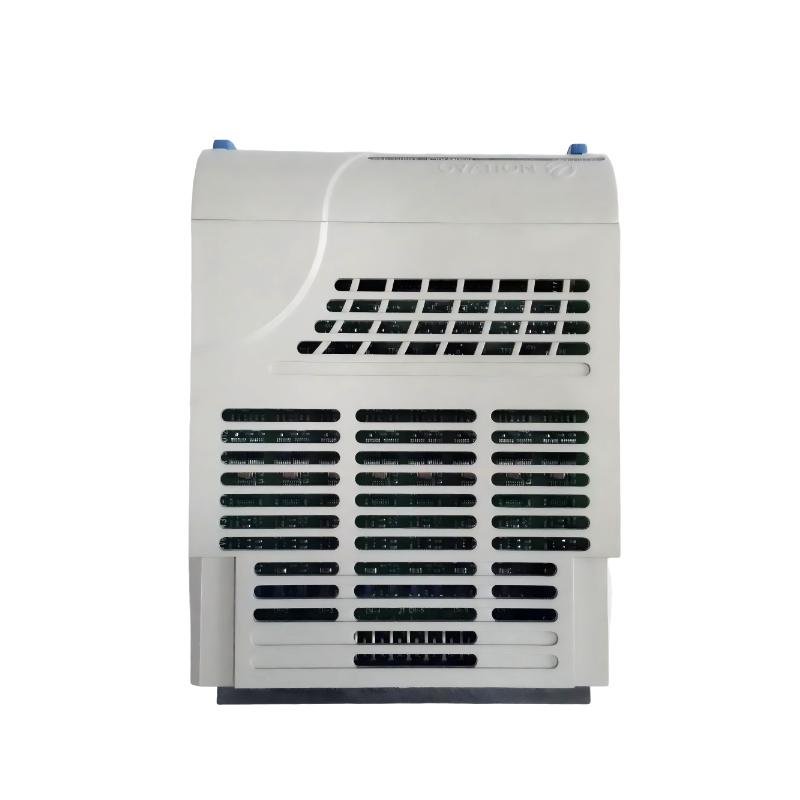
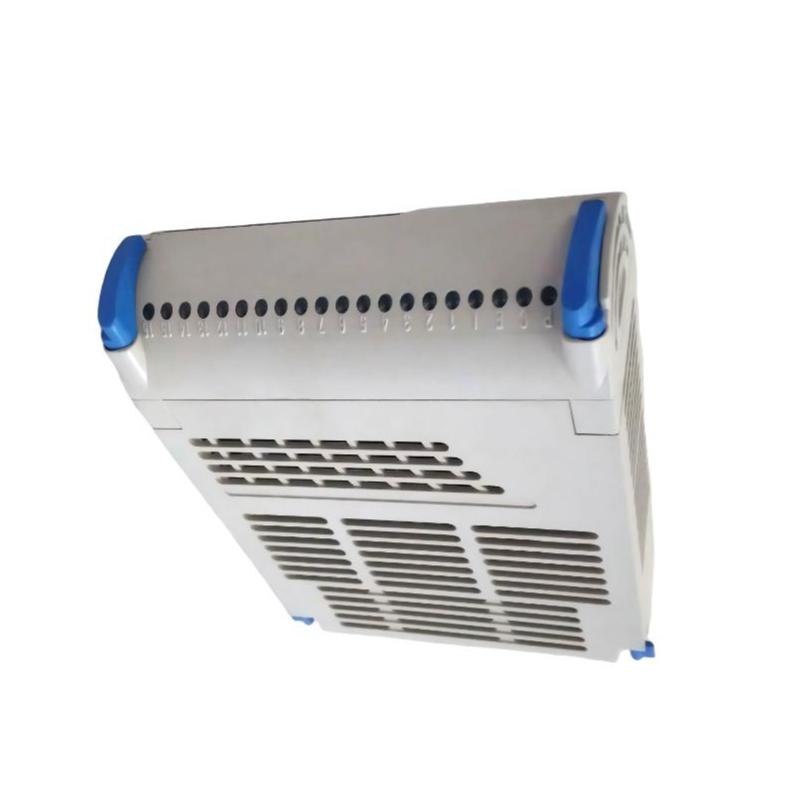
The Ovation 1C31129G32 Loop Interface Module functions as a critical connection layer between field instrumentation loops and the Ovation distributed control system. In industrial process environments, loop interface modules are responsible for maintaining accurate signal paths between sensors, transmitters, and the central control infrastructure.
Instrumentation loops typically carry measurement signals such as temperature, pressure, flow, or level readings. The loop interface module ensures these signals are transferred reliably to the control system where they are analyzed and used for process regulation.
Typical industrial application environments include:
-
Power plant process instrumentation systems
-
Chemical processing measurement loops
-
Oil and gas facility monitoring infrastructure
-
Industrial manufacturing automation systems
-
Distributed control system signal routing networks
-
Instrumentation cabinets for plant-wide monitoring
With dependable loop communication capabilities, the module enables the control system to maintain accurate awareness of process conditions across the plant.
Core Engineering Benefits
Stable Instrumentation Loop Integration
Ensures consistent electrical connectivity between field devices and the control system.
Compatible with Ovation Automation Platforms
Designed for integration within Ovation distributed control architectures.
Signal Integrity Protection
Helps preserve accurate measurement data transmitted from field instrumentation.
Continuous Industrial Reliability
Engineered for stable performance in demanding industrial environments.
Compact Rack Installation
Space-efficient design supports installation in high-density control cabinets.
Technical FAQs
1. What is the main role of the 1C31129G32 module?
It acts as an interface connecting field instrumentation loops to the Ovation control system.
2. What devices typically connect through instrumentation loops?
Process transmitters, sensors, and monitoring instruments.
3. Which control platform supports this module?
The Ovation distributed control system.
4. Why are loop interface modules essential in process automation?
They allow accurate signal transfer from field instruments to the control system.
5. Where is the module typically installed?
Inside control racks or industrial automation cabinets.
6. What types of signals pass through instrumentation loops?
Continuous measurement signals used for process monitoring.
7. Can the module operate continuously in industrial plants?
Yes, it is designed for continuous operation in process automation environments.
8. What industries commonly rely on loop interface modules?
Power generation, oil and gas, petrochemical processing, and manufacturing.
9. How does loop signal integrity affect automation performance?
Stable signals ensure accurate monitoring and reliable process control decisions.
10. What problems may occur if instrumentation loop signals degrade?
It can lead to incorrect measurements, process instability, or control errors.
 A DCS Q Co., Ltd. - PLC and DCS Industrial Control Equipment Wholesale