Introduction
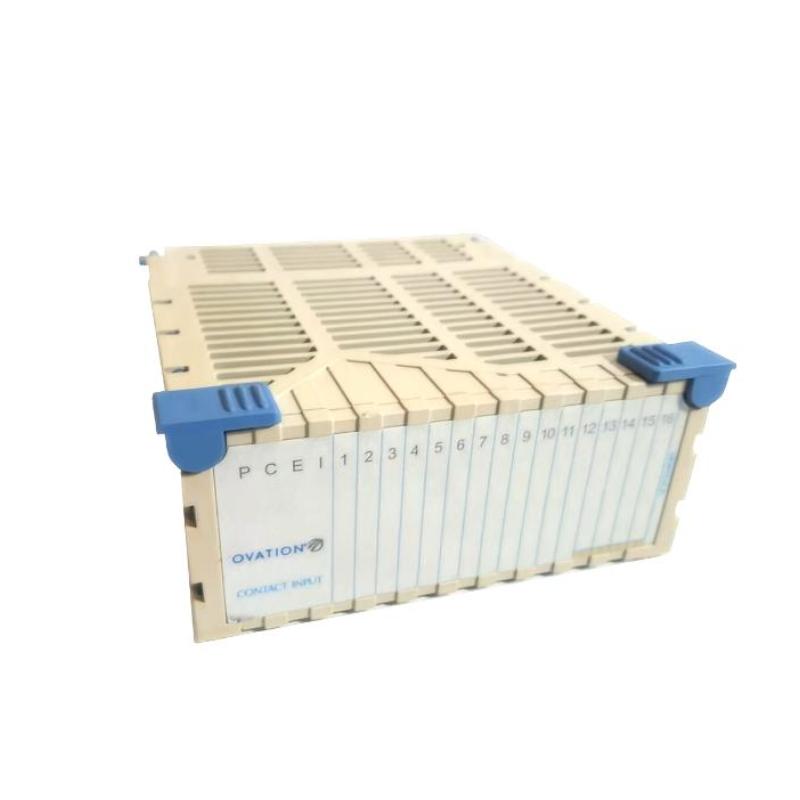
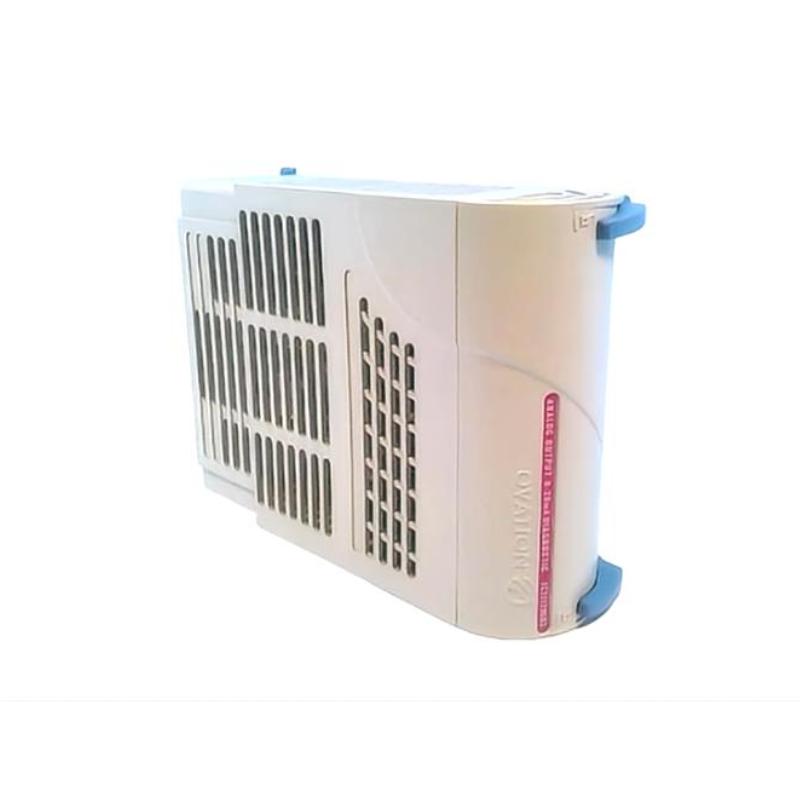
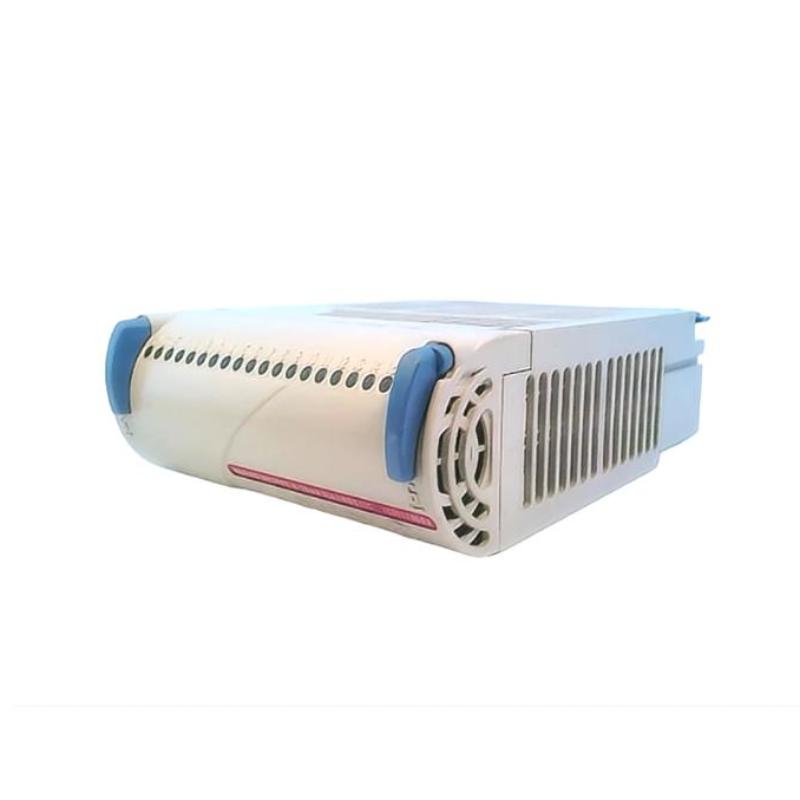
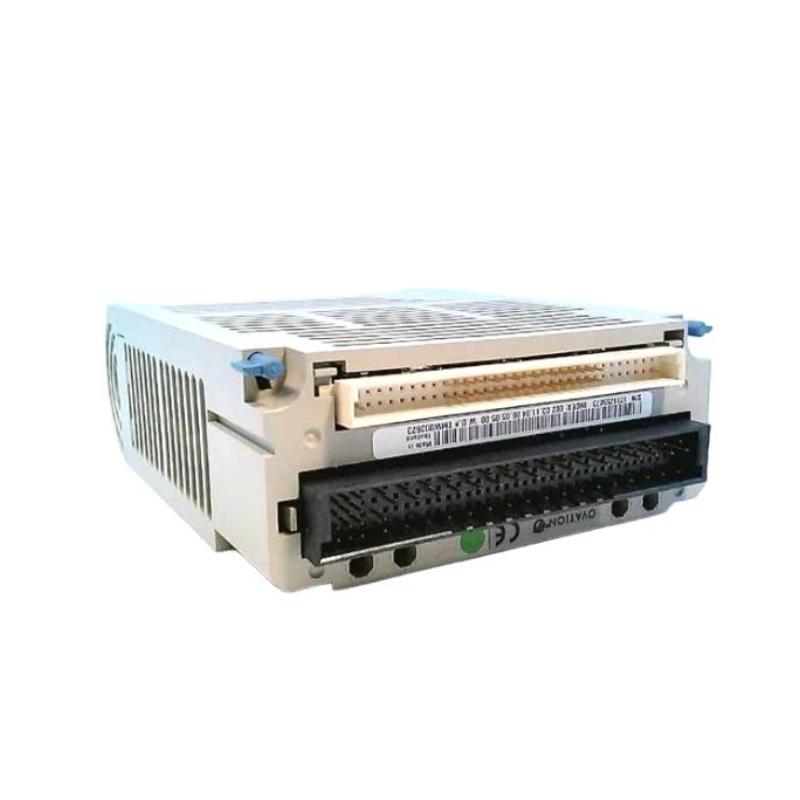
The Ovation 1C31129G03 Analog Output Module is a process control interface used within Ovation automation systems to deliver analog signals to field equipment. In industrial process control environments, precise regulation of equipment is essential for maintaining stable and efficient plant operations.
The module receives digital commands from the Ovation control platform and converts them into analog signals suitable for controlling valves, drives, and other field devices. This capability allows the automation system to regulate process parameters with high accuracy.
Due to its reliable performance and integration with Ovation control architectures, the module is widely deployed in industrial automation systems supporting power generation, chemical processing, and large-scale manufacturing operations.
Technical Specifications
| Parameter | Specification |
|---|
| Manufacturer | Ovation |
| Model | 1C31129G03 |
| Module Type | Analog Output Module |
| System Platform | Ovation Distributed Control System |
| Function | Digital-to-analog signal conversion |
| Application | Industrial process control |
| Output Type | Analog control signal output |
| Installation | Rack-mounted control system |
| Operating Mode | Continuous industrial operation |
| Dimensions | 213 × 25 × 190 mm |
| Weight | 0.907 kg (2.00 lb) |
Precision Control Signal Applications
The Ovation 1C31129G03 Analog Output Module is engineered to deliver precise analog control signals from the Ovation control system to field devices in industrial process environments. Analog output modules serve as critical interfaces between digital control logic and analog-driven equipment such as control valves, actuators, and variable-speed drives.
This module converts digital commands generated by the control system into continuous analog signals that can regulate equipment behavior. These signals are commonly used to control process variables such as flow rate, pressure, temperature, or motor speed.
Typical industrial applications include:
-
Process control valve regulation in power generation plants
-
Analog control of industrial actuators and dampers
-
Variable speed drive control in manufacturing facilities
-
Chemical processing plant automation systems
-
Energy production control infrastructures
-
Distributed control system field device regulation
By delivering accurate analog outputs, the module allows the automation system to maintain precise control over industrial processes.
Operational Advantages
High-Precision Analog Signal Output
Provides stable and accurate analog control signals for field equipment.
Designed for Ovation Control Platforms
Fully compatible with Ovation distributed control system architectures.
Reliable Process Regulation
Ensures consistent signal delivery for equipment controlling key process variables.
Stable Industrial Performance
Engineered to maintain reliable operation in demanding industrial environments.
Efficient Rack Integration
Compact form factor simplifies installation within control system racks.
Technical FAQs
1. What is the primary function of the 1C31129G03 module?
It converts digital control commands into analog output signals for field devices.
2. What equipment typically receives signals from this module?
Control valves, actuators, variable frequency drives, and other analog-controlled equipment.
3. Which control system platform uses this module?
The module is designed for Ovation distributed control systems.
4. Why are analog output modules important in process automation?
They allow the control system to precisely regulate industrial processes.
5. Where is the module typically installed?
Inside industrial control cabinets or distributed control system racks.
6. What types of signals are produced by analog output modules?
Continuous electrical signals used to control device operation.
7. Can the module operate continuously in industrial environments?
Yes, it is designed for continuous operation in process control systems.
8. What industries commonly use analog output modules?
Power generation, chemical processing, oil and gas production, and manufacturing.
9. How does accurate signal output improve plant performance?
It enables precise regulation of process variables and equipment operation.
10. What could happen if analog control signals are unstable?
It may lead to process fluctuations, inefficient operation, or equipment malfunction.
 A DCS Q Co., Ltd. - PLC and DCS Industrial Control Equipment Wholesale