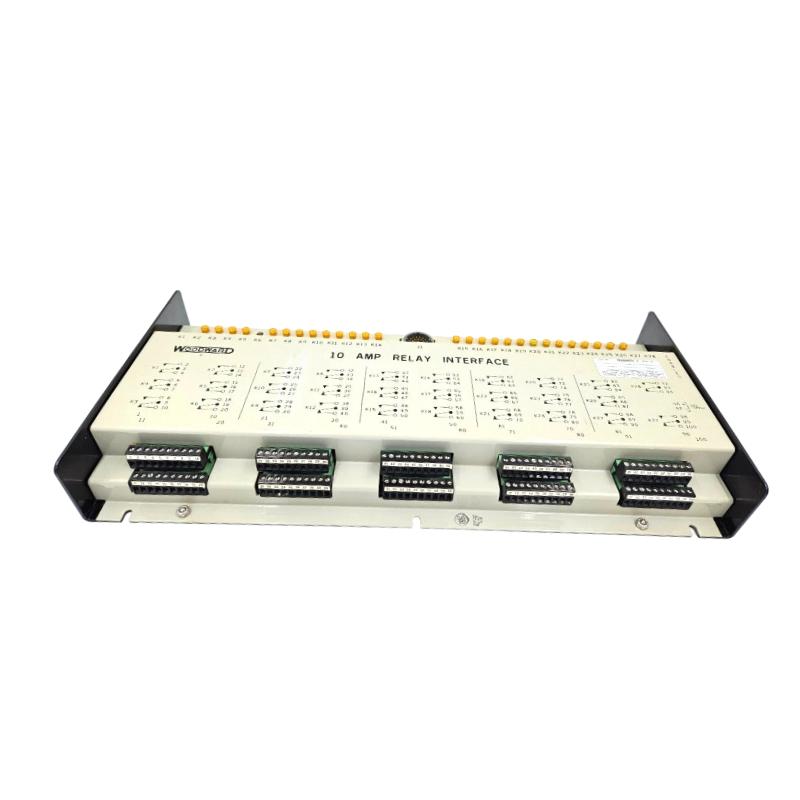
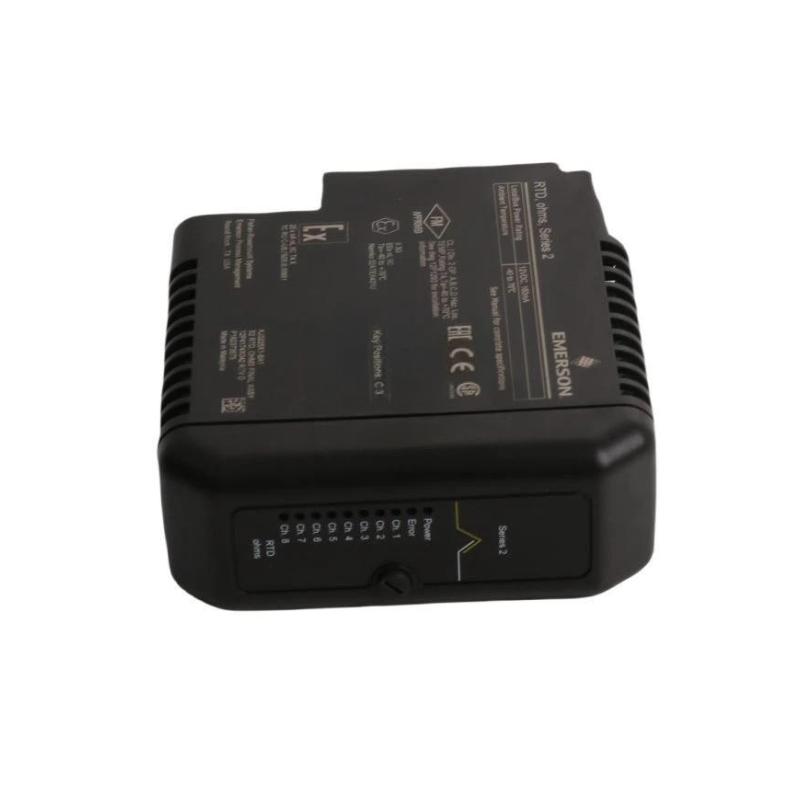
Critical Safety Output Control in Industrial Systems
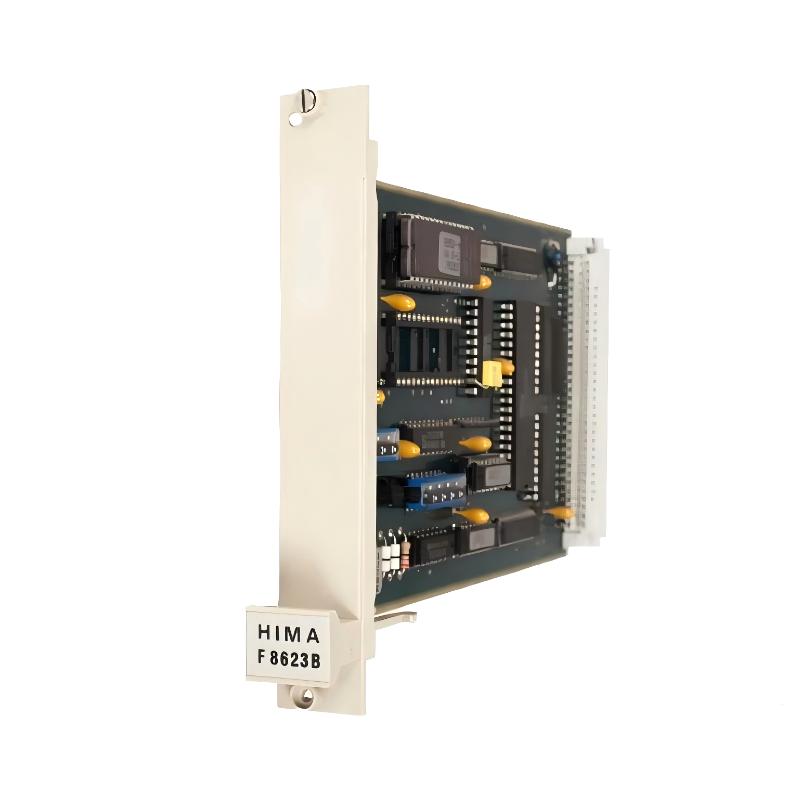
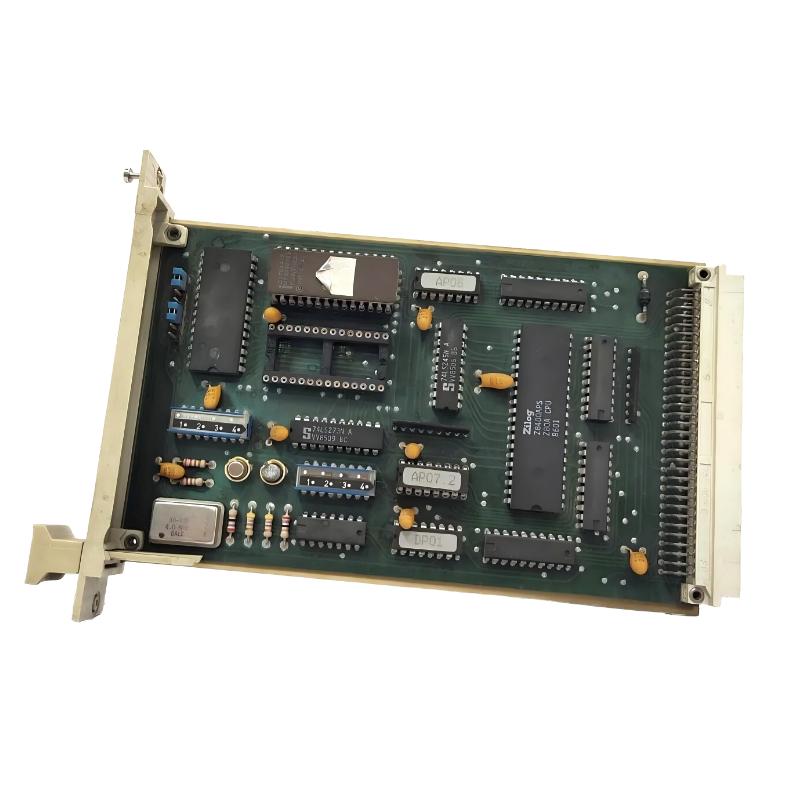
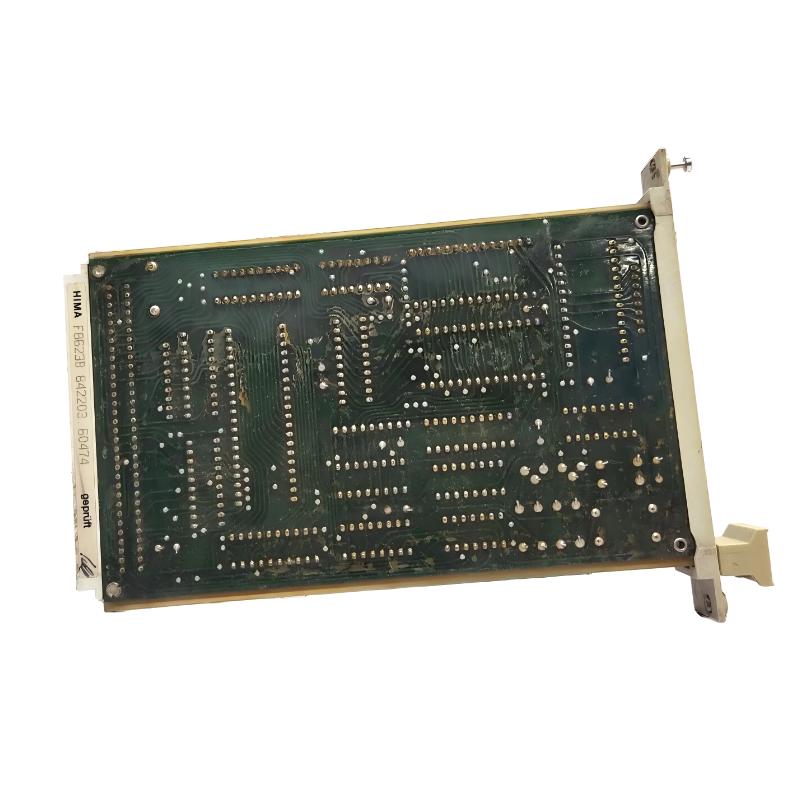
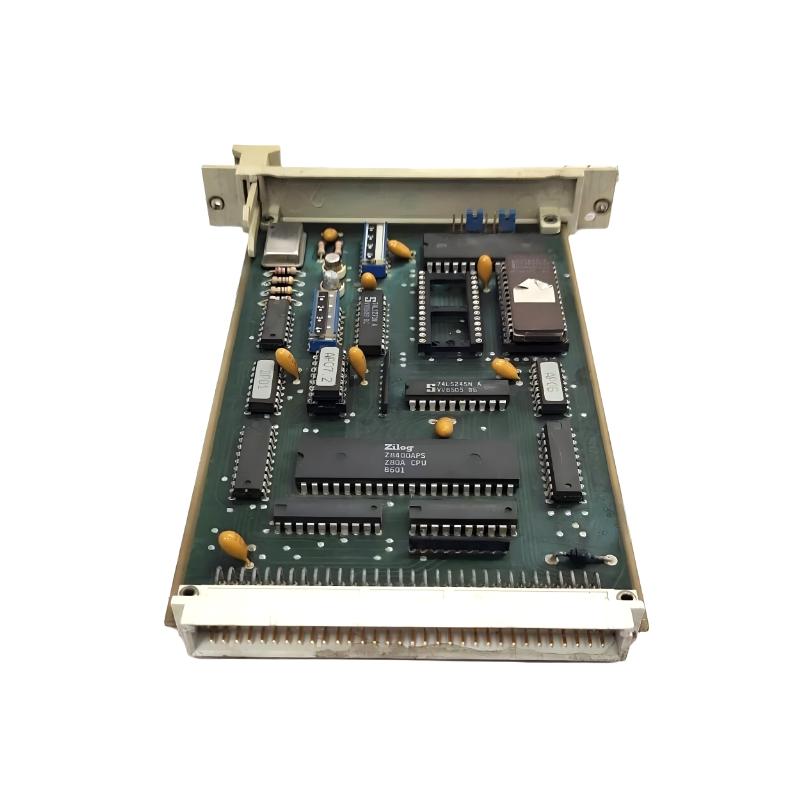
The HIMA F8623B Safety-Related Output Module is designed to provide secure and reliable output control within HIMA safety automation architectures. In safety instrumented systems (SIS), output modules are responsible for transmitting control signals from the safety controller to field devices that perform protective actions.
The F8623B module enables the safety system to activate external equipment such as shutdown valves, alarms, and safety relays when abnormal operating conditions are detected. These modules are engineered to meet the reliability and integrity requirements necessary for hazardous process environments.
Typical industrial applications include:
-
Emergency shutdown (ESD) systems in oil and gas facilities
-
Safety interlock activation in chemical processing plants
-
Alarm and protection systems in power generation facilities
-
Industrial machinery protection circuits
-
Process hazard mitigation systems
-
Safety control architectures in large manufacturing plants
Through dependable signal transmission, the module ensures that safety commands issued by the controller are delivered accurately and without delay.
System Advantages
Reliable Safety Output Transmission
Ensures secure delivery of safety commands from the controller to field equipment.
Designed for Safety Instrumented Systems
Engineered for integration with HIMA safety automation platforms.
Industrial-Grade Reliability
Supports continuous operation in environments requiring high system availability.
Secure Interface to Field Devices
Provides a dependable connection between the control system and protective equipment.
Compact Rack-Mounted Design
Optimized for installation in safety control cabinets with limited space.
Technical FAQs
1. What is the main function of the F8623B module?
It provides safety-related output signals to external devices in a safety automation system.
2. Which systems typically use this module?
HIMA safety automation platforms used in safety instrumented systems.
3. What types of devices are controlled by safety output modules?
Devices such as shutdown valves, safety relays, alarms, and protective actuators.
4. Why are safety output modules important in SIS architectures?
They enable the system to execute protective actions when hazardous conditions occur.
5. Where is the module installed?
Inside safety control cabinets or rack-based automation systems.
6. What industries commonly deploy safety output modules?
Oil and gas, petrochemical processing, power generation, and heavy industrial manufacturing.
7. Can the module operate continuously in industrial facilities?
Yes, it is designed for continuous operation in safety-critical environments.
8. How does the module contribute to plant safety?
It allows the controller to activate protective equipment quickly when abnormal conditions are detected.
9. What type of signals does the module transmit?
Discrete control signals used to trigger safety responses.
10. Why is reliable output control essential in safety systems?
Because delayed or incorrect signals could prevent safety mechanisms from activating in time.
 A DCS Q Co., Ltd. - PLC and DCS Industrial Control Equipment Wholesale