Introduction
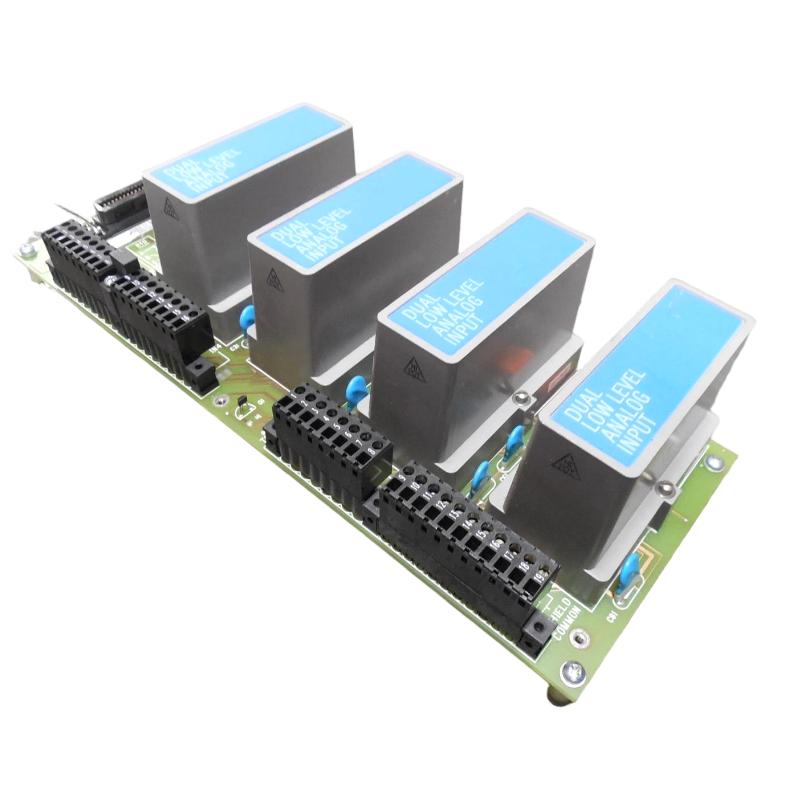
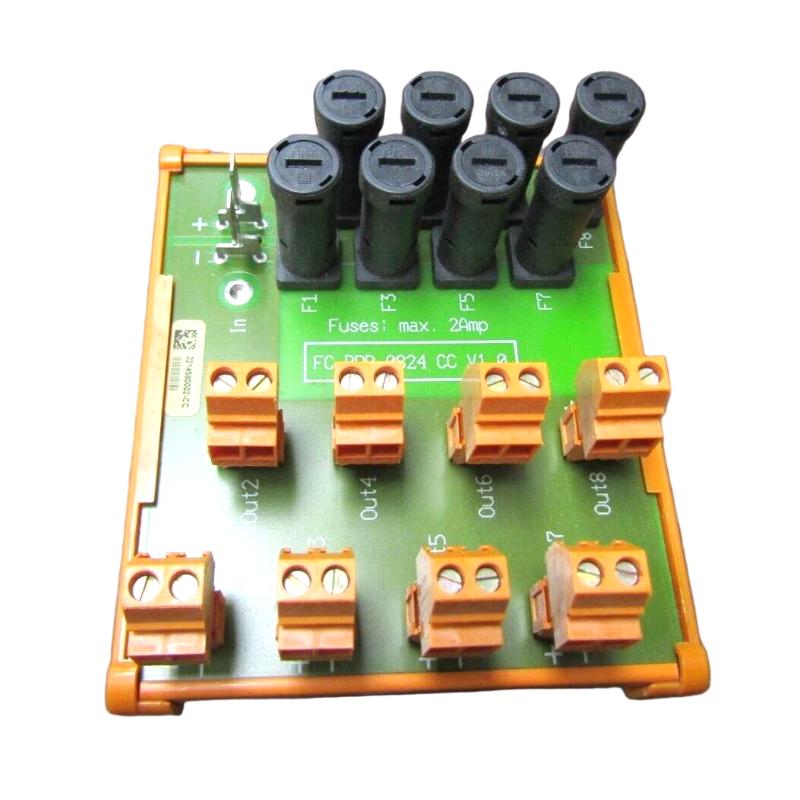
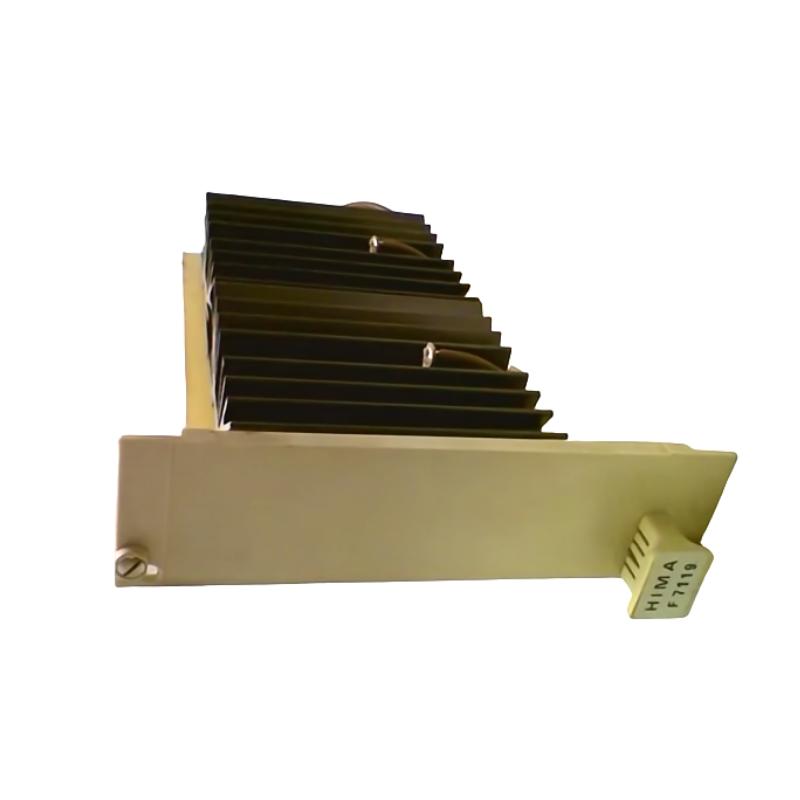
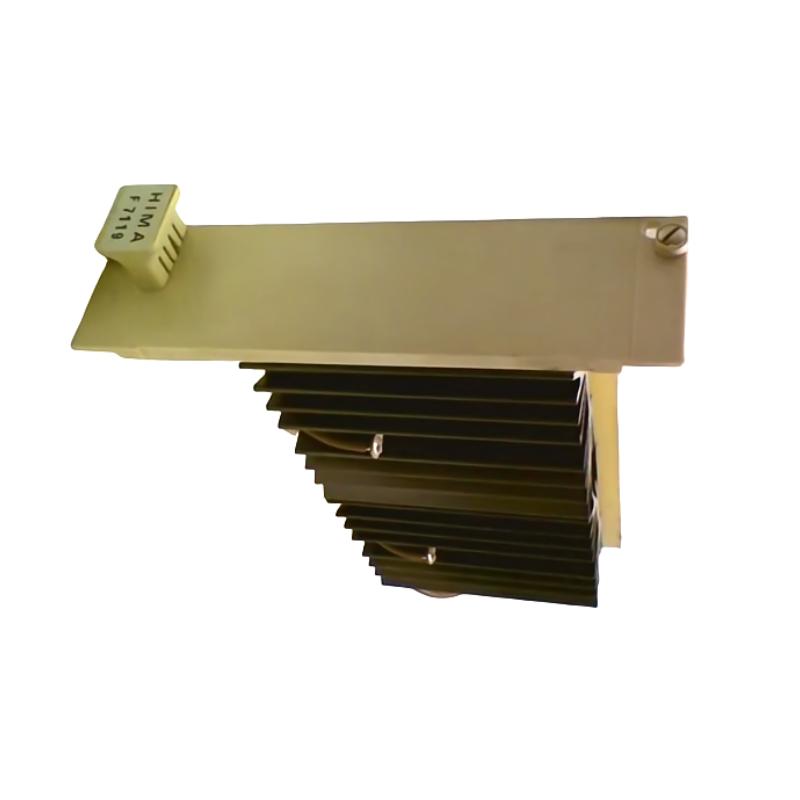
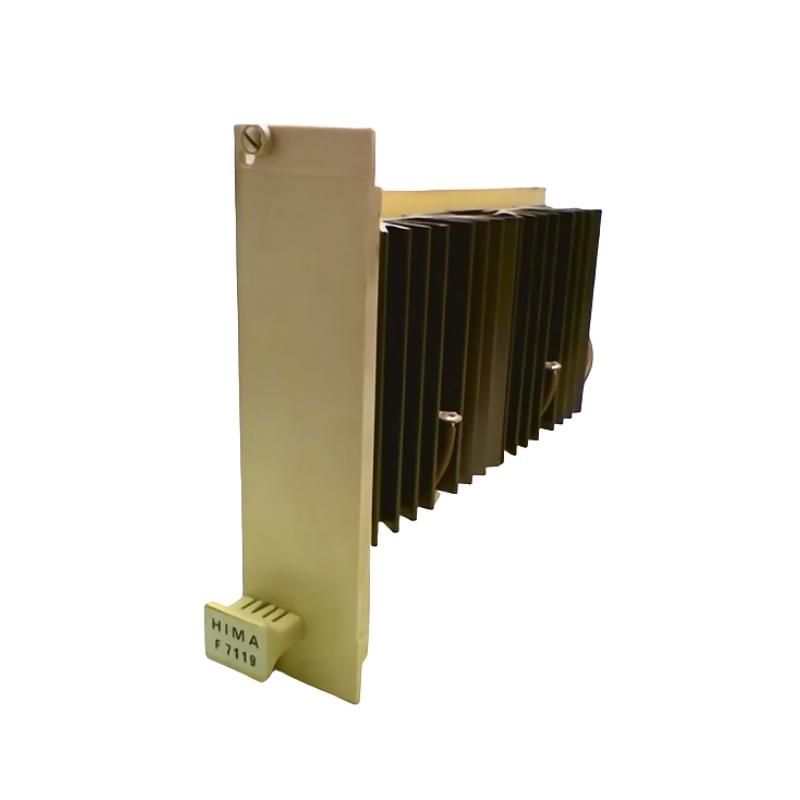
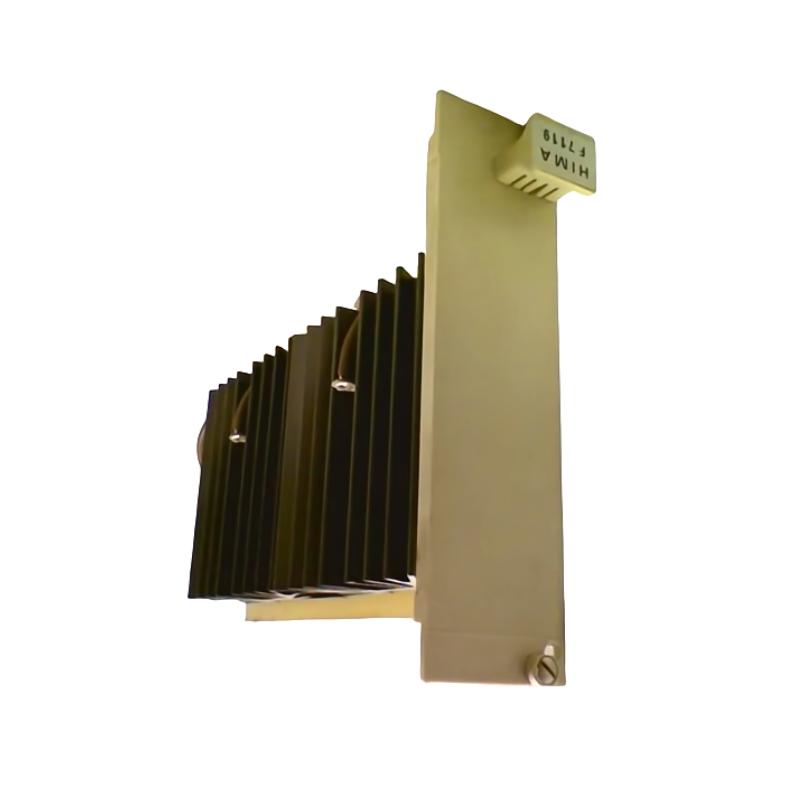
The HIMA F7119 Printed Circuit Board Module is an electronic subsystem component used within HIMA industrial safety automation equipment. Printed circuit board modules serve as the structural and electrical foundation that supports electronic circuits inside control system hardware.
In complex automation systems, reliable signal routing between processors, communication interfaces, and control electronics is essential. The F7119 module helps maintain this connectivity by providing stable electronic pathways for system components.
Because of its role in supporting the internal electronic architecture of safety control equipment, the module is typically installed inside industrial control cabinets that house safety controllers and automation infrastructure used in hazardous process environments.
Technical Specifications
| Parameter | Specification |
|---|
| Manufacturer | HIMA |
| Model | F7119 |
| Module Type | Printed Circuit Board Module |
| System Platform | HIMA Safety Automation Systems |
| Function | Internal electronic circuit integration |
| Application | Automation system hardware support |
| Installation | Control cabinet / system hardware assembly |
| Operating Mode | Continuous industrial operation |
| Industrial Usage | Safety instrumented systems and industrial automation |
| Dimensions | 160 × 25 × 120 mm |
| Weight | 0.34 kg (0.75 lb) |
Control System Hardware Integration
The HIMA F7119 Printed Circuit Board Module is designed as an internal electronic interface component within HIMA safety automation systems. Printed circuit board modules play a vital role in connecting electronic circuits, processing signals, and enabling communication between system components inside industrial control hardware.
Within safety-critical control platforms, such PCB modules help support internal data exchange, signal conditioning, and hardware-level system integration. The F7119 module is engineered to operate reliably in environments where system stability and signal integrity are essential for maintaining safe plant operations.
Typical application areas include:
-
Internal circuitry support for safety control systems
-
Electronic signal routing within automation hardware
-
Integration of processing and interface circuits in safety platforms
-
Control cabinet electronics for industrial automation systems
-
Safety instrumented system infrastructure
-
Industrial monitoring and protection systems
By supporting the internal electronics architecture of automation systems, the module contributes to stable operation and reliable system performance.
Operational Advantages
Reliable Electronic Circuit Integration
Provides a stable platform for connecting and supporting internal electronic components.
Designed for Safety Automation Systems
Compatible with HIMA safety-oriented control architectures.
Compact PCB Module Structure
Efficient form factor allows installation within dense control hardware assemblies.
Stable Signal Routing
Maintains signal integrity between electronic components inside the control system.
Industrial-Grade Construction
Engineered for dependable operation within industrial control cabinets.
Technical FAQs
1. What is the primary function of the F7119 module?
It serves as an internal printed circuit board interface supporting electronic connections and signal routing.
2. Which systems typically incorporate this PCB module?
HIMA safety automation and safety instrumented systems.
3. What role do PCB modules play in control systems?
They provide electrical pathways and integration for electronic components.
4. Where is the module typically installed?
Inside control hardware assemblies or automation system racks.
5. How does the module support system reliability?
By ensuring stable electronic connections and consistent signal transmission.
6. Can the module operate continuously in industrial environments?
Yes, it is designed for continuous operation in automation infrastructure.
7. What industries typically use systems containing this module?
Oil and gas, chemical processing, power generation, and heavy industrial manufacturing.
8. Why is signal integrity important in control electronics?
Stable signals help prevent data errors and control system faults.
9. Does the module interact directly with field devices?
It typically supports internal system electronics rather than direct field connections.
10. What benefit does a dedicated PCB module provide in automation hardware?
It allows organized circuit design and reliable system integration.
 A DCS Q Co., Ltd. - PLC and DCS Industrial Control Equipment Wholesale