Product Overview
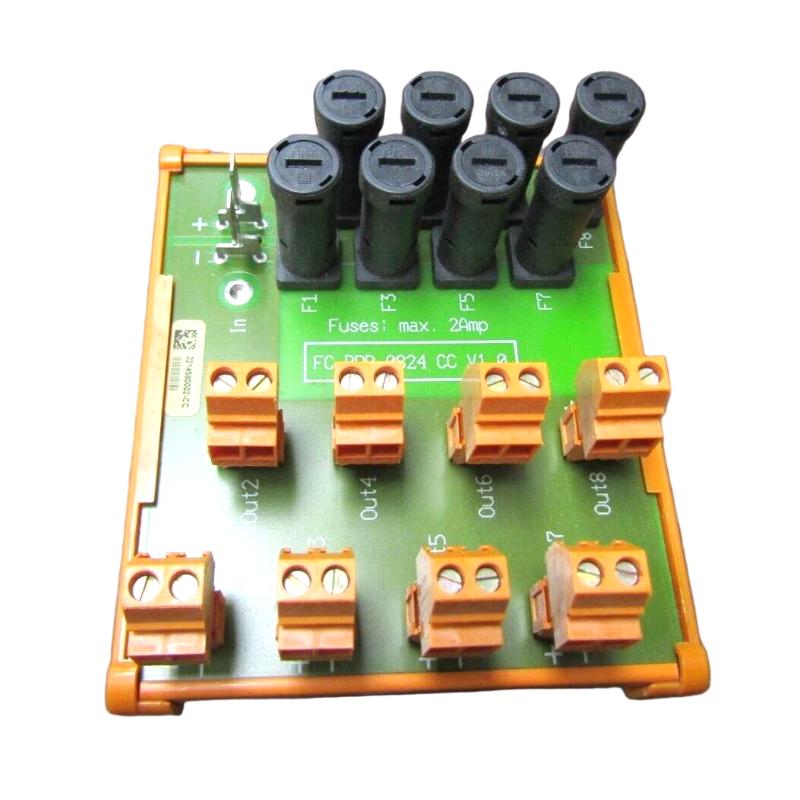
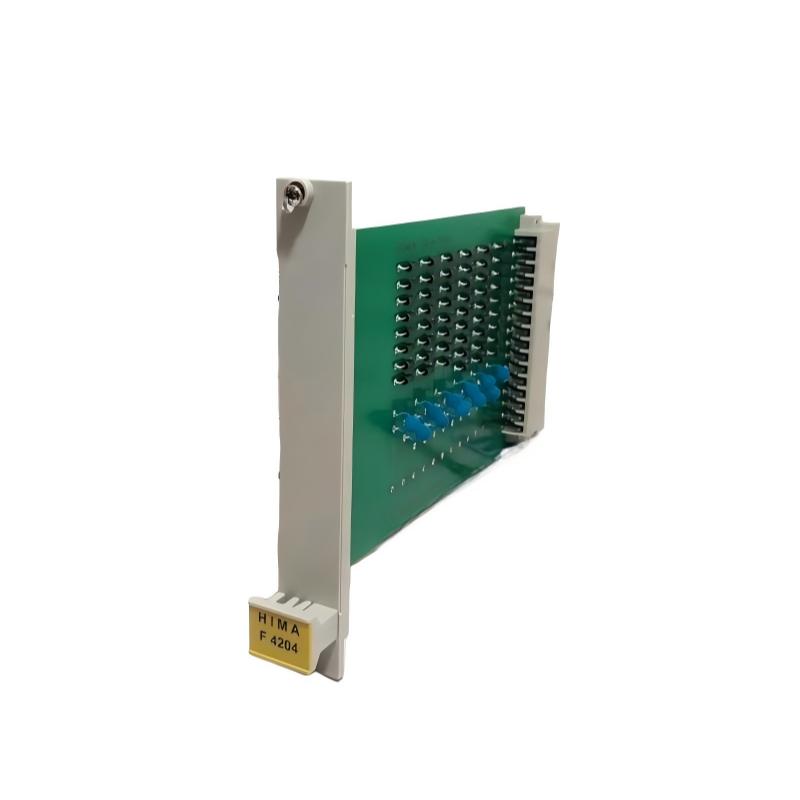
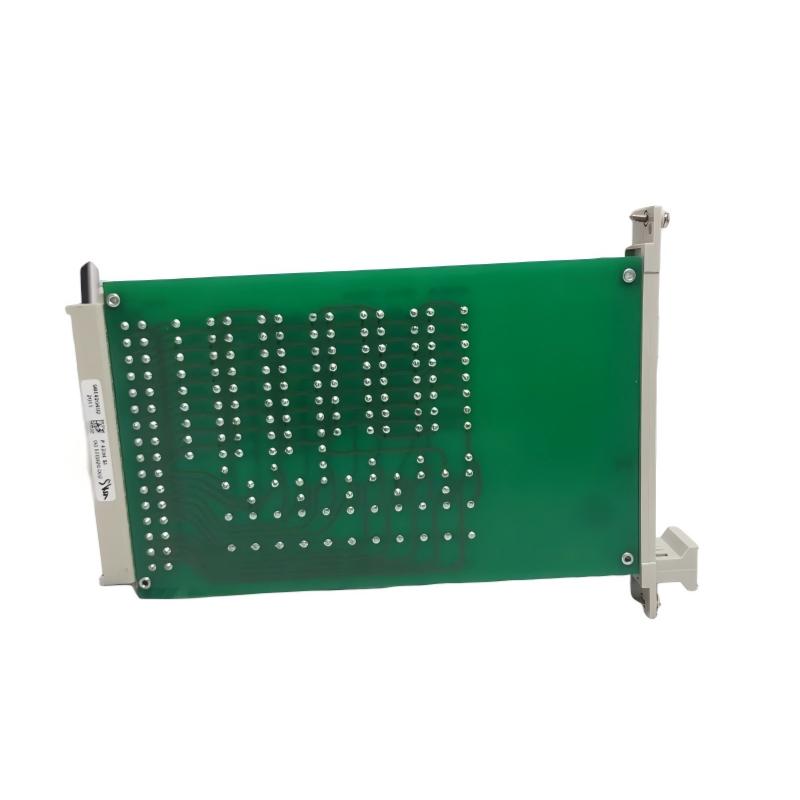
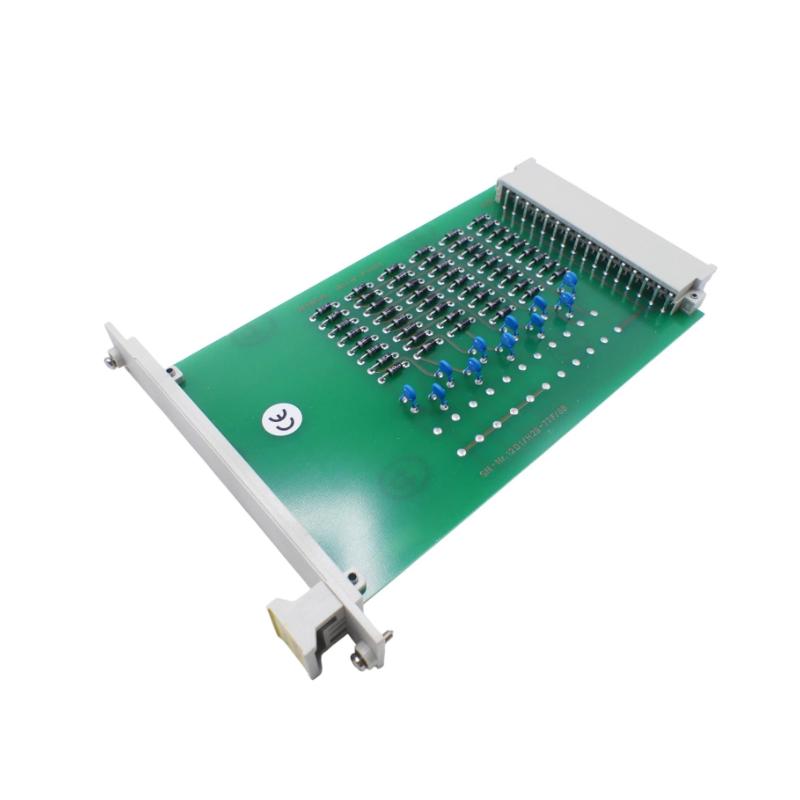
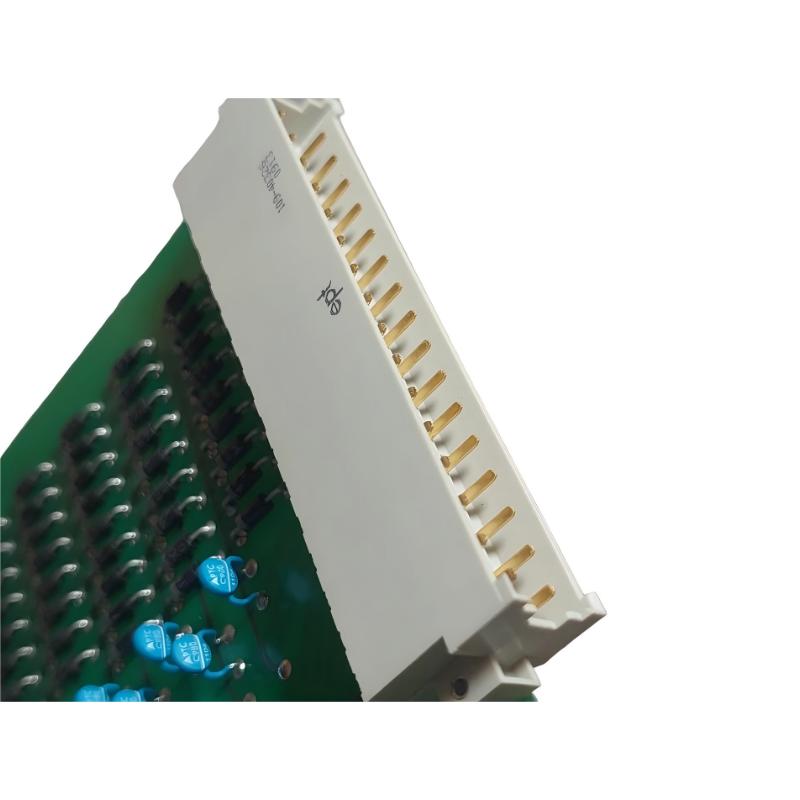
The HIMA F4204 Safety Relay Module is a compact interface component used in HIMA Planar F safety automation systems. It serves as a connection point between the safety controller and field equipment that performs protective functions within an industrial facility.
When hazardous operating conditions are detected by the control system, the module allows relay outputs to activate external safety devices such as alarms, shutdown valves, and interlock circuits. This capability ensures that safety actions can be executed rapidly to prevent equipment damage or protect personnel.
Because of its compact construction and reliable switching characteristics, the F4204 module is commonly installed in industrial safety cabinets supporting high-integrity safety instrumented systems across multiple industries.
Technical Specifications
| Parameter | Specification |
|---|
| Manufacturer | HIMA |
| Model | F4204 |
| Module Type | Safety Relay Module |
| System Platform | HIMA Planar F System |
| Function | Relay-based safety switching |
| Application | Safety instrumented system control |
| Installation | Planar F system rack / safety cabinet |
| Operating Mode | Continuous safety monitoring and control |
| Industrial Usage | Oil & gas, chemical plants, power generation, industrial automation |
| Dimensions | 120 × 25 × 90 mm |
| Weight | 0.18 kg (0.40 lb) |
Safety Shutdown and Interlock Applications
The HIMA F 4204 Safety Relay Module is engineered for safety-critical control tasks within the HIMA Planar F safety automation system. In safety instrumented systems, relay modules act as dependable switching interfaces between the safety controller and external field equipment responsible for executing protective actions.
The F4204 module enables the control system to activate alarms, shutdown mechanisms, and safety interlocks when hazardous process conditions are detected. Its relay-based output structure provides electrical isolation between the control electronics and field devices, ensuring safe operation in demanding industrial environments.
Common industrial scenarios where the module is applied include:
-
Emergency shutdown systems (ESD) in oil and gas facilities
-
Safety interlock systems in chemical processing plants
-
Industrial alarm and warning activation circuits
-
Protection systems for rotating equipment and machinery
-
Power generation safety control architectures
-
Industrial process hazard mitigation systems
Through its reliable switching capability, the module allows safety controllers to interact with external equipment that performs critical plant protection functions.
Operational Strengths
Designed for Safety Instrumented Systems
Specifically developed to operate within HIMA Planar F safety control platforms.
Reliable Relay Switching
Provides stable control of safety devices through relay-based outputs.
Electrical Isolation
Separates safety control electronics from field voltages and external equipment circuits.
Compact Safety Module Design
Small footprint allows efficient integration into high-density safety control cabinets.
Continuous Duty Capability
Engineered for continuous monitoring and operation in safety automation environments.
Technical FAQs
1. What is the main purpose of the F4204 module?
It provides relay-based switching outputs for safety control functions.
2. Which automation platform uses this module?
The module is designed for HIMA Planar F safety systems.
3. What types of equipment can be controlled by the module?
Alarms, safety shutdown circuits, solenoid valves, and protective interlocks.
4. Why are relay modules used in safety systems?
They provide reliable switching and electrical isolation between controllers and field devices.
5. Where is the module installed in an automation system?
Inside safety control cabinets or Planar F system racks.
6. What role does it play in emergency shutdown systems?
It allows the controller to activate protective shutdown actions when dangerous conditions occur.
7. What industries commonly use this safety relay module?
Oil and gas, chemical processing, power generation, and heavy industrial manufacturing.
8. Can the module operate continuously in safety applications?
Yes, it is designed for continuous operation in safety-critical control systems.
9. What advantage does relay isolation provide?
It protects the safety controller from electrical disturbances originating from field devices.
10. How does this module support plant safety?
It enables the control system to execute physical safety actions quickly and reliably.
 A DCS Q Co., Ltd. - PLC and DCS Industrial Control Equipment Wholesale