Industrial Communication Integration
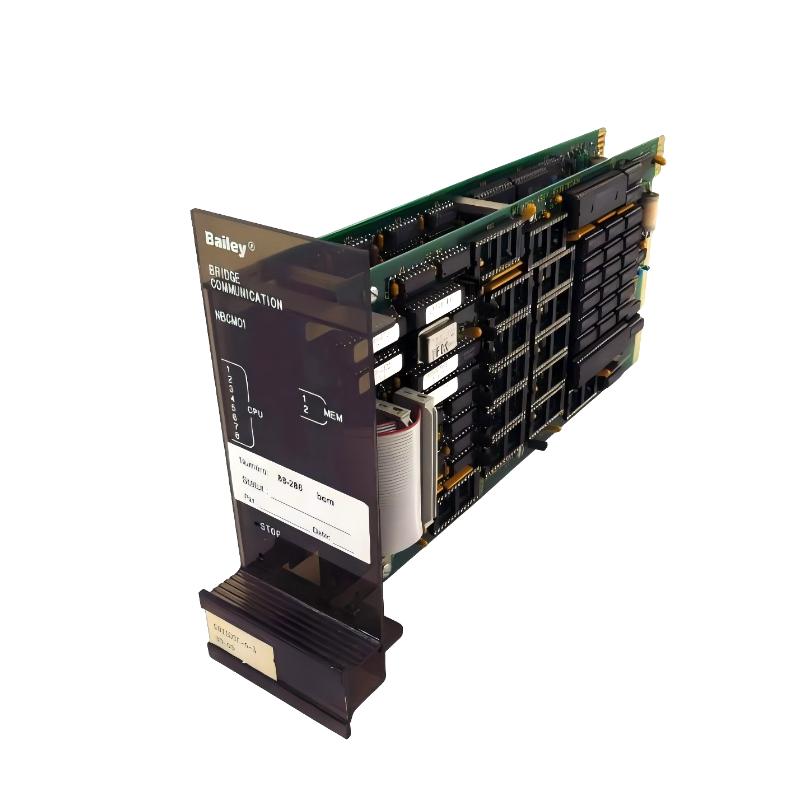
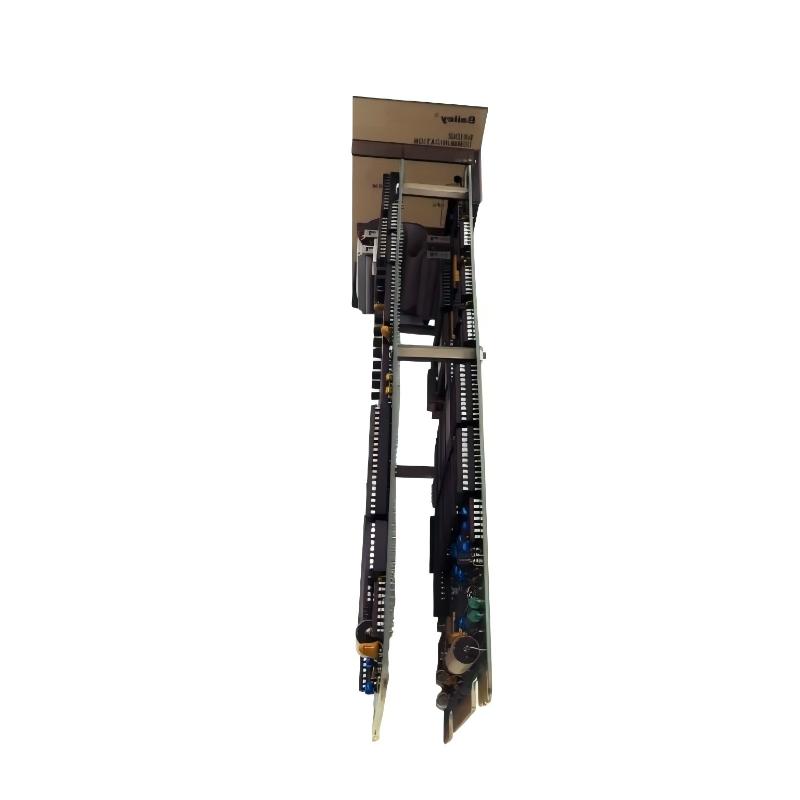
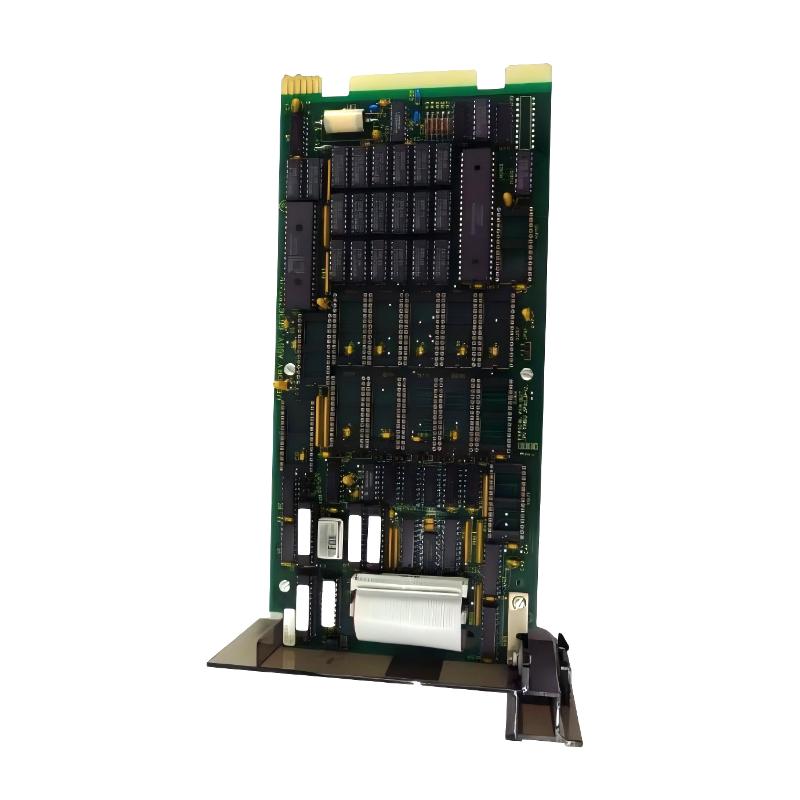
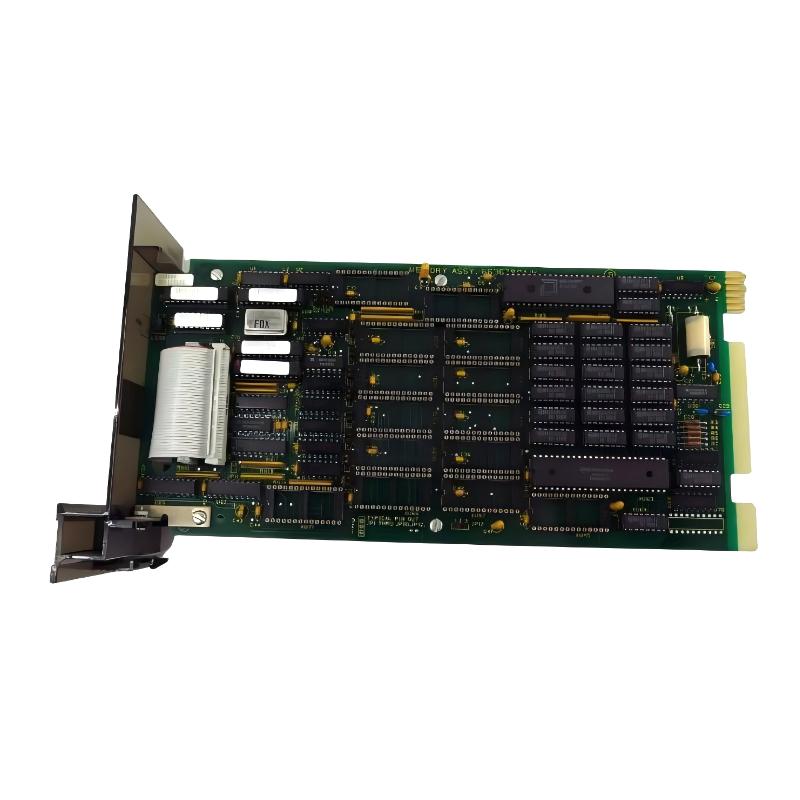
The ABB Bailey NBCM01 Bridged Communication Module is designed to enable communication bridging between control system components within ABB Bailey distributed control architectures. In modern industrial automation systems, multiple subsystems, controllers, and I/O networks must exchange data continuously. Communication modules such as the NBCM01 ensure that information flows reliably between these system segments.
The module acts as an interface that manages communication between network layers or control modules, allowing process data, system commands, and diagnostic information to move across the automation infrastructure. This capability is critical in facilities where distributed control systems coordinate complex industrial processes.
Typical application environments include:
-
Distributed control system communication networks
-
Automation cabinet communication interfaces
-
Industrial data exchange between controllers and subsystems
-
Process automation systems in power generation plants
-
Communication bridging in petrochemical control networks
-
Manufacturing automation infrastructure
By supporting stable communication between system components, the NBCM01 helps ensure consistent process monitoring and control across large industrial installations.
Operational Advantages
Reliable Communication Bridging
Provides a structured interface that enables data exchange between control system modules.
Integration with Bailey Control Platforms
Designed to operate within ABB Bailey distributed control architectures.
Improved Data Flow Stability
Helps maintain consistent communication between subsystems and automation controllers.
Support for Distributed Automation Systems
Facilitates communication across complex control networks used in large industrial facilities.
Compact Cabinet Installation
The module's design allows efficient integration into automation control cabinets.
Technical FAQs
1. What is the primary function of the NBCM01 module?
It enables communication bridging between different modules or network segments within the control system.
2. Which automation platform typically uses this module?
It is used within ABB Bailey distributed control system environments.
3. What type of data passes through the module?
Process data, control commands, status information, and system diagnostics.
4. Why are communication modules important in automation systems?
They ensure reliable data exchange between distributed control components.
5. Where is the NBCM01 usually installed?
Inside industrial control cabinets or communication racks.
6. Does the module improve system coordination?
Yes, it supports efficient communication between controllers and network nodes.
7. What industries commonly use communication bridging modules?
Power generation, oil and gas processing, chemical plants, and manufacturing automation.
8. Can the module operate continuously in industrial environments?
Yes, it is designed for continuous operation in automation infrastructure.
9. How does communication stability affect plant performance?
Reliable data exchange ensures accurate monitoring and responsive control actions.
10. What operational benefits does communication bridging provide?
Improved system integration, operational reliability, and process efficiency.
 A DCS Q Co., Ltd. - PLC and DCS Industrial Control Equipment Wholesale