Industrial Process Signal Acquisition
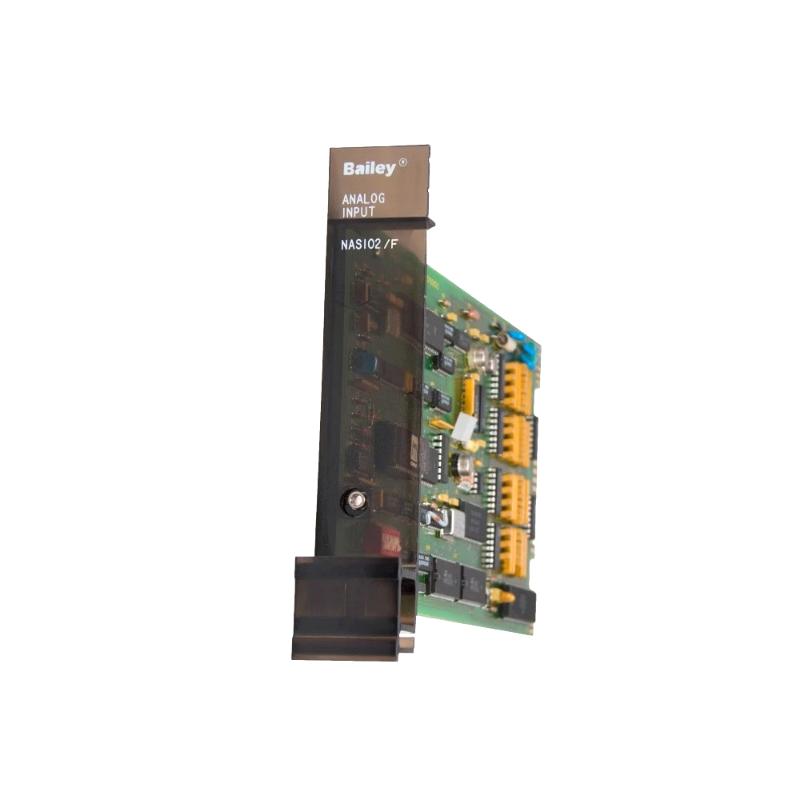
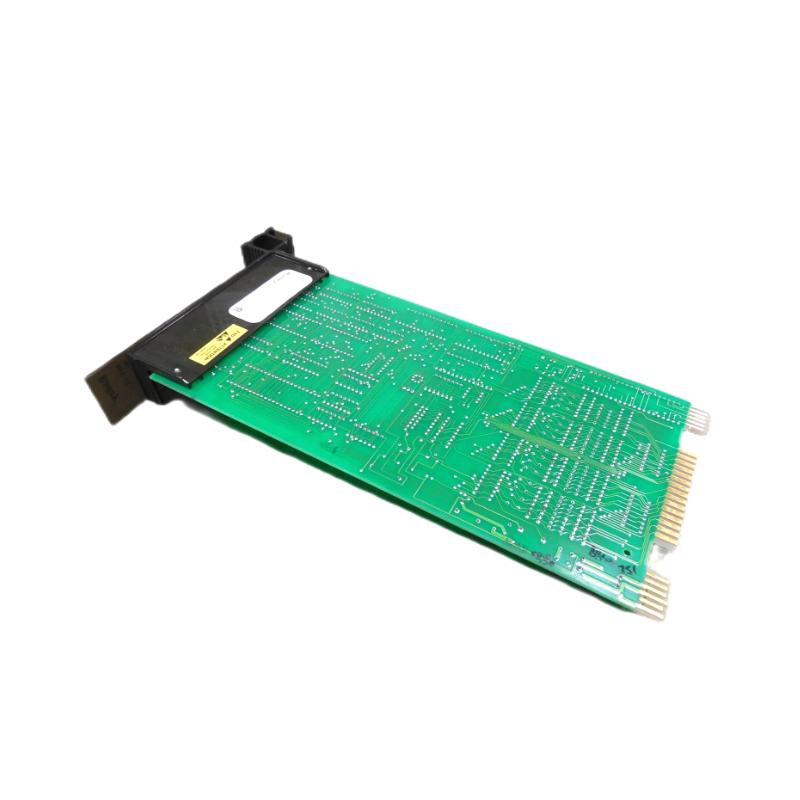
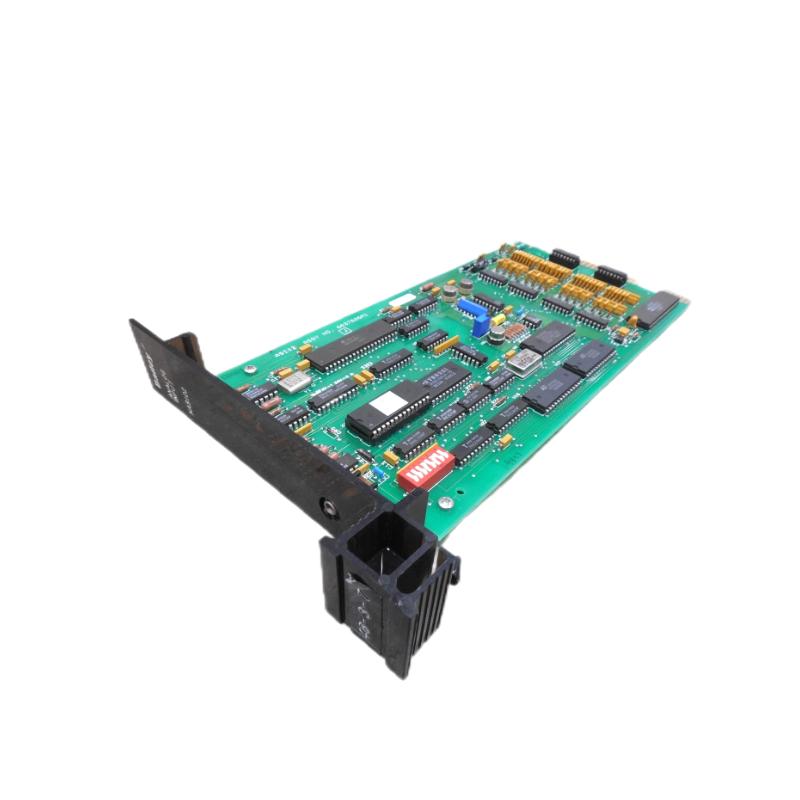
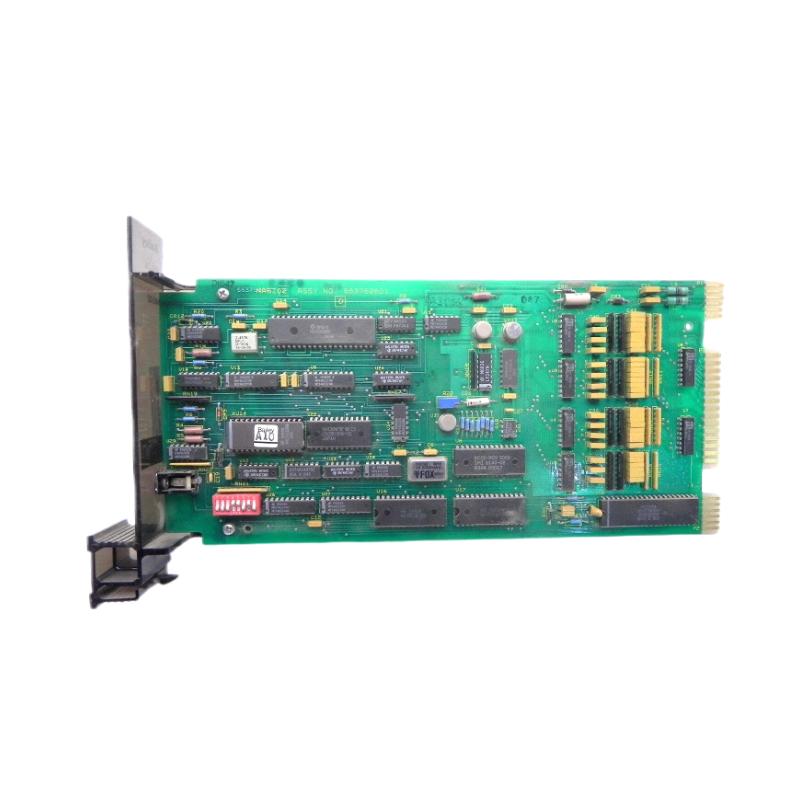
The ABB Bailey NASI02/F Analog Input Module is designed to capture and process analog signals from field instrumentation within ABB Bailey distributed control systems. Analog input modules play a key role in industrial automation by converting real-world process measurements into digital data that can be analyzed by control processors.
The NASI02/F module typically receives signals from field transmitters measuring variables such as temperature, pressure, flow, and level. These signals are then transmitted to the control system where they are used for monitoring, regulation, and automation logic.
Typical industrial application scenarios include:
-
Process measurement systems in power generation facilities
-
Oil and gas instrumentation networks
-
Chemical processing plant automation systems
-
Industrial manufacturing process monitoring
-
Distributed control system data acquisition
-
Plant instrumentation cabinets requiring analog signal inputs
By providing accurate and stable signal acquisition, the module ensures that process variables are reliably delivered to the control system for real-time analysis and control.
Functional Advantages
Accurate Analog Signal Acquisition
Designed to capture continuous process signals from industrial transmitters.
Integration with Bailey Control Platforms
Compatible with ABB Bailey distributed control system architectures.
Reliable Data Transmission
Ensures stable conversion and communication of process measurement signals.
Supports Multiple Instrument Types
Interfaces with field transmitters used for pressure, temperature, flow, and level monitoring.
Optimized for Continuous Industrial Operation
Built for environments where process monitoring must operate without interruption.
Technical FAQs
1. What is the primary function of the NASI02/F module?
It receives analog signals from field instrumentation and sends them to the control system.
2. What types of process signals are typically handled by this module?
Signals from transmitters measuring temperature, pressure, flow, or liquid level.
3. Which automation platform commonly uses this module?
It is designed for ABB Bailey distributed control systems.
4. Why are analog input modules important in process control?
They enable the control system to monitor real-time process variables.
5. Where is the module usually installed?
Inside control cabinets or distributed I/O racks.
6. Can it operate continuously in industrial facilities?
Yes, it is engineered for continuous operation in automation systems.
7. How does the module improve measurement reliability?
It provides stable signal reception and accurate digital conversion.
8. What devices typically send signals to this module?
Industrial transmitters, sensors, and measurement instruments.
9. What industries commonly deploy analog input modules like NASI02/F?
Industries such as power generation, petrochemical processing, oil and gas, and manufacturing.
10. What operational benefits does accurate analog input provide?
It supports precise process monitoring, efficient automation, and improved plant control.
 A DCS Q Co., Ltd. - PLC and DCS Industrial Control Equipment Wholesale